 EN
EN


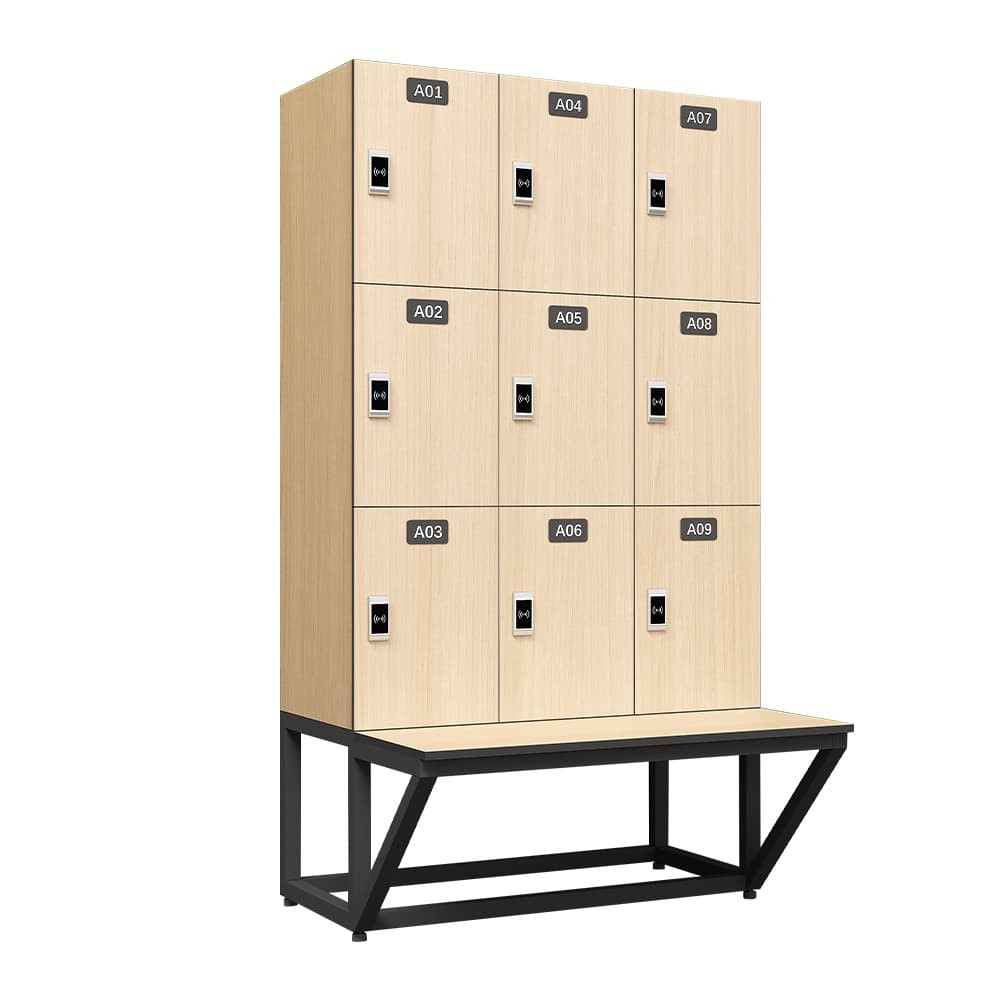
When a procurement manager or facility planner places a large-scale order for storage solutions, understanding how an HPL locker factory actually operates can make the difference between a smooth delivery and a costly sourcing mistake. High Pressure Laminate lockers are increasingly specified for gyms, schools, offices, and sports facilities because of their moisture resistance, durability, and clean aesthetic. Before committing to a bulk purchase, buyers benefit enormously from knowing what happens inside an HPL locker factory from raw material intake all the way through to final shipment.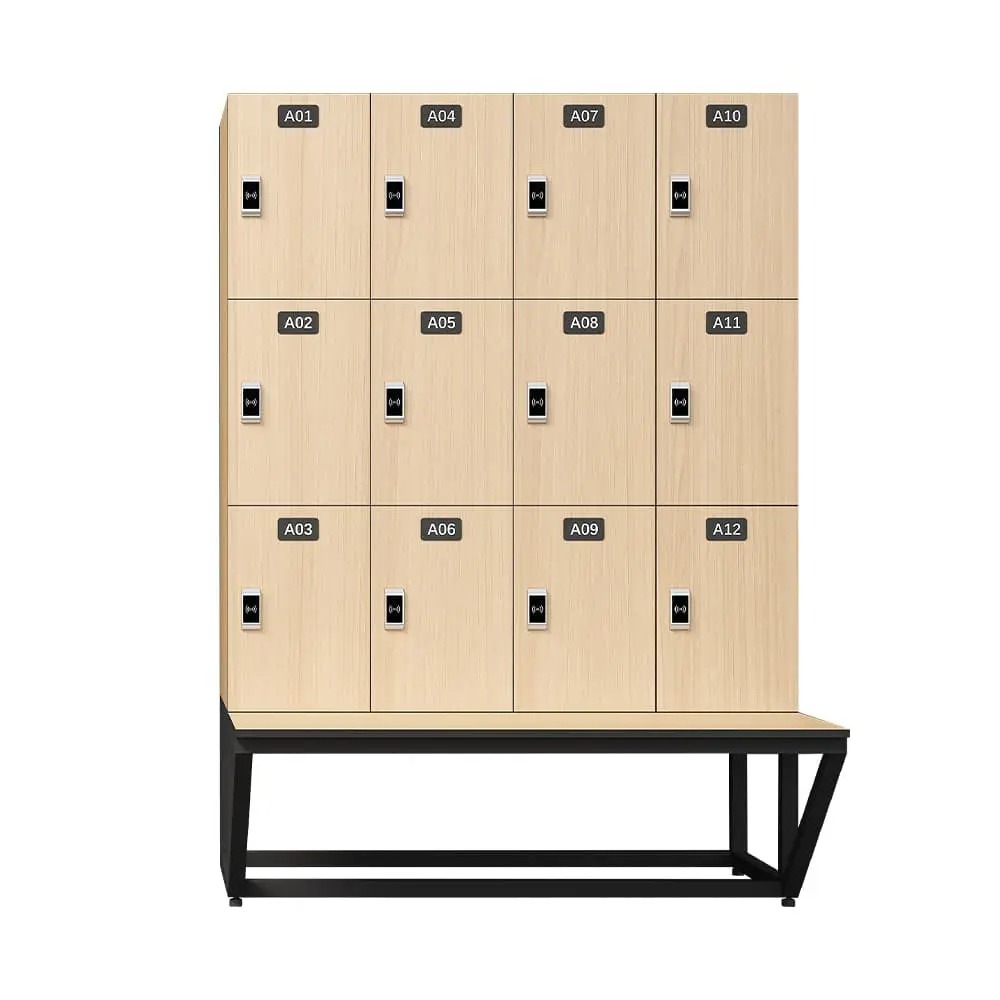
A reputable HPL locker factory is not simply an assembly shed. It is a structured manufacturing environment where sheet material selection, cutting precision, edge processing, hardware integration, and finish quality are all managed through defined production stages. For bulk buyers, each of these stages directly affects lead time, unit consistency, and long-term product performance. This article walks through the core operational areas of an HPL locker factory and explains what bulk ordering buyers should look for, ask about, and evaluate before signing a purchase agreement.
Raw Materials and Panel Processing at an HPL Locker Factory
How HPL Panels Are Selected and Prepared
Every HPL locker factory begins its production cycle with the sourcing and inspection of HPL panels. These panels are manufactured under high heat and pressure using resin-saturated kraft paper layers topped with a decorative surface layer, which gives the finished locker its characteristic hardness and resistance to scratches, impact, and humidity. Beneath the laminate surface, the panel's core substrate — typically particleboard, plywood, or medium-density fiberboard (MDF) — determines much of the unit's weight, screw-holding strength, and overall rigidity. A quality-focused HPL locker factory will specify panel thickness, surface grade, core substrate, and laminate class before any cutting begins. For bulk orders, this upstream material consistency is critical because dimensional variation at the panel level translates directly into fit and finish problems at the assembly stage.
Once panels arrive at the HPL locker factory, they are stored under controlled conditions to prevent warping or moisture absorption before processing. Computerized cutting machines, often CNC routers or panel saws, are then used to cut panels to precise dimensions according to the order specifications. The HPL locker factory relies on digital cutting files to ensure repeatability across hundreds or thousands of identical units. For large-volume orders, this CNC-based approach is essential because manual cutting introduces human error that becomes magnified at scale.
Edge Banding and Surface Finishing
After cutting, each panel processed at an HPL locker factory undergoes edge banding, a process where matching or contrasting ABS or PVC edging is thermally bonded to the exposed panel edges. This step protects the particleboard, plywood, or MDF core against moisture ingress at the most vulnerable points of the locker panel and contributes significantly to the longevity of the finished unit. A well-equipped HPL locker factory will use automated edge banding machines calibrated to apply consistent adhesive and trim flush edges with no gaps or lifting. Buyers placing bulk orders should request sample panels to inspect edge quality before approving a full production run at the HPL locker factory.
Assembly Workflow and Quality Control Inside an HPL Locker Factory
Modular Assembly and Hardware Integration
The assembly floor of an HPL locker factory is where individual panels become complete locker units. Most modern HPL locker factory operations use a modular assembly approach where side panels, shelves, door frames, and back panels are connected using cam locks, dowels, or concealed fixings. This modular method speeds up production significantly and allows the HPL locker factory to reconfigure production lines for different locker sizes, configurations, or color combinations without retooling entirely. For bulk orders involving multiple locker variants, this flexibility is a major operational advantage.
Hardware integration at an HPL locker factory includes fitting hinges, locking mechanisms, ventilation slots, numbering systems, and coat hooks or accessories as specified by the buyer. A professional HPL locker factory will source durable, corrosion-resistant hardware from verified suppliers and test each locking mechanism for cycle durability before approving it for use in production. Bulk buyers should request a hardware specification sheet and inquire about the cycle-life rating of hinges and locks to ensure the finished lockers will withstand the daily use patterns of the intended environment.
Quality Inspection Protocols
A credible HPL locker factory enforces multi-stage quality inspection rather than relying solely on a final check before shipping. Inline inspection occurs at cutting, edge banding, and assembly stages. Final inspection at the HPL locker factory typically involves checking door alignment, locking function, surface finish consistency, dimensional accuracy, and completeness of hardware. For large bulk orders, the HPL locker factory may perform a pre-shipment inspection in collaboration with a third-party quality control agency. Buyers should ask the HPL locker factory for its inspection records and acceptable quality limit standards before production begins.
Bulk Order Logistics and Lead Time Planning at an HPL Locker Factory
Production Scheduling for Large Volume Orders
An experienced HPL locker factory will provide buyers with a production schedule that breaks the bulk order into defined milestones including material procurement confirmation, cutting start date, assembly completion, inspection window, and packing completion. This schedule transparency is important because bulk orders for an HPL locker factory often run alongside other customer orders, and capacity allocation must be agreed upon in writing. Buyers should confirm whether the HPL locker factory has sufficient factory floor capacity and panel inventory — including stock levels of particleboard, plywood, or MDF substrate — to fulfill the order within the required timeframe without compromising quality.
Lead times at an HPL locker factory for bulk orders typically range from four to ten weeks depending on order complexity, quantity, customization level, and current production load. Customized color combinations, special locking systems, non-standard core substrates, or branded panel prints add time to the HPL locker factory production cycle. Buyers should factor in shipping time, customs clearance, and site readiness when calculating total project timelines from an HPL locker factory order confirmation date.
Packaging, Palletization, and Shipment Preparation
Proper packaging is a critical but often underestimated aspect of ordering from an HPL locker factory at scale. Panels and assembled units leaving an HPL locker factory should be wrapped with foam or bubble padding, corner-protected, and loaded onto pallets in a configuration that prevents shifting during ocean or road freight. A responsible HPL locker factory will label each carton with item codes, configuration numbers, and installation sequence indicators to simplify on-site unpacking and assembly. Buyers placing bulk orders should review the HPL locker factory packing list format before shipment to ensure it aligns with their inventory and installation workflow needs.
FAQ
What minimum order quantity does a typical HPL locker factory accept for bulk orders?
Most facilities operating as an HPL locker factory set a minimum order quantity in the range of 50 to 200 units for bulk pricing tiers, though this varies by manufacturer. Buyers should discuss specific volume thresholds directly with the HPL locker factory to understand pricing breaks, lead time implications, and any customization requirements tied to order size.
Can an HPL locker factory produce custom sizes and colors for large orders?
Yes, a well-equipped HPL locker factory can typically accommodate custom panel dimensions, core substrate selection (particleboard, plywood, or MDF), color selections from standard HPL laminate catalogues, and branded surface prints for bulk orders. Customization requests should be submitted early in the ordering process so the HPL locker factory can source the correct panels and adjust production scheduling accordingly.
How should buyers verify the quality standards of an HPL locker factory before placing a bulk order?
Buyers should request physical samples, review certification documents such as ISO or product-specific standards, ask for past bulk order references, and ideally conduct or commission a factory audit. A transparent HPL locker factory will support this verification process and provide quality control records, material specification sheets, and test reports upon request.


