 EN
EN


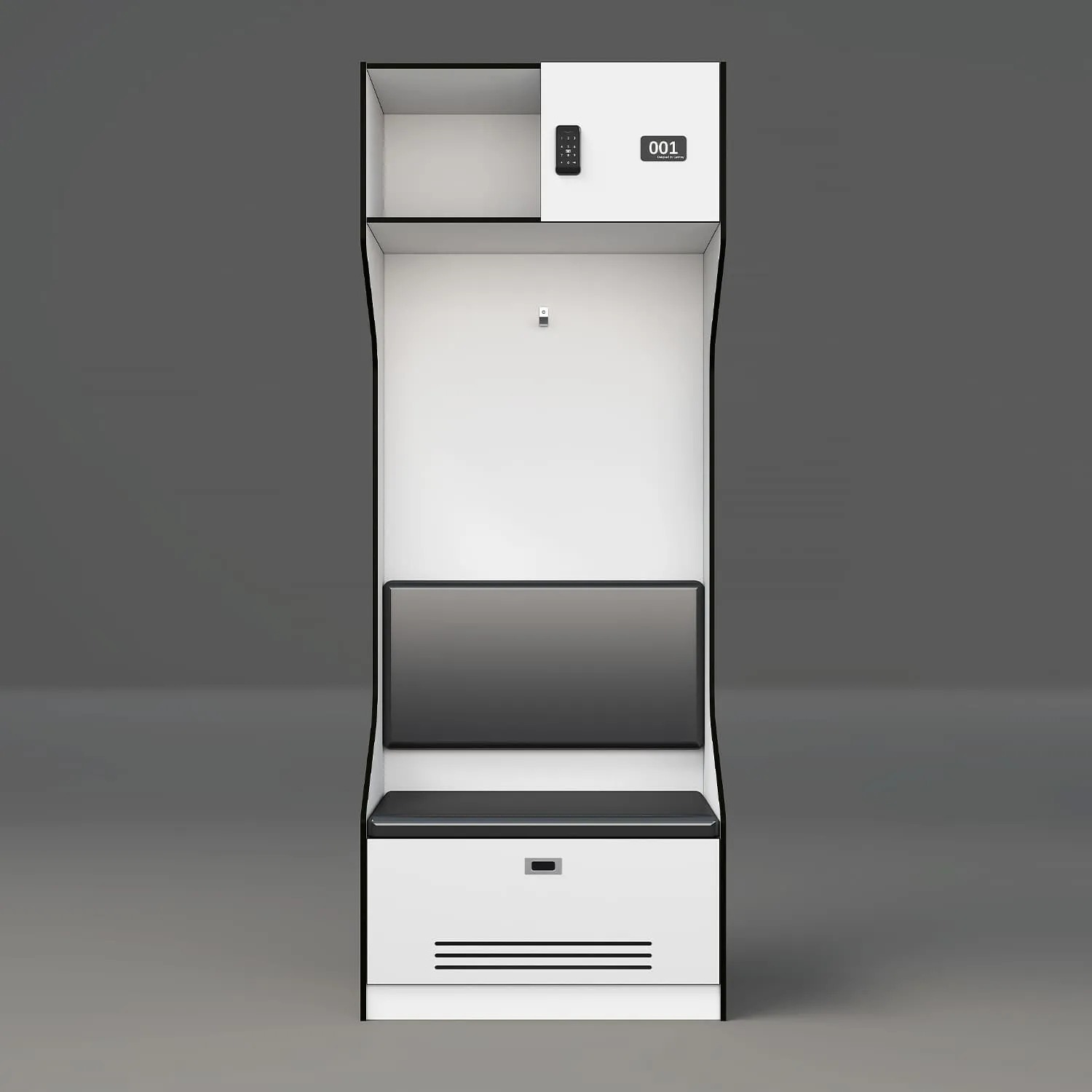
When planning a large-scale fitout for a gym, school, or commercial facility, sourcing directly from an HPL Locker Factory is one of the most practical decisions a project manager can make. An HPL Locker Factory offers factory-direct pricing, customizable configurations, and material quality that is verified at the production level rather than filtered through multiple distribution layers. Understanding what a credible HPL Locker Factory delivers in terms of technical specifications helps procurement teams make faster, more confident decisions.
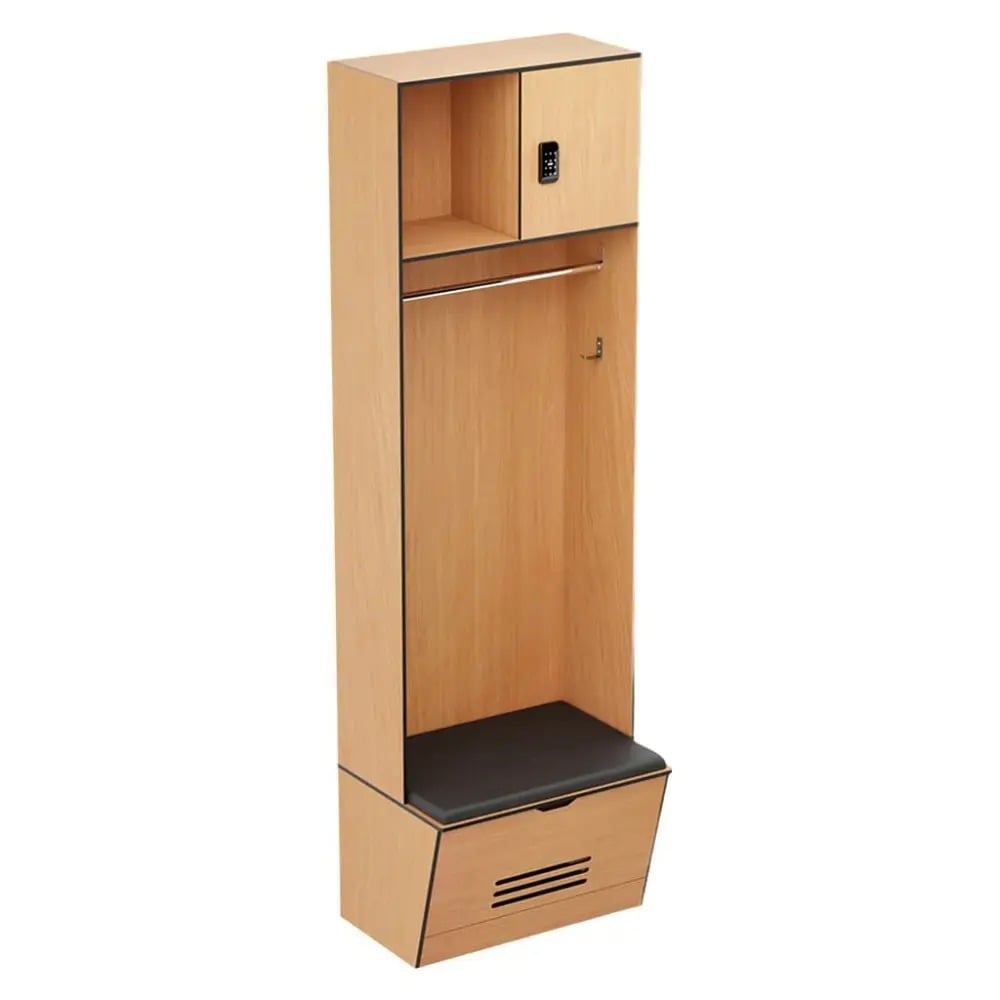
Every HPL Locker Factory structures its production process around the core properties of High Pressure Laminate panels — density, surface hardness, moisture resistance, and structural rigidity — bonded to a substrate core of particleboard, plywood, or medium-density fiberboard (MDF). When a project specification calls for heavy-duty locker systems, the HPL Locker Factory must meet strict build tolerances that go well beyond standard residential cabinetry. This article walks through the key technical specs and structural standards that define a serious HPL Locker Factory capable of handling demanding commercial and institutional projects.
Core Material Standards at an HPL Locker Factory
HPL Panel Grade and Thickness Requirements
At any credible HPL Locker Factory, the selection of HPL panel grade and core substrate is the foundation of the entire product line. Heavy-duty project specifications typically require panels with a minimum thickness of 12mm for side walls and 18mm for base and top panels, built on a particleboard, plywood, or MDF core depending on the load and moisture demands of the environment. A professional HPL Locker Factory sources compact-grade HPL or standard decorative HPL depending on the application — compact-grade panels are homogeneous through the full thickness, offering superior impact resistance in high-traffic environments such as gym changing rooms and school corridors, while decorative HPL bonded to a plywood or MDF core offers a lighter-weight, cost-effective alternative for lower-traffic areas.
The surface of HPL produced at a quality HPL Locker Factory is tested for abrasion resistance, scratch resistance, and chemical resistance. These properties are especially important in locker rooms exposed to cleaning agents, sweat, and daily physical contact. A reliable HPL Locker Factory will reference EN 438 or equivalent material standards as part of its specification documentation, giving project buyers a measurable benchmark to evaluate against competing sourcing options.
Frame Construction and Structural Integrity
Beyond the panel material itself, the structural frame assembled at an HPL Locker Factory determines how the locker performs under long-term load and daily use. Heavy-duty specs from a serious HPL Locker Factory typically include full-panel carcass construction rather than skeleton framing, meaning every wall, shelf, and base is a solid HPL-faced panel over a particleboard, plywood, or MDF core. This approach eliminates weak points at the joints and ensures the HPL Locker Factory product maintains its shape even when lockers are stacked or installed in back-to-back configurations across large fitouts.
HPL Locker Factory Configuration Options for Projects
Door Configurations and Z-Type Designs
A well-equipped HPL Locker Factory offers multiple door configurations to match different space and usage requirements. The Z-type locker design is one of the most requested formats from an HPL Locker Factory for gym and sports facility projects. In a Z-type design, the interior shelf is positioned diagonally, creating two separate compartments within a single locker column. This HPL Locker Factory configuration maximizes vertical space usage while allowing users to store both bags and garments without compression.
Multi-door configurations — including 4-door, 6-door, and 8-door options — are standard outputs from a commercial HPL Locker Factory. Each HPL Locker Factory will specify the individual compartment dimensions, door swing clearance, and the hinge load rating per door. For heavy-duty projects, buyers should confirm that the HPL Locker Factory uses full-overlay hinges rated for a minimum of 100,000 open-close cycles, which corresponds to roughly 10 years of daily use in a busy facility.
Bench Integration and Accessory Specs
Many HPL Locker Factory projects for gym and locker room environments require integrated bench systems positioned below or adjacent to the locker banks. A capable HPL Locker Factory engineers the bench structure as part of the same material system, using matching HPL panels for the seat surface and reinforced, high-density panel supports for the legs to maintain visual and material consistency with the locker units. Bench load ratings from a quality HPL Locker Factory typically support between 150kg and 200kg static load per meter, which is appropriate for commercial gym environments where multiple users may sit simultaneously.
Quality Control and Customization at an HPL Locker Factory
Factory Quality Assurance Processes
A reputable HPL Locker Factory operates dedicated quality control checkpoints throughout the production cycle. Panel cutting tolerances at a precise HPL Locker Factory are maintained within plus or minus 0.5mm to ensure consistent fitment during on-site installation. Edge banding applied at the HPL Locker Factory — typically ABS or PVC in 2mm thickness — seals all exposed panel edges against moisture ingress and mechanical chipping. Every finished unit leaving the HPL Locker Factory should be inspected for door alignment, locking mechanism function, and surface defects before packaging.
Project buyers working with an HPL Locker Factory should request factory inspection reports or third-party audit documentation as part of the procurement process. A transparent HPL Locker Factory will have no difficulty supplying material test certificates, production batch records, and photographic inspection documentation. These records matter especially for institutional projects, where building compliance and warranty obligations require traceable evidence of product quality from the HPL Locker Factory.
Customization Scope and Lead Times
One of the primary advantages of working directly with an HPL Locker Factory is the degree of customization available without the markup typically added by distributors. A full-service HPL Locker Factory can accommodate custom compartment heights, custom core substrate selection (particleboard, plywood, or MDF), custom color selections from the HPL manufacturer's palette, custom lock types including combination locks, key locks, and RFID systems, and custom branding or laser-cut number plates. Lead times from an HPL Locker Factory for standard configurations typically run between 15 and 25 working days, while fully customized heavy-duty projects may require 30 to 45 working days from order confirmation to dispatch.
FAQ
What HPL thickness should I specify for a heavy-duty HPL Locker Factory order?
For heavy-duty commercial projects, the recommended HPL panel thickness from an HPL Locker Factory is 12mm for vertical walls and 18mm for horizontal structural panels such as the base and top, typically built on a particleboard, plywood, or MDF core. Compact-grade HPL is preferred for environments with high humidity or heavy daily traffic, as it provides consistent performance through the full panel thickness rather than relying solely on a surface laminate layer.
Can an HPL Locker Factory produce custom sizes for non-standard project spaces?
Yes, a full-service HPL Locker Factory can produce custom locker dimensions to fit non-standard architectural spaces. The HPL Locker Factory will typically require detailed site measurements and approved drawings before entering production. Buyers should allow additional lead time for custom-size orders and confirm that the HPL Locker Factory has CNC cutting capability to ensure precision within the tight tolerances required for flush installations.
How do I verify the quality standards of an HPL Locker Factory before placing a large order?
Request material test certificates referencing EN 438 or equivalent HPL standards, factory audit reports, and finished product photos from previous HPL Locker Factory projects. A credible HPL Locker Factory should also be willing to supply physical sample panels so the project team can verify surface finish, edge banding quality, and structural weight before committing to a full production order.


