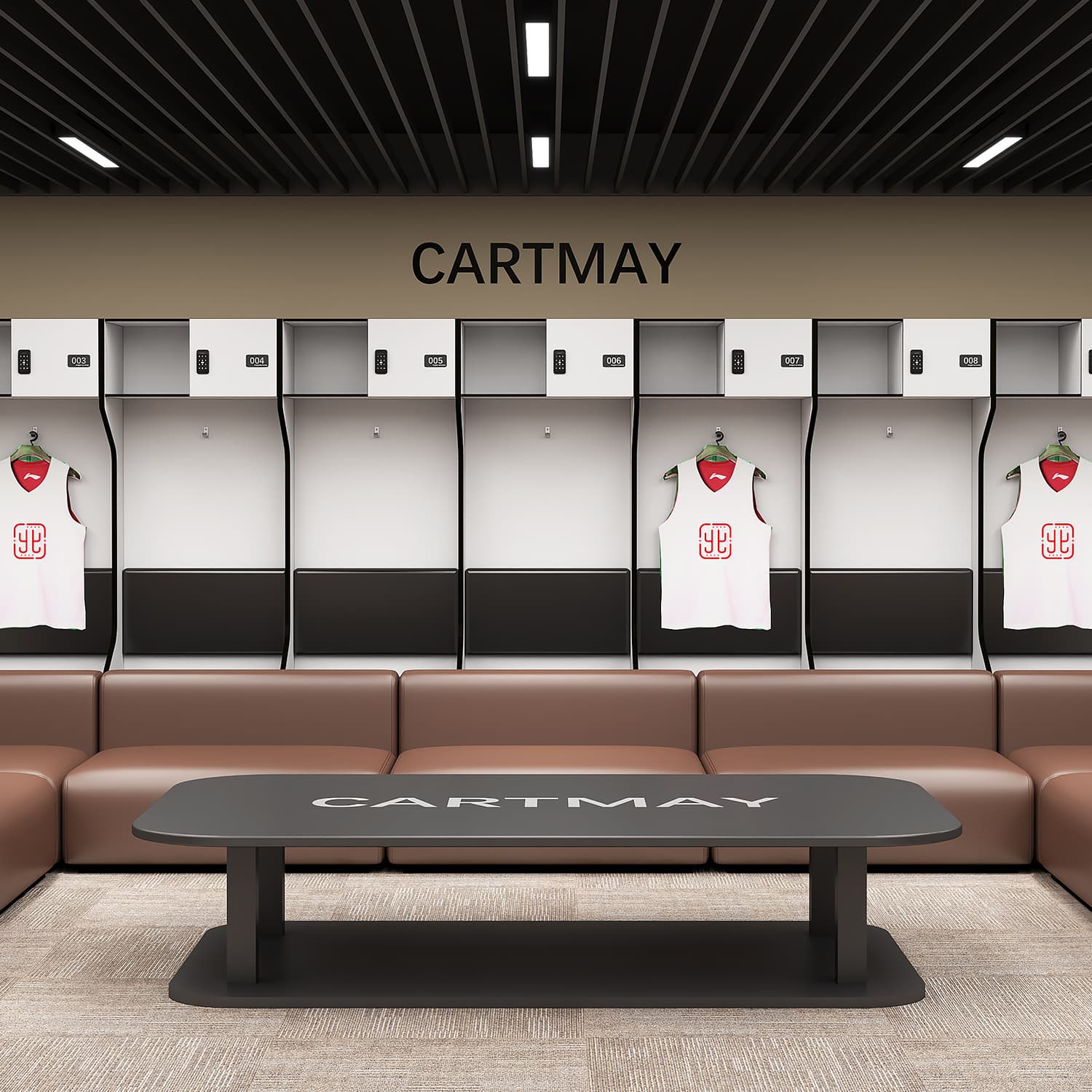
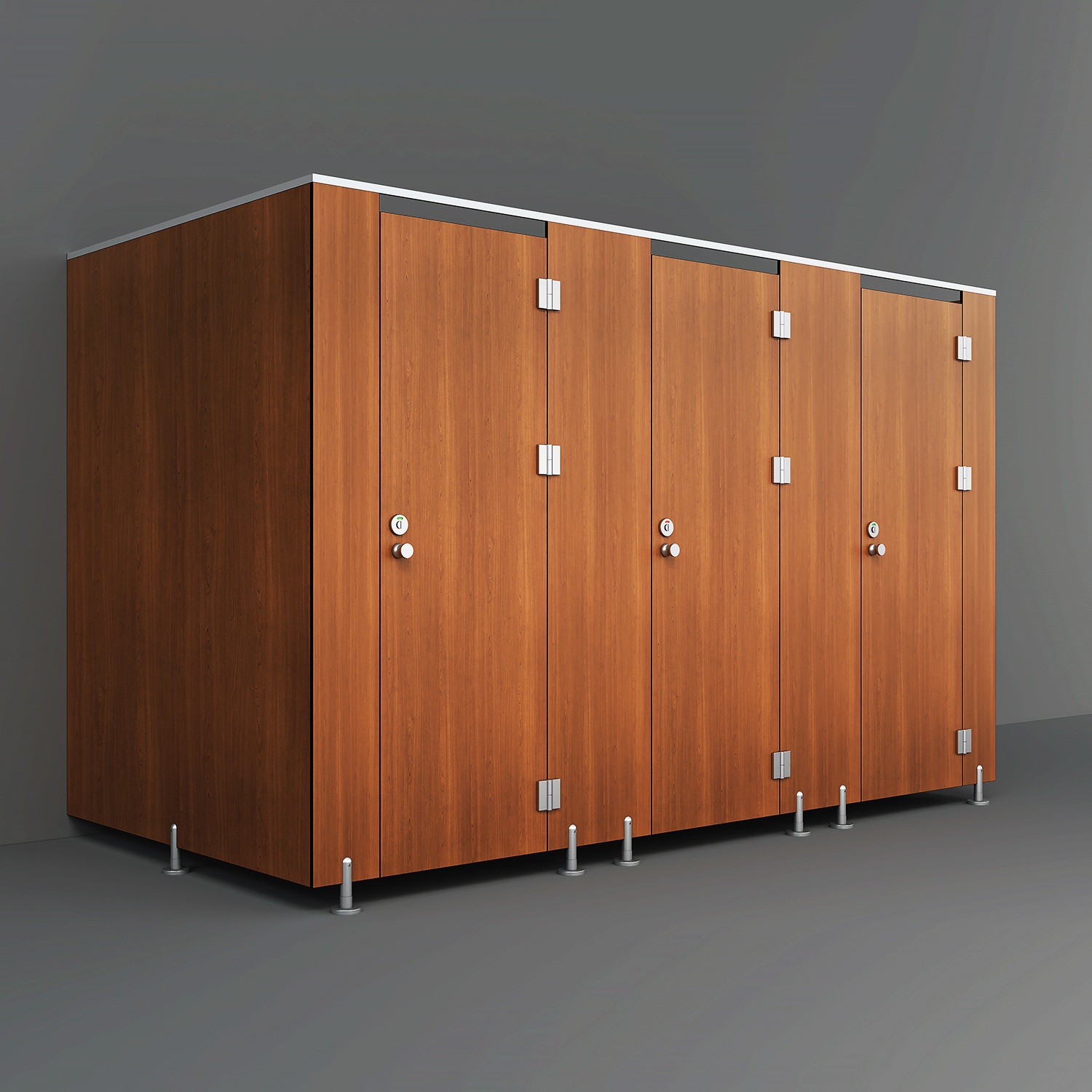
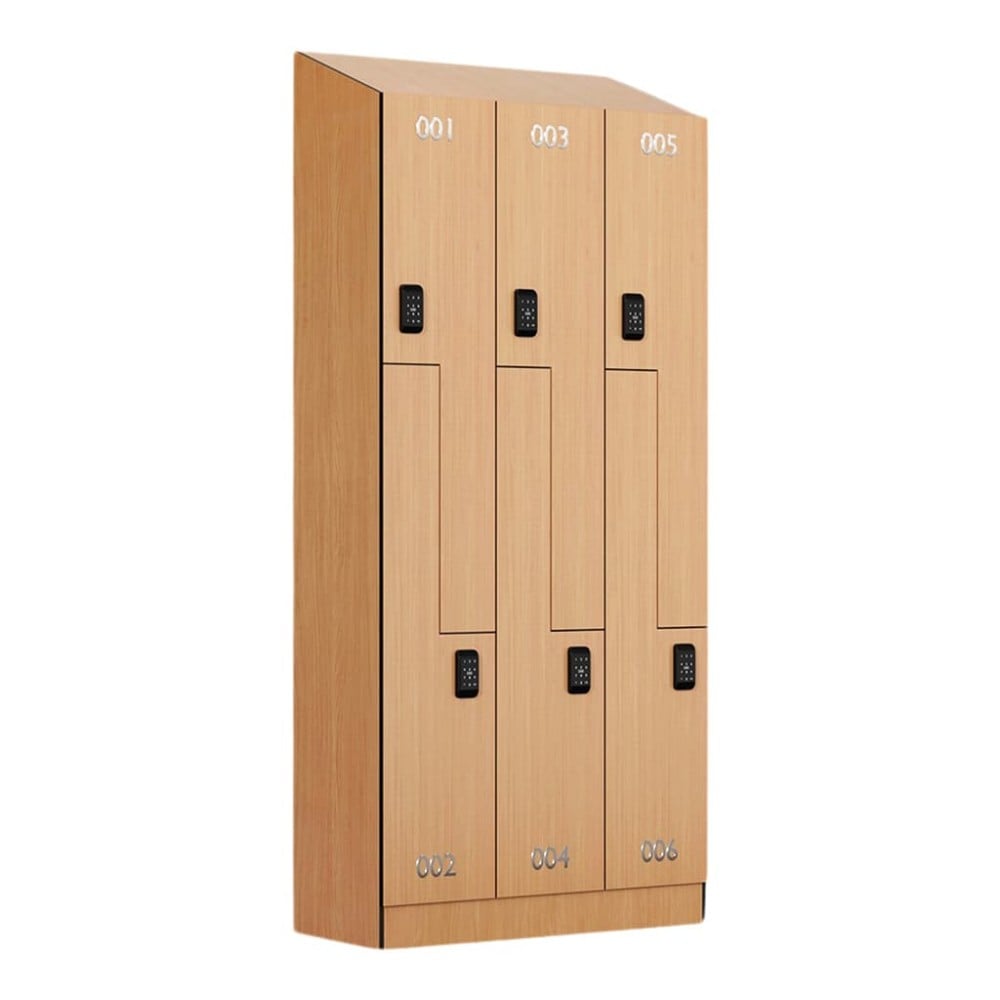
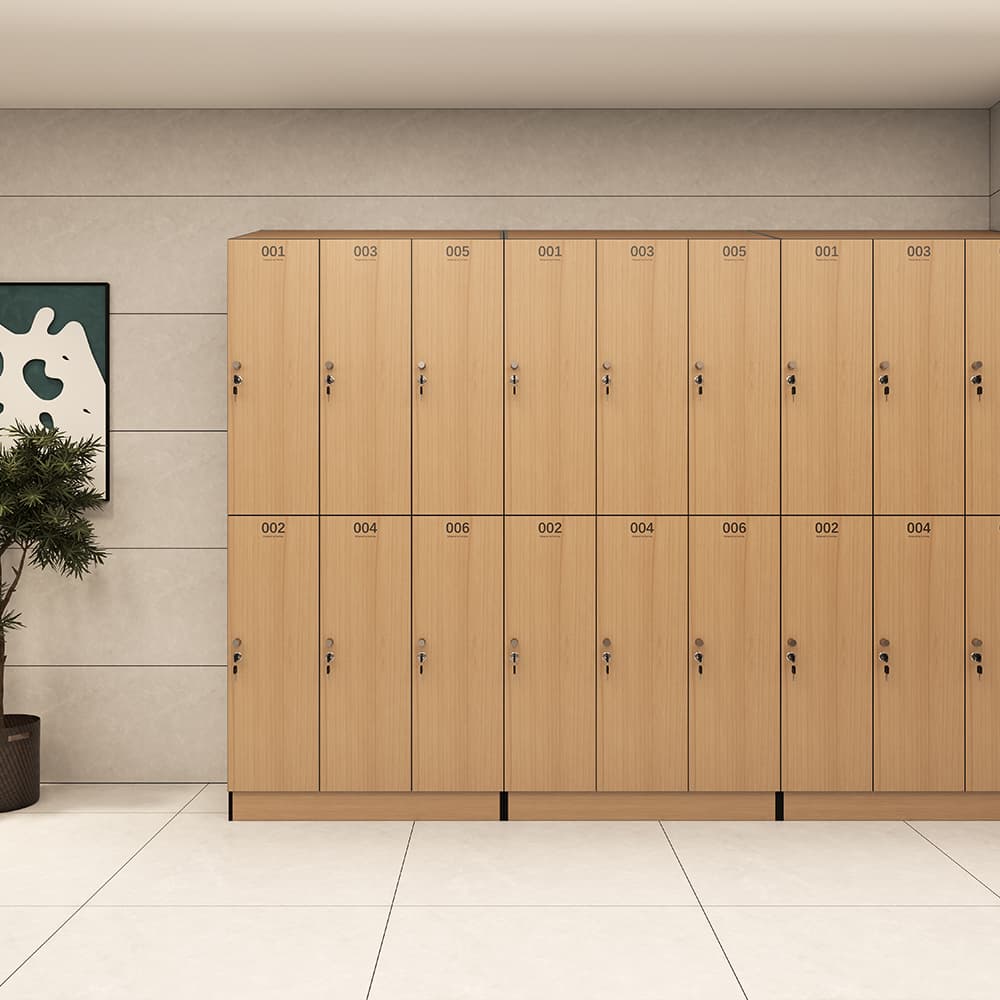
In the current competitive commercial environment, controlling operational costs while ensuring service quality has become a core challenge for procurement professionals in various commercial premises. Storage cabinets, as essential supporting facilities in shopping malls, supermarkets, office buildings and other commercial spaces, their procurement budget optimization directly affects the overall operational efficiency and profitability of the premises. Many procurement personnel often fall into the dilemma of either overspending on high-priced products or sacrificing quality for low costs. This article will focus on three core dimensions—cost-effectiveness, function expansion, and ROI evaluation—to provide a comprehensive budget optimization guide for procurement personnel of commercial premises storage cabinets.
Cost-effectiveness is not about choosing the cheapest product, but about achieving the best balance between product quality, performance and price. For commercial premises with high passenger flow and frequent use of storage cabinets, blind pursuit of low prices will lead to frequent maintenance, replacement and other follow-up costs, which will increase the total cost in the long run. Procurement personnel should first clarify the basic needs of storage cabinets, such as usage frequency, storage capacity, and environmental conditions, and then screen products that meet the needs within the budget range.
When evaluating cost-effectiveness, it is necessary to focus on the core components and overall construction of storage cabinets. Product quality is the foundation of long-term performance, and durable structures and reliable manufacturing processes can provide better load-bearing capacity and service life than low-quality alternatives. Hardware accessories such as hinges and locks also need to be considered; reliable hardware has a lower failure rate, reducing the cost of later replacement. In addition, comparing the quotation details of different suppliers, including product price, installation cost, and transportation cost, can help find hidden cost-saving points. For example, some suppliers offer package services of “product + installation + after-sales”, which is more cost-effective than purchasing separately.
In the process of budget optimization, procurement personnel should not only consider current needs but also reserve space for future function expansion. With the upgrading of commercial operations, the functional requirements for storage cabinets are constantly changing. For example, shopping malls may need to add intelligent charging functions to storage cabinets in the future, and office buildings may require storage cabinets to be connected to the intelligent management system of the building. If the purchased storage cabinets do not have expandable performance, they will need to be fully replaced in the later stage, resulting in higher investment.
When selecting products, it is necessary to pay attention to whether the product design supports functional upgrades. For example, choosing storage cabinets with modular design can add functional modules such as intelligent locks and charging ports on the original basis without changing the main structure. At the same time, it is necessary to communicate with suppliers about the possibility and cost of future function expansion, and include relevant terms in the procurement contract to avoid disputes. Although products with expandable functions may have a slightly higher initial procurement cost, they can save a lot of replacement costs in the long run and improve the flexibility of budget use.
ROI (Return on Investment) evaluation is an important means to measure the rationality of the storage cabinet procurement budget. For commercial premises, the ROI of storage cabinets is not only reflected in the reduction of maintenance costs but also in the improvement of operational efficiency and customer satisfaction. Procurement personnel need to establish a scientific evaluation system to quantify the investment return.
First, calculate the total investment cost, including procurement cost, installation cost, transportation cost, and annual maintenance cost. Then, quantify the income brought by the storage cabinets: for example, intelligent storage cabinets in shopping malls can improve customer experience, increase customer stay time, and indirectly drive consumption growth; storage cabinets in office buildings can improve the orderliness of the workplace and enhance employee work efficiency. Taking a medium-sized shopping mall as an example, investing in 50 sets of intelligent storage cabinets with a total cost of $20,000 can increase customer satisfaction by 25% and drive a 5% growth in peripheral commodity sales. According to the annual turnover of $1 million in the peripheral area, the additional income is $50,000, and the ROI can reach 150% in the first year.
The budget optimization of commercial premises storage cabinet procurement is a systematic project that requires comprehensive consideration of cost-effectiveness, function expansion, and ROI. Procurement personnel should abandon the one-sided view of “only pursuing low prices” and establish a long-term investment perspective. By scientifically evaluating product value, reserving functional expansion space, and quantifying investment returns, they can formulate a reasonable procurement budget, realize the optimal allocation of resources, and provide strong support for the efficient operation of commercial premises.
 Hot News
2026-01-08
2026-01-07
2026-01-06
 ONLINE
Leading global supplier of HPL lockers and toilet cubicles for universities, gyms, and malls. Certified with ISO, CE, and SEFA. 10-year warranty and free CAD drawings for 100% customized designs.


 EN
EN