Durability and Low-Maintenance Operation
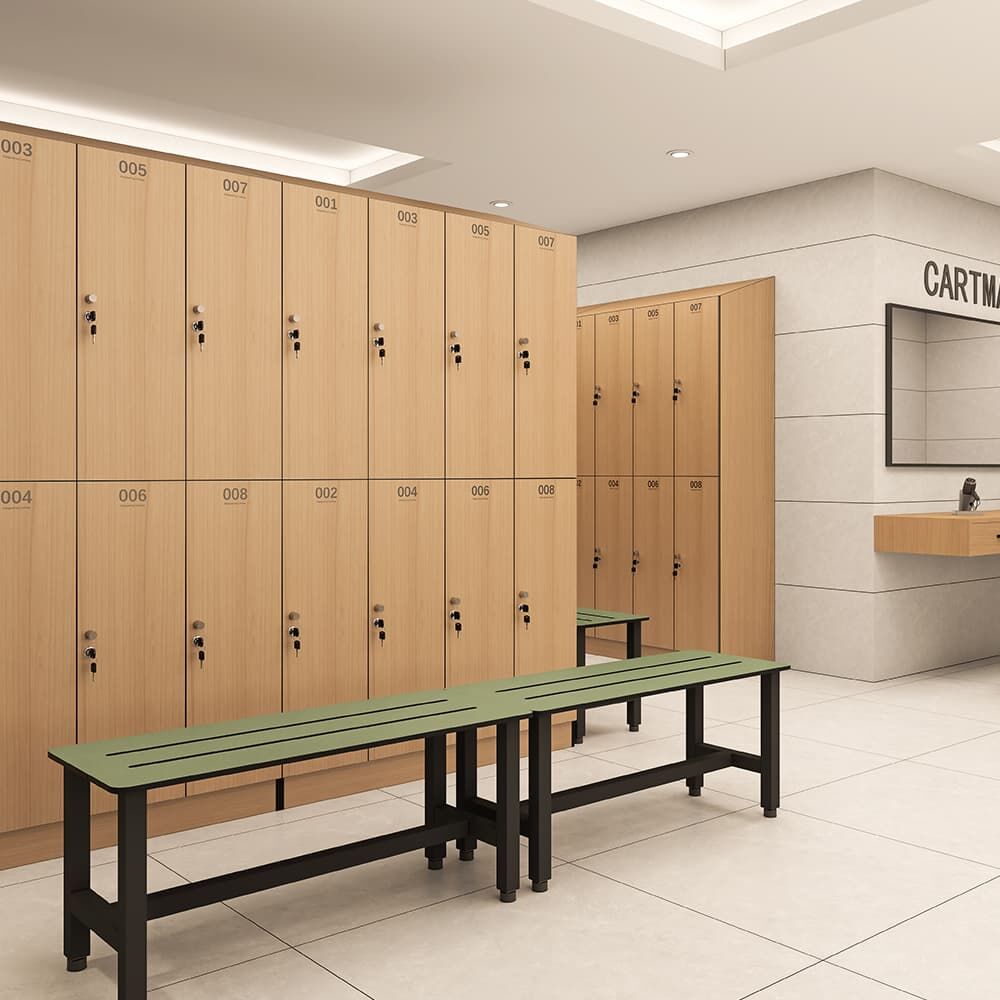
The exceptional durability and low-maintenance operation characteristics of small gym lockers provide long-term value and reliability that significantly reduce total cost of ownership while ensuring consistent performance in demanding fitness facility environments. These units undergo rigorous engineering and testing processes that validate their ability to withstand intensive daily use, environmental stresses, and the physical demands associated with high-traffic commercial applications. The construction materials selection prioritizes corrosion resistance, impact tolerance, and wear resistance through the use of premium steel alloys, advanced powder coating systems, and reinforced component designs that maintain structural integrity despite repeated stress cycles. The specialized finishing processes create protective barriers that resist moisture penetration, chemical damage from cleaning products, and ultraviolet degradation that can compromise appearance and functionality over time. Mechanical component design emphasizes simplicity and reliability through the elimination of unnecessary complexity that could introduce failure points or require frequent adjustment and repair. The precision-engineered hinges, latches, and locking mechanisms undergo extensive durability testing that simulates years of normal operation to identify and eliminate potential wear issues before products reach customer facilities. Maintenance requirements remain minimal due to self-lubricating components, sealed mechanisms that prevent contamination, and designs that facilitate quick cleaning and inspection procedures without requiring specialized tools or extensive downtime. The modular construction approach enables selective component replacement when necessary, reducing repair costs and minimizing service interruptions compared to integrated systems that require complete unit replacement for minor issues. Quality control processes ensure consistent manufacturing standards that eliminate premature failure modes and provide predictable service life expectations for facility planning and budgeting purposes. The robust construction withstands environmental challenges including temperature fluctuations, humidity variations, and exposure to cleaning chemicals commonly used in fitness facility maintenance protocols. User abuse resistance features prevent damage from improper operation, excessive force, or vandalism attempts through reinforced mounting points, tamper-resistant hardware, and impact-absorbing design elements. These durability and maintenance advantages translate directly into reduced operational costs, improved member satisfaction through consistent availability, and enhanced facility reputation through reliable performance that supports seamless daily operations without unexpected disruptions or costly emergency repairs.
 EN
EN


 ONLINE