EN
EN

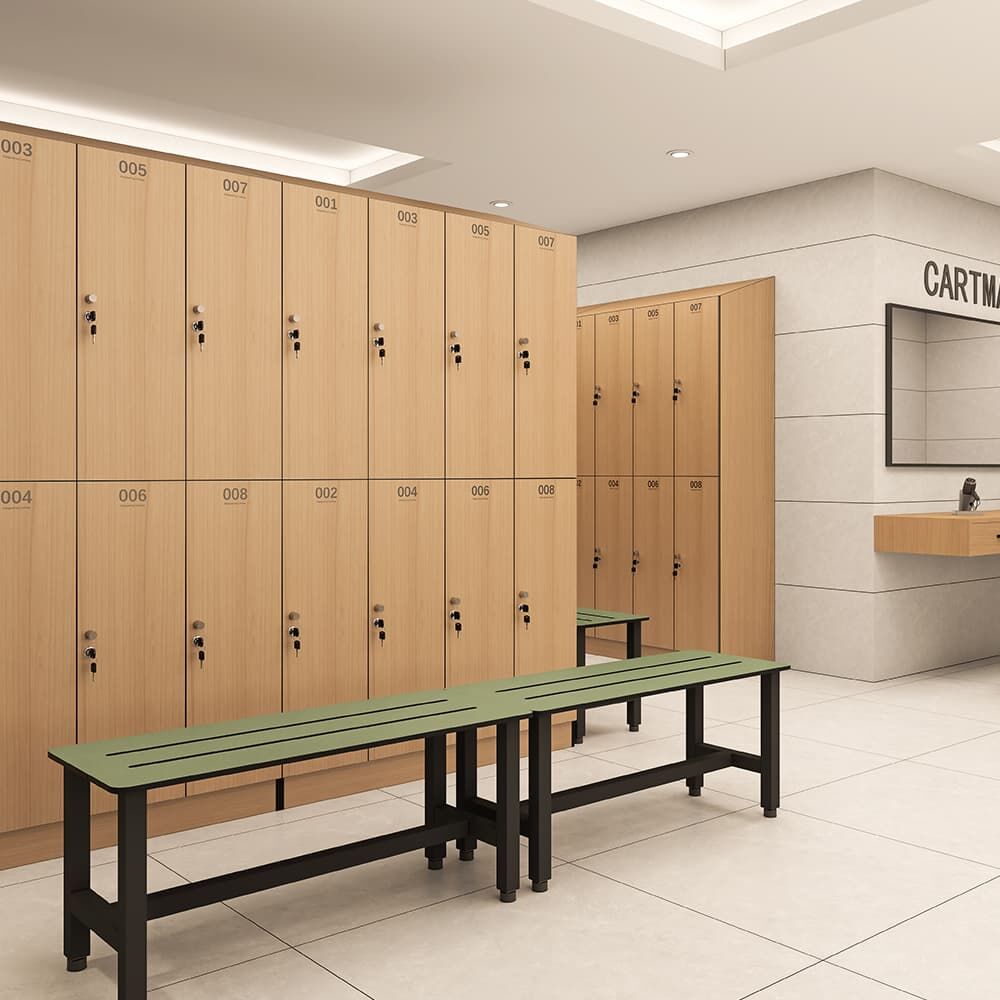
In modern workplaces, clutter, disorganization, and the lack of personal storage are silent productivity killers. Employees who spend time searching for belongings, managing desk overflow, or worrying about the security of their personal items are employees who are not fully focused on their work. office lockers address these problems at their root, providing structured, secure, and accessible personal storage that frees employees to concentrate entirely on their professional responsibilities.
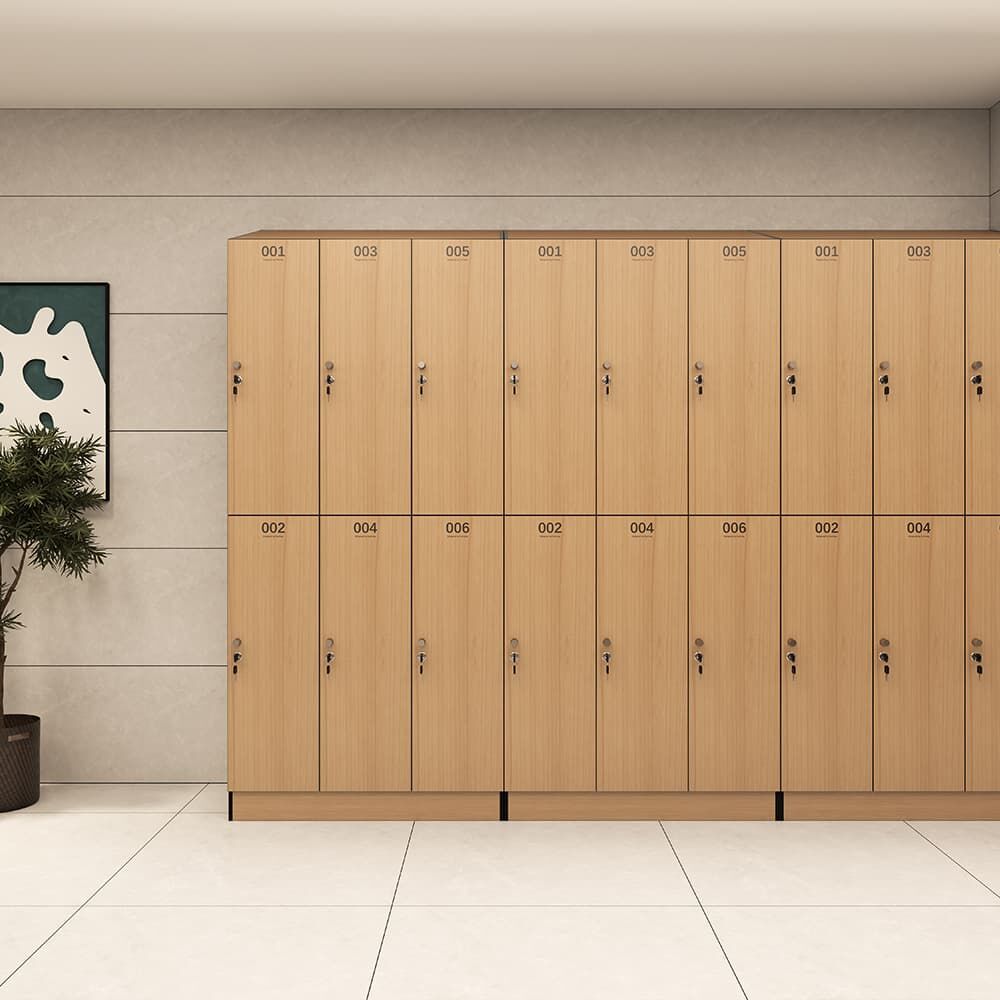
The relationship between workspace organization and employee output is well-established in organizational behavior research. When employees feel that their environment is orderly and that their personal belongings are safe, their cognitive load decreases significantly. Office lockers serve as a fundamental workplace infrastructure component that supports this sense of order, security, and professionalism — directly feeding into both individual productivity and overall operational efficiency across the organization.
The Connection Between Personal Storage and Employee Focus
Reducing Cognitive Clutter Through Organized Storage
Every time an employee has to locate a personal item, decide where to put a bag, or manage overflow belongings on their desk, they experience what psychologists call decision fatigue and attention fragmentation. These micro-interruptions accumulate over a workday and measurably reduce an employee's ability to maintain deep focus on core tasks. Office lockers eliminate this problem by giving every team member a consistent, dedicated storage point that removes personal belongings from the immediate work environment.
When personal items — including bags, jackets, electronics, and documents — have a fixed and secure home in office lockers, employees arrive at their workstation with a clear mental slate. The desk becomes a true work surface rather than a temporary storage zone, allowing for better task immersion and fewer interruptions. This structural benefit is especially significant in open-plan and activity-based working environments where desk space is at an absolute premium.
The psychological concept of environmental mastery also plays a role here. Employees who feel in control of their immediate physical space report higher engagement levels and lower workplace stress. Providing office lockers is a tangible way for employers to demonstrate respect for their team members' need for a clean, controlled work environment.
Eliminating Time Lost to Disorganization
Time lost searching for misplaced items or managing a cluttered personal workspace is not trivial. Studies in workplace behavior consistently show that disorganized environments contribute to time waste that, compounded across a workforce, translates into significant lost productivity. Office lockers reduce this waste by creating a system where belongings are always in one known, secured location.
In environments where hot-desking is practiced, office lockers become even more critical. Without dedicated personal storage, employees in hot-desking setups must carry everything with them or leave belongings in ad hoc locations — both of which create logistical friction and mental overhead that detracts from work readiness. A well-positioned bank of office lockers allows staff to arrive, store their items efficiently, and move directly into productive work mode without unnecessary delay.
How Office Lockers Support Flexible and Hybrid Work Models
Enabling Smooth Transitions in Activity-Based Workplaces
The rise of hybrid work models has fundamentally changed how office space is used. Employees may only be on-site a few days per week, and shared workstations have become the norm across many industries. In this context, office lockers are not a luxury — they are an operational necessity. They provide the one consistent, personal touchpoint that employees have in an otherwise fluid workspace arrangement.
Office lockers in activity-based working environments allow employees to store sensitive documents, personal items, and work materials between office visits without needing to carry everything back and forth. This reduces the physical burden on staff and ensures that critical items are always where they need to be. The locker becomes an employee's anchor point within an office that otherwise offers no fixed personal territory.
For facilities managers, office lockers also simplify space planning. When storage is centralized and structured, workstations can be kept clear and ready for any employee — improving the utilization rate of the workspace and reducing the need for excess desk inventory. This has a direct impact on real estate efficiency and operational cost management.
Supporting Security in Shared and Open Workspaces
Security concerns are a significant productivity drain in open-plan and shared work environments. Employees who are anxious about the safety of their personal belongings, confidential documents, or electronic devices cannot be fully mentally present at work. Office lockers provide a secure containment solution that removes this source of workplace anxiety entirely.
Modern office lockers can be equipped with various locking mechanisms — including key locks, combination locks, electronic keypad access, and even RFID or smart card systems — providing different levels of security appropriate for different workplace contexts. This flexibility ensures that both personal items and sensitive work materials are appropriately protected, allowing employees to operate with confidence and peace of mind throughout the workday.
For organizations that handle regulated or confidential information, having secure office lockers also contributes to compliance with workplace data security policies. Knowing that documents and devices can be safely stored when not in active use reduces the risk of data exposure and supports broader organizational risk management goals.
The Role of Office Lockers in Workspace Design and Efficiency
Maximizing Usable Floor Space Through Vertical Storage
Efficient space utilization is a constant challenge for facilities and operations managers, particularly in urban office environments where real estate costs are high. Office lockers, when thoughtfully specified and positioned, make excellent use of vertical space that would otherwise remain unused. By consolidating personal storage into organized locker banks, organizations free up significant floor area that can be repurposed for collaboration zones, additional workstations, or amenity spaces.
The physical footprint of a properly planned office locker system is far smaller than the collective desk-side storage that individual employees would otherwise improvise. Drawers, under-desk cabinets, and personal filing systems scattered across a floor plan create visual noise and spatial inefficiency. Office lockers consolidate this storage need into a predictable, manageable unit that integrates cleanly into the office layout.
This spatial discipline also has an aesthetic benefit. Workspaces that feature well-designed office lockers communicate a sense of order, professionalism, and organizational investment to both employees and visitors. First impressions matter in client-facing environments, and a clean, organized storage solution contributes meaningfully to the overall presentation of the workplace.
Contributing to a Culture of Professionalism and Employee Wellbeing
Office lockers send a clear organizational message: the company values its employees enough to provide them with dedicated, secure personal space within the workplace. This kind of tangible investment in employee comfort and convenience has a measurable impact on morale, job satisfaction, and retention. When employees feel respected and well-supported in their physical environment, they are more likely to invest their full discretionary effort into their work.
The presence of office lockers also supports wellbeing initiatives that many organizations are actively promoting. Employees who use the office gym, cycle to work, or engage in outdoor activities during lunch breaks need a place to store gym bags, cycling gear, and change of clothing. Office lockers accommodate this need seamlessly, removing a practical barrier to healthy workplace behavior and contributing to a more active, engaged workforce.
Beyond functional wellbeing, the design quality of office lockers matters. High-pressure laminate (HPL) locker systems, for example, offer a wide range of color and finish options that can be coordinated with the overall office interior design scheme. When office lockers look attractive and intentional within the space, they reinforce the organization's commitment to a high-quality work environment rather than feeling like an afterthought.
Selecting the Right Office Lockers for Maximum Productivity Impact
Matching Locker Configuration to Workforce Needs
Not all office lockers are equal in their productivity impact. The effectiveness of a locker system depends heavily on how well its configuration matches the actual storage needs of the workforce. A full-height locker may be ideal for employees who need to store full-length garments or large bags, while half-height or quarter-height office lockers may be more appropriate for environments where employees primarily need to secure small personal items, documents, or tablets.
Understanding usage patterns before specifying office lockers is essential. Facilities managers should assess what employees typically bring to the office, whether the workforce is predominantly sedentary or mobile throughout the day, and whether any teams have specific compliance or security requirements. This needs-assessment process ensures that the locker system genuinely serves productivity goals rather than simply adding storage capacity without addressing the real workflow challenges.
Modular and customizable office lockers offer the greatest long-term value because they can be reconfigured as the organization's workforce composition and work style evolve. Investing in adaptable systems means the initial infrastructure investment continues to deliver productivity and efficiency benefits even as the business grows or restructures its working model.
Durability and Maintenance Considerations for Long-Term Efficiency
A productive workspace requires infrastructure that remains functional and presentable over time without demanding constant maintenance attention. Office lockers fabricated from durable materials such as high-pressure laminate offer excellent resistance to scratches, moisture, and daily wear — ensuring that the locker system continues to look and function well for years without significant upkeep costs.
Low-maintenance office lockers reduce the operational burden on facilities teams, who can focus their attention on higher-value tasks rather than reactive locker repairs or replacements. This has an indirect but real productivity benefit for the organization as a whole. Locker systems that are consistently clean, functional, and presentable also sustain the positive environmental signals that support employee focus and morale over the long term.
When evaluating office lockers, decision-makers should consider not just the upfront specification cost but the total cost of ownership — factoring in durability, locking mechanism reliability, surface finish resilience, and the availability of spare parts or service support. High-quality office lockers represent a long-term investment in workspace efficiency rather than a short-term expenditure.
FAQ
How do office lockers directly improve employee productivity?
Office lockers improve productivity by eliminating time wasted searching for belongings, reducing desk clutter that fragments attention, and removing security anxiety that prevents employees from fully focusing on their work. When personal storage is organized, secure, and accessible, employees can engage with their core responsibilities without the cognitive overhead of managing their physical environment.
Are office lockers suitable for hot-desking and hybrid work environments?
Yes, office lockers are especially valuable in hot-desking and hybrid work environments. They provide employees with a personal anchor point in an otherwise unassigned workspace, allowing individuals to store belongings, sensitive documents, and work materials securely between office visits. This reduces logistical friction and makes the transition into a productive working state faster and smoother each time an employee comes into the office.
What locker materials are best for a professional office environment?
High-pressure laminate (HPL) is widely regarded as an excellent material choice for office lockers in professional environments. HPL surfaces are durable, scratch-resistant, moisture-resistant, and available in a wide variety of colors and finishes that can complement modern office interior design. This combination of durability and aesthetic flexibility makes HPL office lockers a practical, long-lasting, and visually professional storage solution.
How many office lockers does an organization typically need?
The appropriate number of office lockers depends on workforce size, attendance patterns, and the nature of the working model. In fully assigned seating environments, a one-to-one ratio of lockers to employees is common. In hot-desking or hybrid setups, a ratio of one locker for every one to two employees may be sufficient, reflecting the fact that not all staff are on-site simultaneously. A thorough needs assessment based on actual occupancy data will produce the most accurate and cost-effective specification.