EN
EN


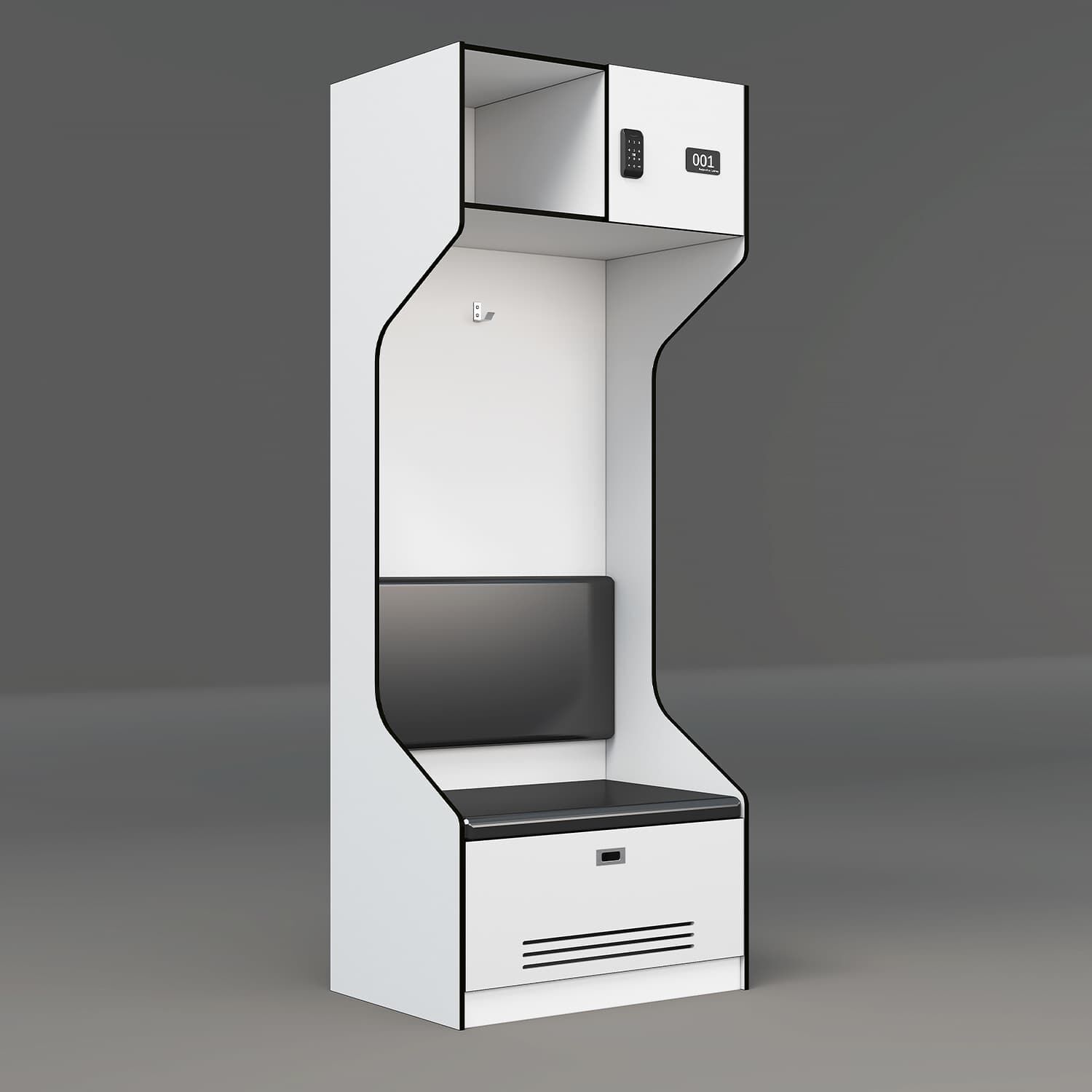
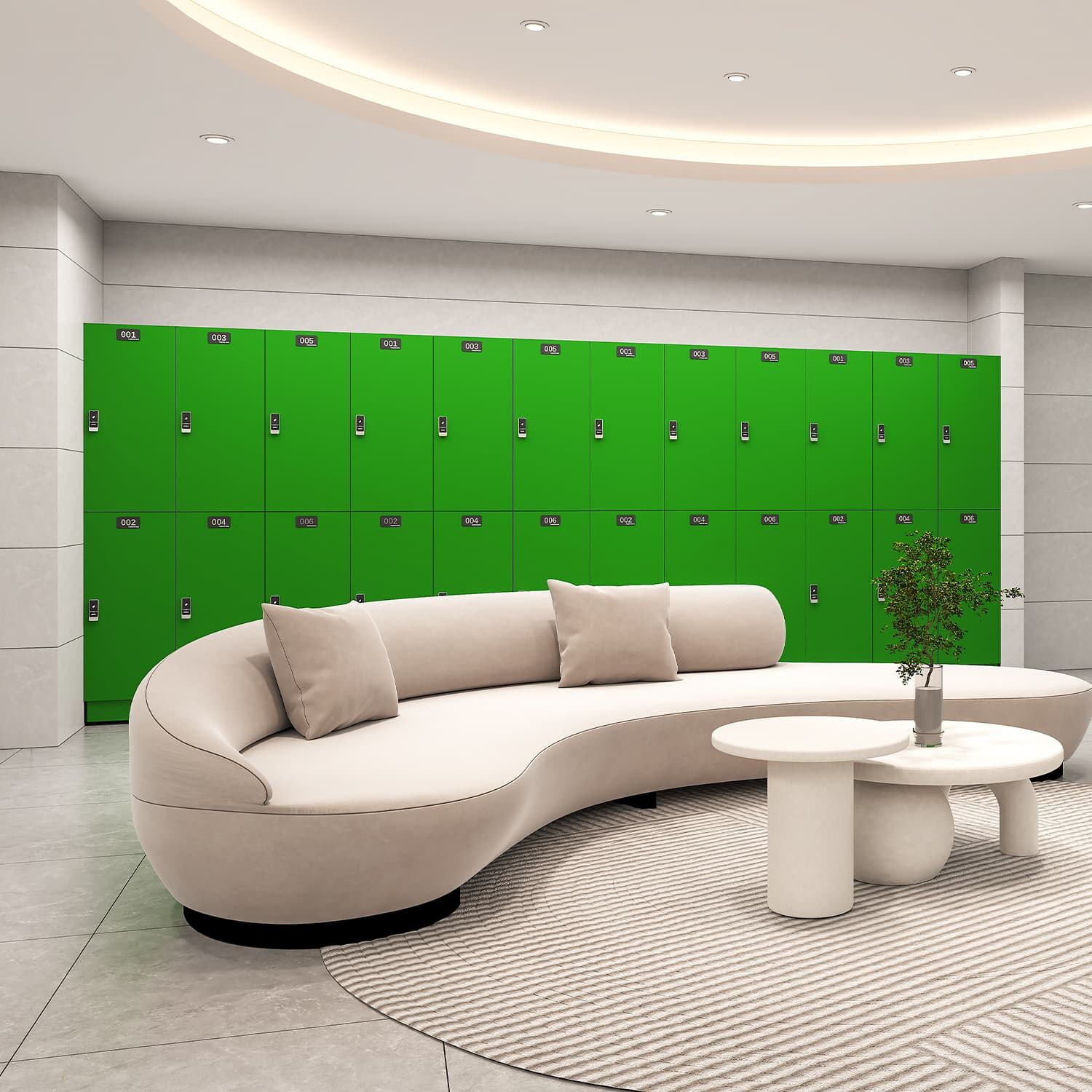
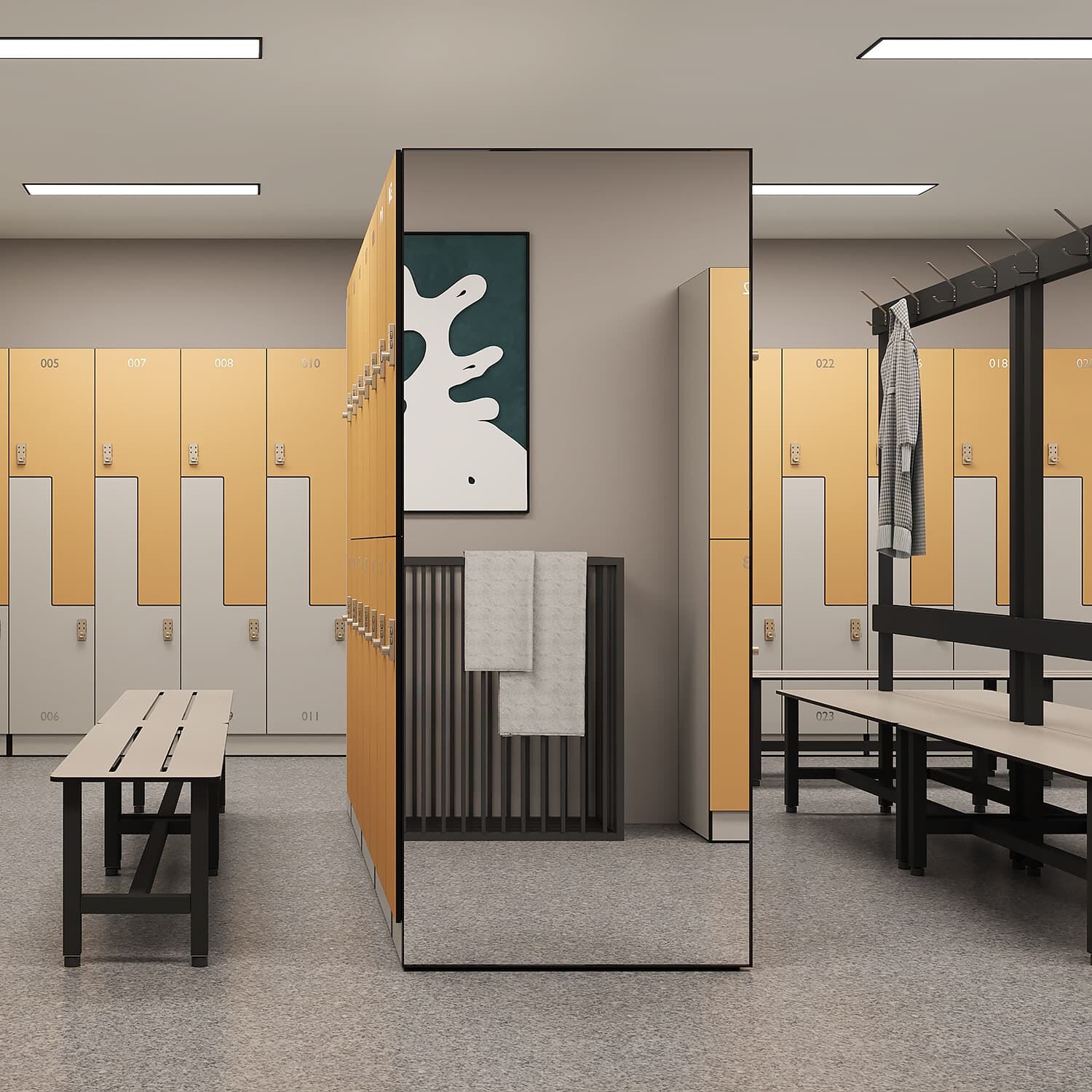
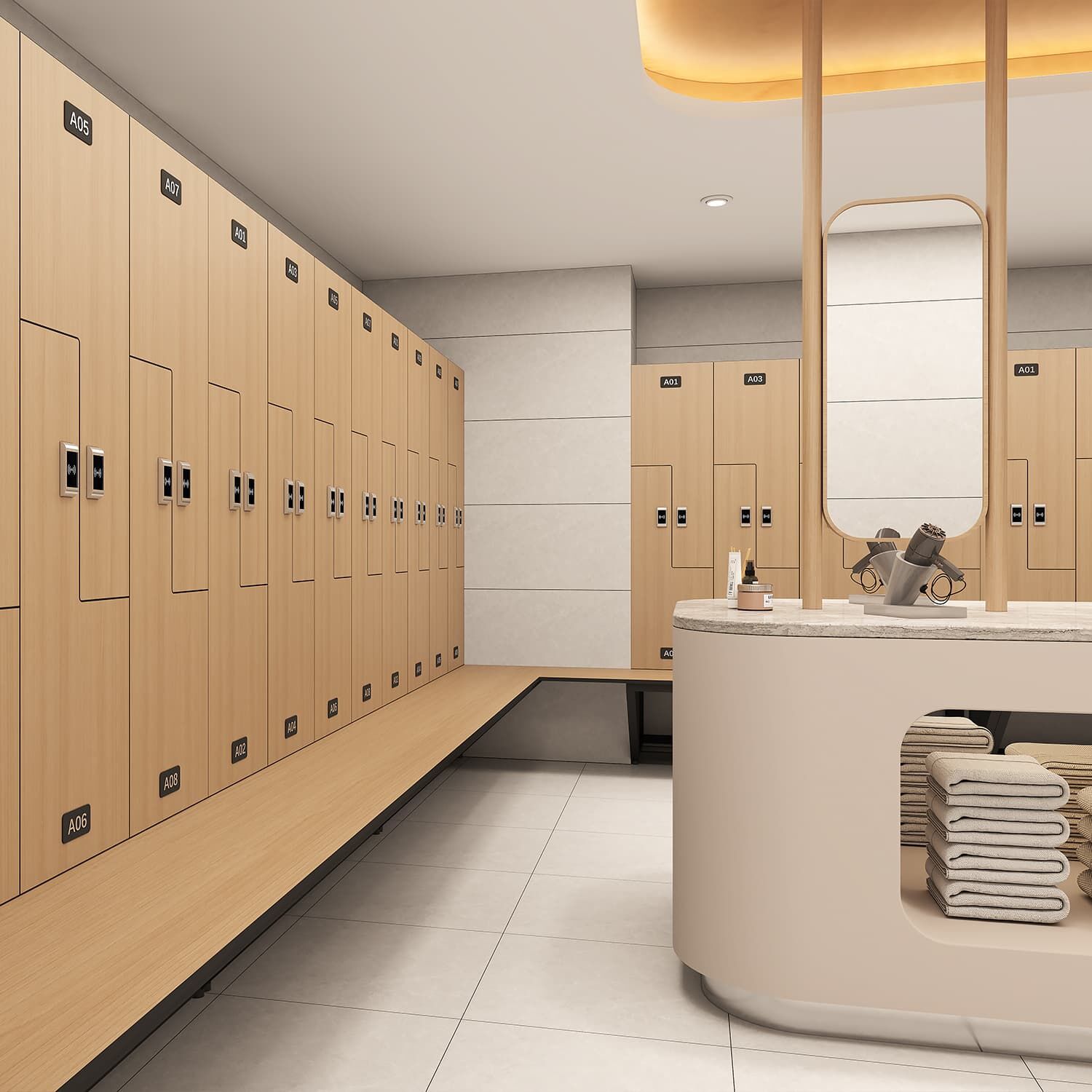
Facilities face a critical decision point when selecting locker systems that must withstand demanding environments while maintaining functionality and aesthetics. The choice between traditional materials and advanced solutions like phenolic lockers often determines long-term operational costs, maintenance requirements, and user satisfaction. Understanding the specific conditions and circumstances that make phenolic lockers the optimal choice requires careful evaluation of environmental factors, usage patterns, and facility requirements.
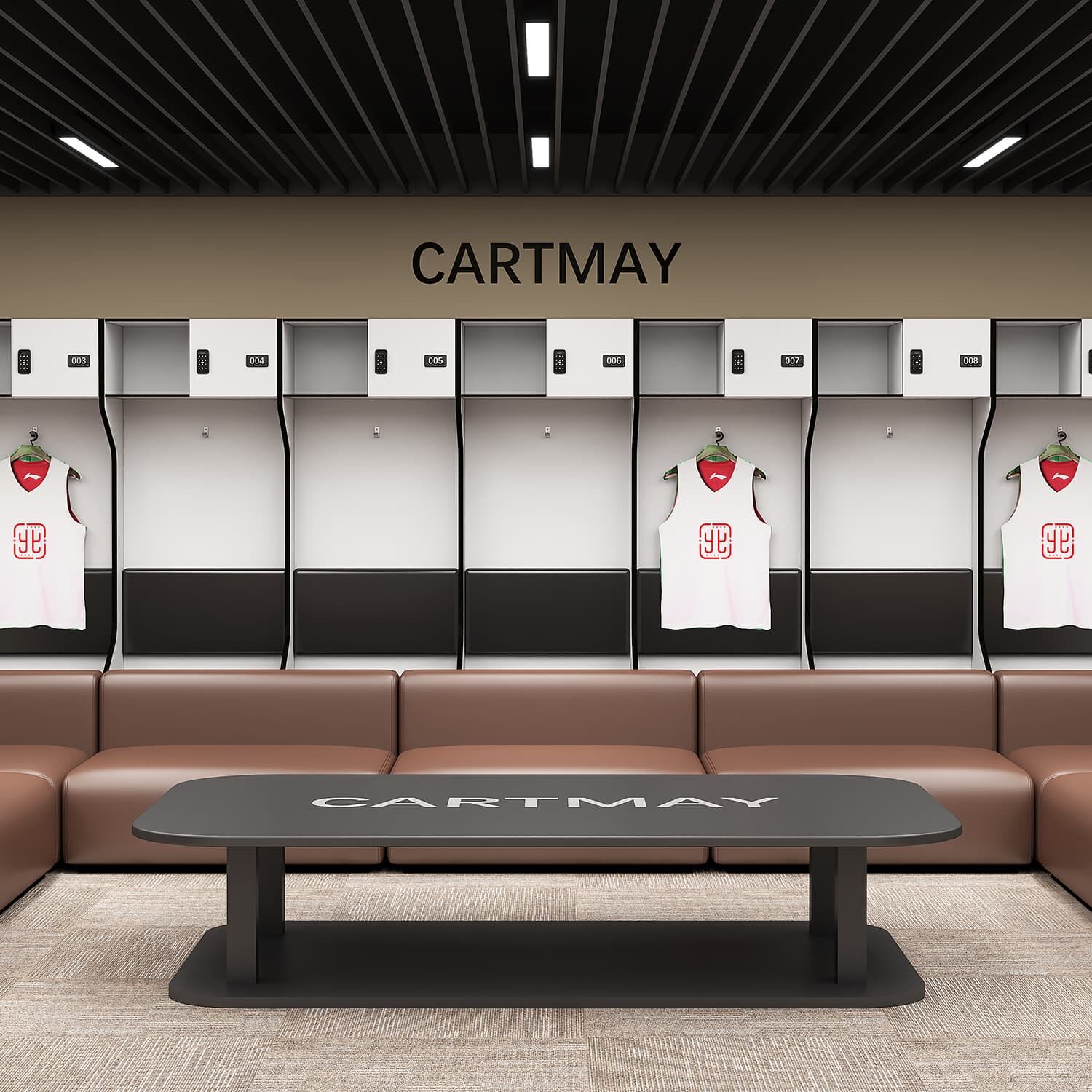
Phenolic lockers represent a premium storage solution engineered for facilities where conventional locker materials fall short. These high-pressure laminate storage units are constructed using layers of kraft paper and phenolic resin, creating a non-porous, moisture-resistant surface that excels in challenging environments. The decision to invest in phenolic lockers typically emerges when facilities experience recurring issues with traditional metal or wood lockers, encounter specific regulatory requirements, or operate in environments where durability and hygiene are paramount concerns.
Critical Environmental Conditions That Demand Phenolic Lockers
High Moisture and Humidity Environments
Facilities should prioritize phenolic lockers when operating in environments with consistent moisture exposure or high humidity levels exceeding 60 percent relative humidity. Swimming pools, aquatic centers, and spa facilities represent prime candidates for phenolic lockers due to their exceptional moisture resistance properties. Unlike metal lockers that rust or wood lockers that warp and deteriorate, phenolic lockers maintain structural integrity and aesthetic appeal in these challenging conditions.
Healthcare facilities with steam sterilization areas, commercial kitchens with frequent washdowns, and industrial facilities with high humidity processes should consider phenolic lockers as their primary storage solution. The non-porous surface of phenolic lockers prevents moisture absorption, eliminating the growth environment for mold, mildew, and bacteria that commonly plague traditional locker materials in humid conditions.
Chemical Exposure and Corrosive Environments
Chemical resistance becomes a decisive factor when facilities regularly handle cleaning chemicals, industrial solvents, or corrosive substances. Phenolic lockers demonstrate superior chemical resistance compared to painted metal or laminated wood alternatives, making them essential for laboratories, chemical processing plants, and medical facilities that require frequent disinfection with harsh chemicals.
The timing for choosing phenolic lockers often coincides with facilities experiencing premature failure of conventional lockers due to chemical damage. Food processing facilities that use strong sanitizers, pharmaceutical companies with cleanroom requirements, and educational institutions with science laboratories should evaluate phenolic lockers when planning new installations or replacing damaged units.
Usage Intensity and Durability Requirements
High-Traffic Commercial Applications
Facilities experiencing heavy daily usage patterns should consider phenolic lockers when traditional options show signs of wear, damage, or frequent maintenance requirements. Corporate fitness centers, public recreation facilities, and educational institutions with thousands of daily users benefit significantly from the enhanced durability that phenolic lockers provide. The solid core construction resists denting, scratching, and impact damage that commonly occurs in high-traffic environments.
The decision point often arrives when facilities calculate the total cost of ownership over a 10-year period. While phenolic lockers require higher initial investment, their extended lifespan and minimal maintenance requirements typically justify the expense in high-usage scenarios. Facilities processing more than 500 daily locker uses should seriously evaluate phenolic lockers as a long-term investment strategy.
Security and Vandalism Concerns
Security considerations drive phenolic locker selection when facilities face ongoing issues with vandalism, forced entry, or theft. The solid construction and tamper-resistant properties of phenolic lockers make them ideal for public facilities, schools in challenging areas, and workplace environments where security concerns exist. Unlike hollow metal lockers that can be easily compromised, phenolic lockers provide enhanced protection for stored items.
Facilities should choose phenolic lockers when experiencing recurring costs related to vandalism repair or replacement. The investment in phenolic lockers often pays for itself through reduced security incidents and eliminated replacement costs associated with damaged conventional lockers.
Regulatory and Hygiene Requirements
Healthcare and Medical Facility Standards
Healthcare facilities must prioritize phenolic lockers when infection control protocols demand non-porous surfaces that can withstand frequent disinfection. Hospitals, clinics, and medical offices choosing phenolic lockers benefit from surfaces that prevent bacterial growth and can be thoroughly sanitized without degradation.
The timing for phenolic locker selection in healthcare often aligns with facility renovations, regulatory compliance updates, or infection control improvement initiatives. Medical facilities planning staff changing areas, patient storage zones, or clean room environments should specify phenolic lockers to meet stringent hygiene requirements and support accreditation standards.
Food Service and Processing Compliance
Food service facilities face specific timing considerations when selecting phenolic lockers to maintain HACCP compliance and food safety standards. Commercial kitchens, food processing plants, and institutional dining facilities should choose phenolic lockers when establishing or upgrading employee changing areas where food contamination risks must be minimized.
The non-absorbent properties of phenolic lockers prevent odor retention and cross-contamination, making them essential for facilities where food safety regulations require cleanable surfaces in employee areas. Facilities planning health department inspections or seeking food safety certifications should prioritize phenolic lockers as part of their compliance strategy.
Cost-Benefit Analysis and Investment Timing
Life Cycle Cost Considerations
Facilities should evaluate phenolic lockers when conducting comprehensive life cycle cost analysis that extends beyond initial purchase price. The decision timing often coincides with capital improvement budgeting cycles where facilities can justify higher upfront costs through reduced maintenance expenses and extended replacement intervals. Phenolic lockers typically offer 15-20 year service life compared to 5-10 years for conventional alternatives.
Budget planning cycles represent optimal timing for phenolic locker consideration, particularly when facilities can demonstrate cost savings through reduced maintenance labor, eliminated rust treatment, and decreased replacement frequency. Facilities managing multiple locations often choose phenolic lockers when standardizing specifications across their portfolio to reduce long-term operational complexity.
Renovation and New Construction Opportunities
New construction and major renovation projects provide ideal timing for phenolic locker specification, allowing facilities to incorporate premium storage solutions into overall project budgets. Design teams should recommend phenolic lockers during the planning phase when construction budgets can accommodate the investment and installation can be optimized for efficiency.
Facilities undergoing LEED certification or seeking sustainable building recognition should consider phenolic lockers for their environmental benefits, including recyclable materials and reduced replacement frequency. The timing aligns perfectly with green building initiatives and sustainability goals that justify premium material investments.
Industry-Specific Decision Factors
Educational Institution Requirements
Educational facilities should choose phenolic lockers when addressing ongoing maintenance challenges, security concerns, or hygiene requirements in student changing areas. Schools experiencing high vandalism costs, frequent locker replacements, or parent complaints about locker conditions benefit significantly from upgrading to phenolic lockers. The decision often coincides with facility modernization programs or security improvement initiatives.
Universities and colleges with recreational facilities, dormitory common areas, or athletic departments frequently select phenolic lockers when planning facility upgrades or addressing student satisfaction issues. The enhanced durability and aesthetic appeal of phenolic lockers support institutional quality standards while reducing long-term maintenance burdens on facility management teams.
Corporate and Workplace Applications
Corporate facilities should consider phenolic lockers when establishing premium employee amenities, implementing workplace wellness programs, or addressing executive-level storage requirements. The professional appearance and superior functionality of phenolic lockers align with corporate image standards and employee satisfaction initiatives. Companies investing in employee retention strategies often choose phenolic lockers as part of comprehensive workplace improvement programs.
Manufacturing and industrial facilities benefit from phenolic lockers when operating in environments where traditional materials fail due to temperature fluctuations, chemical exposure, or heavy usage patterns. The decision timing often aligns with production facility expansions, safety compliance updates, or employee facility improvements that require durable storage solutions.
FAQ
How long do phenolic lockers typically last compared to metal lockers?
Phenolic lockers typically provide 15-20 years of service life in normal conditions, significantly exceeding the 5-10 year lifespan of standard metal lockers. In challenging environments with high moisture, chemical exposure, or heavy usage, the lifespan advantage becomes even more pronounced, with phenolic lockers maintaining functionality and appearance while metal alternatives deteriorate rapidly.
Are phenolic lockers worth the higher initial investment for small facilities?
Small facilities can justify phenolic lockers when they experience specific environmental challenges, high usage intensity, or frequent maintenance issues with conventional lockers. While the initial investment is higher, facilities with 20 or more lockers typically see return on investment within 7-10 years through reduced maintenance costs and eliminated replacement expenses, making phenolic lockers financially viable for smaller operations.
Can phenolic lockers be installed in existing facilities without major renovations?
Phenolic lockers can be installed in most existing facilities using standard mounting methods and electrical connections for locking systems. The installation process typically requires minimal facility modifications, making them suitable for retrofit projects where facilities want to upgrade storage quality without extensive construction work. Professional installation ensures proper mounting and optimal performance in existing spaces.
What maintenance requirements do phenolic lockers have compared to other materials?
Phenolic lockers require minimal maintenance beyond routine cleaning with standard disinfectants or mild cleaning solutions. Unlike metal lockers that need rust treatment and repainting, or wood lockers requiring periodic refinishing, phenolic lockers maintain their appearance and functionality with simple cleaning protocols. This low maintenance requirement makes them particularly attractive for facilities with limited maintenance resources or staff.
Table of Contents
- Critical Environmental Conditions That Demand Phenolic Lockers
- Usage Intensity and Durability Requirements
- Regulatory and Hygiene Requirements
- Cost-Benefit Analysis and Investment Timing
- Industry-Specific Decision Factors
-
FAQ
- How long do phenolic lockers typically last compared to metal lockers?
- Are phenolic lockers worth the higher initial investment for small facilities?
- Can phenolic lockers be installed in existing facilities without major renovations?
- What maintenance requirements do phenolic lockers have compared to other materials?