EN
EN


In the world of facility management and interior design, choosing the right storage solution is a balance between aesthetics, durability, and cost-effectiveness. Phenolic lockers have emerged as the premier choice for demanding environments, offering a level of resilience that traditional metal or plastic alternatives simply cannot match. Whether you are outfitting a high-end fitness center or a rigorous industrial facility, understanding the nuances of these lockers is essential for a successful long-term investment.
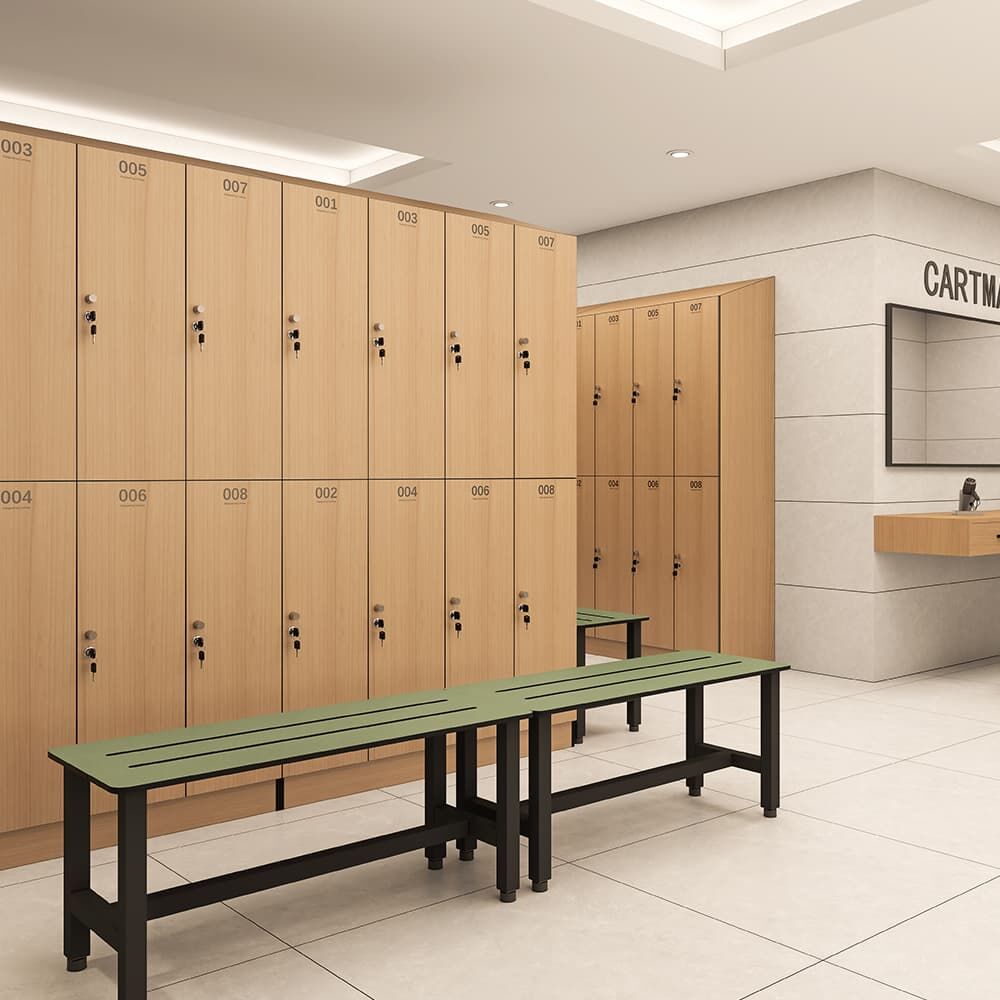
Phenolic material is a high-pressure structural laminate (HPL) manufactured by layering kraft papers impregnated with phenolic resin, topped with a decorative surface, and fused under intense heat and pressure. The result is a solid, non-porous material that is virtually indestructible. As you explore the options for your facility, this guide will walk you through the critical considerations to ensure your phenolic lockers meet your specific operational needs.
1. Assessing Durability and Environmental Resistance
The primary reason buyers pivot toward phenolic lockers is their unmatched resistance to harsh environments. Unlike metal lockers, which are prone to oxidation and rust when exposed to moisture, phenolic resin is naturally waterproof. This makes them the gold standard for "wet areas" such as swimming pool changing rooms, saunas, and coastal facilities where salt air can be corrosive.
Beyond moisture, you must consider physical impact. In high-traffic environments like schools or public transit hubs, lockers are often subjected to heavy use and occasional vandalism. Phenolic panels are impact-resistant and do not dent or delaminate. Furthermore, the non-porous surface is graffiti-resistant; most permanent markers and paints can be removed with standard cleaning agents without damaging the finish. When evaluating suppliers, ensure the panels meet international standards for scratch and impact resistance to guarantee the longevity of your installation.
2. Aesthetics and Customization Options
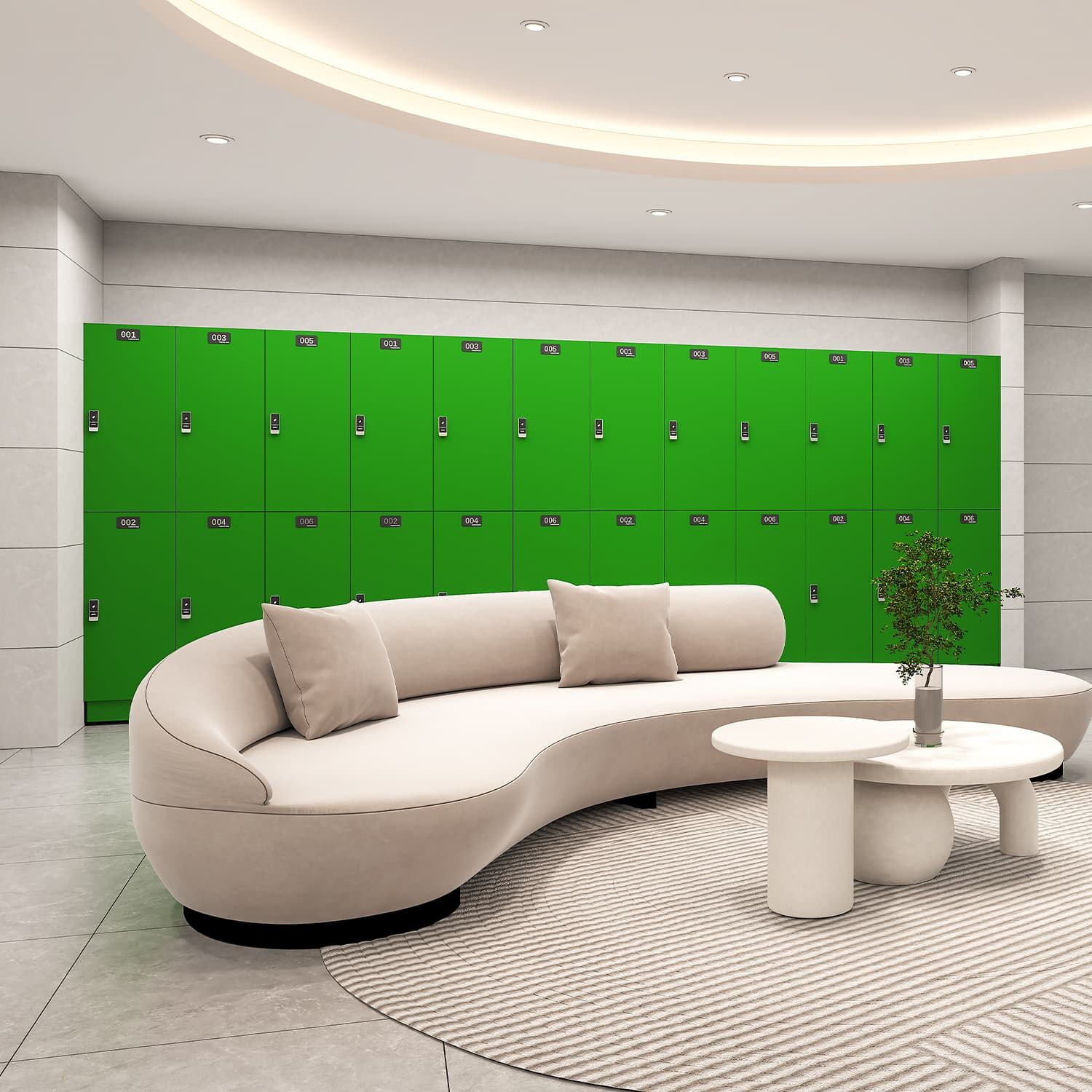
While functionality is paramount, the visual appeal of your facility plays a significant role in user satisfaction. Phenolic lockers offer an extensive range of design possibilities that allow them to blend seamlessly into modern architectural themes. Because the decorative layer is part of the pressurized manufacturing process, you aren't limited to the "industrial grey" of the past.
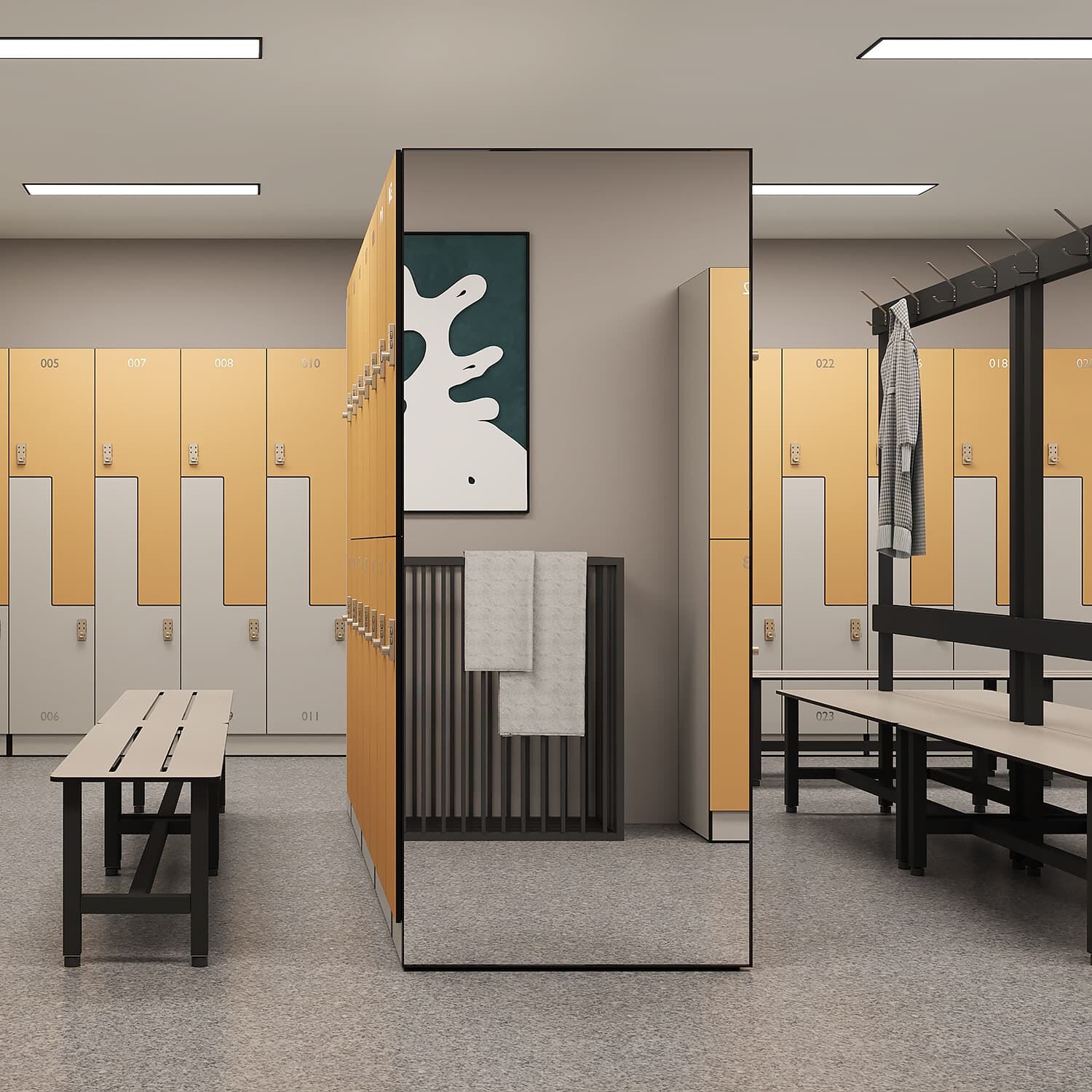
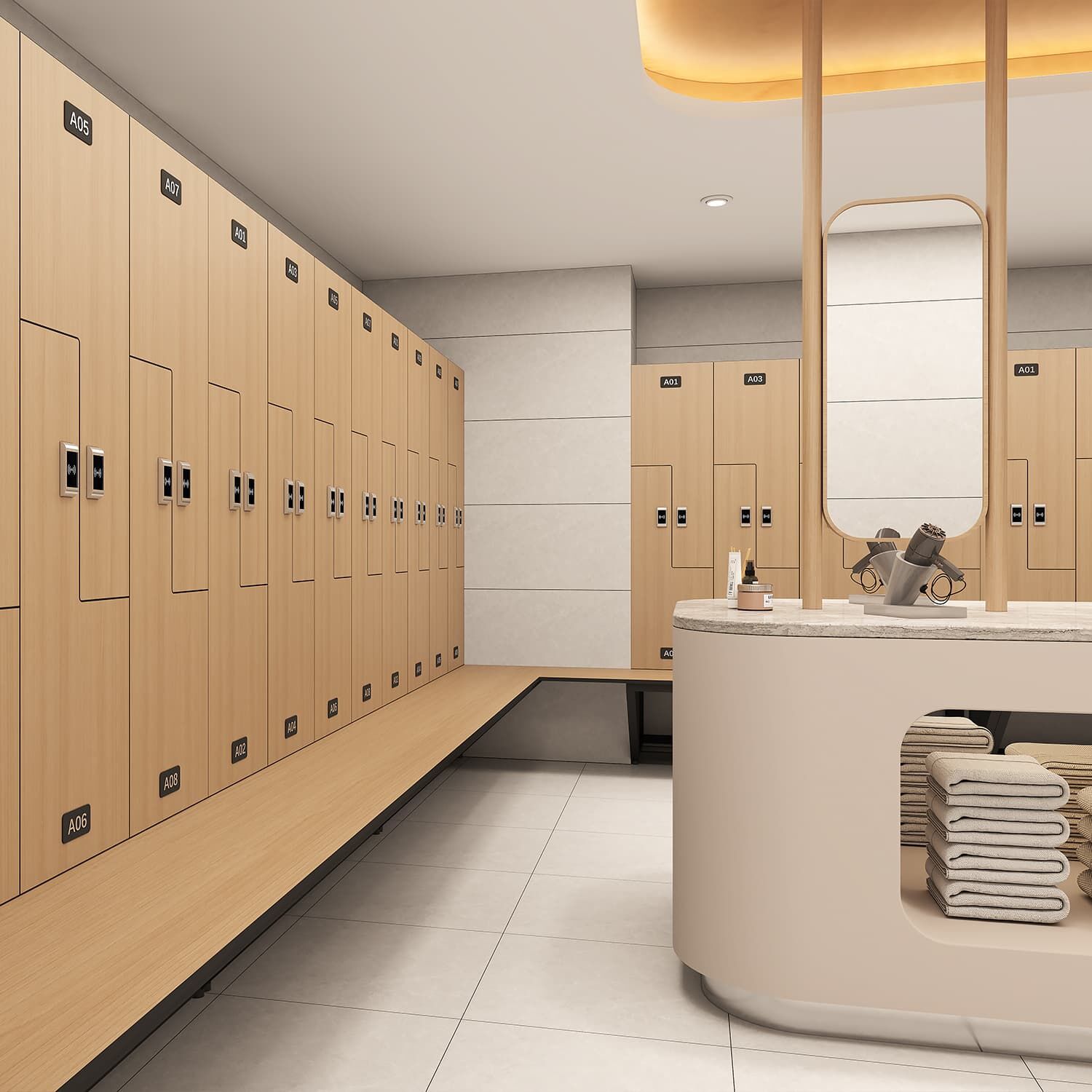
Buyers can choose from a vast spectrum of solid colors, wood grains, and stone textures. This versatility allows architects to design locker rooms that feel more like a luxury lounge than a utility space. Additionally, the edges of the phenolic panels can be machined to various profiles, and the core—usually black or brown—can be left exposed to provide a sleek, contemporary contrast to the surface color. This level of customization ensures that your storage solutions contribute to the overall brand identity of your business.
3. Configuration and Spatial Efficiency
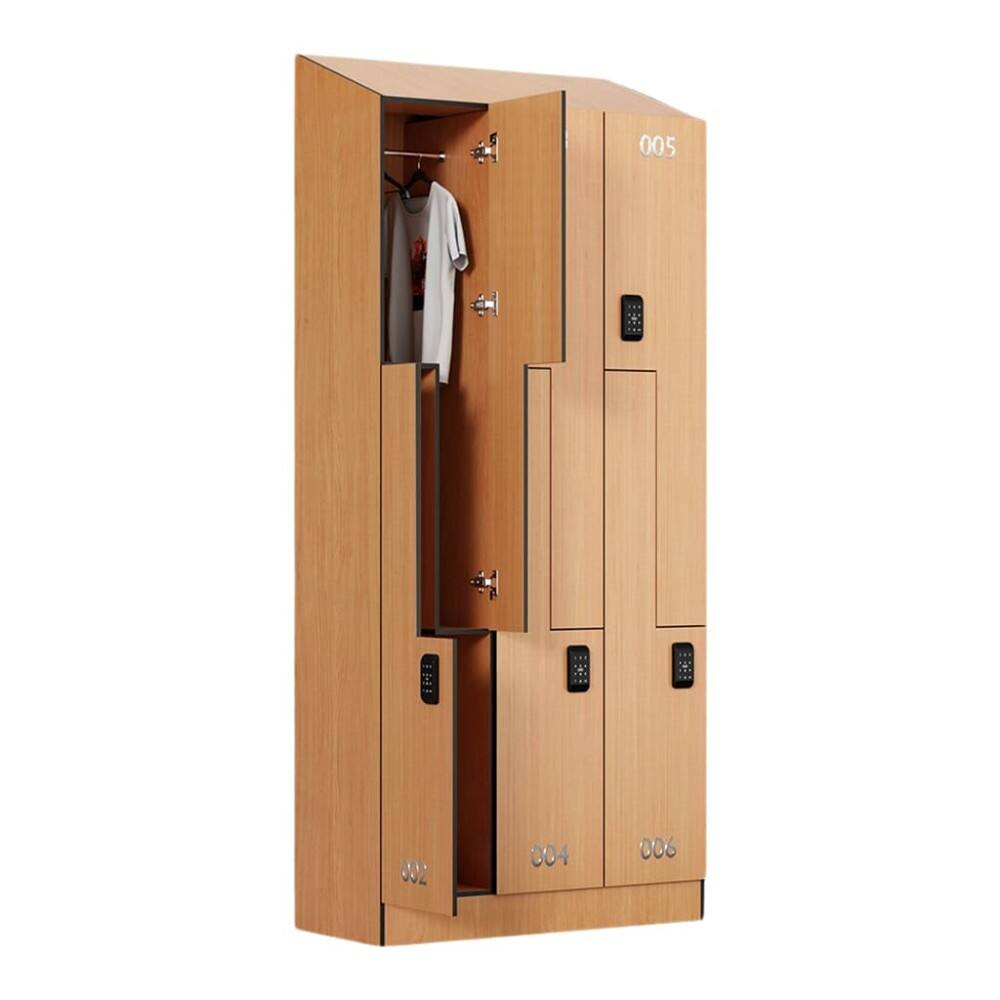
The layout of your locker room is a puzzle of ergonomics and capacity. Phenolic units are highly modular, allowing for various "tier" configurations. Depending on your user demographic, you may need "Z-lockers" (two-tier lockers shaped like the letter Z) which provide hanging space for long coats while maximizing the number of units in a small footprint.
Consider the depth and width of the units based on what users will store. Gym users might only need space for a small bag and shoes, while industrial workers may require wider units for bulky safety gear and helmets. Because phenolic material is incredibly strong even in thinner profiles, these lockers often provide more internal storage space relative to their external footprint compared to bulky plastic molded alternatives.
4. Hardware and Locking Mechanisms
A locker is only as secure as its hardware. When purchasing phenolic lockers, pay close attention to the hinges and locking systems. High-quality phenolic units usually feature "heavy-duty" stainless steel hinges that are through-bolted to the panels. This prevents the doors from sagging over time—a common failure point in cheaper locker varieties.
The choice of lock should be dictated by your management style. For memberships or workplaces where users have assigned lockers, traditional key or combination padlocks are standard. However, for high-turnover public spaces, digital keypads or RFID (Radio Frequency Identification) locks are becoming the industry norm. These electronic systems integrate well with the solid structure of phenolic panels, providing a flush, high-tech finish that enhances both security and user experience.
5. Maintenance and Hygiene Standards
In the post-pandemic era, hygiene has moved to the forefront of facility requirements. Phenolic material is naturally antimicrobial and does not support the growth of mold, mildew, or bacteria. This is a critical factor for healthcare facilities, laboratories, and food processing plants where sanitation is non-negotiable.
Maintenance for these lockers is remarkably low-effort. Because they are waterproof, they can be hosed down or steam-cleaned without risk of swelling or warping. The absence of seams or "pockets" in the solid laminate material means there are fewer places for dust and grime to accumulate. For facility managers, this translates to lower labor costs for cleaning and a locker room that remains "like new" for decades.
Technical Specifications Comparison
To help you visualize where phenolic stands against other common materials, refer to the table below:
| Feature | Phenolic Lockers | Steel Lockers | Plastic (HDPE) Lockers |
| Moisture Resistance | Excellent (Waterproof) | Poor (Prone to Rust) | Excellent |
| Impact Strength | Very High | Medium (Dents easily) | High (May warp) |
| Fire Rating | Typically Class A or B | Non-combustible | Varies (often flammable) |
| Customization | High (Colors/Textures) | Low (Paint only) | Moderate (Solid colors) |
| Maintenance | Minimal | High (Painting/Rust prep) | Low |
| Typical Lifespan | 20+ Years | 5-10 Years | 10-15 Years |
6. Fire Safety and Compliance
Safety regulations are a vital consideration for any commercial interior. Most high-quality phenolic panels are fire-rated. It is important to check whether the lockers you are considering meet local building codes, such as NFPA (National Fire Protection Association) standards in the US or similar Euroclass ratings. Phenolic is naturally fire-retardant and, unlike some plastics, does not melt or drip when exposed to high temperatures, which can be a life-saving distinction during an emergency evacuation.
Frequently Asked Questions (FAQ)
Are phenolic lockers worth the higher initial cost?
Yes. While the upfront investment is higher than steel, the total cost of ownership is significantly lower. Because they do not rust, dent, or require repainting, you save on replacement and maintenance costs over a 20-year period.
Can phenolic lockers be used outdoors?
While phenolic is waterproof, prolonged exposure to direct UV rays can cause the decorative colors to fade over several years. If using them outdoors, it is best to place them under a canopy or specify UV-resistant exterior grade laminate.
How do I clean graffiti off a phenolic surface?
Since the surface is non-porous, you can use specialized graffiti removers, acetone, or even simple mineral spirits without damaging the panel. Always test a small inconspicuous area first, but generally, phenolic is the most "vandal-proof" material available.
Are these lockers environmentally friendly?
Many phenolic manufacturers use sustainable wood fibers and resins that do not emit VOCs (Volatile Organic Compounds). They often contribute to LEED certification points for green building projects due to their durability and low chemical emissions.
What is the standard thickness for phenolic locker doors?
The industry standard for doors is typically 1/2 inch (13mm), while the body panels (tops, bottoms, and dividers) are usually 3/8 inch (10mm) or 1/2 inch depending on the structural requirements.
Conclusion
Selecting the right storage for your facility is a decision that impacts user experience and your bottom line for years to come. Phenolic lockers represent the pinnacle of durability and design flexibility. By considering environmental factors, hardware quality, and maintenance needs, you can ensure that your locker room remains a functional and attractive asset to your building. Whether it is the humidity of a spa or the high-energy environment of a secondary school, phenolic resin stands up to the challenge where other materials fail.
Table of Contents
- 1. Assessing Durability and Environmental Resistance
- 2. Aesthetics and Customization Options
- 3. Configuration and Spatial Efficiency
- 4. Hardware and Locking Mechanisms
- 5. Maintenance and Hygiene Standards
- Technical Specifications Comparison
- 6. Fire Safety and Compliance
- Frequently Asked Questions (FAQ)
- Conclusion