Mini Locker Storage Solutions: Secure, Space-Efficient Personal Storage Systems

Get a Free Quote

Our representative will contact you soon.
Email
Name
Message
0/1000

mini locker storage

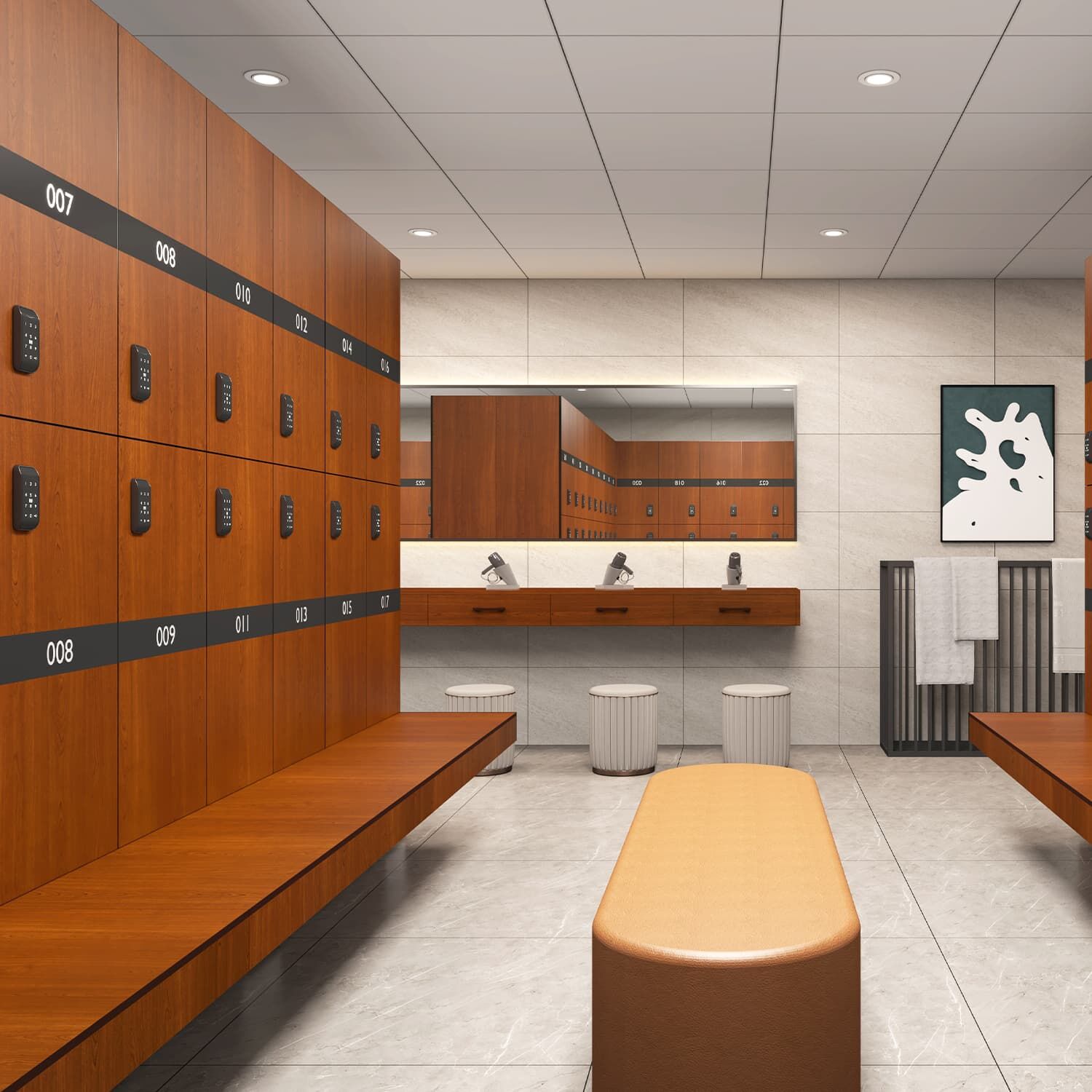
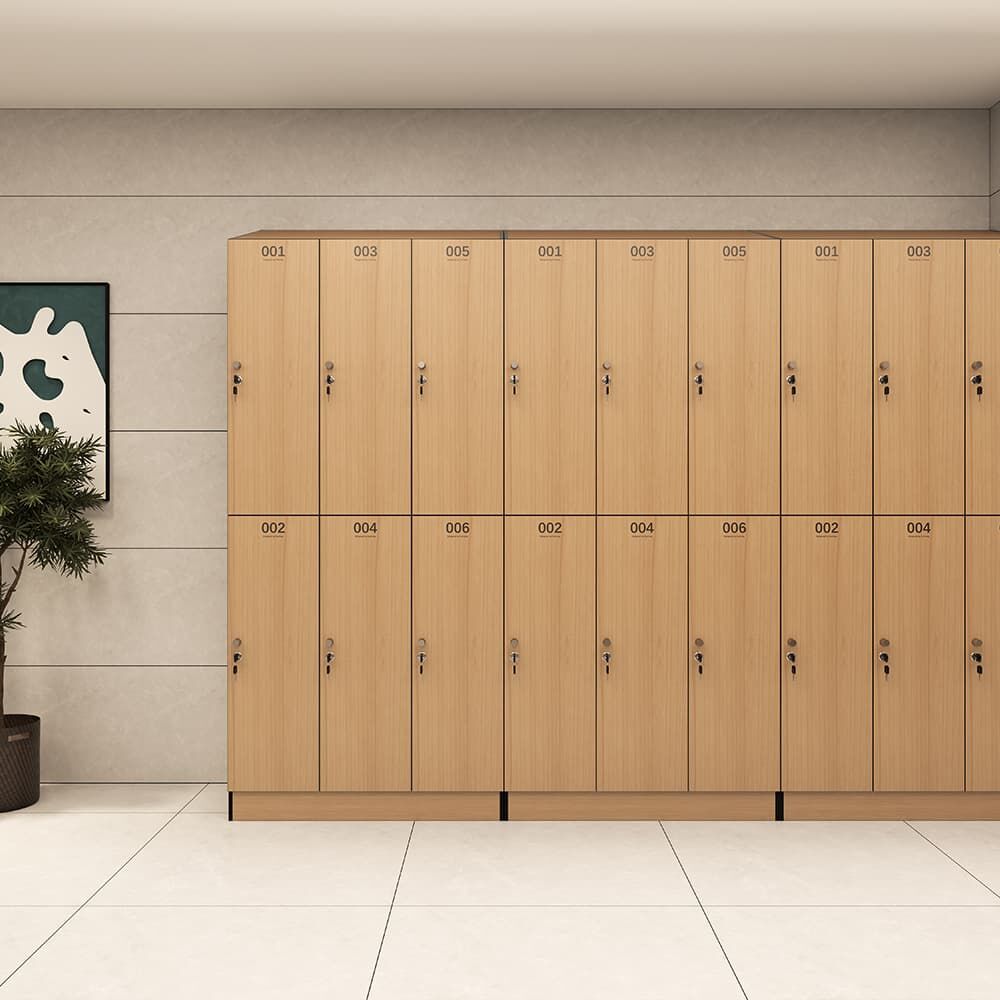
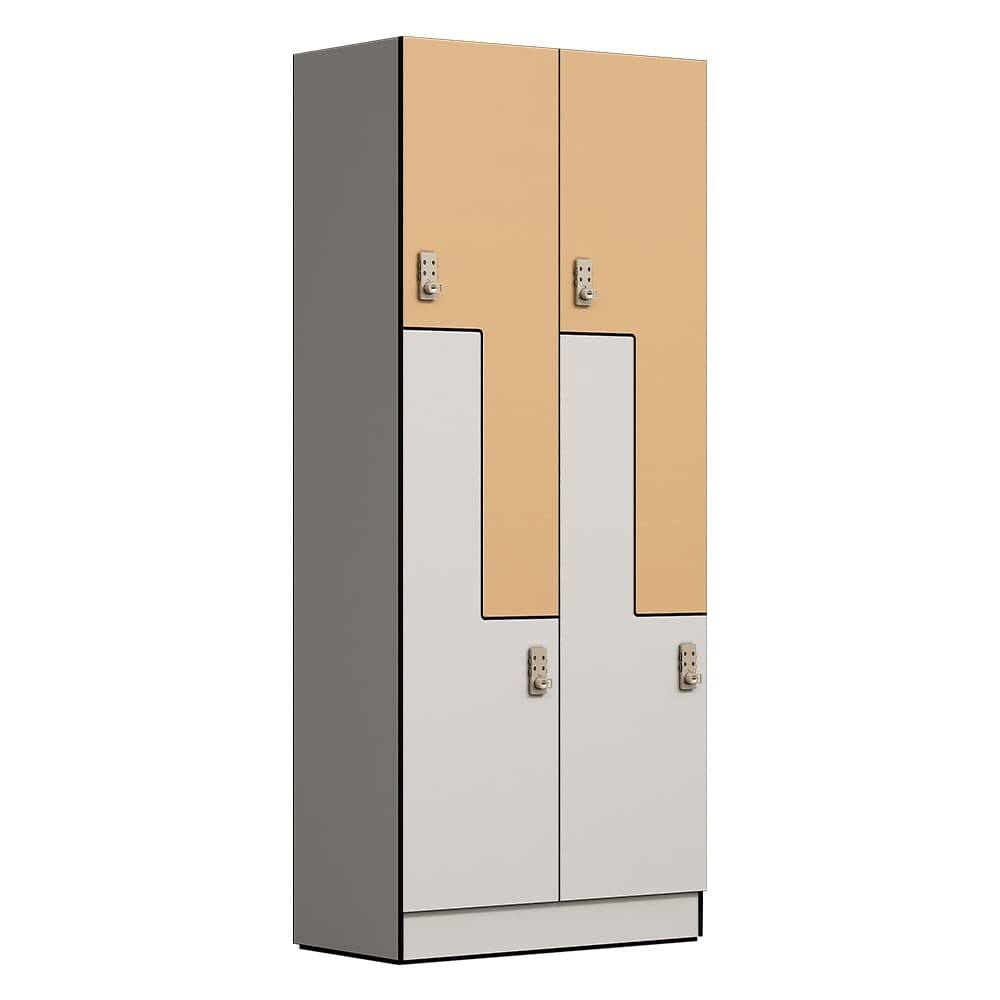
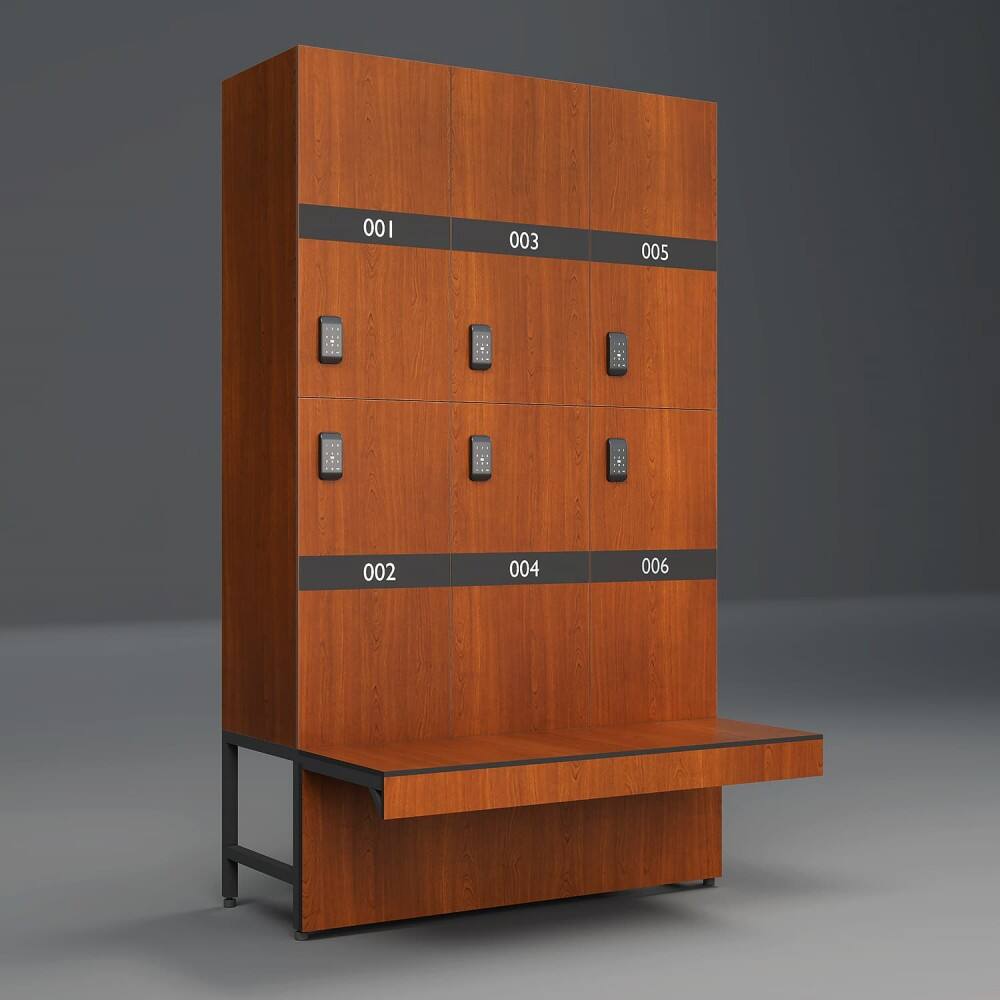
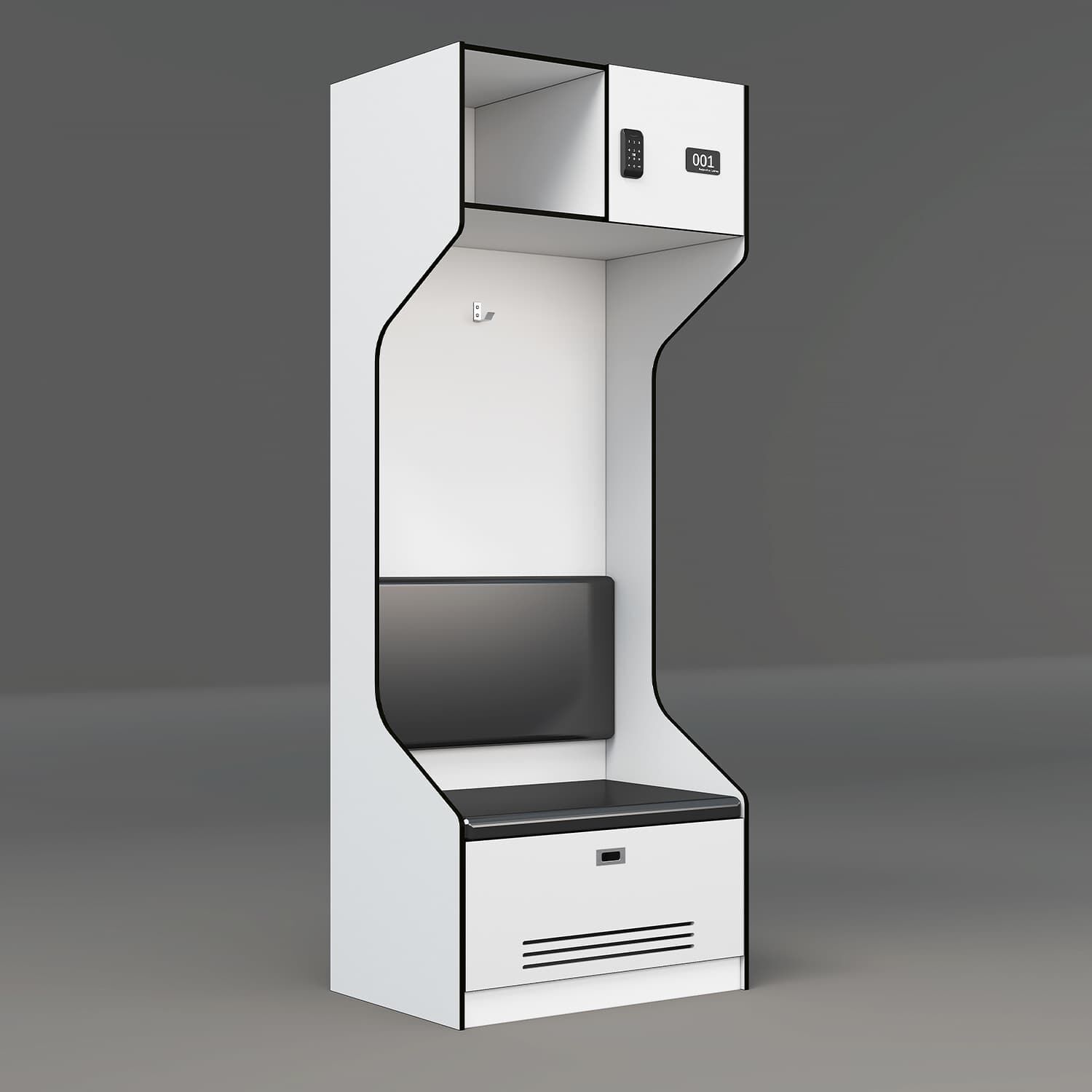
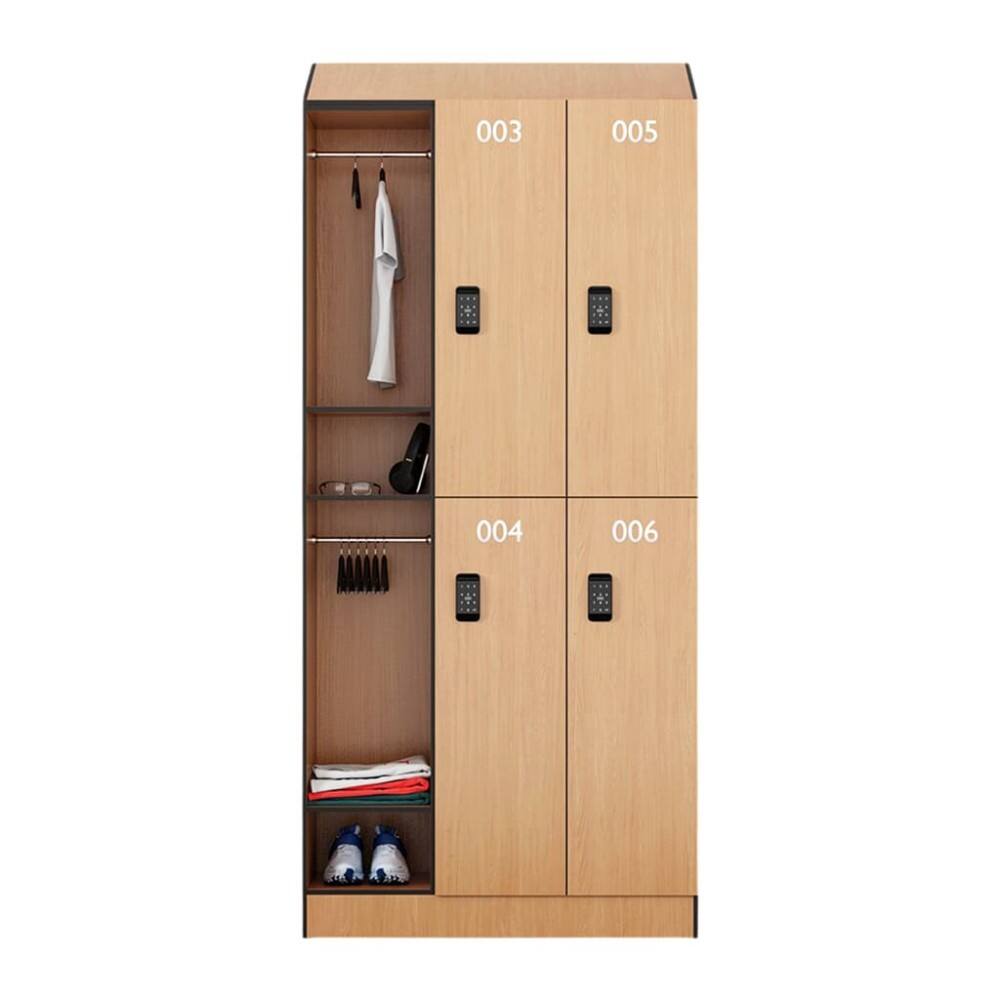
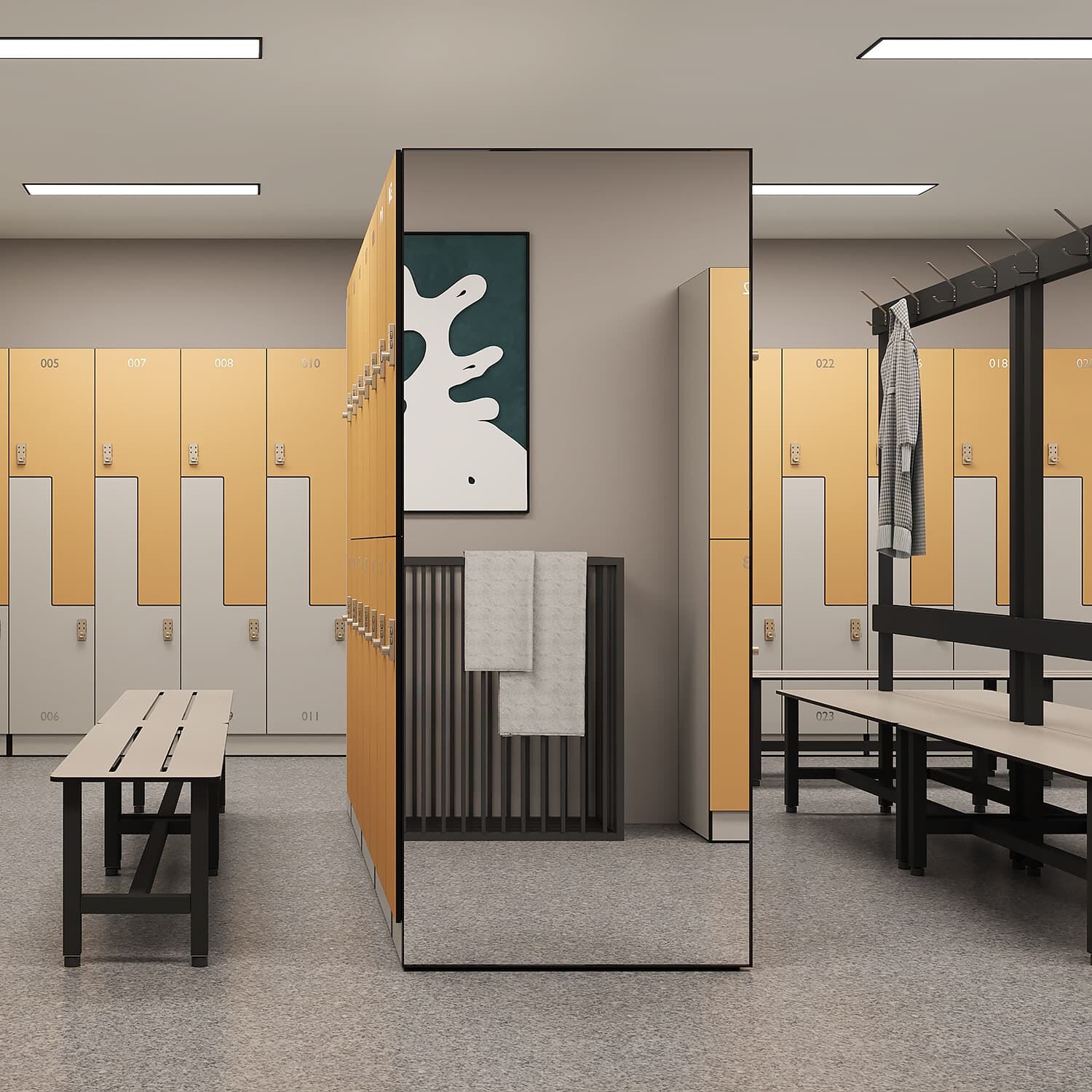
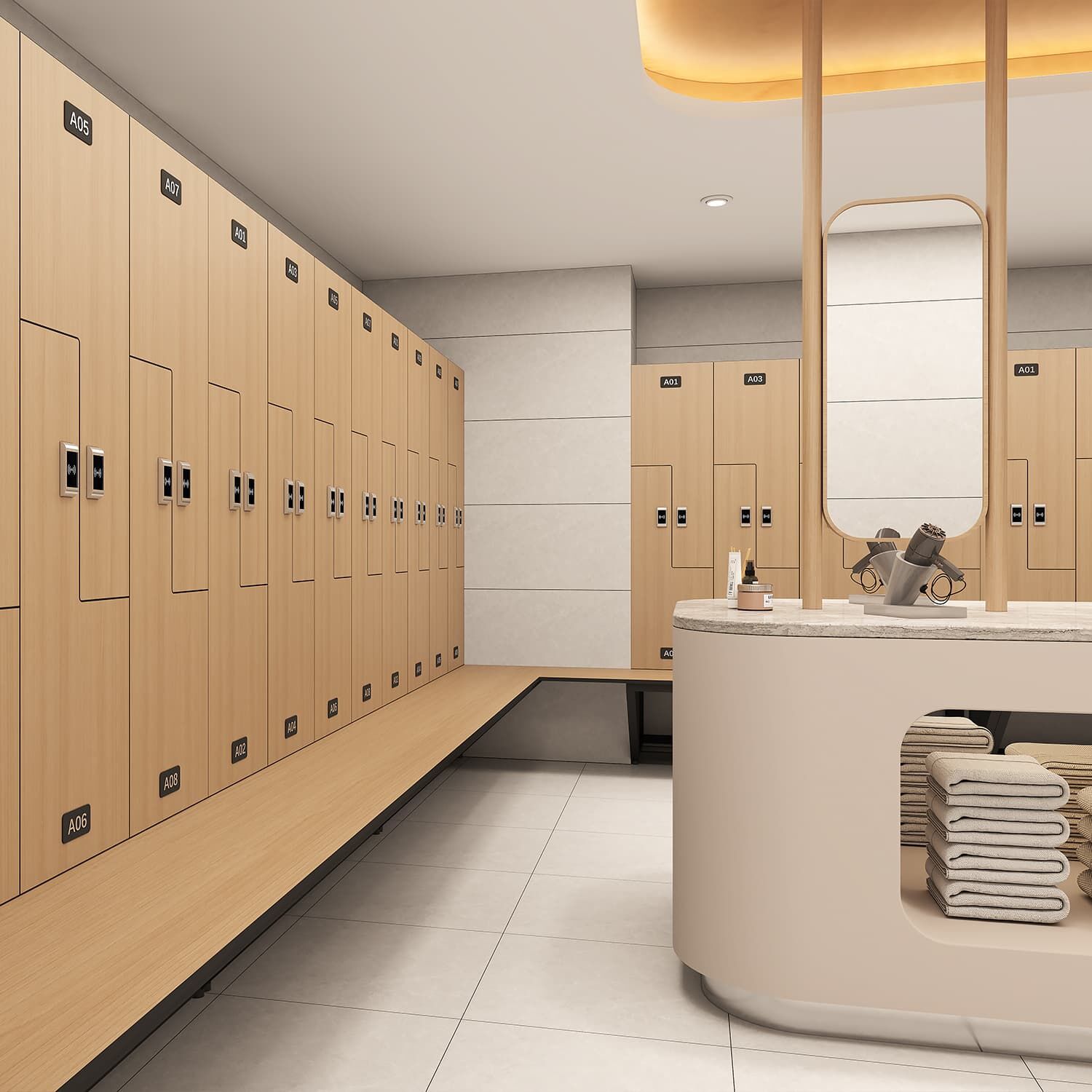
Mini locker storage represents a revolutionary approach to personal and professional organization, delivering compact yet highly efficient storage solutions for modern environments. These innovative systems combine advanced security technology with space-saving design principles to create versatile storage options that adapt to diverse user needs. The core functionality of mini locker storage centers around providing secure, accessible compartments that can accommodate various items while maintaining optimal space utilization. Each unit features individual locking mechanisms that ensure complete privacy and security for stored belongings, making them ideal for shared environments where personal storage is essential. The technological infrastructure supporting mini locker storage systems incorporates multiple access methods, including electronic keypads, RFID card readers, biometric scanners, and mobile app integration. This technological diversity ensures compatibility with existing security systems while providing users with convenient access options that match their preferences and requirements. The modular construction of these storage solutions allows for flexible installation configurations, enabling organizations to customize layouts according to available space and specific operational needs. Advanced monitoring capabilities provide real-time usage analytics, helping administrators optimize allocation and identify utilization patterns. The robust construction materials ensure longevity and resistance to tampering, while ventilation systems prevent moisture buildup and maintain optimal conditions for stored items. Applications for mini locker storage span numerous sectors, from educational institutions requiring student storage to corporate offices needing secure document storage, healthcare facilities managing personal effects, and retail environments providing customer convenience. The scalable nature of these systems supports both small installations and large-scale deployments, making mini locker storage suitable for organizations of any size seeking efficient, secure storage solutions that maximize space utilization while maintaining user convenience and administrative control.

New Product Releases

The implementation of mini locker storage systems delivers substantial practical benefits that directly address common storage challenges faced by organizations and individuals alike. First and foremost, these systems maximize space efficiency by utilizing vertical storage capacity that traditional storage methods often ignore. The compact design allows organizations to install numerous storage compartments within minimal floor space, creating more available area for primary activities while still providing adequate storage capacity for all users. Security advantages represent another significant benefit, as mini locker storage eliminates concerns about theft, loss, or unauthorized access to personal belongings. Each compartment operates independently with its own security mechanism, ensuring that even if one unit experiences issues, the entire system remains functional and secure. This individual security approach provides peace of mind for users while reducing liability concerns for organizations managing the storage facilities. Cost-effectiveness emerges as a major advantage when compared to traditional storage alternatives, as mini locker storage systems require minimal maintenance while providing long-term durability and reliability. The initial investment quickly pays for itself through reduced staffing requirements, decreased security incidents, and improved operational efficiency. Organizations no longer need dedicated personnel to monitor storage areas or manage key distribution systems, as users can access their compartments independently using their assigned credentials. The flexibility of mini locker storage systems allows for easy reconfiguration and expansion as organizational needs evolve, protecting the initial investment while accommodating growth and changing requirements. User convenience reaches new levels with modern mini locker storage implementations, as multiple access methods ensure that users can choose the most convenient option for their specific situation. Mobile app integration enables remote monitoring and access control, allowing users to check compartment status and receive notifications about usage and availability. The time-saving benefits are substantial, as users can quickly access their belongings without waiting for assistance or searching through unsecured storage areas. Administrative advantages include comprehensive usage tracking, automated reporting capabilities, and simplified management through centralized control systems that provide complete oversight of all storage activities while maintaining individual privacy and security.

Tips And Tricks

How does bathroom stall privacy affect user comfort?

27

Apr

How does bathroom stall privacy affect user comfort?

Privacy within restroom facilities has evolved into a critical factor that significantly influences user experience and satisfaction in commercial, educational, and public environments. The design and configuration of bathroom stall systems directly ...
View More
Which Factors Affect HPL Locker Performance?

30

Apr

Which Factors Affect HPL Locker Performance?

Understanding the performance factors of HPL lockers is crucial for facility managers and architects seeking durable, reliable storage solutions. High-pressure laminate technology delivers exceptional resistance to moisture, impact, and daily wear, b...
View More
When should facilities choose phenolic lockers?

29

Apr

When should facilities choose phenolic lockers?

Facilities face a critical decision point when selecting locker systems that must withstand demanding environments while maintaining functionality and aesthetics. The choice between traditional materials and advanced solutions like phenolic lockers o...
View More
Which factors matter when selecting wooden lockers?

27

Apr

Which factors matter when selecting wooden lockers?

Selecting the right wooden lockers for your facility requires careful evaluation of multiple interconnected factors that directly impact functionality, durability, and long-term value. Whether you're outfitting a gymnasium, workplace, or educational ...
View More

Get a Free Quote

Our representative will contact you soon.
Email
Name
Message
0/1000

mini locker storage

Advanced Multi-Access Security Technology

Advanced Multi-Access Security Technology

The security technology integrated into modern mini locker storage systems represents a significant advancement in access control and user authentication methods. These sophisticated systems offer multiple authentication options, including traditional PIN codes, proximity cards, biometric fingerprint recognition, and smartphone-based access through dedicated mobile applications. This multi-layered approach ensures that users can select the most convenient and secure method for their specific needs while maintaining the highest levels of protection for stored items. The biometric capabilities eliminate concerns about lost cards or forgotten codes, as fingerprint recognition provides unique identification that cannot be duplicated or transferred to unauthorized users. Mobile app integration extends security benefits by enabling real-time notifications about access attempts, successful entries, and system status updates, allowing users to monitor their storage compartments remotely and receive immediate alerts about any suspicious activity. The encryption protocols protecting data transmission between access devices and the central management system meet industry-standard security requirements, ensuring that user information and access credentials remain protected against cyber threats. Advanced audit trails automatically record all access attempts, successful entries, and administrative activities, creating comprehensive logs that support security investigations and compliance requirements. The fail-safe mechanisms built into these systems ensure continued operation even during power outages or network disruptions, with battery backup systems maintaining security functions and user access capabilities. Remote management capabilities allow administrators to instantly revoke access permissions, modify user credentials, and monitor system performance from any location with internet connectivity. The scalable security architecture supports integration with existing organizational security systems, including building access controls, surveillance networks, and emergency response protocols. Regular security updates delivered through network connections ensure that mini locker storage systems maintain protection against emerging threats while continuously improving functionality and user experience through software enhancements and feature additions.
Space-Optimizing Modular Design Architecture

Space-Optimizing Modular Design Architecture

The modular design architecture of mini locker storage systems delivers unprecedented flexibility in space utilization and installation configuration options that adapt to virtually any physical environment or organizational requirement. This innovative approach allows facilities to maximize storage capacity within limited available space by utilizing vertical installation options, corner configurations, and custom arrangements that complement existing architectural features. The standardized modular components enable easy expansion and reconfiguration as organizational needs evolve, protecting initial investments while accommodating growth and changing storage requirements. Each module can be independently installed and configured, allowing for phased implementation that spreads costs over time while immediately providing storage benefits to initial user groups. The compact footprint of individual modules enables installation in previously unusable spaces, such as narrow corridors, alcoves, and transitional areas that cannot accommodate traditional storage solutions. Height-adjustable configurations ensure optimal utilization of available vertical space while maintaining accessibility for users of varying physical capabilities. The modular approach also supports mixed-size compartment configurations within single installations, allowing organizations to offer different storage options that accommodate various item sizes and user preferences. Maintenance advantages emerge from the modular design, as individual components can be serviced or replaced without affecting the entire system, minimizing downtime and reducing maintenance costs. The standardized interfaces between modules ensure seamless integration and consistent performance across all components, regardless of installation size or configuration complexity. Future expansion capabilities remain preserved through the modular architecture, as additional units can be integrated into existing installations without requiring complete system replacement or major infrastructure modifications. Color and finish options allow organizations to match mini locker storage installations with existing decor and branding requirements, ensuring visual compatibility with surrounding environments. The robust construction materials and engineering standards ensure that modular components maintain structural integrity and operational reliability even in high-usage environments where frequent access and heavy utilization are expected.
Comprehensive Usage Analytics and Management Control

Comprehensive Usage Analytics and Management Control

The advanced analytics and management control capabilities integrated into modern mini locker storage systems provide administrators with unprecedented visibility into usage patterns, operational efficiency metrics, and user behavior data that support informed decision-making and continuous improvement initiatives. Real-time monitoring dashboards display current occupancy rates, access frequency statistics, and compartment utilization trends that help administrators optimize storage allocation and identify opportunities for operational enhancements. Historical data analysis reveals peak usage periods, seasonal variations, and long-term trends that support capacity planning and resource allocation decisions while providing insights into user preferences and behavior patterns. Automated reporting functions generate comprehensive summaries of system performance, security events, and maintenance requirements on scheduled intervals, reducing administrative workload while ensuring consistent oversight and compliance with organizational policies. The user management interface enables administrators to efficiently create, modify, and deactivate user accounts while assigning specific access permissions and usage restrictions that align with organizational security policies and operational requirements. Reservation and scheduling capabilities allow users to reserve compartments in advance, ensuring availability during critical periods while enabling administrators to manage peak demand and prevent conflicts. Maintenance scheduling and tracking functions automatically monitor system components for signs of wear, usage thresholds, and scheduled service requirements, generating alerts that support proactive maintenance strategies and minimize unexpected downtime. Integration capabilities with existing enterprise systems enable seamless data sharing with human resources databases, access control systems, and facility management platforms, creating unified operational oversight and eliminating redundant data entry requirements. Customizable alert systems notify administrators about security events, maintenance needs, and unusual usage patterns, enabling rapid response to potential issues while maintaining optimal system performance. The cloud-based management platform ensures accessibility from any location with internet connectivity, supporting remote administration and monitoring capabilities that enhance operational flexibility. Data export functions provide detailed information for compliance reporting, budgeting processes, and strategic planning initiatives while maintaining user privacy through anonymized analytics that protect individual identity information.

onlineONLINE