EN
EN


When it comes to durable, hygienic, and long-lasting storage solutions for commercial and institutional environments, hpl lockers have become one of the most trusted choices among facility managers, architects, and procurement specialists. Whether you are outfitting a hospital, gymnasium, school, office, or industrial workspace, understanding what hpl lockers are and how they function is essential to making the right investment in storage infrastructure. Unlike traditional metal or laminate alternatives, hpl lockers are engineered from a specific high-performance material that delivers a superior combination of strength, moisture resistance, and design flexibility.
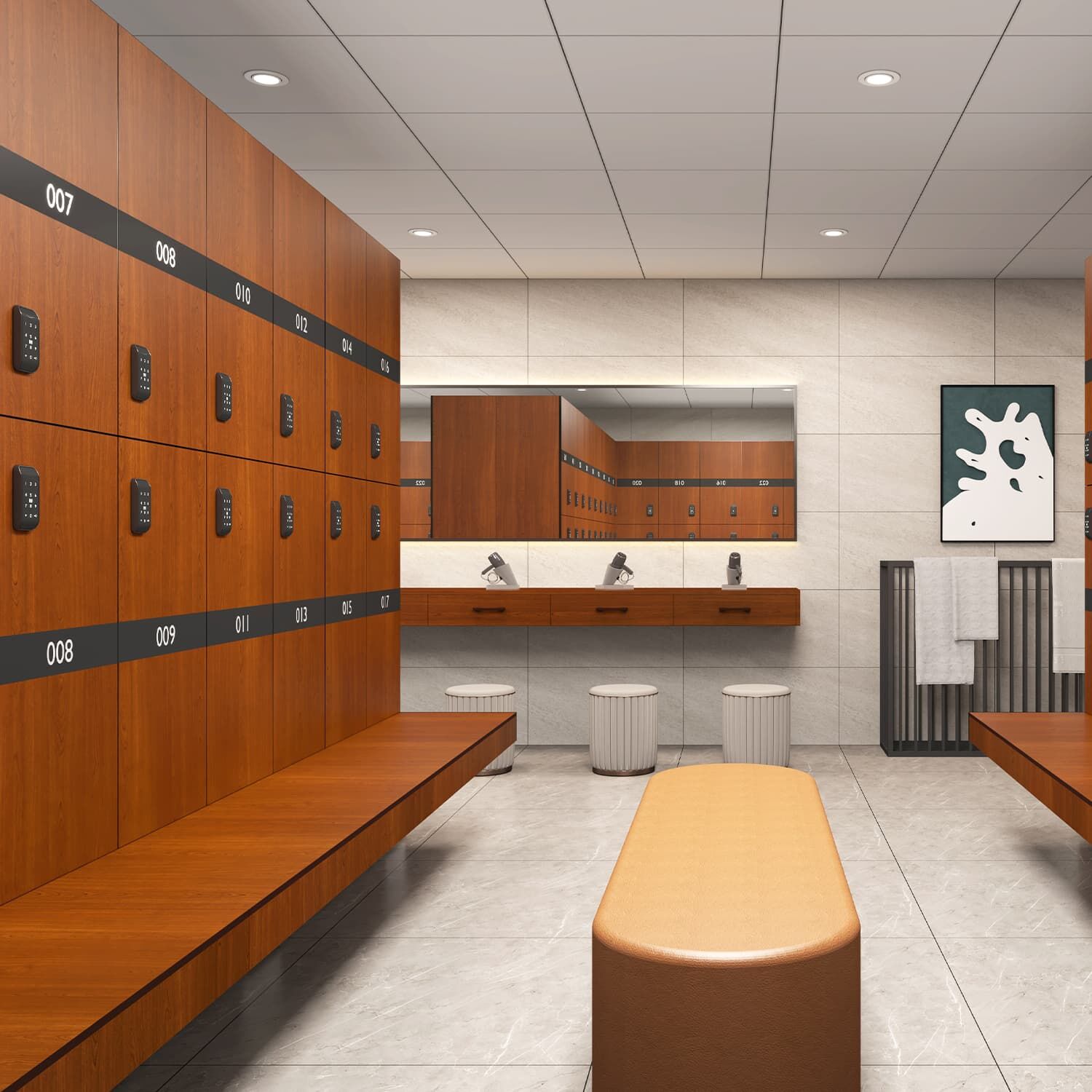
This article breaks down the definition of hpl lockers, explains the material science behind their performance, and walks you through how they are constructed, installed, and maintained in real-world commercial settings. By the end, you will have a thorough understanding of why hpl lockers are gaining significant traction across multiple industries and whether they are the right fit for your facility's storage needs.
Understanding HPL as a Material
The Composition of High Pressure Laminate
HPL stands for High Pressure Laminate, a manufactured composite material made by bonding multiple layers of kraft paper, resin, and a decorative surface sheet under extremely high pressure and elevated temperatures. The result is an incredibly dense, rigid panel that exhibits exceptional resistance to physical impact, surface abrasion, chemical exposure, and moisture penetration. This is not a surface coating applied to another substrate — HPL is a solid, through-body material where the structural integrity is uniform from one face to the other.
The manufacturing process typically involves pressing layers together at pressures ranging from 1,000 to 1,500 pounds per square inch and temperatures exceeding 130 degrees Celsius. This aggressive bonding process eliminates internal voids and weak points, producing a panel with consistent mechanical properties throughout its entire cross-section. When used to construct hpl lockers, this material characteristic means that every panel — the doors, walls, shelves, and base — maintains the same level of performance without relying on additional reinforcement.
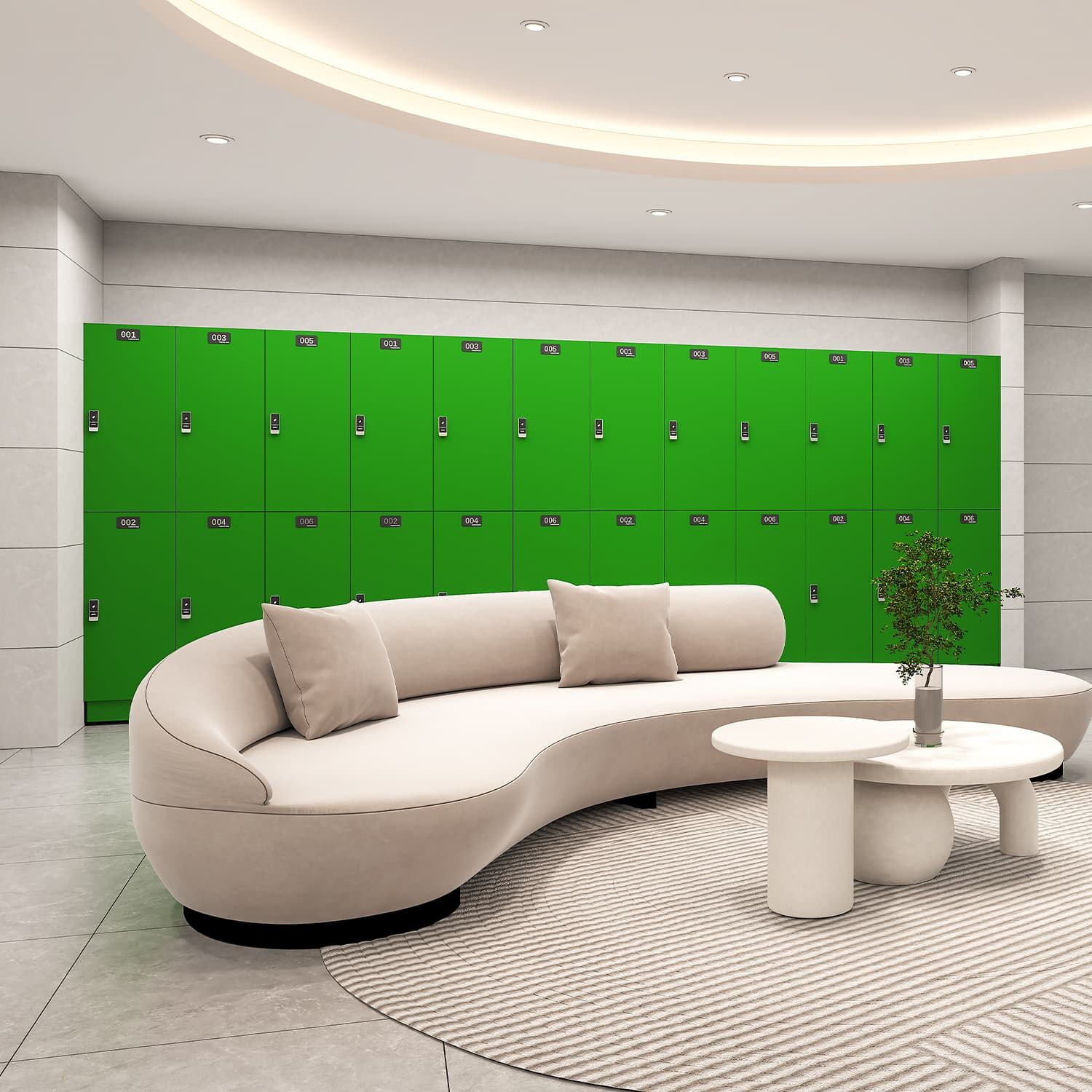
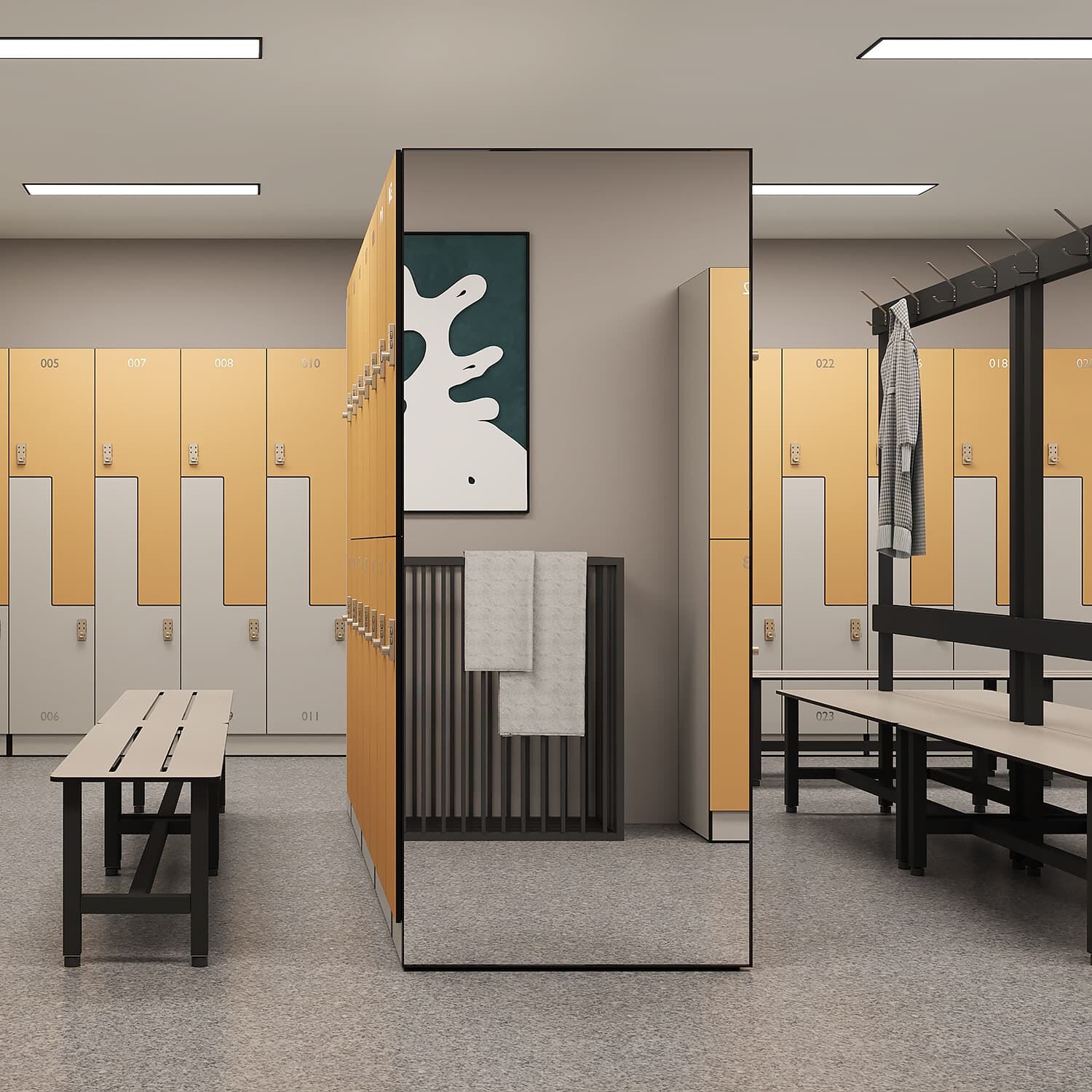
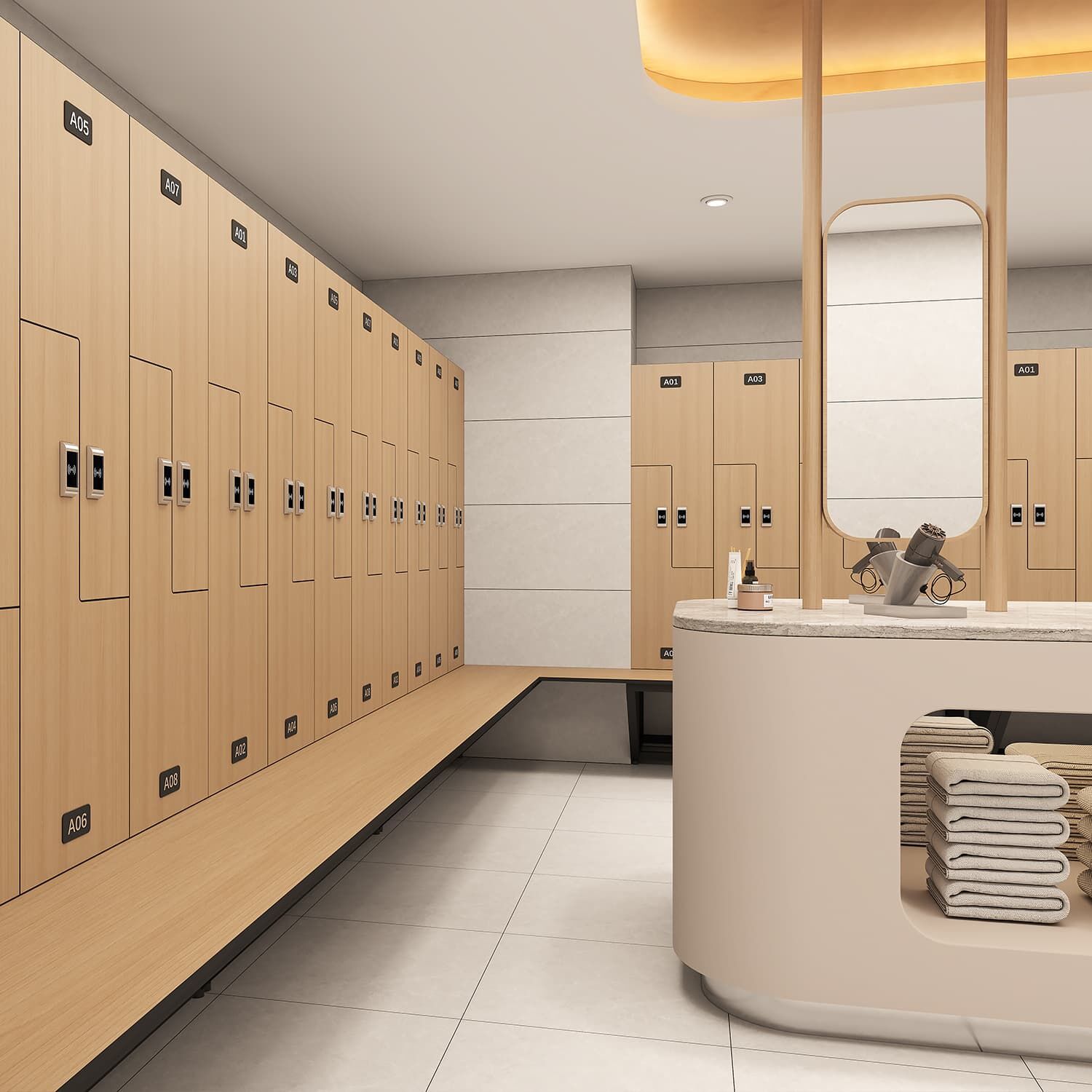
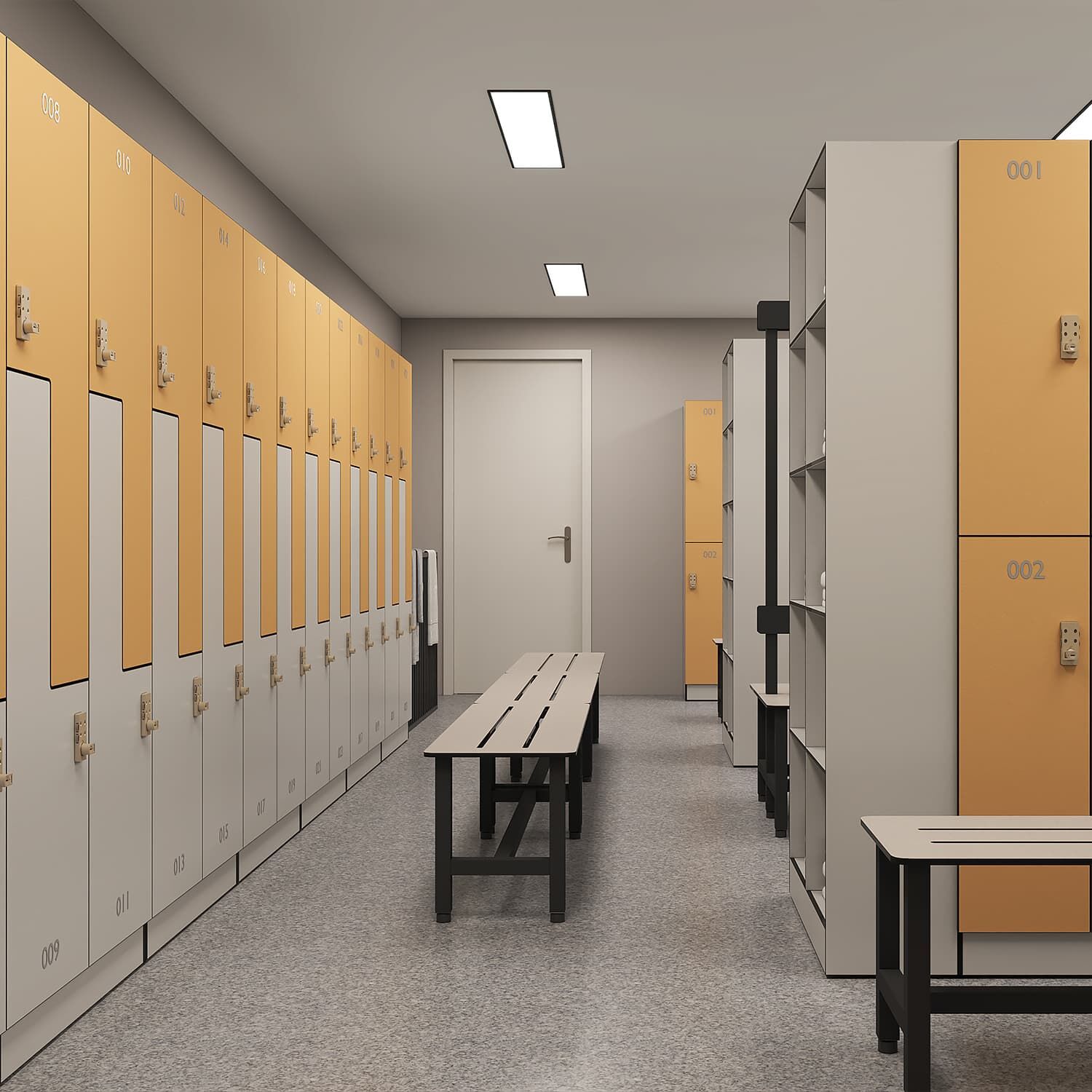
The decorative outer layer of HPL can be produced in an enormous range of colors, textures, and finishes, from smooth solids and wood grain patterns to stone-effect and metallic appearances. This design flexibility makes hpl lockers particularly attractive for environments where aesthetics matter alongside performance, such as premium gyms, healthcare facilities, and corporate office complexes.
How HPL Differs from MDF and Melamine Alternatives
A common source of confusion in the locker industry is the distinction between HPL and lower-cost alternatives such as MDF (medium-density fiberboard) with melamine laminate surfaces. Melamine lockers may appear similar from a distance, but the fundamental material composition is very different. Melamine board uses a thin resin-impregnated paper surface bonded to an MDF or particleboard core under comparatively low pressure. The result is a product that is more susceptible to edge swelling when exposed to moisture, surface chipping under impact, and structural degradation over time.
HPL, by contrast, is a solid composite panel with no vulnerable core material. When hpl lockers are installed in wet environments like pool changing rooms, hospital locker areas, or sports facility washrooms, the panels resist moisture absorption far more effectively. The edges of HPL panels, when properly treated or sealed, do not absorb water in the way that MDF cores do, which is a critical advantage in applications involving frequent cleaning with water or chemical disinfectants.
This material superiority comes with a higher initial cost compared to melamine alternatives, but when lifecycle costs are considered — including replacement frequency, maintenance requirements, and the risk of mold or bacteria growth in swollen laminate edges — hpl lockers consistently demonstrate a lower total cost of ownership over a five to fifteen year service period.
The Structural Design of HPL Lockers
Panel Thickness and Structural Integrity
The construction of hpl lockers typically begins with selecting the appropriate panel thickness based on the intended application and load requirements. Standard commercial hpl lockers use panels ranging from 12mm to 16mm in thickness, with heavier-duty applications sometimes requiring 18mm or 20mm panels. The thickness directly influences the locker's resistance to racking forces — the lateral pressure applied when users push or lean against locker banks — as well as its ability to support shelves and hanging rails under load.
Because HPL panels are self-supporting rigid structures, hpl lockers can often be designed without internal metal frames or reinforcing skeletons that are necessary in lighter laminate or wood-based cabinet systems. This simplifies assembly, reduces the number of components that can corrode or fail over time, and allows for clean, seamless interior surfaces that are easy to sanitize. In healthcare environments, this is a particularly valuable characteristic because recessed corners and metal frameworks can harbor bacteria and resist effective cleaning.
The panel edges in well-engineered hpl lockers are typically treated with a matching HPL edge band or a post-formed edge that wraps the laminate around the panel's perimeter. This eliminates the exposed substrate edge that represents the primary vulnerability in lesser-quality laminate products. Proper edge treatment is one of the most important factors separating premium hpl lockers from budget alternatives that may use the same surface material but apply it less carefully to edges and corners.
Joinery, Hardware, and Assembly Methods
The joinery methods used in hpl lockers significantly influence both structural performance and long-term durability. High-quality hpl lockers are commonly assembled using concealed cam locks, dowel joints, or aluminum extrusion channels that lock panels together without exposed fasteners on interior surfaces. This approach creates a smooth, snag-free interior environment and prevents the rust staining that can occur when steel screws are used in humid conditions.
Hardware selection is equally important. Hinges, handles, locking mechanisms, and ventilation components in hpl lockers are typically specified in stainless steel, zinc alloy, or powder-coated aluminum to prevent corrosion in damp or chemically aggressive environments. The door hinge systems used in quality hpl lockers are engineered for a high number of open-close cycles — often rated to 100,000 or more — because locker doors in busy facilities like gyms or transportation hubs may be opened and closed hundreds of times per day.
Locking systems for hpl lockers range from traditional key locks and combination padlocks to digital keypad locks, RFID card readers, and coin-operated mechanisms. The choice of locking system should reflect the operational context of the facility — for example, a gym environment benefits from coin-return or keypad locks that eliminate the need to manage key inventories, while a corporate office may prefer RFID integration with existing access control systems.
How HPL Lockers Perform in Commercial Environments
Moisture and Chemical Resistance in Practice
One of the most frequently cited advantages of hpl lockers is their performance in environments with high humidity, liquid exposure, or regular chemical cleaning. The non-porous surface of HPL does not absorb water vapor or liquid, which means that prolonged exposure to steam, condensation, or direct water splashing does not cause surface degradation in the way it does with painted metal lockers or poorly sealed laminate alternatives. For facilities such as swimming pools, hospital changing areas, and industrial washrooms, this characteristic is not merely convenient — it is a fundamental operational requirement.
Chemical resistance is another area where hpl lockers demonstrate meaningful advantages. The surface of HPL is resistant to a wide range of common cleaning agents, including diluted bleach solutions, quaternary ammonium disinfectants, and alcohol-based sanitizers. This allows cleaning staff to use hospital-grade disinfection protocols without concern about surface degradation, discoloration, or the delamination that would affect other locker materials over time. In healthcare settings where infection control is a regulatory obligation, this characteristic is a significant factor in material selection decisions.
It is important to note that while HPL surfaces are highly resistant, they are not entirely impervious to all chemicals under all conditions. Strong solvents, concentrated acids, or highly alkaline solutions can cause surface damage with prolonged contact. Facilities with unusually aggressive chemical environments should review HPL's specific chemical resistance specifications with their supplier before making final procurement decisions about hpl lockers.
Acoustic and Thermal Properties
Beyond moisture and chemical performance, hpl lockers offer acoustic benefits that are often underappreciated in facility planning. The dense, solid nature of HPL panels provides better sound dampening than hollow steel lockers, reducing the sharp metallic noise that occurs when doors are opened and closed. In environments where noise management is a consideration — such as schools, libraries, or corporate office changing facilities — hpl lockers contribute to a quieter, more professional atmosphere.
Thermally, HPL panels do not conduct heat or cold in the way that metal panels do, which means hpl lockers do not develop condensation on their external surfaces in environments with significant temperature differentials. This is particularly relevant in sports facilities or industrial environments where outdoor and indoor temperature differences can cause metal lockers to sweat, creating moisture issues on the locker exterior and surrounding flooring. The thermal neutrality of hpl lockers eliminates this issue entirely.
From an environmental perspective, HPL is increasingly available in formulations that comply with low-emission standards, including low formaldehyde release profiles that align with CARB Phase 2 and similar international indoor air quality regulations. This makes hpl lockers compatible with green building certification programs such as LEED and BREEAM, where material selection for indoor environments is subject to specific off-gassing requirements.
Selecting and Specifying HPL Lockers for Your Facility
Key Factors in Application Suitability
Choosing the right hpl lockers for a specific application requires evaluating several interdependent factors beyond simply selecting the material. The first consideration is the environment's moisture exposure level. A dry corporate office environment has very different requirements from a gymnasium shower area or a hospital decontamination zone. While hpl lockers are suitable for all of these environments, the specific panel thickness, edge treatment quality, and hardware specification should scale with the severity of moisture exposure anticipated.
User volume and usage frequency are equally important in specifying hpl lockers. High-traffic installations — such as those in transportation terminals, large fitness centers, or public schools — require heavier panel gauges, more robust hinges, and locking systems rated for intensive daily use. Underspecifying hpl lockers for high-traffic environments is one of the most common procurement errors, as the cost savings achieved by selecting lighter construction are quickly eroded by accelerated wear and premature replacement needs.
Space planning is another critical factor. HPL lockers are available in a wide variety of configurations, including single-tier full-height lockers, two-tier, four-tier, and even six-tier compartment arrangements. The choice of tier configuration should reflect both the items users need to store and the architectural constraints of the space. Taller single-tier hpl lockers are appropriate where users need to hang full-length garments, while multi-tier configurations maximize storage density in facilities where footprint is limited.
Installation, Maintenance, and Lifecycle Considerations
Installing hpl lockers is generally straightforward, but proper installation is essential to ensure long-term performance. Locker banks should be anchored to walls or floor substrates using appropriate fixings that account for the combined weight of the locker structure and its anticipated contents. In areas with uneven floors, adjustable leveling feet allow hpl lockers to be set perfectly level, which is important both for the structural alignment of doors and for the visual quality of the installation.
Maintenance requirements for hpl lockers are notably lower than for metal alternatives. There is no painting, rust treatment, or anti-corrosion coating maintenance to perform. Regular cleaning with mild detergent or approved disinfectant solutions is typically all that is required to keep hpl lockers in excellent condition for years. Hardware components such as hinges and locks may require periodic lubrication or adjustment, and any damaged panels can typically be replaced individually without needing to replace the entire locker bank.
The expected service life of quality hpl lockers in a well-maintained commercial environment ranges from fifteen to twenty-five years, depending on the intensity of use and the quality of the original specification. This longevity represents a significant advantage over powder-coated steel lockers, which may begin showing corrosion damage within five to ten years in humid environments, and over melamine laminate lockers, which frequently require replacement within eight to twelve years due to edge swelling and surface delamination.
FAQ
What makes HPL lockers better than metal lockers for gym and hospital environments?
HPL lockers outperform metal lockers in humid, chemically aggressive environments because they do not corrode, rust, or degrade when exposed to moisture, sweat, steam, or disinfectant cleaning agents. Metal lockers are vulnerable to rust formation at scratches, joints, and edges when exposed to damp conditions, which compromises both appearance and hygiene. HPL lockers maintain their structural and surface integrity indefinitely under the same conditions, making them the preferred choice for gyms, swimming pools, hospitals, and similar environments where cleanliness and durability are both essential operational requirements.
Can HPL lockers be customized in terms of color and configuration?
Yes, hpl lockers offer extensive customization options. The HPL surface material is manufactured in hundreds of colors, textures, and finishes, allowing facilities to specify locker banks that match or complement their interior design scheme. Configuration options include variations in height, width, depth, number of tiers, door style, ventilation pattern, and locking mechanism type. This level of customization makes hpl lockers suitable for premium facility environments where both performance and aesthetics are important to the building's overall brand experience.
Are HPL lockers environmentally sustainable?
HPL lockers can be considered a more sustainable choice compared to metal lockers when lifecycle analysis is applied. Their significantly longer service life means fewer replacement cycles and less material waste over a building's operational period. Many HPL products are manufactured using recycled paper content in the core layers and are available in formulations that meet low-emission and low-formaldehyde standards required by green building rating systems. Additionally, at end of life, HPL panels can in some cases be recycled or repurposed, reducing landfill contribution compared to mixed-material metal locker assemblies.
How do I know if HPL lockers are the right choice for my specific facility?
The primary indicators that hpl lockers are the right choice for a facility are the presence of moisture or humidity, a requirement for hygienic surfaces that can withstand disinfection protocols, a need for long service life with low ongoing maintenance, and a desire for design flexibility in appearance. If your facility is a gym, hospital, school, corporate office, or any other environment where users store personal belongings and where cleanliness and durability are priorities, hpl lockers are very likely to be the best performing and most cost-effective option over the long term. Consulting with a specialist locker supplier to review your specific usage profile and environment will help confirm the appropriate specification.