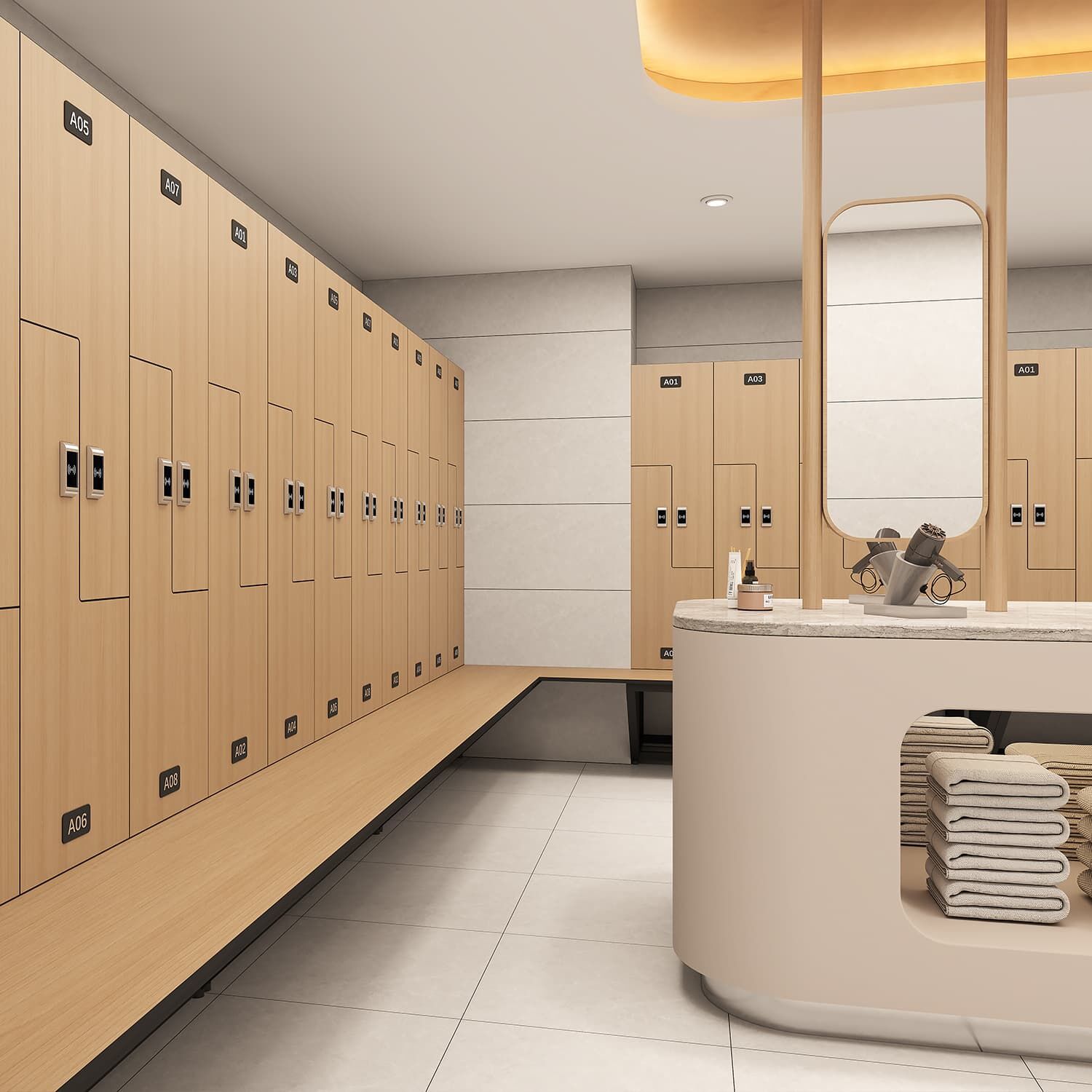
RFID Smart Lockers: Advanced Secure Storage Solutions with Contactless Technology

Get a Free Quote

Our representative will contact you soon.
Email
Name
Message
0/1000

rfid smart lockers

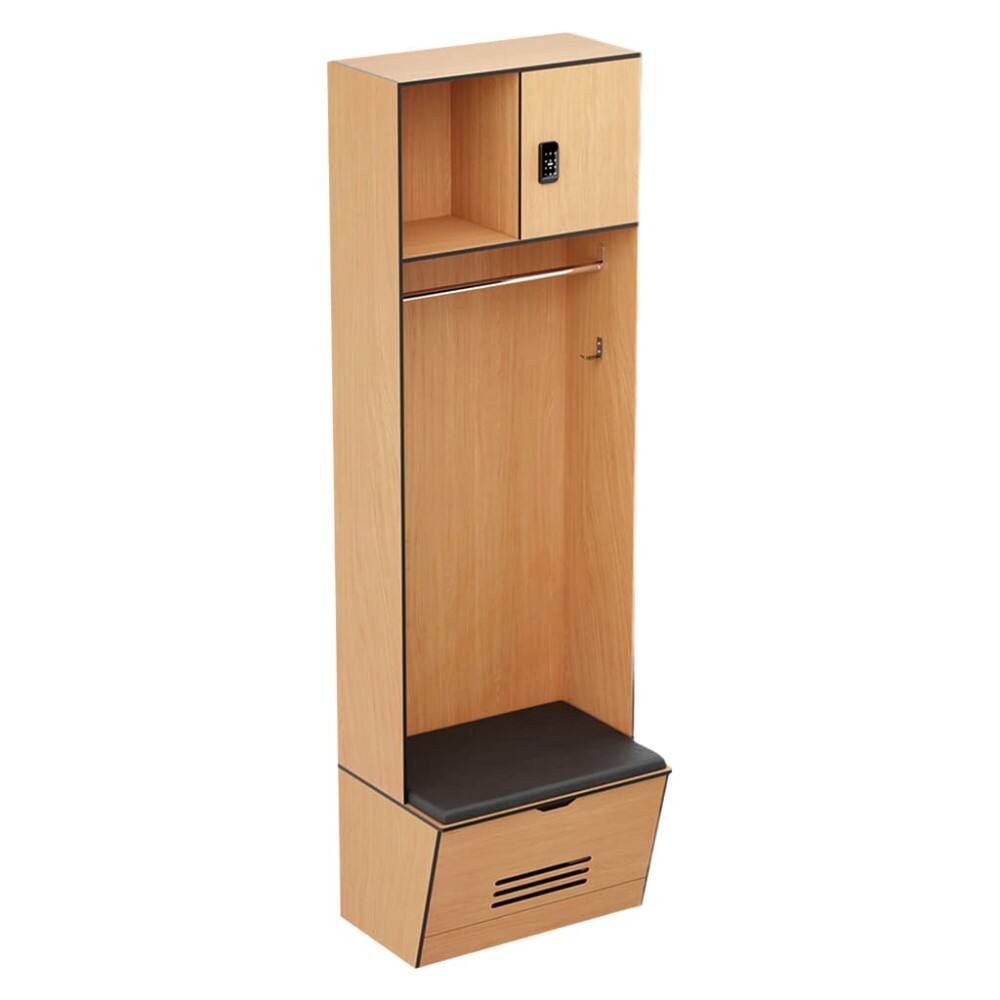
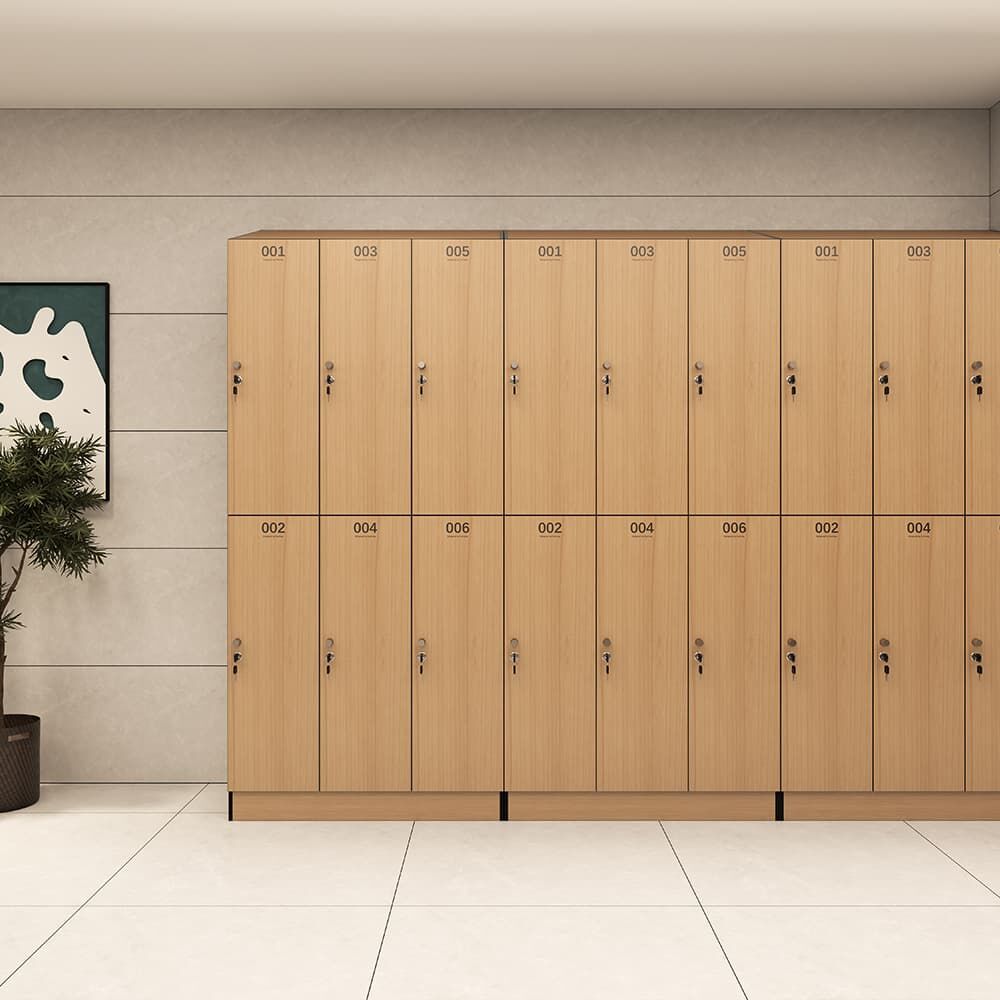
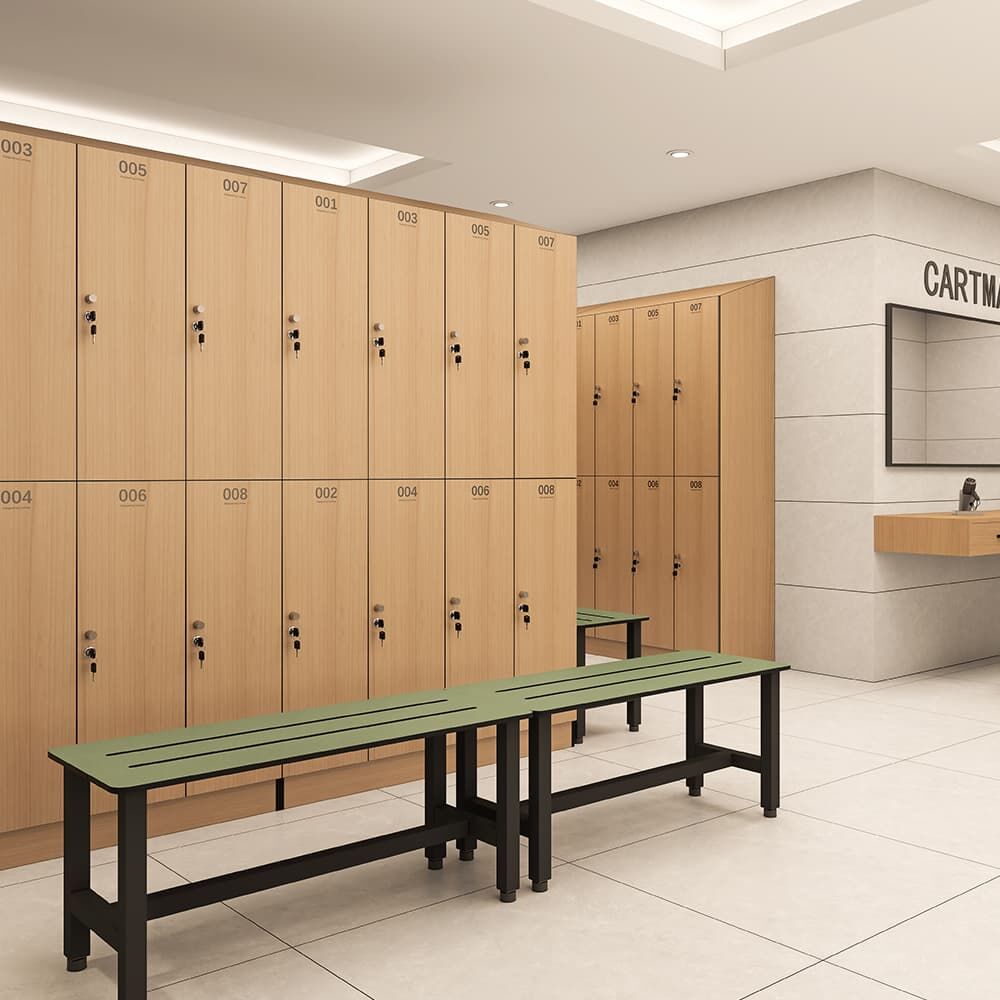
RFID smart lockers represent a revolutionary advancement in secure storage solutions, combining radio frequency identification technology with intelligent management systems to create versatile, automated storage units. These innovative lockers utilize RFID tags and readers to provide contactless access control, enabling users to securely store and retrieve items without traditional keys or manual supervision. The core functionality revolves around electromagnetic communication between RFID tags and integrated readers, creating a seamless user experience that enhances security while reducing operational complexity. Modern RFID smart lockers feature sophisticated control systems that manage multiple compartments simultaneously, each equipped with electronic locks that respond exclusively to authorized RFID credentials. The technological infrastructure includes powerful microprocessors, wireless connectivity modules, and comprehensive software platforms that enable remote monitoring and management capabilities. These systems support various RFID frequencies, typically operating at 125 KHz, 13.56 MHz, or 915 MHz, depending on specific requirements and environmental considerations. Advanced models incorporate additional security features such as biometric sensors, surveillance cameras, and tamper-detection mechanisms to provide multi-layered protection for stored items. The applications for RFID smart lockers span numerous industries and environments, from corporate offices and educational institutions to healthcare facilities and retail establishments. In workplace environments, employees use these systems to securely store personal belongings, documents, and equipment, while educational institutions deploy them for student storage needs and equipment management. Healthcare facilities utilize RFID smart lockers for medication storage, medical equipment tracking, and personal protective equipment distribution. Retail environments leverage these solutions for employee storage, package delivery services, and customer convenience applications. The versatility of RFID smart lockers extends to specialized applications including evidence storage in law enforcement, tool management in manufacturing facilities, and asset tracking in various commercial settings, making them indispensable components of modern security and organizational systems.

New Product Releases

The advantages of RFID smart lockers extend far beyond traditional storage solutions, delivering substantial benefits that transform how organizations manage security, efficiency, and user experience. Enhanced security stands as the primary advantage, as these systems eliminate the vulnerabilities associated with physical keys and manual access control. Users cannot duplicate or transfer RFID credentials without proper authorization, significantly reducing theft and unauthorized access incidents. The contactless nature of RFID technology ensures that access credentials remain secure within proximity cards or mobile devices, preventing the security breaches common with traditional lock-and-key systems. Operational efficiency receives dramatic improvement through automated management processes that reduce administrative overhead and human intervention requirements. Staff members no longer need to manage physical keys, track usage patterns manually, or handle lost key incidents, freeing valuable time for more productive activities. The intelligent software platforms accompanying RFID smart lockers provide comprehensive reporting capabilities, enabling administrators to monitor usage patterns, track access history, and generate detailed analytics for operational optimization. Cost-effectiveness emerges as organizations eliminate expenses related to lock replacements, key duplication, and security personnel oversight. The durability and reliability of RFID smart lockers result in lower maintenance costs compared to mechanical alternatives, while their extended operational lifespan provides excellent return on investment. User convenience reaches new heights through instantaneous access that requires only proximity card presentation or mobile device interaction, eliminating fumbling with physical keys or remembering complex combinations. The technology supports multiple user access levels, allowing organizations to implement flexible access control policies that accommodate different security requirements and user groups. Scalability represents another significant advantage, as organizations can easily expand their RFID smart locker networks without extensive infrastructure modifications or complex integration processes. The wireless connectivity capabilities enable seamless integration with existing security systems, building management platforms, and enterprise software solutions. Real-time monitoring and notification features provide immediate alerts for security breaches, maintenance requirements, or system anomalies, enabling proactive management that prevents potential issues before they impact operations. Environmental benefits include reduced waste from eliminated physical key production and replacement, supporting sustainability initiatives while maintaining superior security standards. The adaptability of RFID smart lockers accommodates various organizational needs, from temporary storage solutions to permanent fixture installations, providing flexibility that traditional systems cannot match.

Tips And Tricks

Which materials work best for toilet cubicles in offices?

22

May

Which materials work best for toilet cubicles in offices?

Selecting the right material for toilet cubicles in office environments is a decision that impacts durability, maintenance costs, hygiene standards, and overall user satisfaction. Office facilities managers face unique challenges when specifying rest...
View More
How Does HPL Material Improve Locker Durability?

01

May

How Does HPL Material Improve Locker Durability?

When selecting storage solutions for demanding commercial environments, the material at the heart of every locker matters more than most buyers initially realize. hpl lockers have earned a strong reputation across hospitals, gyms, schools, and corpor...
View More
Which wood types work best for durable wooden lockers?

29

May

Which wood types work best for durable wooden lockers?

When selecting wooden lockers for commercial or institutional environments, the choice of wood material plays a decisive role in how long the units will last, how well they resist daily wear, and how they perform under demanding conditions. Whether y...
View More
How do office lockers improve employee productivity and workspace efficiency?

14

May

How do office lockers improve employee productivity and workspace efficiency?

In modern workplaces, clutter, disorganization, and the lack of personal storage are silent productivity killers. Employees who spend time searching for belongings, managing desk overflow, or worrying about the security of their personal items are em...
View More

Get a Free Quote

Our representative will contact you soon.
Email
Name
Message
0/1000

rfid smart lockers

Advanced Security Through Multi-Layer RFID Authentication

Advanced Security Through Multi-Layer RFID Authentication

The security architecture of RFID smart lockers represents a quantum leap beyond conventional storage solutions, implementing sophisticated multi-layer authentication protocols that ensure unparalleled protection for stored items. At the foundation lies advanced RFID technology that creates unique, encrypted communication channels between authorized credentials and locker systems, making unauthorized access virtually impossible through traditional bypass methods. Each RFID tag contains encrypted digital signatures that undergo verification processes involving multiple security algorithms, ensuring that only legitimate credentials can initiate locker operations. The system architecture incorporates rolling code technology that generates new authentication sequences for every access attempt, preventing replay attacks and credential cloning attempts that might compromise security. Advanced models feature dual-frequency RFID capabilities, combining low-frequency proximity detection with high-frequency data transmission to create redundant security layers that validate user authorization through multiple independent channels. Biometric integration options enhance security further by requiring fingerprint, facial recognition, or retinal scanning verification alongside RFID credentials, creating virtually impenetrable access control systems. The intelligent monitoring systems continuously analyze access patterns, detecting anomalous behavior that might indicate security threats or unauthorized access attempts, triggering immediate alerts and automated lockdown procedures when necessary. Tamper-detection mechanisms built into RFID smart lockers include accelerometers, vibration sensors, and magnetic field monitors that identify physical manipulation attempts, ensuring that stored items remain secure even during sophisticated breach attempts. The comprehensive audit trails generated by these systems provide detailed forensic capabilities, recording timestamps, user identities, access durations, and system status information that support investigation processes and compliance requirements. Remote monitoring capabilities enable security personnel to oversee locker networks from centralized locations, receiving real-time notifications about access events, system status changes, and potential security incidents. The encryption protocols employed in RFID smart lockers utilize military-grade algorithms that protect communication channels and stored data from interception or manipulation attempts, maintaining security integrity even in high-risk environments where sophisticated threats might exist.
Seamless Integration and Intelligent Management Systems

Seamless Integration and Intelligent Management Systems

The integration capabilities of RFID smart lockers demonstrate exceptional versatility, seamlessly connecting with existing organizational infrastructure through comprehensive software platforms and communication protocols designed for enterprise-level deployment. Modern RFID smart locker systems feature robust APIs and middleware solutions that facilitate integration with access control systems, human resource databases, building management platforms, and enterprise resource planning software, creating unified operational environments that enhance overall efficiency. The intelligent management systems provide centralized administration capabilities through web-based interfaces that enable remote configuration, user management, access control policy implementation, and comprehensive reporting from any internet-connected device. Cloud-based deployment options ensure that organizations can manage distributed locker networks across multiple locations through single administrative interfaces, providing unprecedented scalability and operational consistency. The software platforms support various user credential formats, including employee ID cards, mobile applications, contactless payment cards, and specialized RFID devices, accommodating diverse organizational preferences and existing technology investments. Automated user provisioning capabilities synchronize with human resource systems to automatically grant or revoke locker access based on employment status, department changes, or role modifications, eliminating administrative overhead while maintaining security protocols. The intelligent algorithms embedded within these management systems optimize locker allocation, suggesting optimal compartment assignments based on item sizes, usage patterns, and user preferences, maximizing storage efficiency while minimizing access conflicts. Real-time inventory management features track stored items, monitor occupancy rates, and generate alerts for maintenance requirements or capacity planning needs, enabling proactive operational management that prevents service disruptions. Advanced analytics capabilities analyze usage patterns, peak demand periods, and user behavior trends, providing valuable insights for capacity planning, security optimization, and operational efficiency improvements. The modular architecture of RFID smart locker management systems supports incremental expansion and feature additions, ensuring that organizations can adapt their storage solutions as requirements evolve without significant infrastructure investments. Integration with mobile technologies enables users to manage locker access through smartphone applications, providing convenient remote capabilities for reservation management, access scheduling, and notification preferences that enhance user experience while maintaining security standards.

Operational Excellence and Cost-Effective Resource Management

Operational Excellence and Cost-Effective Resource Management

The operational excellence achieved through RFID smart lockers transforms organizational efficiency by eliminating manual processes, reducing administrative overhead, and optimizing resource utilization across multiple operational dimensions. These systems dramatically reduce staffing requirements for storage management, as automated processes handle user authentication, access logging, inventory tracking, and security monitoring without human intervention, allowing organizations to redirect personnel resources toward more strategic activities. The elimination of physical key management processes removes substantial administrative burdens, including key distribution, tracking, replacement, and recovery procedures that traditionally consume significant staff time and resources. Maintenance efficiency reaches new levels through predictive analytics that monitor system performance, component wear patterns, and usage statistics to schedule preventive maintenance during optimal timeframes, minimizing service disruptions while extending equipment lifespan. The comprehensive reporting capabilities provide detailed operational insights, including utilization rates, peak usage periods, maintenance schedules, and security incidents, enabling data-driven decision making that optimizes facility management and resource allocation strategies. Energy efficiency features incorporate intelligent power management systems that minimize electricity consumption through automated standby modes, LED lighting controls, and efficient component designs that reduce operational costs while supporting environmental sustainability initiatives. The standardization capabilities of RFID smart locker systems enable organizations to implement consistent policies, procedures, and security protocols across multiple locations, reducing training requirements and operational complexity while ensuring uniform service quality. Inventory management automation tracks stored items automatically, generating alerts for abandoned belongings, maintenance requirements, or security concerns, enabling proactive management that prevents potential issues from escalating into significant problems. The scalability advantages allow organizations to expand storage capacity incrementally based on actual demand patterns, avoiding over-investment in unused capacity while ensuring adequate resources during peak periods. Cost-benefit analysis demonstrates that RFID smart lockers typically achieve return on investment within 18-24 months through reduced labor costs, eliminated key replacement expenses, decreased theft incidents, and improved operational efficiency that translates directly into measurable financial benefits. The reliability and durability of these systems result in minimal downtime and maintenance requirements, ensuring consistent service availability that supports organizational productivity and user satisfaction while maintaining long-term cost effectiveness that exceeds traditional storage alternatives.
onlineONLINE