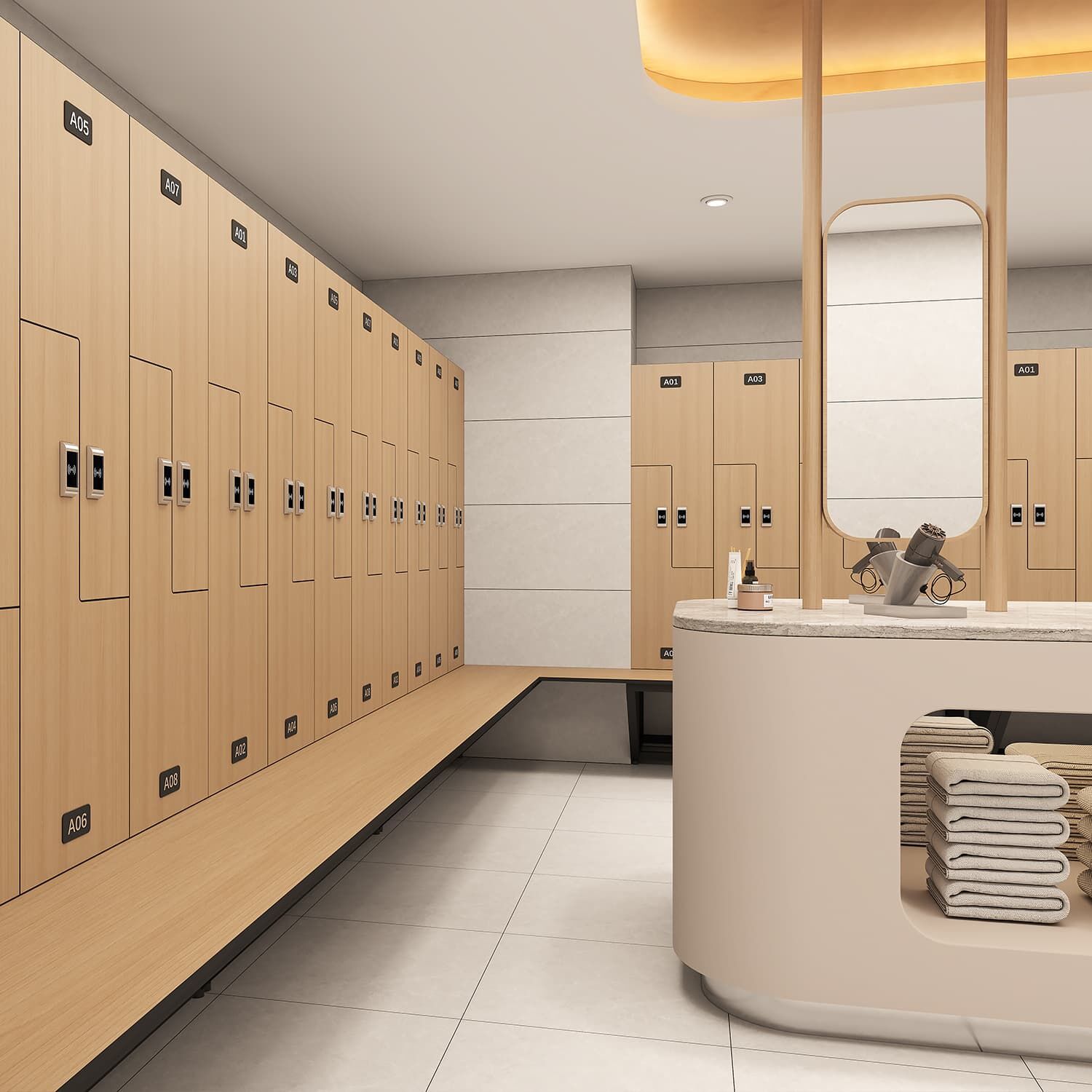
Advanced RFID Lockers: Secure, Efficient, and Smart Storage Solutions

Get a Free Quote

Our representative will contact you soon.
Email
Name
Message
0/1000

rfid lockers

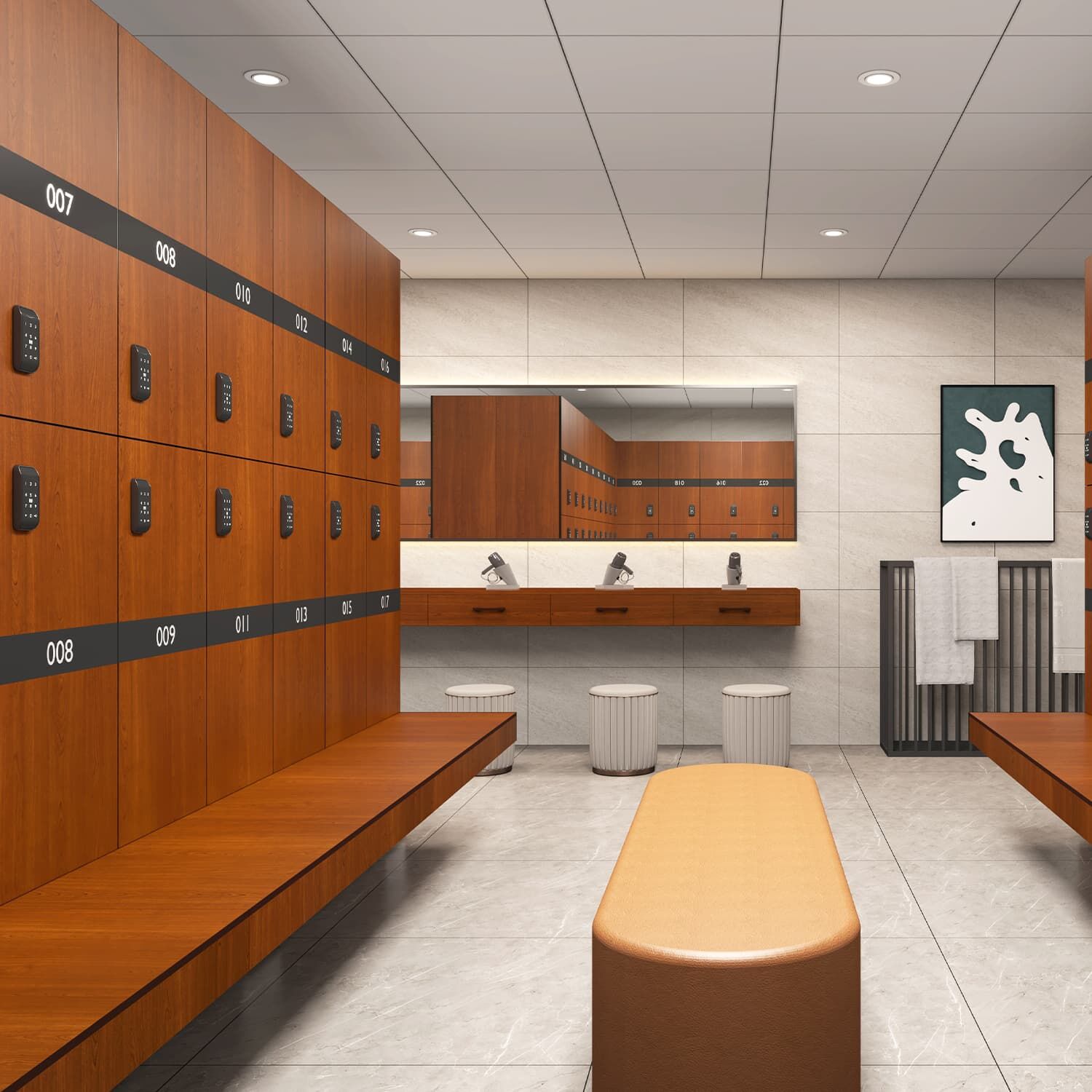
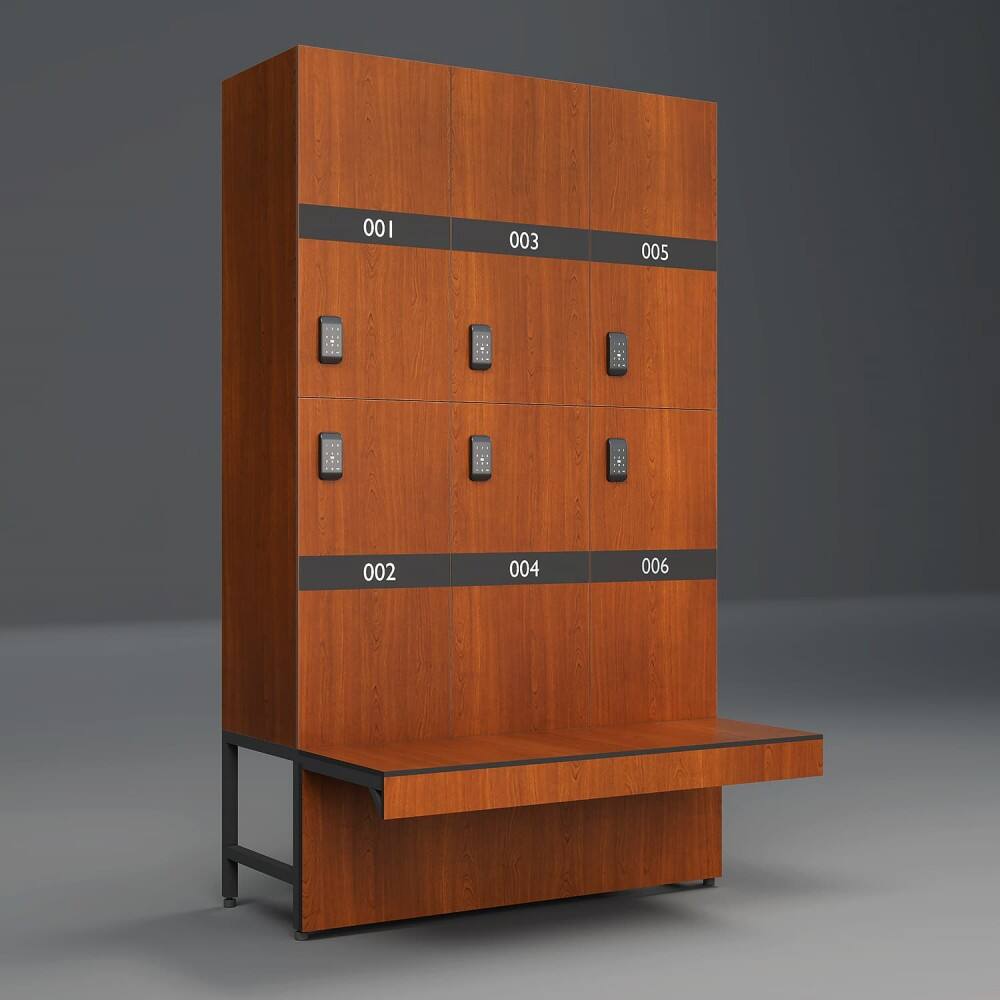
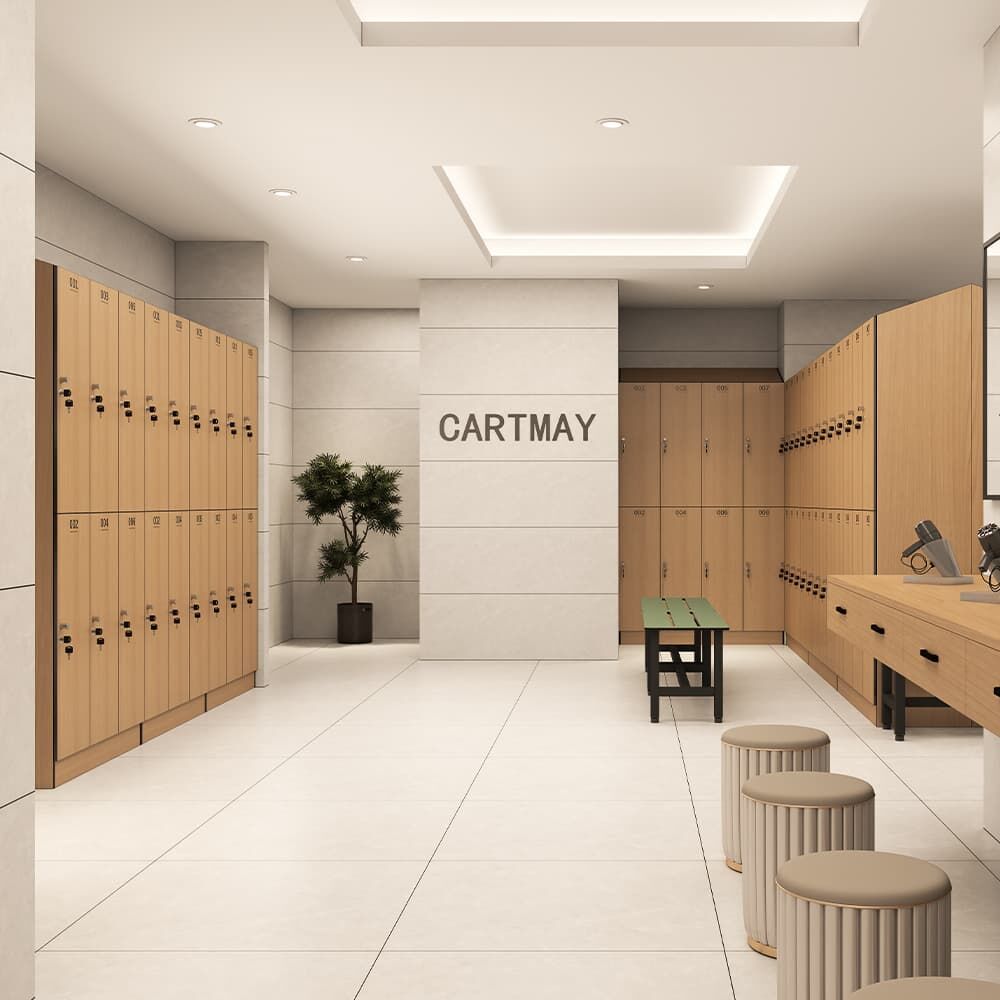
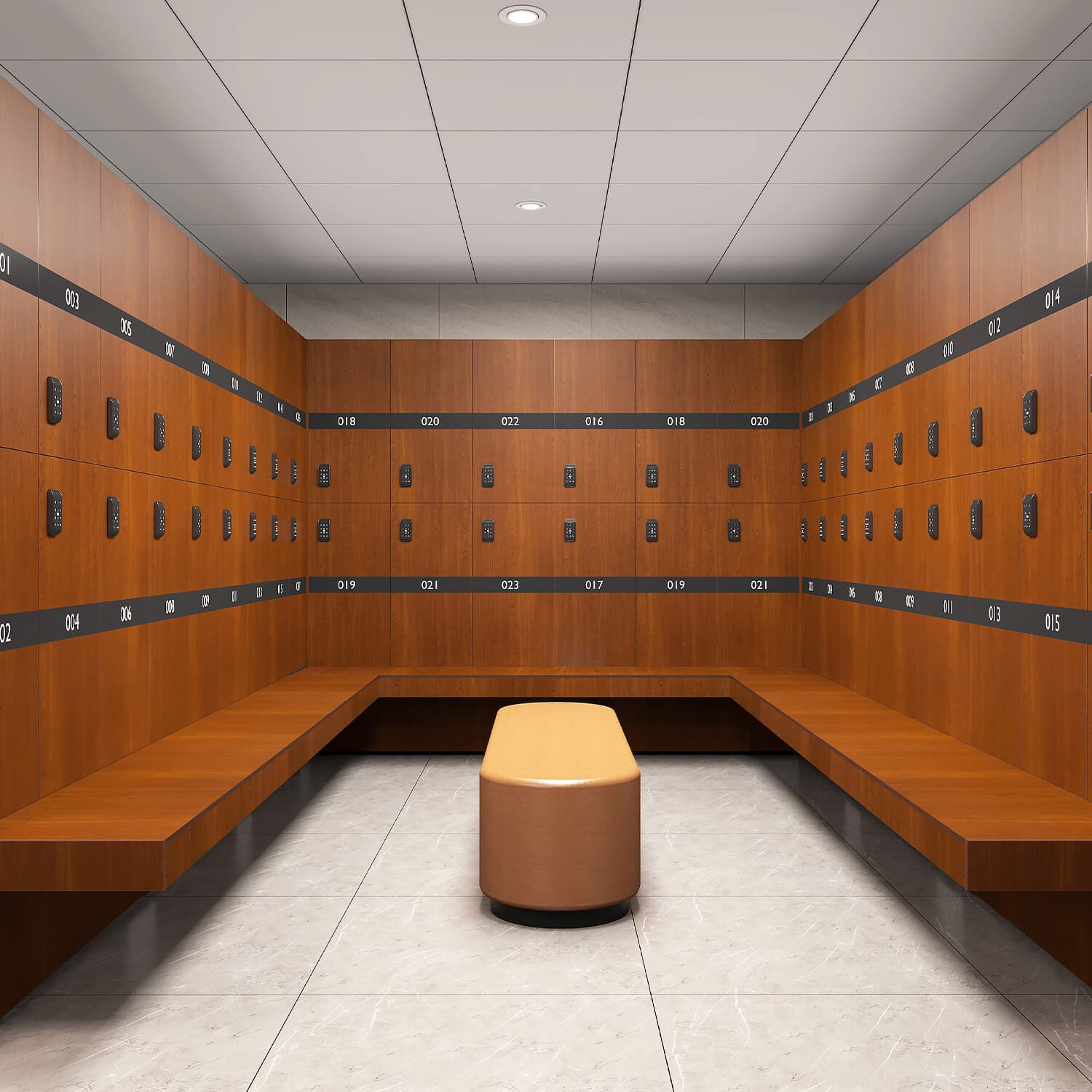
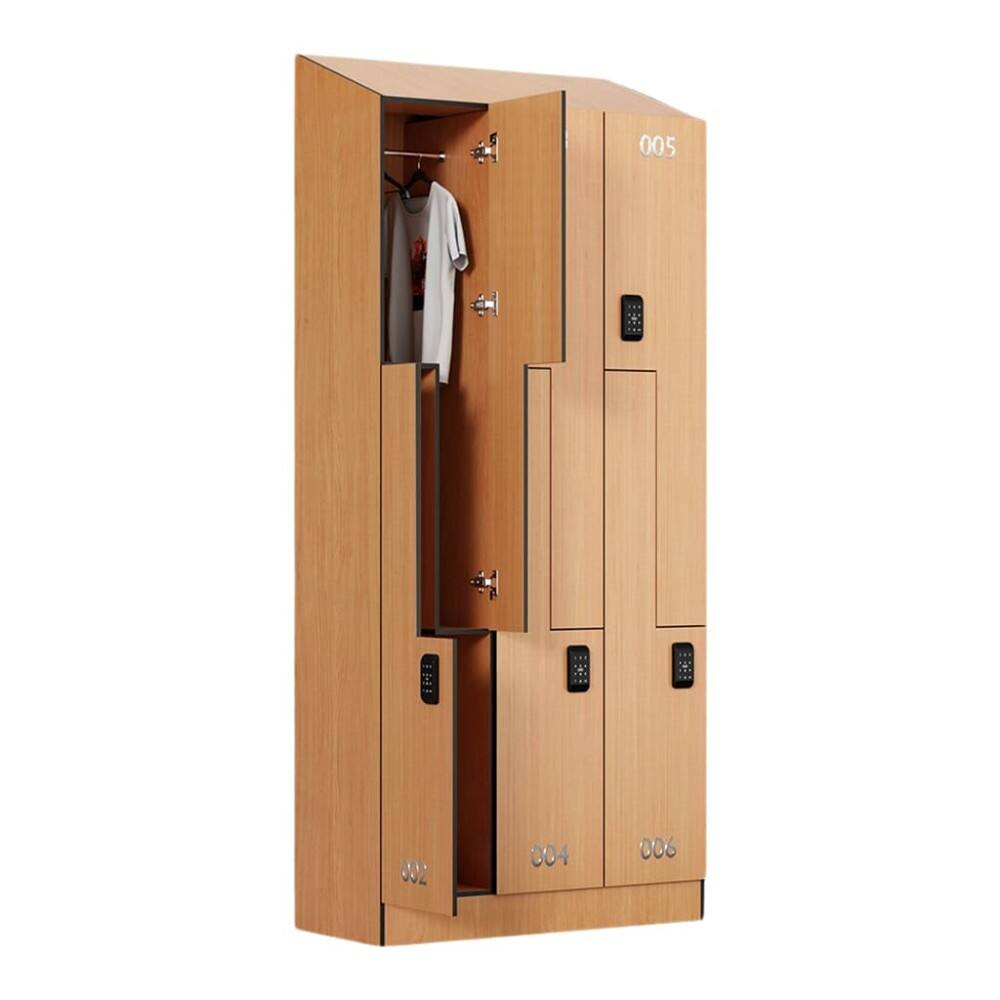
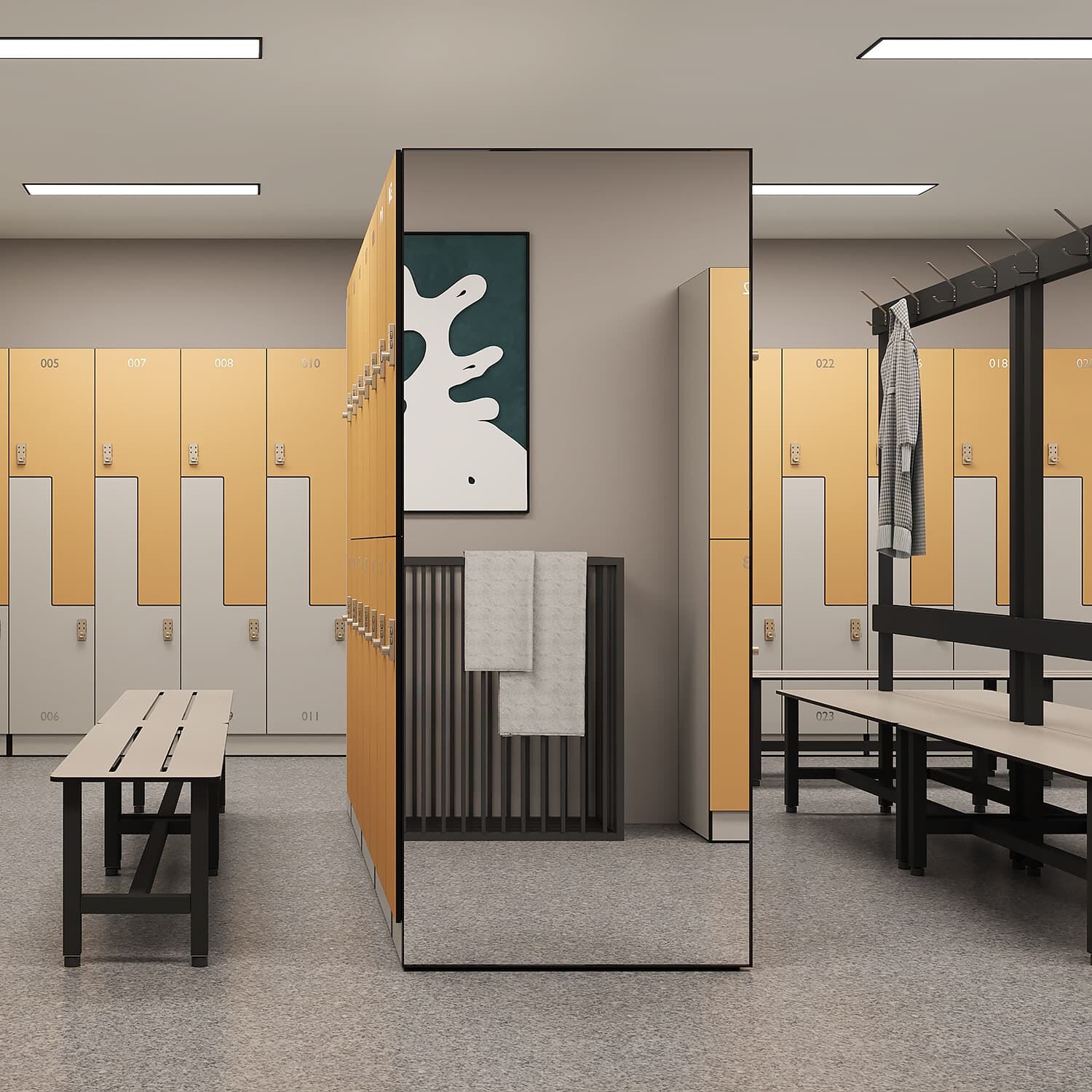
RFID lockers represent a revolutionary advancement in secure storage solutions, combining Radio Frequency Identification technology with traditional locker systems to create intelligent, automated storage facilities. These innovative storage units utilize electromagnetic fields to automatically identify and track tags attached to objects, eliminating the need for physical keys or manual access codes. The core functionality of RFID lockers centers around contactless identification, where users simply present their RFID-enabled card, fob, or mobile device to gain instant access to their designated storage compartment. The technological framework consists of RFID readers, antennas, microprocessors, and secure locking mechanisms that work together seamlessly. When a user approaches an RFID locker, the reader detects the unique identifier stored on their RFID tag, verifies their authorization against a central database, and automatically unlocks the appropriate compartment. This process occurs within milliseconds, providing immediate access while maintaining comprehensive security protocols. Modern RFID lockers incorporate advanced features such as real-time monitoring, usage analytics, and remote management capabilities. These systems can track occupancy rates, monitor access patterns, and generate detailed reports for facility managers. The technology supports multiple frequency bands, including low frequency, high frequency, and ultra-high frequency options, allowing customization based on specific environmental requirements and security needs. RFID lockers find extensive applications across diverse sectors including educational institutions, corporate offices, healthcare facilities, recreational centers, and transportation hubs. In schools and universities, they provide students with secure storage for personal belongings, books, and electronic devices. Corporate environments utilize these systems for employee storage, visitor management, and equipment checkout processes. Healthcare facilities implement RFID lockers for medication storage, personal protective equipment distribution, and patient belongings management. The versatility of RFID lockers extends to specialized applications such as evidence storage in law enforcement, asset management in manufacturing, and temporary storage in retail environments.

New Product Recommendations

RFID lockers deliver substantial operational benefits that transform traditional storage management into an efficient, secure, and user-friendly experience. The primary advantage lies in enhanced security protocols that surpass conventional locking mechanisms. Unlike traditional keys or combination locks that can be duplicated, lost, or compromised, RFID technology provides unique digital signatures that are extremely difficult to replicate or hack. Each RFID tag contains encrypted data that changes dynamically, creating multiple layers of protection against unauthorized access attempts. This advanced security framework reduces theft incidents, minimizes unauthorized usage, and provides comprehensive audit trails for all access activities. Operational efficiency represents another significant advantage of RFID lockers, as they eliminate time-consuming manual processes associated with traditional storage systems. Users no longer need to remember combinations, carry physical keys, or wait for staff assistance to access their belongings. The contactless nature of RFID technology enables quick, seamless interactions that reduce queue times and improve user satisfaction. Facility managers benefit from automated monitoring capabilities that provide real-time insights into locker utilization, helping optimize space allocation and identify usage patterns. Cost reduction emerges as a compelling advantage through reduced maintenance requirements and eliminated key replacement expenses. RFID lockers minimize mechanical wear and tear associated with traditional locking mechanisms, resulting in lower maintenance costs and extended equipment lifespan. The elimination of physical key management removes expenses related to key cutting, replacement, and administrative overhead. Additionally, automated systems reduce staffing requirements for locker management, allowing personnel to focus on higher-value activities. Flexibility and scalability make RFID lockers particularly attractive for growing organizations. The digital nature of the system allows easy addition or removal of users, modification of access permissions, and integration with existing security infrastructure. Managers can instantly grant or revoke access privileges, create temporary access for visitors, and establish time-based restrictions without physical modifications to the locker system. Integration capabilities with existing software systems, including human resources databases, student information systems, and facility management platforms, create seamless operational workflows. The user experience advantage cannot be overstated, as RFID lockers provide intuitive, modern interactions that meet contemporary expectations for convenience and efficiency. The technology supports multiple access methods, including cards, key fobs, and mobile applications, accommodating diverse user preferences and technological comfort levels.

Tips And Tricks

Which Factors Affect HPL Locker Performance?

30

Apr

Which Factors Affect HPL Locker Performance?

Understanding the performance factors of HPL lockers is crucial for facility managers and architects seeking durable, reliable storage solutions. High-pressure laminate technology delivers exceptional resistance to moisture, impact, and daily wear, b...
View More
How do phenolic lockers perform in high humidity areas?

15

May

How do phenolic lockers perform in high humidity areas?

High humidity environments present significant challenges for storage solutions in commercial, educational, and recreational facilities. When moisture levels consistently exceed 60-70%, traditional locker materials such as painted steel, laminated wo...
View More
Which security features matter most in locker selection?

15

May

Which security features matter most in locker selection?

Choosing the right locker for your facility goes far beyond aesthetics or storage capacity. Whether you manage a fitness center, bowling alley, corporate office, or recreational complex, the security features built into your locker system directly de...
View More
What should buyers consider for phenolic lockers?

18

May

What should buyers consider for phenolic lockers?

In the world of facility management and interior design, choosing the right storage solution is a balance between aesthetics, durability, and cost-effectiveness. Phenolic lockers have emerged as the premier choice for demanding environments, offer...
View More

Get a Free Quote

Our representative will contact you soon.
Email
Name
Message
0/1000

rfid lockers

Advanced Security and Access Control

Advanced Security and Access Control

RFID lockers revolutionize security through sophisticated access control mechanisms that provide unprecedented protection for stored items while maintaining detailed accountability records. The security architecture employs multiple authentication layers, beginning with unique RFID tag identification that contains encrypted digital certificates impossible to duplicate using conventional methods. Each access attempt triggers a comprehensive verification process that checks the presented credentials against authorized user databases in real-time, ensuring only legitimate users gain entry to their designated storage spaces. The system maintains detailed audit logs that record every interaction, including successful access attempts, failed authorization tries, and administrative activities, creating an unalterable chain of custody documentation. This comprehensive tracking capability proves invaluable for compliance requirements, security investigations, and operational analysis. Advanced RFID lockers incorporate biometric integration options, combining RFID convenience with fingerprint or facial recognition technology for enhanced security in high-risk environments. The multi-factor authentication approach significantly reduces security vulnerabilities while maintaining user convenience. Time-based access controls allow administrators to establish specific operating hours, temporary access permissions, and emergency override procedures, ensuring appropriate access management across different operational scenarios. The system can instantly disable lost or stolen RFID credentials without requiring physical modifications to locking mechanisms, a significant advantage over traditional key-based systems. Real-time monitoring capabilities provide immediate alerts for suspicious activities, unauthorized access attempts, or system malfunctions, enabling rapid response to potential security breaches. The encrypted communication protocols between RFID readers and central management systems prevent data interception and maintain information integrity throughout the access process. Regular security updates and firmware upgrades ensure the system remains protected against evolving cyber threats, while backup authentication methods provide continuity during system maintenance or technical issues. Integration with existing security infrastructure, including surveillance cameras and alarm systems, creates comprehensive protection ecosystems that enhance overall facility security.
Operational Efficiency and Cost Savings

Operational Efficiency and Cost Savings

The operational efficiency delivered by RFID lockers transforms storage management from a labor-intensive process into an automated, streamlined operation that generates significant cost savings while improving service quality. Automated locker assignment eliminates manual allocation processes, allowing users to receive available storage spaces instantly without administrative intervention. The system optimizes space utilization through intelligent algorithms that track occupancy patterns, identify underutilized areas, and recommend reallocation strategies to maximize capacity efficiency. Real-time availability monitoring provides instant updates on locker status, preventing double bookings and reducing user frustration associated with unavailable storage options. Maintenance scheduling becomes predictive rather than reactive, as RFID lockers monitor component performance and usage statistics to identify potential issues before they cause system failures. This proactive approach minimizes downtime, reduces emergency repair costs, and extends equipment lifespan through optimal maintenance timing. Energy efficiency features, including power management systems and low-power RFID components, reduce operational electricity costs while supporting environmental sustainability initiatives. The elimination of physical key management removes substantial administrative overhead, including key cutting expenses, replacement costs for lost keys, and staff time spent on key distribution and collection activities. Automated reporting capabilities generate comprehensive usage statistics, financial summaries, and operational metrics without manual data collection, saving countless hours of administrative work while providing accurate information for decision-making processes. Integration with existing facility management systems creates seamless workflows that eliminate duplicate data entry, reduce errors, and improve overall operational coordination. Remote management capabilities allow administrators to monitor and control locker systems from any location, reducing on-site staffing requirements and enabling rapid response to issues or user requests. Scalability advantages ensure that expanding locker systems require minimal additional infrastructure investment, as new units integrate seamlessly with existing networks and management platforms. The standardization of access procedures across different locker installations reduces training requirements and minimizes user confusion, particularly beneficial for organizations with multiple locations or diverse user populations.
User Experience and Convenience

User Experience and Convenience

RFID lockers deliver exceptional user experiences through intuitive interfaces, rapid access procedures, and flexible authentication options that accommodate diverse user preferences and technological capabilities. The contactless interaction model eliminates physical contact with potentially contaminated surfaces, a feature that has become increasingly important for health and safety considerations. Users simply approach their designated locker and present their RFID-enabled device, triggering an immediate authentication process that typically completes within milliseconds. The visual and auditory feedback systems provide clear confirmation of successful access, with LED indicators and acoustic signals guiding users through the interaction process. Mobile application integration extends convenience by allowing users to locate available lockers, reserve storage spaces in advance, and receive notifications about access activities or storage reminders. The applications often include mapping features that help users navigate to their assigned lockers within large facilities, reducing time spent searching for specific storage locations. Customizable access methods accommodate different user populations, with options including proximity cards for employees, temporary codes for visitors, and smartphone applications for tech-savvy users. The system supports multiple languages and accessibility features, ensuring inclusive access for diverse user communities. Automated locker sizing recommendations help users select appropriate storage spaces based on their specific needs, optimizing space utilization while ensuring adequate storage capacity. Real-time status updates inform users about locker availability, rental periods, and approaching expiration times, enabling better planning and preventing unexpected access restrictions. Emergency access procedures ensure users can retrieve belongings during system maintenance or power outages, with manual override capabilities and alternative authentication methods. The learning algorithms analyze usage patterns to provide personalized recommendations, such as suggesting optimal locker locations based on user traffic patterns or recommending extended rental periods during busy seasons. Customer support integration allows users to request assistance, report issues, or ask questions directly through the locker interface or mobile application, ensuring rapid resolution of any concerns. Detailed usage history provides users with comprehensive records of their locker activities, including access times, storage duration, and associated costs, supporting personal organization and expense tracking requirements.
onlineONLINE