EN
EN


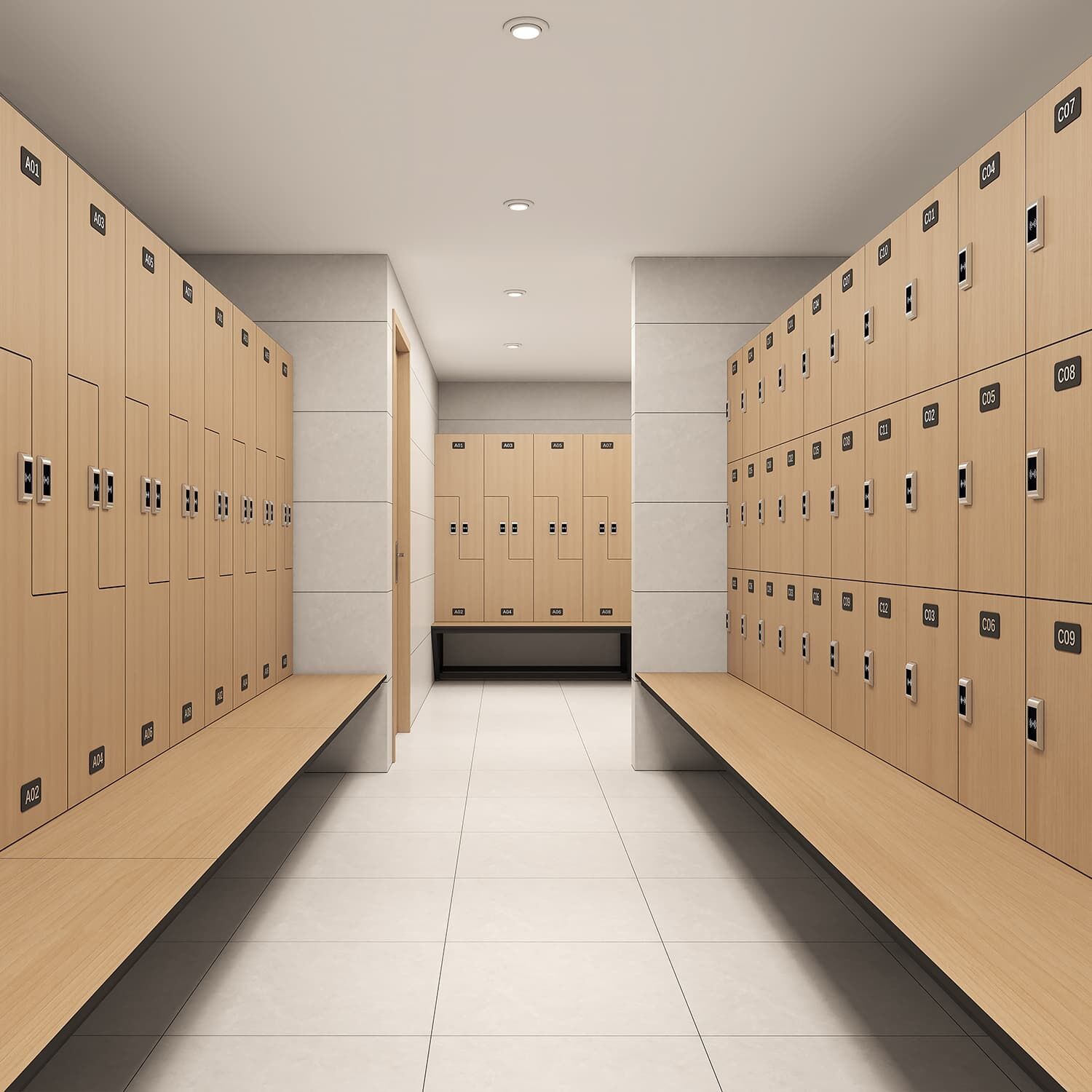
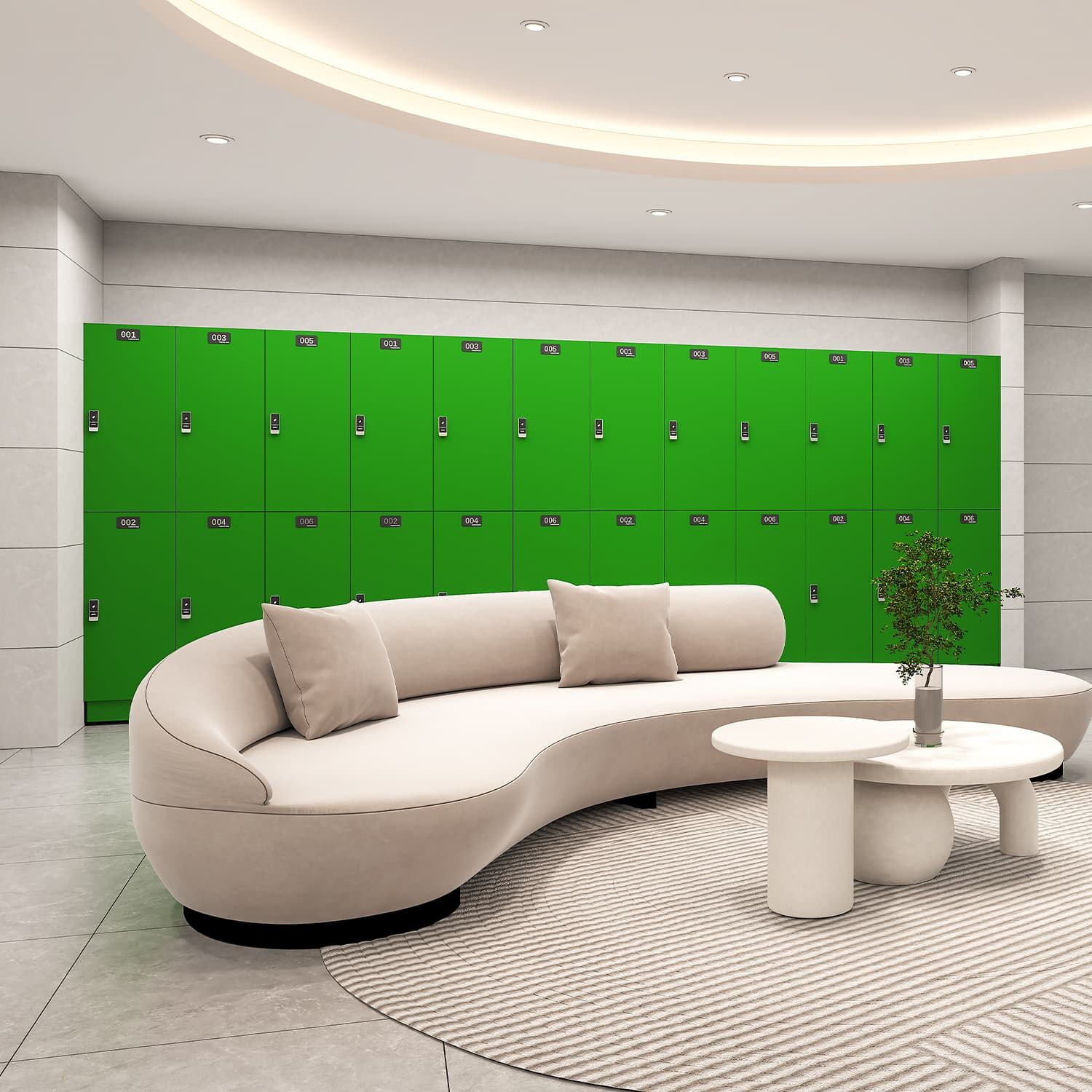
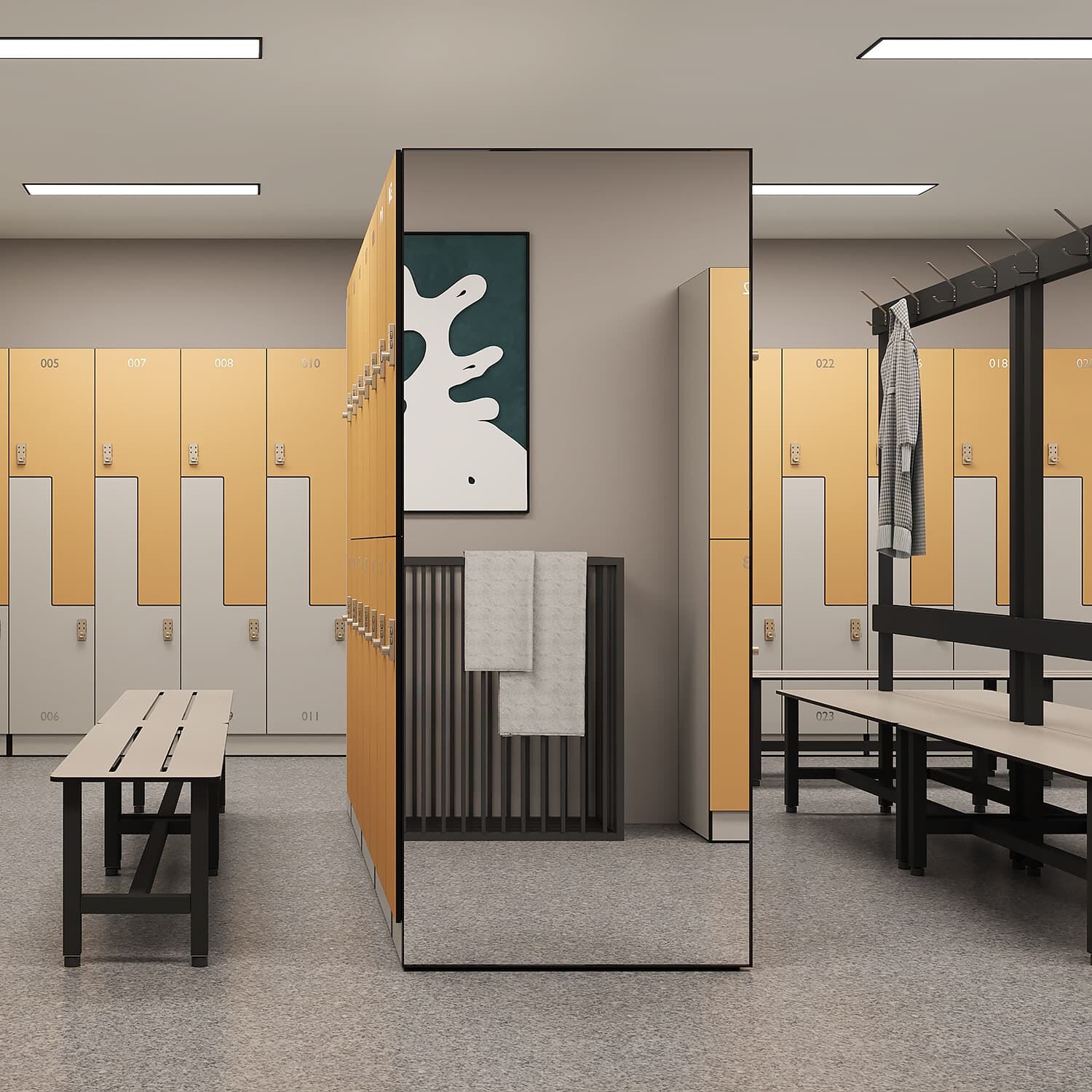
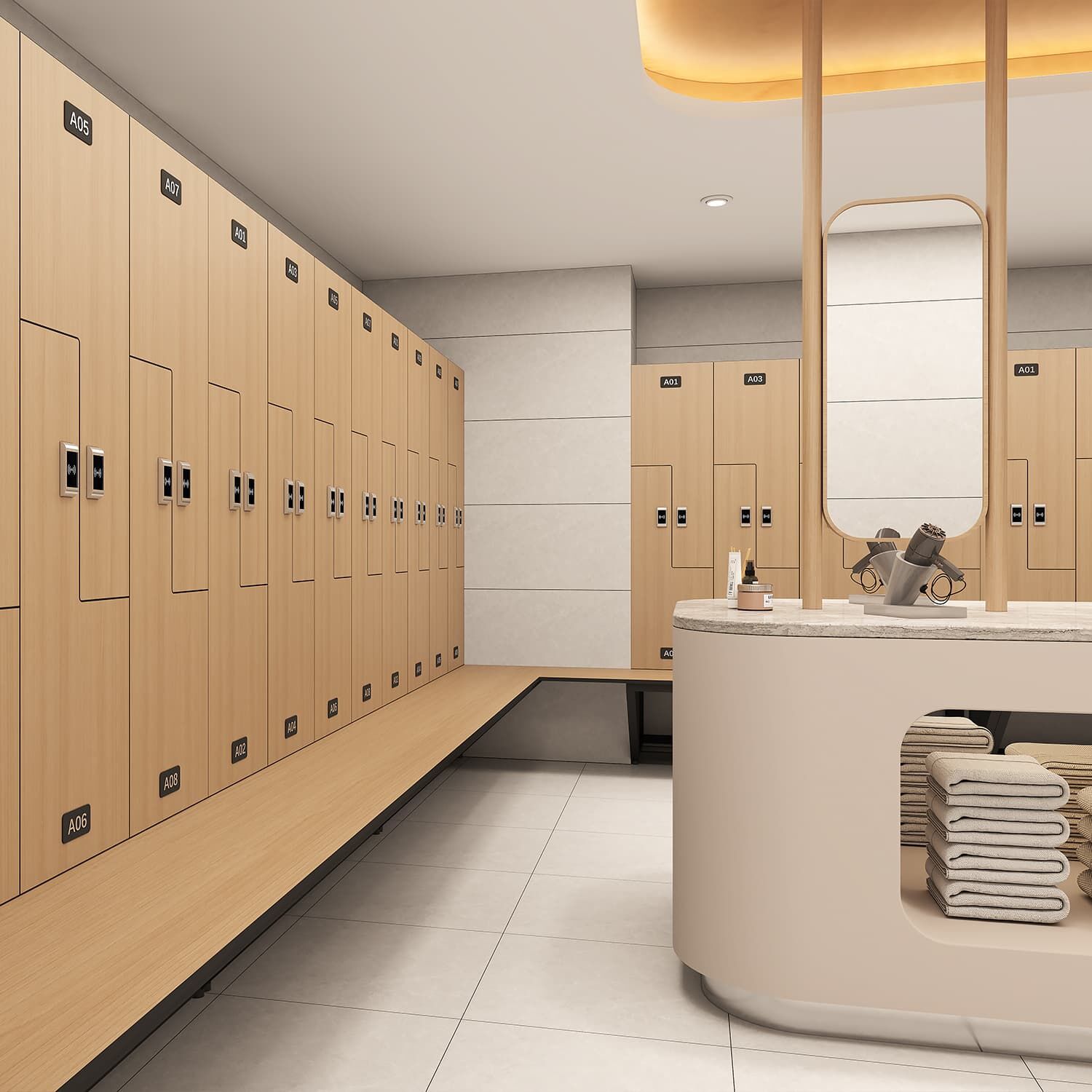
When selecting storage solutions for demanding commercial environments, the material at the heart of every locker matters more than most buyers initially realize. hpl lockers have earned a strong reputation across hospitals, gyms, schools, and corporate facilities precisely because High Pressure Laminate fundamentally changes what a locker can endure. The question is not simply whether HPL looks better than alternatives — it is about how the material composition translates into measurable, long-term durability advantages that facility managers and procurement teams can depend on.
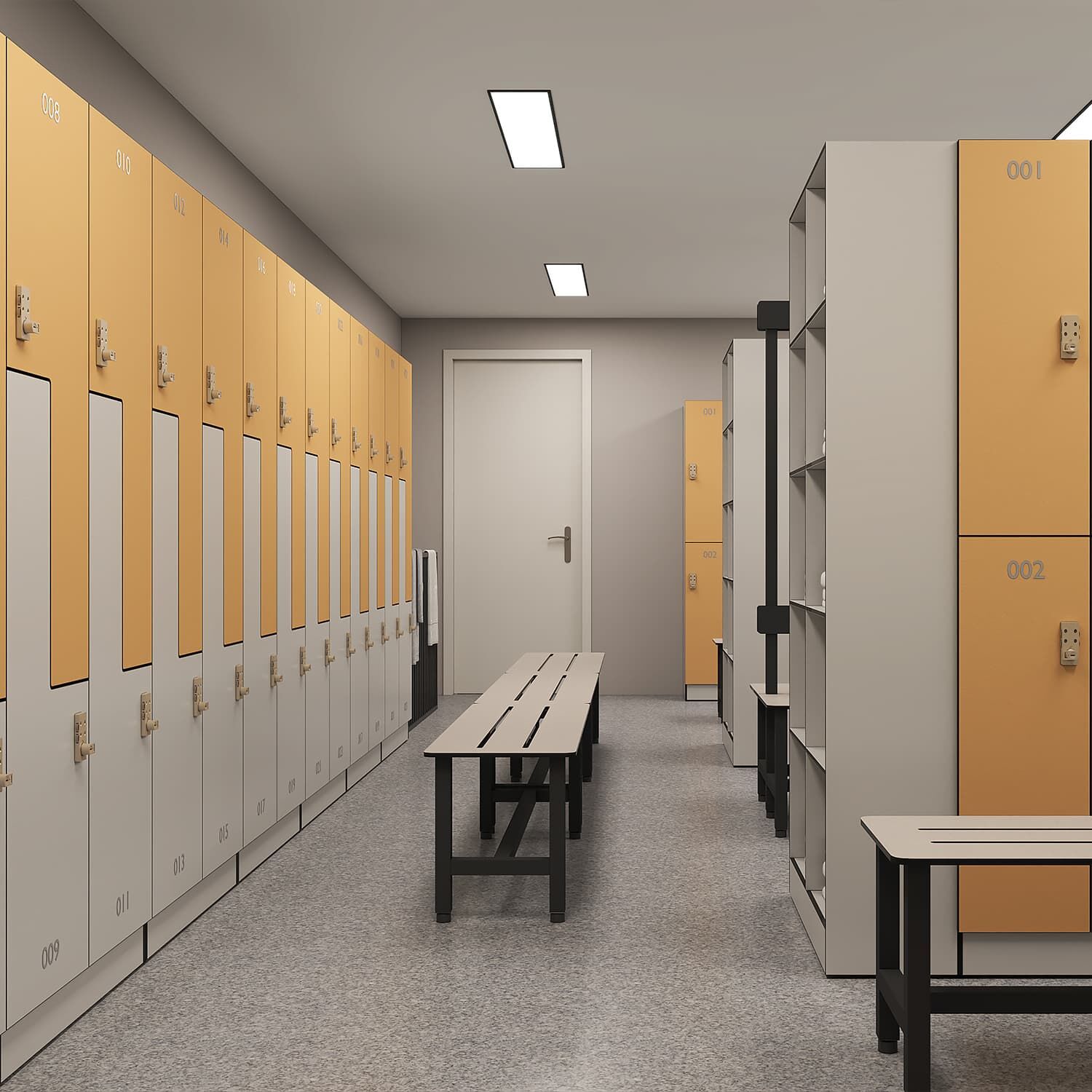
HPL material, produced by bonding multiple layers of kraft paper and decorative sheets under extreme heat and pressure with thermosetting resins, creates a rigid surface that outperforms standard alternatives across nearly every durability metric. Understanding how this process improves hpl lockers requires a closer look at the structural and chemical properties involved. From impact resistance to moisture management, the performance gains are directly traceable to what HPL is made of and how it is engineered. This article examines each of those mechanisms in detail so buyers can make genuinely informed storage decisions.
The Structural Science Behind HPL Locker Durability
How High Pressure Manufacturing Creates a Superior Surface
The defining characteristic of HPL is not just its surface appearance but the way it is manufactured. Layers of cellulose paper are saturated with thermosetting resins, then consolidated under pressures exceeding 1,000 pounds per square inch at elevated temperatures. This process causes the resin to polymerize completely, forming a cross-linked molecular structure that resists deformation under physical stress. The result is a panel that behaves more like an engineered composite than a simple decorative surface.
For hpl lockers, this manufacturing process means the door panels, side walls, and shelving components can withstand repeated impacts without cracking, chipping, or delaminating. In environments such as gym changing rooms or school corridors where lockers receive constant physical contact, this structural integrity directly reduces the frequency of visible damage. The cross-linked resin structure also prevents the surface from absorbing localized stress in the way that softer materials like melamine or MDF-faced panels do, making each impact less likely to cause permanent deformation.
Beyond impact performance, the compression bonding process eliminates the microscopic voids and inconsistencies found in lower-grade laminates. This dense, uniform surface gives hpl lockers a much longer service life before maintenance or panel replacement becomes necessary. Facility operators in high-traffic environments often report that HPL installations require significantly less reactive upkeep compared to alternative locker materials, even after years of daily use.
The Role of Core Materials in Overall Panel Strength
While the HPL surface layer provides the hardness and resistance properties, the core material bonded beneath it also plays a critical role in determining overall locker rigidity. Most quality hpl lockers use either moisture-resistant MDF cores or particle board with added binding agents that work in combination with the HPL surface. The core provides the dimensional stability that prevents panels from warping or bowing under load or temperature variation.
When the core is properly rated for moisture resistance and the HPL surface is applied with correct adhesive techniques, the resulting panel system behaves as a unified structural element. This means that the load-bearing capacity of hpl lockers extends beyond the surface layer into the full thickness of each component. Heavy items stored inside will not cause shelf deflection or door misalignment at the rates seen in lockers made from materials with weaker core systems.
For facility managers evaluating total cost of ownership, this structural coherence is highly relevant. A locker that maintains its dimensional accuracy over five to ten years requires far fewer hinge adjustments, latch replacements, and frame realignments. The combination of a dense HPL skin and a stable engineered core is what allows hpl lockers to sustain their functional performance well beyond the lifecycle of many competing storage systems.
Moisture and Chemical Resistance in HPL Lockers
Why HPL Surfaces Repel Moisture in Wet Environments
One of the most commercially significant durability advantages of HPL material is its moisture resistance. In environments like hospital locker rooms, swimming pool changing areas, or sports facility wet zones, the ambient humidity is consistently high and surfaces are frequently exposed to water splashes. Conventional locker materials such as untreated wood composites or powder-coated steel can absorb moisture, leading to swelling, corrosion, or surface blistering over time.
HPL lockers address this vulnerability through the inherent hydrophobic properties of the laminate surface. The polymerized resin matrix in HPL does not absorb liquid water under normal conditions because the molecular structure leaves no open pathways for water ingress. Even in environments where the surface is repeatedly wiped down or exposed to steam, properly manufactured HPL panels maintain their dimensional stability and surface integrity.
This moisture resistance is not simply a surface coating that can wear off with cleaning. It is intrinsic to the material composition itself. This is a crucial distinction for procurement teams specifying hpl lockers for healthcare or aquatic facilities, where surfaces must also endure frequent disinfection cycles. The resistance to water absorption ensures that the panels do not become breeding grounds for mold, bacteria, or structural deterioration from within the material itself.
Resistance to Cleaning Agents and Disinfectants
Commercial environments increasingly require lockers that can withstand regular exposure to strong cleaning chemicals, including alcohol-based disinfectants, bleach solutions, and industrial-grade sanitizers. In hospitals and healthcare settings especially, infection control protocols demand surfaces that can be wiped down multiple times daily without degrading. This is an area where hpl lockers show a measurable durability advantage over alternatives.
The cross-linked resin surface of HPL does not react chemically with most common cleaning agents at standard concentrations. It resists discoloration, surface etching, and delamination that can occur when corrosive chemicals contact less stable materials. This chemical inertness means that the maintenance routines required for hygiene compliance in regulated environments do not simultaneously degrade the locker surfaces, as they often do with painted metal or lower-grade laminate products.
Over time, this resistance translates into lockers that look and perform consistently well even after years of rigorous cleaning. For facility managers who must balance hygiene standards with asset lifecycle management, hpl lockers offer a particularly practical solution. The surfaces can be maintained to visual and hygienic standards without the kind of surface degradation that typically triggers early replacement decisions.
Scratch and Abrasion Resistance in High-Traffic Settings
Surface Hardness Compared to Alternative Locker Materials
Surface hardness is a direct indicator of how well a locker material resists the everyday abrasions that accumulate in busy facilities. Gyms, schools, and transit hubs see thousands of interactions with locker surfaces every day — keys, belt buckles, equipment bags, and sharp objects all leave their mark on softer materials. HPL material scores significantly higher on standard scratch resistance tests than painted steel, vinyl-wrapped panels, or basic melamine surfaces.
For hpl lockers, this hardness advantage means that the surface retains its visual appearance and functional integrity far longer without requiring refinishing or panel replacement. The decorative layer within the HPL stack is protected not only by the clear resin overlay but by the overall density of the laminate itself. This density distributes and absorbs surface stresses more effectively than thin decorative coatings applied over base substrates.
From a procurement perspective, the scratch resistance of hpl lockers is especially relevant in educational and sports environments where vandalism and rough handling are practical realities. Investing in a surface that withstands these conditions without visibly deteriorating reduces the total expense associated with cosmetic repairs and the loss of presentable aesthetics that can negatively reflect on facility quality.
Edge and Corner Performance Under Repeated Contact
While surface hardness matters across locker panels, the edges and corners of locker doors and carcasses are particularly vulnerable stress points. These areas absorb concentrated impact energy every time a door is opened or closed forcefully, and they are the first areas where delamination or chipping typically becomes visible in lower-quality products. HPL material handles these stress concentrations better than thinner laminates because the full-depth structural integrity of the laminate extends across the entire panel, including its edges.
Well-constructed hpl lockers incorporate edge banding or post-formed edges that seal the HPL layer around corners and minimize exposure at cut edges. When this is done correctly, the edge areas maintain moisture and impact resistance comparable to the main panel surfaces. This design consideration is an important quality differentiator when comparing hpl lockers across different manufacturers and product tiers.
Facility managers who have previously experienced early locker degradation at door edges and corner joints will recognize this as a practical durability factor. Replacing lockers because of corner delamination rather than structural failure is a frustrating cost that proper HPL edge treatment and panel quality largely eliminate. Specifying hpl lockers with verified edge detailing ensures that the durability benefits extend across the entire product rather than being limited to the flat panel surfaces alone.
Long-Term Performance and Return on Investment
Lifecycle Advantages Over Alternative Locker Materials
The cumulative durability properties of HPL material — impact resistance, moisture repulsion, chemical stability, and surface hardness — combine to produce a locker system with a service lifecycle that consistently exceeds alternatives. This extended lifecycle is not simply a marketing claim but a logical outcome of the physical properties described above. When a material resists degradation across multiple damage vectors simultaneously, its useful life extends correspondingly.
Facilities that invest in hpl lockers typically experience longer intervals between replacement cycles. A locker installation that lasts twelve to fifteen years rather than six to eight years at comparable aesthetics and function represents a substantial reduction in capital expenditure over any planning horizon. For large facilities with hundreds or thousands of locker units, this lifecycle difference becomes financially significant at the institutional level.
The return on investment calculation for hpl lockers should also incorporate reduced maintenance costs. Fewer service calls for hinge adjustment, surface repair, or mold remediation mean lower operational costs across the life of the installation. These savings are harder to quantify in advance but are consistently reported by facility managers who have transitioned from steel or basic laminate lockers to HPL systems.
Aesthetic Durability and its Operational Relevance
Durability in commercial lockers is not only a structural matter — it is also an aesthetic concern. Lockers that look degraded after two or three years reflect poorly on the quality of the facility and can influence user perception and satisfaction. HPL material resists the kinds of surface changes that make lockers look worn: staining, fading, surface erosion, and discoloration under UV exposure are all significantly reduced compared to more reactive surface materials.
For hpl lockers, this means that the color depth, surface texture, and overall visual quality remain close to their original specification for much longer periods of active use. In environments where brand presentation or facility image is commercially important — such as premium gyms, corporate offices, or private healthcare facilities — this aesthetic longevity adds genuine value beyond the purely structural durability arguments.
HPL is also available in an extensive range of colors, finishes, and textures, which means that aesthetic durability does not come at the cost of design flexibility. Facility designers can specify hpl lockers in configurations that match interior design requirements without compromising on the long-term performance standards that justify the material selection in the first place. This combination of design range and lasting aesthetics makes HPL a consistently practical choice for commercial storage procurement.
FAQ
What makes HPL lockers more durable than steel lockers in wet environments?
Steel lockers are susceptible to surface rust and corrosion when protective coatings are scratched or compromised by moisture exposure. HPL lockers do not corrode because the material does not contain ferrous metals. The inherent moisture resistance of HPL material means that prolonged exposure to humidity, water splashes, or steam does not degrade the structure or surface of the panels, making HPL a more reliable long-term choice for wet or high-humidity installations.
How often do HPL lockers need to be replaced in commercial settings?
In typical commercial applications with regular use and standard maintenance, hpl lockers are designed and expected to provide serviceable performance for ten to fifteen years or more. Actual service life depends on the quality of installation, the intensity of use, and the consistency of routine cleaning. High-quality HPL panels installed with proper edge treatment and moisture-resistant cores consistently reach the upper end of this range without requiring significant panel replacement.
Can HPL lockers be used in healthcare environments with strict hygiene requirements?
Yes, hpl lockers are widely used in hospitals and healthcare facilities precisely because the surface material can withstand frequent disinfection without degrading. The HPL surface resists chemical attack from alcohol-based disinfectants and bleach solutions at standard cleaning concentrations. This makes HPL an appropriate material choice for environments governed by strict infection control protocols where locker surfaces must be cleaned multiple times daily.
Is the durability of HPL lockers affected by direct sunlight or temperature variation?
HPL material has good UV stability relative to many other decorative surface materials, which means that color fading and surface degradation from sunlight exposure are significantly reduced compared to alternatives. While extreme prolonged UV exposure in outdoor installations can eventually affect any material, hpl lockers used in standard indoor commercial environments maintain their surface quality and dimensional stability across normal temperature and humidity variation without special treatment.
Table of Contents
- The Structural Science Behind HPL Locker Durability
- Moisture and Chemical Resistance in HPL Lockers
- Scratch and Abrasion Resistance in High-Traffic Settings
- Long-Term Performance and Return on Investment
-
FAQ
- What makes HPL lockers more durable than steel lockers in wet environments?
- How often do HPL lockers need to be replaced in commercial settings?
- Can HPL lockers be used in healthcare environments with strict hygiene requirements?
- Is the durability of HPL lockers affected by direct sunlight or temperature variation?