EN
EN


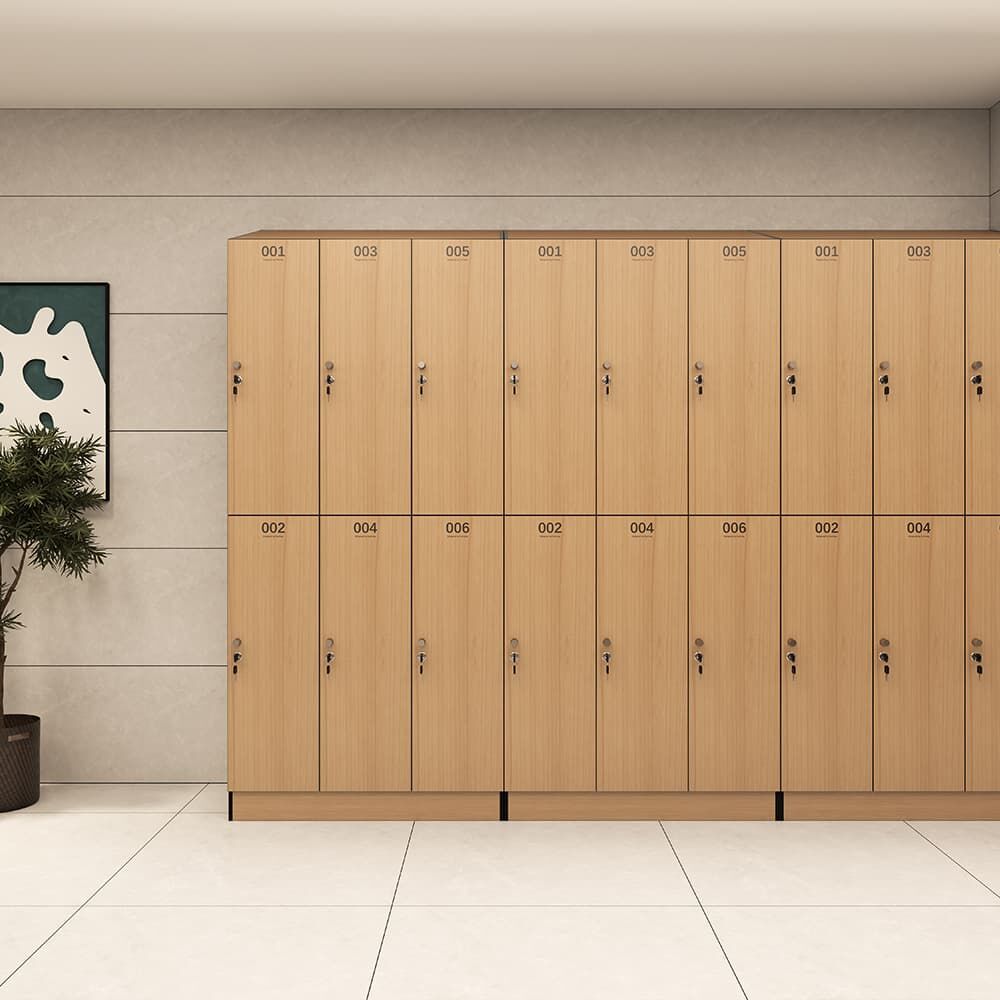
When selecting wooden lockers for commercial or institutional environments, the choice of wood material plays a decisive role in how long the units will last, how well they resist daily wear, and how they perform under demanding conditions. Whether you are outfitting a school, a gym, a corporate office, or a healthcare facility, understanding which wood types deliver the most durability can prevent costly replacements and maintenance headaches down the line. The material selection behind wooden lockers is not a minor detail — it is the foundation of the entire product's service life.
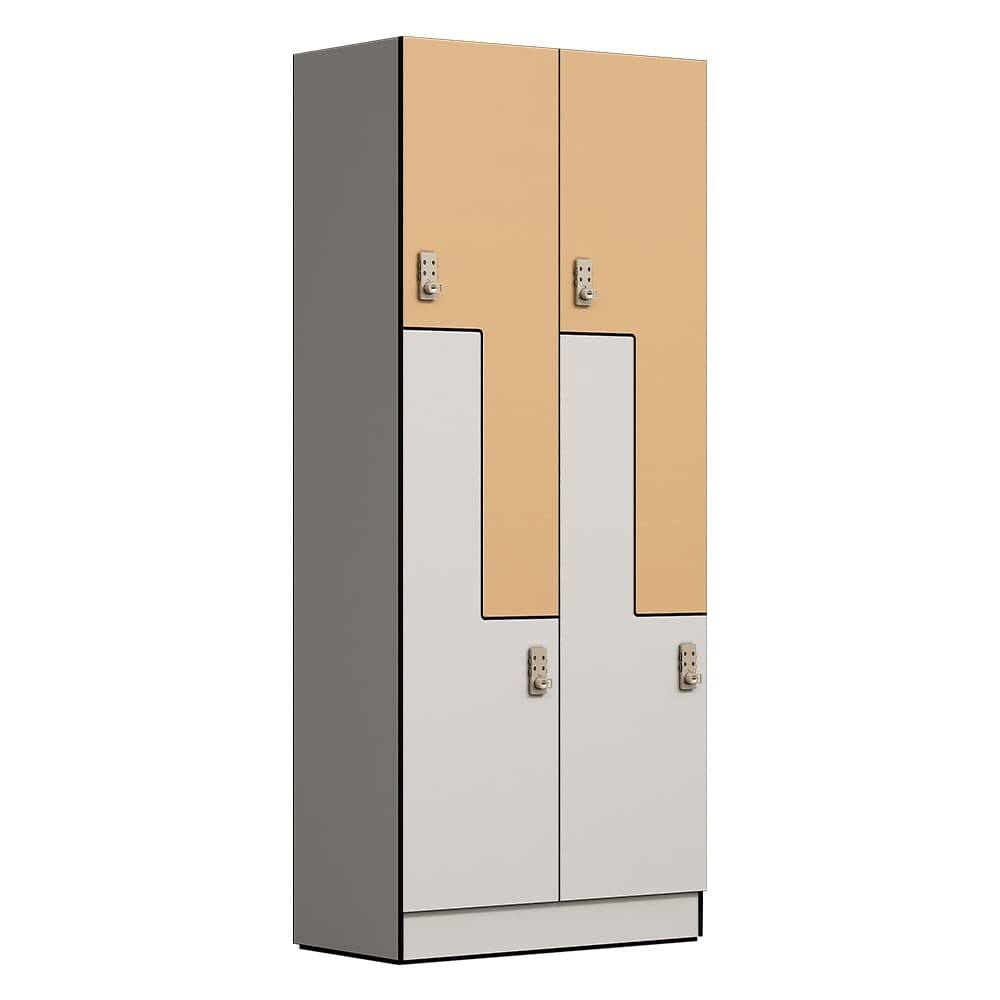
Wooden lockers are available across a wide spectrum of material grades, from solid hardwoods to engineered board products finished with protective laminates. Each category has distinct structural properties, moisture resistance levels, surface durability ratings, and cost implications. This article breaks down the most relevant wood types and engineered alternatives used in the production of high-performance wooden lockers, helping procurement managers, facility designers, and specifiers make confident and informed purchasing decisions.
Why the Wood Type Defines the Long-Term Performance of Wooden Lockers
Structural Integrity Under Heavy Use
Wooden lockers in commercial settings are opened and closed hundreds of times per week. The core material must withstand repeated mechanical stress without warping, cracking, or delaminating. Solid hardwoods like oak and beech have a naturally dense grain structure that resists physical deformation even after years of intensive use. This makes them a strong candidate when wooden lockers are required in high-traffic environments such as gymnasiums or changing rooms where users handle the units roughly.
The density of the wood directly correlates with the locker's ability to hold screws, hinges, and fittings over time. A material that is too soft will cause hardware to loosen prematurely, leading to sagging doors, misaligned locks, and structural failure. Hardwoods retain fastener grip far more reliably than softwoods, making them a technically superior choice when durability is the primary concern for wooden lockers used in demanding applications.
Dimensional Stability and Resistance to Warping
One of the most important performance characteristics for wooden lockers in environments with fluctuating humidity — such as locker rooms, pool facilities, and sports centers — is dimensional stability. Solid wood naturally expands and contracts with moisture changes, and if this movement is uncontrolled, it leads to warping, door misalignment, and joint failure. This is a key reason why engineered wood products such as high-pressure laminate boards and moisture-resistant MDF have become the dominant core material in professionally manufactured wooden lockers.
Engineered boards are manufactured under controlled conditions that minimize internal stress and moisture absorption. When combined with a high-pressure laminate or melamine surface, the resulting panel is far more dimensionally stable than untreated solid wood. For wooden lockers deployed in humid or semi-humid spaces, this stability is not just a preference — it is a technical requirement that directly determines whether the product meets its intended service life.
Solid Hardwoods and Their Role in Premium Wooden Lockers
Oak: Durability Meets Aesthetic Appeal
Oak is one of the most recognized hardwoods used in furniture and storage applications globally. Its high Janka hardness rating means it resists surface denting and abrasion effectively, which is valuable for wooden lockers that face daily contact with bags, shoes, sports equipment, and metal fittings. The tight grain of oak also makes it less porous than many alternatives, giving it a moderate level of natural moisture resistance when properly finished with sealants or lacquers.
In terms of aesthetics, oak offers a warm, natural tone that suits corporate lobbies, hospitality environments, and high-end fitness centers where the visual quality of wooden lockers contributes to the overall space design. However, solid oak lockers come at a premium price point and require consistent maintenance — including periodic re-sealing — to preserve their performance over time. For buyers where budget is not a constraint and aesthetic longevity is critical, solid oak remains a defensible choice.
Beech: The Industrial Standard for Hardwood Lockers
Beech is widely regarded as one of the most practical hardwoods for manufacturing wooden lockers at scale. It is harder than many other European hardwoods, has a uniform, fine grain that takes finishes exceptionally well, and is available at a lower cost than oak or walnut. These properties have made beech a preferred material in institutional and educational settings where wooden lockers must balance durability with budget efficiency.
The smooth texture of beech allows for clean laminate bonding or lacquer application, resulting in a surface that resists scratching and is easy to clean. Facilities managers appreciate this because it reduces ongoing maintenance demands. When wooden lockers are specified for schools, universities, or corporate wellness facilities, beech-core or beech-finished panels often represent the optimal balance of strength, workability, and cost-per-unit across the locker bank.
Engineered Wood Products Dominating Modern Wooden Locker Construction
High-Pressure Laminate Boards: The Performance Standard
High-pressure laminate, commonly referred to as HPL, has become the industry benchmark for constructing durable wooden lockers in commercial and institutional markets. HPL is produced by bonding multiple layers of resin-saturated kraft paper under extreme pressure and heat, resulting in a panel with exceptional hardness, abrasion resistance, and moisture resistance. The surface hardness of HPL far exceeds that of standard melamine-faced boards or PVC-coated panels, making it the preferred choice for wooden lockers placed in high-abuse environments.
HPL-faced wooden lockers are also highly resistant to chemical exposure, including cleaning agents and disinfectants used in healthcare or fitness environments. This makes them suitable for settings where hygiene protocols are strict. The substrate beneath the HPL surface is typically a moisture-resistant particleboard or MDF core, which provides the necessary rigidity while the HPL layer handles surface protection. The combination delivers wooden lockers that can maintain their appearance and structural integrity for over a decade with minimal maintenance.
Moisture-Resistant MDF and Particleboard Cores
Medium-density fiberboard and particleboard are the most commonly used core materials in commercially produced wooden lockers. While standard-grade versions of these boards are not suitable for humid environments, moisture-resistant formulations — identifiable by their green-tinted core — offer substantially improved performance in spaces where condensation, splashing, or elevated ambient humidity is a regular condition.
Moisture-resistant MDF provides a denser, smoother surface for laminate adhesion compared to particleboard, making it the preferred substrate for wooden lockers that require a high-quality surface finish. Particleboard cores are more cost-effective and are widely used in budget-tier wooden lockers where load requirements are lower and the environment is relatively dry. Specifiers should always confirm the core material grade against the intended installation environment before committing to a purchase, particularly for wooden lockers destined for gyms or changing areas.
Selecting the Right Wood Type Based on Installation Environment
Humid and High-Traffic Environments
Gyms, changing rooms, swimming pool facilities, and sports complexes represent the most demanding installation contexts for wooden lockers. In these environments, moisture management is the single most critical factor. Solid woods without proper finishing and sealing will absorb moisture, swell, and eventually split. The recommended approach for these settings is HPL-surfaced wooden lockers built on moisture-resistant engineered board cores, which provide a sealed system that isolates the structural panel from moisture ingress.
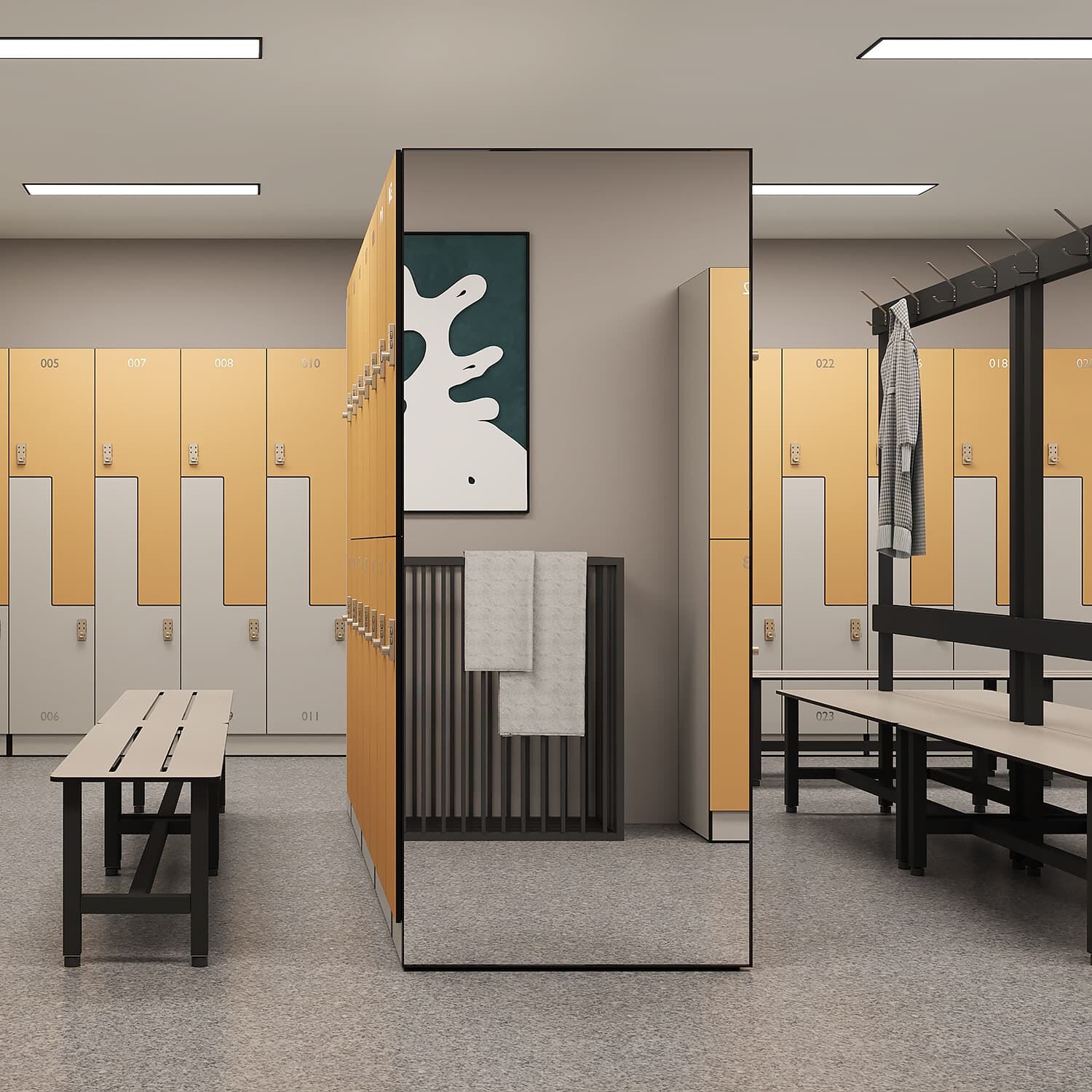
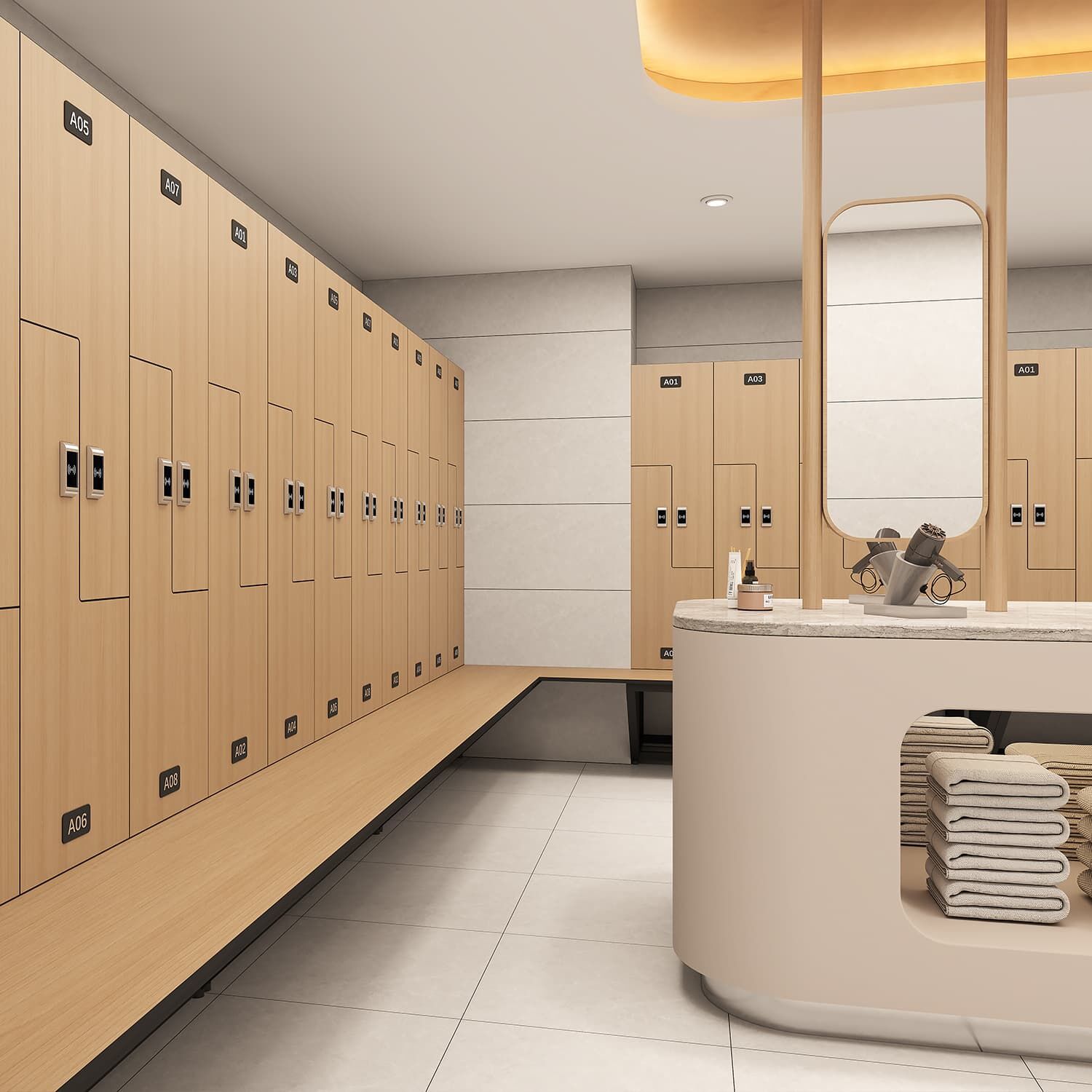
The bench-integrated locker format is particularly popular in gym and changing room applications because it combines storage and seating in a compact footprint. In these installations, the base structure and bench surface must also use moisture-resistant materials. HPL-finished wooden lockers with treated edges and waterproof joinery adhesives are the technically correct specification for wet or high-humidity zones, and they should be prioritized over untreated solid wood options regardless of cost savings.
Corporate, Educational, and Healthcare Applications
In corporate offices, schools, and healthcare facilities, the performance requirements for wooden lockers shift slightly. While durability and surface resistance remain important, the emphasis also falls on hygiene, ease of cleaning, and aesthetic coherence with the interior design scheme. Beech-core or HPL-surfaced wooden lockers in neutral tones work well in these environments, offering a professional appearance that can be maintained with standard cleaning protocols.
For healthcare settings, the ability to withstand repeated contact with clinical-grade disinfectants without surface degradation is an important specification point. HPL wooden lockers tested to relevant surface hardness and chemical resistance standards are the safest choice for these applications. Facility managers should request material certification data from suppliers to verify compliance before finalizing locker specifications for sensitive environments.
FAQ
What is the most durable material for wooden lockers used in gym environments?
For gym and changing room environments, HPL-surfaced wooden lockers built on moisture-resistant board cores represent the most durable solution. HPL provides high surface hardness, abrasion resistance, and effective moisture protection, all of which are essential in high-humidity, high-traffic settings. The sealed surface also resists bacteria and mold growth, making it hygienically suitable for wet areas.
Are solid wood lockers better than engineered wood lockers?
Solid wood lockers offer aesthetic warmth and natural density, but they are more susceptible to moisture-related dimensional movement than engineered alternatives. In most commercial applications, HPL or moisture-resistant MDF-core wooden lockers outperform solid wood in terms of long-term stability, consistency, and cost efficiency. Solid wood may be preferred in premium, low-humidity settings where aesthetics take priority over moisture resistance.
How does the wood type affect the maintenance requirements of wooden lockers?
The wood type and surface finish directly determine how much maintenance wooden lockers require. HPL-finished panels need only regular wiping with mild cleaners and have no refinishing requirements. Solid wood lockers require periodic re-sealing or lacquering to maintain moisture resistance and surface integrity. Engineered board wooden lockers with sealed edges and laminate surfaces are generally the lowest-maintenance option over a multi-year operational period.
Can wooden lockers be used outdoors or in semi-outdoor spaces?
Standard wooden lockers are designed for indoor use and are not suited to fully outdoor installations where they would be exposed to direct rain, UV radiation, or extreme temperature swings. For semi-outdoor or covered outdoor environments such as sheltered changing areas or covered courtyards, HPL wooden lockers with fully sealed edges and moisture-resistant cores may be acceptable, but this should be confirmed with the manufacturer and assessed based on specific climate and exposure conditions.