Premium Preschool Lockers - Safe, Durable Storage Solutions for Early Learning Centers

Get a Free Quote

Our representative will contact you soon.
Email
Name
Message
0/1000

preschool lockers

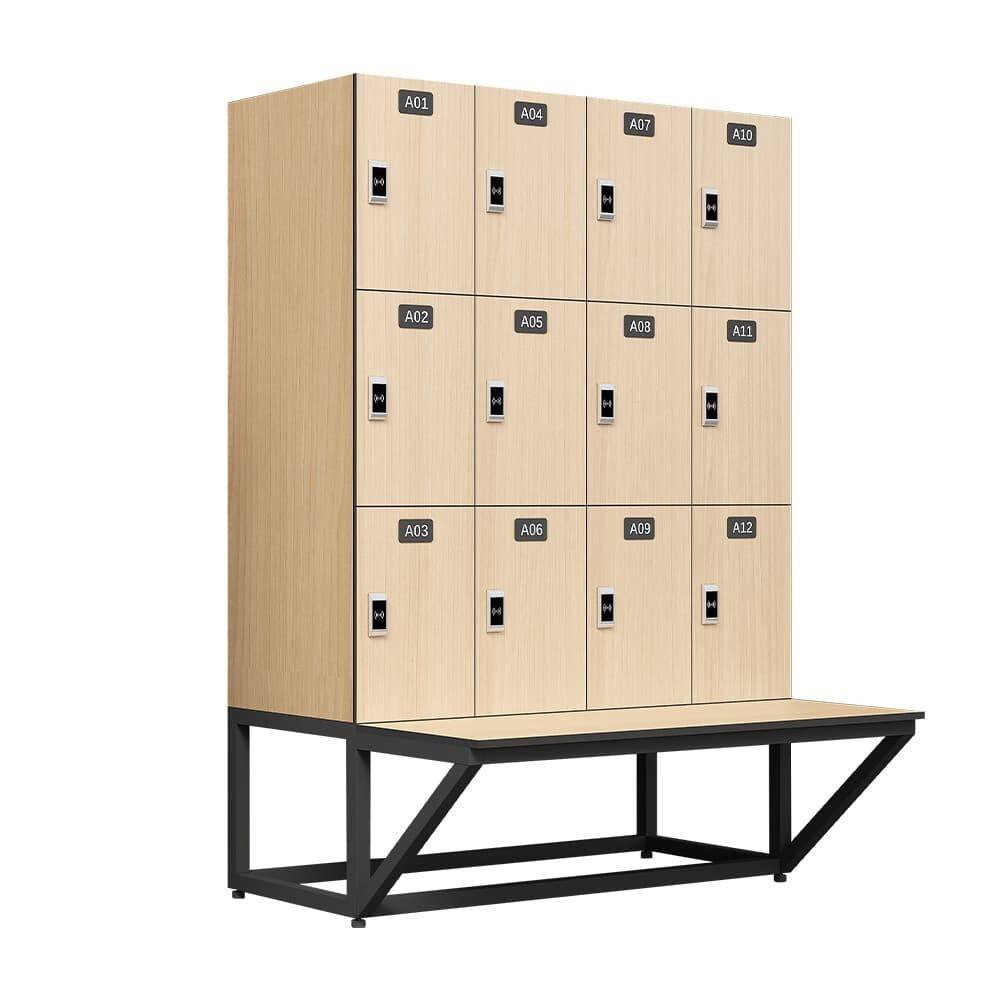
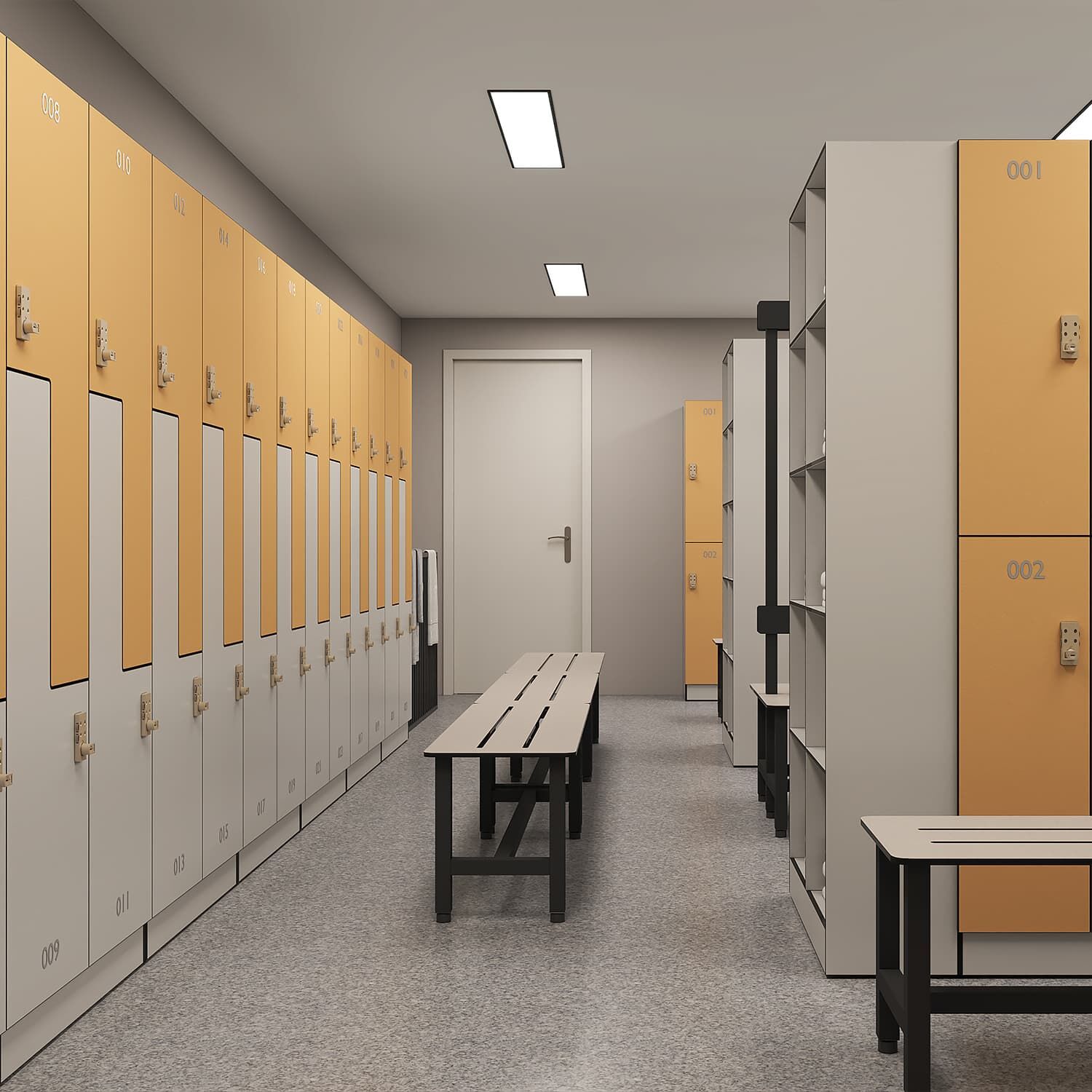
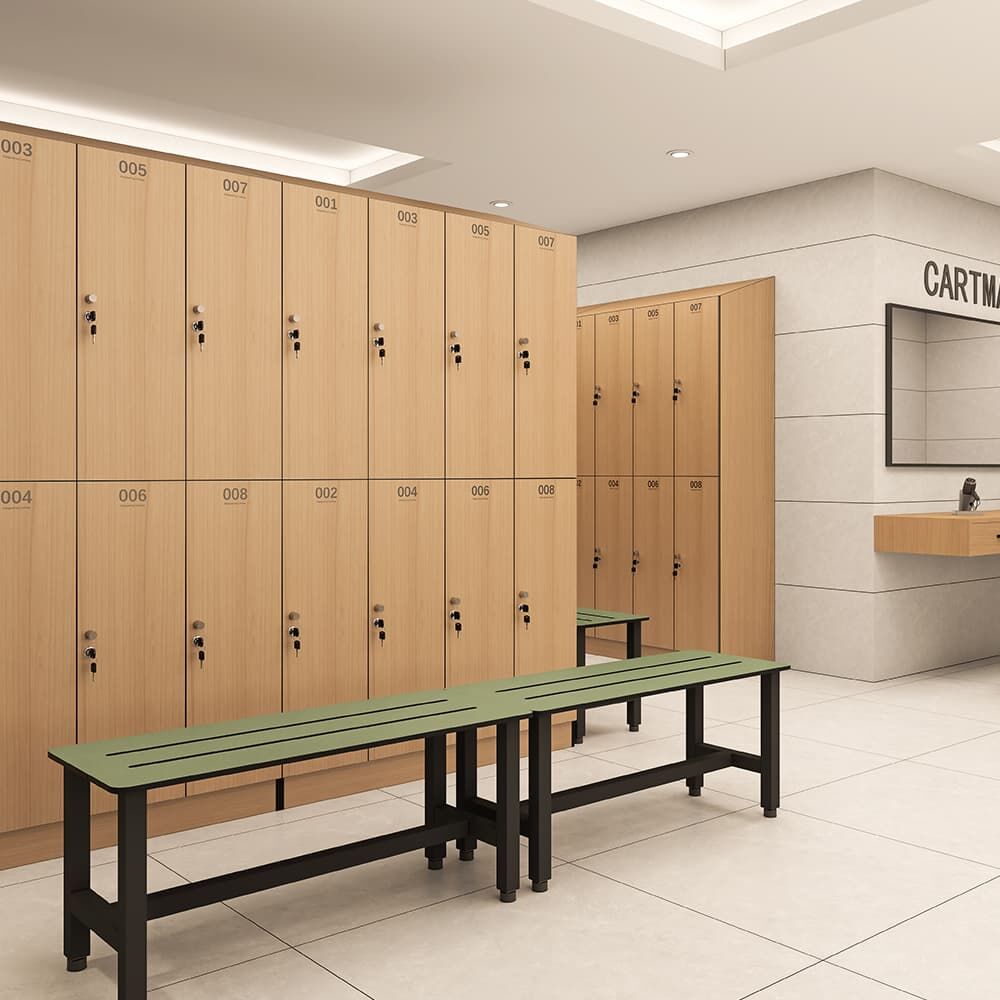
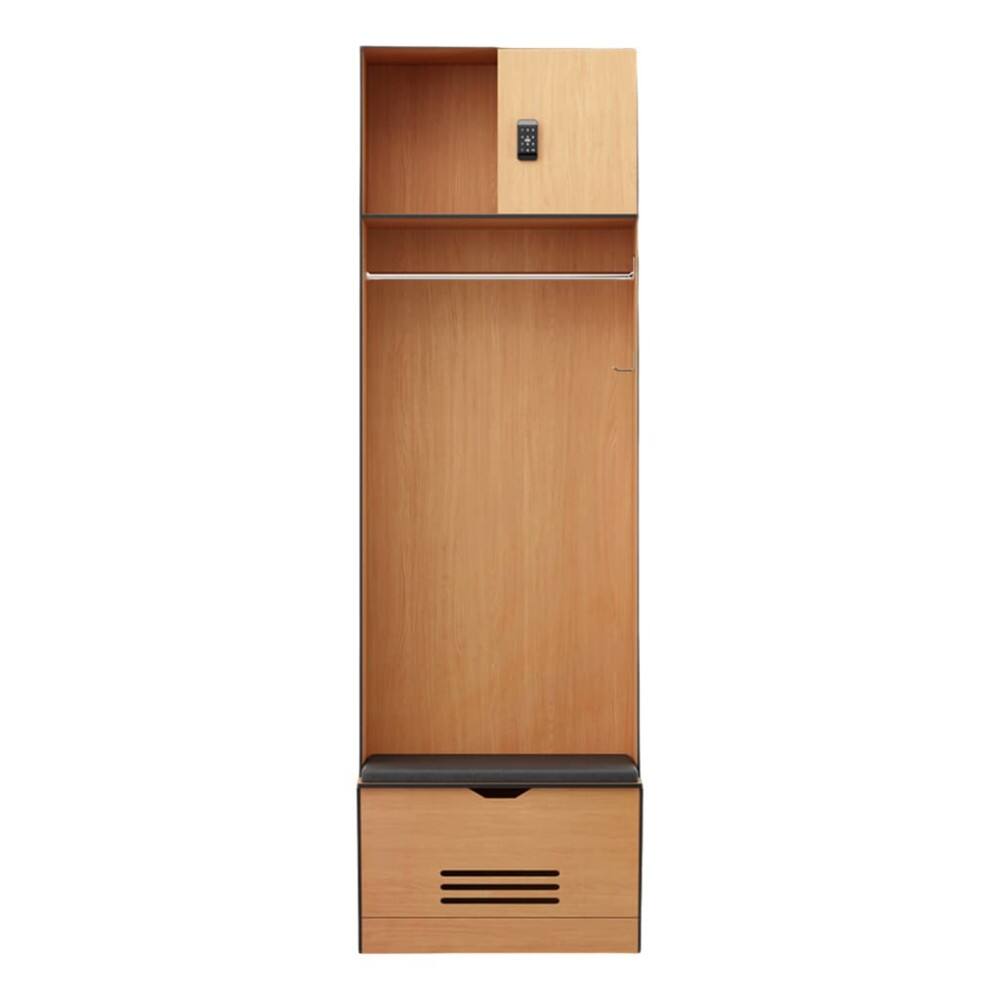
Preschool lockers represent an essential storage solution specifically designed to meet the unique needs of early childhood educational environments. These specialized storage units combine functionality with safety features, creating organized spaces that support both teachers and young learners in their daily activities. Modern preschool lockers incorporate child-friendly dimensions, ensuring accessibility for children aged 3-6 years while maintaining the durability required for institutional use. The primary functions of preschool lockers extend beyond simple storage, serving as organizational tools that help children develop independence and responsibility. Each locker typically features compartments for personal belongings, artwork, clothing, and educational materials. The technological features integrated into contemporary preschool lockers include rounded edges for safety, ventilation systems to prevent moisture buildup, and easy-clean surfaces that maintain hygiene standards. Many models incorporate color-coding systems and pictorial labels to assist pre-readers in identifying their designated spaces. The applications of preschool lockers span various educational settings, from traditional preschools and daycare centers to Montessori schools and early learning academies. These storage solutions facilitate smooth transitions between activities, reduce classroom clutter, and create designated personal spaces for each child. Advanced preschool lockers may feature antimicrobial coatings, adjustable shelving systems, and transparent sections that allow visual inspection of contents. The construction typically utilizes high-grade materials resistant to scratches, dents, and daily wear from active young users. Installation flexibility allows preschool lockers to be configured in various arrangements, accommodating different classroom layouts and space constraints. The integration of these storage systems supports educational philosophies that emphasize organization skills, personal responsibility, and respect for both individual and shared spaces within the learning environment.

New Product Recommendations

Preschool lockers deliver significant advantages that transform early childhood learning environments while providing practical solutions for educators, parents, and children. The organizational benefits create structured environments where children learn essential life skills through daily interactions with their personal storage spaces. Each child develops ownership and responsibility as they manage their belongings, fostering independence that extends beyond the classroom setting. Teachers experience reduced stress and improved classroom management when preschool lockers eliminate the chaos of scattered personal items and provide designated spaces for each student's materials. The time-saving advantages become evident during transition periods, as children quickly access their belongings without disrupting classroom flow or requiring extensive adult assistance. Safety considerations make preschool lockers invaluable investments, with rounded corners, secure latching mechanisms, and appropriate heights that prevent accidents while accommodating growing children. The durability of professionally designed preschool lockers ensures long-term value, withstanding the daily use patterns typical in active learning environments while maintaining their appearance and functionality. Space optimization represents another crucial advantage, as these storage solutions maximize available classroom area while creating defined personal territories for each child. The hygiene benefits cannot be overlooked, particularly in group settings where personal items must be stored separately to prevent cross-contamination and maintain health standards. Cost-effectiveness emerges through reduced replacement needs, minimal maintenance requirements, and the multi-year lifespan that accommodates multiple student generations. Flexibility in design allows preschool lockers to adapt to changing classroom needs, curriculum requirements, and enrollment fluctuations without requiring complete replacements. The psychological benefits include increased confidence as children successfully manage their personal spaces, reduced anxiety about lost belongings, and enhanced social skills through respect for others' storage areas. Administrative advantages include simplified inventory management, reduced lost-and-found issues, and improved parent satisfaction when children consistently bring home their artwork and personal items. The aesthetic appeal of modern preschool lockers contributes to inviting learning environments that children enjoy spending time in, supporting overall educational outcomes through positive environmental psychology.

Latest News

When should you choose HPL lockers for high-moisture environments?

28

Apr

When should you choose HPL lockers for high-moisture environments?

Selecting the right storage solution for high-moisture environments requires careful consideration of material performance, durability, and long-term maintenance requirements. When facilities face consistent exposure to humidity, steam, or water, tra...
View More
What Are HPL Lockers and How Do They Work?

08

May

What Are HPL Lockers and How Do They Work?

When it comes to durable, hygienic, and long-lasting storage solutions for commercial and institutional environments, hpl lockers have become one of the most trusted choices among facility managers, architects, and procurement specialists. Whether yo...
View More
What should buyers consider when purchasing staff lockers?

22

May

What should buyers consider when purchasing staff lockers?

Selecting the right staff lockers is a decision that carries more operational weight than many facility managers initially expect. Whether you are outfitting a corporate office, a manufacturing plant, a healthcare facility, a gym, or a school, the qu...
View More
What are staff lockers and why do workplaces need them?

11

May

What are staff lockers and why do workplaces need them?

In virtually every professional environment — from busy hospitals and warehouses to corporate offices and retail floors — the question of where employees can safely store their personal belongings is more significant than it might initial...
View More

Get a Free Quote

Our representative will contact you soon.
Email
Name
Message
0/1000

preschool lockers

Child-Centric Design and Safety Innovation

Child-Centric Design and Safety Innovation

The child-centric design philosophy behind modern preschool lockers represents a fundamental shift toward creating storage solutions that prioritize young learners' developmental needs and safety requirements. These specialized units incorporate height-appropriate dimensions that enable children as young as three years old to independently access their belongings without assistance, fostering early autonomy and confidence. The safety innovations integrated into preschool lockers address the unique vulnerabilities of young children through carefully engineered features such as rounded corners that eliminate sharp edges, preventing injuries during active play periods. Advanced locking mechanisms designed specifically for small hands ensure security while remaining simple enough for preschoolers to operate successfully, building fine motor skills through daily practice. The materials selection process emphasizes non-toxic finishes and antimicrobial surfaces that protect children's health while withstanding frequent cleaning protocols required in educational settings. Ventilation systems prevent moisture accumulation and odor development, maintaining fresh environments for stored items including clothing, lunch containers, and personal belongings. The visual design elements incorporate bright, engaging colors and optional customization features that help children identify their designated spaces while contributing to positive learning atmospheres. Ergonomic considerations extend to handle placement, door weight, and opening mechanisms that accommodate developing strength and coordination abilities typical in preschool-aged children. Safety certifications and compliance with educational facility standards ensure that preschool lockers meet rigorous testing requirements for stability, durability, and child protection. The innovative design approach also includes features like transparent sections or mesh panels that allow visual inventory without opening doors, reducing lost items and teaching organizational awareness. These child-focused design elements work synergistically to create storage solutions that support developmental milestones while maintaining the safety standards essential in educational environments where supervision ratios require equipment that minimizes risk factors.
Organizational Excellence and Educational Support

Organizational Excellence and Educational Support

The organizational excellence achieved through strategic implementation of preschool lockers transforms chaotic learning environments into structured, efficient spaces that support both educational objectives and practical classroom management needs. These storage systems create designated personal territories for each child, establishing clear boundaries and ownership concepts that form the foundation for social development and respect for personal property. The systematic organization facilitated by preschool lockers enables teachers to implement more effective lesson plans by eliminating time-consuming searches for misplaced items and reducing disruptions caused by children looking for their belongings during instruction periods. Each locker serves as a teaching tool for categorization skills as children learn to sort and store different types of items in appropriate sections, developing cognitive abilities that support later academic success. The visual organization systems incorporated into modern preschool lockers include color-coding schemes, pictorial identification systems, and name labels that accommodate pre-readers while introducing early literacy concepts through environmental print recognition. Teachers benefit from enhanced classroom management capabilities as preschool lockers reduce clutter, minimize distractions, and create predictable routines that support structured learning environments. The educational support extends to independence-building activities where children practice following multi-step directions to retrieve and store items according to established classroom procedures. Assessment opportunities arise naturally as teachers observe children's organizational skills, following directions, and responsibility development through daily locker interactions. The systematic approach to storage teaches children valuable life skills including planning ahead, maintaining personal spaces, and respecting others' belongings, creating foundations for future academic and social success. Administrative efficiency improves dramatically as preschool lockers reduce lost items, streamline parent communications about missing belongings, and support inventory management for classroom supplies and personal items. The organizational structure provided by these storage solutions enables more complex classroom activities and field trip preparations, as children can quickly gather necessary materials without extensive adult intervention or classroom disruption.
Durability and Long-Term Value Investment

Durability and Long-Term Value Investment

The exceptional durability engineered into professional-grade preschool lockers represents a strategic long-term investment that delivers sustained value through years of intensive use in demanding educational environments. These storage solutions undergo rigorous testing protocols that simulate years of daily interactions with active young children, ensuring structural integrity that withstands impacts, frequent opening and closing cycles, and the general wear patterns typical in preschool settings. The materials engineering process incorporates high-grade steel construction, reinforced hinges, and impact-resistant finishes that maintain both functionality and appearance despite constant use by multiple children over extended periods. The long-term value proposition becomes evident through reduced replacement costs, minimal maintenance requirements, and consistent performance that eliminates the hidden expenses associated with inferior storage solutions that require frequent repairs or early replacement. Quality manufacturing standards ensure that preschool lockers maintain their safety features and operational reliability throughout their extended service lives, protecting the initial investment while continuing to serve new generations of students. The cost-effectiveness extends beyond purchase price to include energy efficiency through proper ventilation design, reduced cleaning time due to easy-maintenance surfaces, and decreased administrative overhead through reliable performance that eliminates emergency replacement scenarios. Environmental sustainability considerations make durable preschool lockers responsible choices that reduce waste streams and support institutional commitments to environmental stewardship through products designed for maximum lifespan. The return on investment calculation includes intangible benefits such as consistent student experiences, maintained safety standards, and preserved aesthetic appeal that supports positive learning environments year after year. Warranty programs and manufacturer support systems provide additional value protection, ensuring that educational institutions can plan budget allocations with confidence in long-term performance expectations. The adaptability features built into quality preschool lockers allow for configuration changes and updates that extend useful life as program needs evolve, maximizing the value of the original investment through flexible applications that grow with changing educational requirements and enrollment patterns.
onlineONLINE