EN
EN


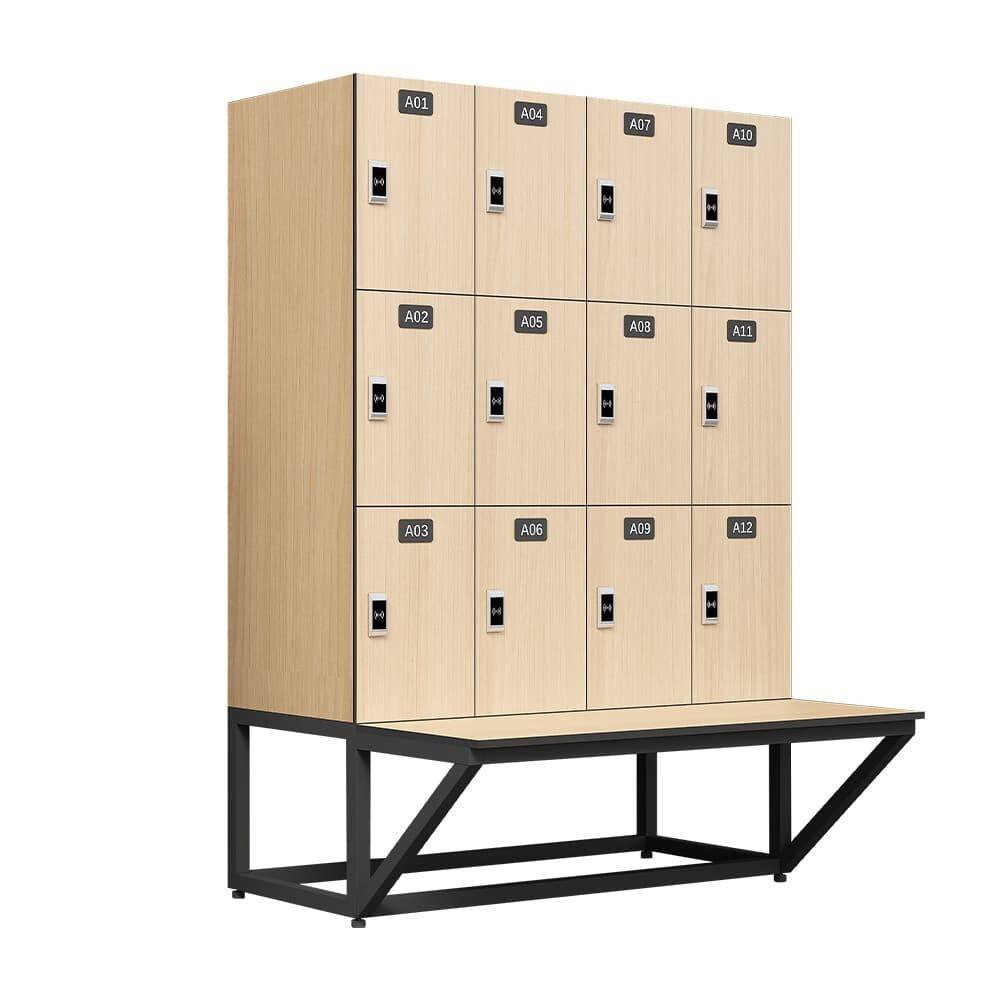
Selecting the right storage solution for high-moisture environments requires careful consideration of material performance, durability, and long-term maintenance requirements. When facilities face consistent exposure to humidity, steam, or water, traditional locker materials often fail to provide adequate protection against warping, corrosion, and bacterial growth. Understanding when to choose hpl lockers becomes crucial for facility managers seeking reliable storage solutions that can withstand challenging environmental conditions while maintaining structural integrity and aesthetic appeal over time.
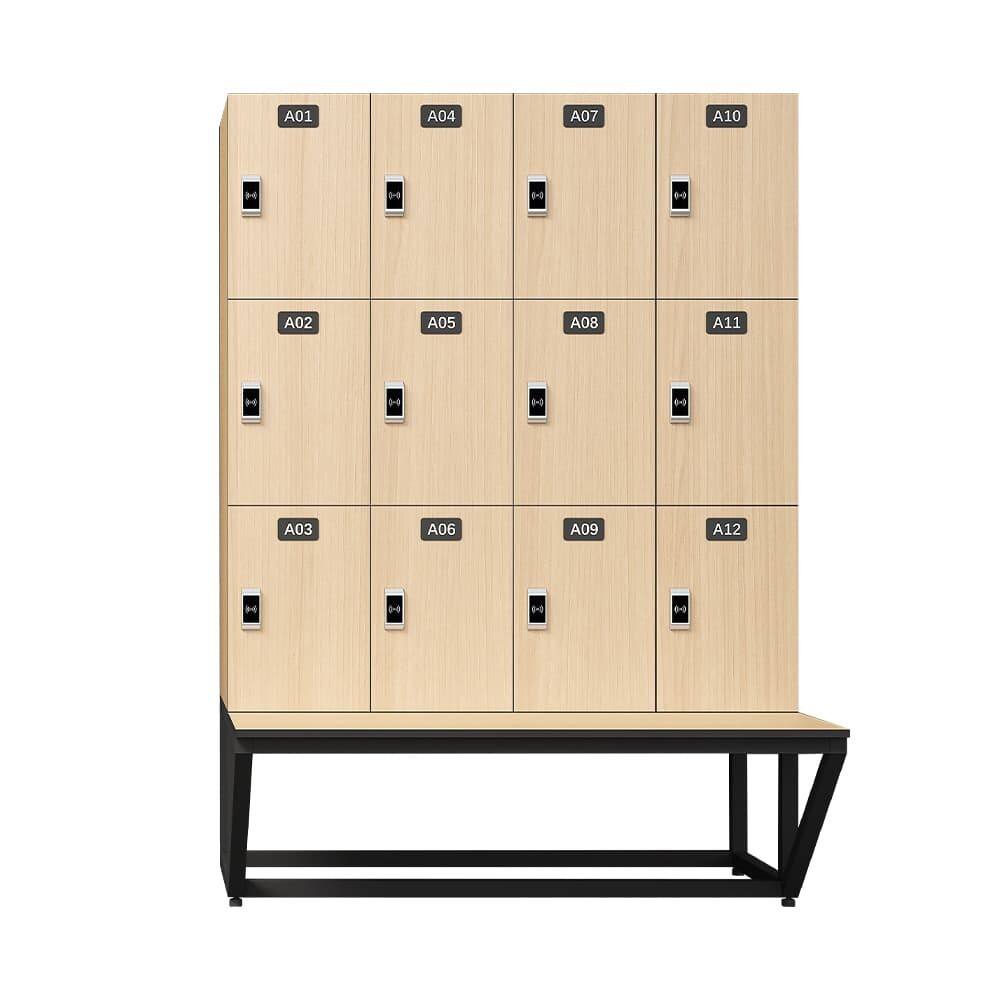
The decision to implement hpl lockers in moisture-prone environments typically arises when conventional storage options demonstrate inadequate resistance to environmental stressors. High Pressure Laminate technology offers superior moisture resistance, making these lockers particularly suitable for applications where humidity levels exceed sixty percent or where direct water exposure occurs regularly. Recognizing the optimal timing for HPL locker installation involves evaluating current facility conditions, anticipating future moisture challenges, and understanding the specific performance characteristics that distinguish HPL materials from alternative locker construction methods.
Critical Environmental Conditions That Signal HPL Locker Requirements
Humidity Level Assessment and Moisture Exposure Patterns
Facilities experiencing consistent humidity levels above sixty percent typically benefit from hpl lockers due to their exceptional moisture resistance properties. Swimming pools, fitness centers, and spa facilities commonly maintain humidity levels between seventy and eighty percent, creating conditions where traditional materials deteriorate rapidly. The continuous exposure to moisture vapor requires storage solutions that can resist swelling, warping, and surface degradation that commonly affects wood-based or metal locker systems.
Steam rooms and sauna facilities present particularly challenging environments where hpl lockers demonstrate superior performance compared to conventional alternatives. These environments often experience temperature fluctuations combined with high moisture content, creating conditions that accelerate material degradation in standard locker construction. HPL materials maintain dimensional stability even when exposed to extreme humidity variations, ensuring consistent functionality and appearance throughout their operational lifespan.
Coastal facilities or buildings located in high-humidity geographic regions should consider hpl lockers when planning new installations or replacing existing storage systems. The salt-laden air and consistent moisture exposure in these environments can cause rapid corrosion of metal components and accelerated deterioration of organic materials. HPL construction provides inherent resistance to these environmental challenges while maintaining structural integrity over extended periods.
Water Contact and Splash Zone Considerations
Areas where direct water contact occurs regularly require specialized locker solutions that can withstand frequent exposure without compromising performance. Aquatic centers, water parks, and marine facilities often experience splash zones where hpl lockers provide superior protection against water penetration and moisture absorption. The non-porous surface characteristics of HPL materials prevent water infiltration that could lead to internal damage or bacterial growth within the locker structure.
Laboratory environments and medical facilities frequently utilize water-intensive cleaning protocols that create challenging conditions for storage systems. When facilities require regular washdown procedures or chemical sanitization, hpl lockers offer resistance to both moisture exposure and chemical contact. The surface properties of HPL materials allow for thorough cleaning without absorbing cleaning solutions or moisture that could compromise the locker's structural integrity.
Food processing facilities and commercial kitchens present unique moisture challenges where hpl lockers demonstrate particular value. These environments combine high humidity with temperature variations and require storage solutions that can withstand frequent cleaning while resisting moisture absorption. The dense construction of HPL materials prevents bacterial harboring while maintaining dimensional stability despite challenging environmental conditions.
Facility Types and Applications Where HPL Lockers Excel
Healthcare and Medical Facility Requirements
Healthcare facilities require storage solutions that can withstand rigorous cleaning protocols while maintaining hygienic conditions. Hospitals, clinics, and medical research facilities often choose hpl lockers when implementing storage systems in areas where moisture control and bacterial resistance are critical. The non-porous surface of HPL materials prevents bacterial colonization while allowing for thorough sanitization using hospital-grade disinfectants without material degradation.
Operating rooms and sterile processing areas benefit from hpl lockers due to their ability to maintain cleanliness standards while resisting moisture from sterilization processes. These environments often experience steam exposure and require storage solutions that won't compromise sterile conditions through moisture retention or surface contamination. HPL construction provides the durability necessary to withstand repeated sterilization cycles without material breakdown or performance degradation.
Patient care areas and therapy facilities frequently implement hpl lockers when moisture control becomes essential for infection prevention. Physical therapy departments, rehabilitation centers, and patient changing areas require storage solutions that can maintain hygienic conditions while resisting moisture from cleaning procedures and patient use. The smooth, non-absorbent surface of HPL materials facilitates effective cleaning while preventing moisture-related contamination issues.
Fitness and Recreation Facility Applications
Fitness centers and gymnasiums typically choose hpl lockers for areas where member perspiration and frequent showering create challenging moisture conditions. Locker rooms adjacent to swimming pools or hot tubs experience particularly high humidity levels that can cause traditional lockers to deteriorate rapidly. HPL materials maintain their appearance and functionality despite continuous exposure to moisture-laden air and temperature fluctuations common in fitness environments.
Spa facilities and wellness centers often implement hpl lockers when creating storage solutions for steam rooms, saunas, and treatment areas. These environments combine high humidity with elevated temperatures, creating conditions where material expansion and contraction can cause structural problems in conventional locker systems. The dimensional stability of HPL construction ensures consistent performance despite extreme environmental variations.
Aquatic facilities including water parks and swimming complexes typically select hpl lockers for pool deck and changing areas where direct water exposure occurs regularly. The splash zones around pools create conditions where moisture penetration can cause significant damage to traditional locker materials. HPL construction provides the water resistance necessary to maintain functionality and appearance despite frequent exposure to chlorinated water and cleaning chemicals.
Performance Advantages That Determine HPL Locker Selection Timing
Long-Term Durability and Maintenance Considerations
The decision to invest in hpl lockers often coincides with facility planning phases where long-term operational costs become primary considerations. While initial investment costs may exceed traditional alternatives, the extended lifespan and reduced maintenance requirements of HPL materials typically provide superior value over the locker system's operational life. Facilities planning fifteen to twenty-year equipment lifecycles frequently choose HPL construction to minimize replacement and maintenance expenses.
Maintenance scheduling becomes significantly simplified with hpl lockers due to their resistance to common moisture-related problems. Traditional lockers often require frequent refinishing, hardware replacement, and structural repairs in high-moisture environments. HPL construction eliminates many of these maintenance requirements, allowing facility staff to focus resources on other operational priorities rather than continuous locker system upkeep.
Warranty considerations often influence the timing of hpl locker selection, particularly when facilities seek guaranteed performance in challenging environments. Many HPL manufacturers offer extended warranty coverage that reflects the material's superior durability in moisture-prone applications. This warranty protection provides facility managers with confidence in their investment while reducing long-term financial risk associated with premature system failure.
Hygiene and Cleanliness Standards
Facilities implementing strict hygiene protocols frequently choose hpl lockers when establishing or upgrading storage systems. The non-porous surface characteristics of HPL materials prevent bacterial growth and facilitate thorough cleaning using standard sanitization procedures. This capability becomes particularly valuable in environments where contamination control directly impacts operational compliance and user safety.
Cleaning efficiency considerations often drive the timing of hpl locker installation, particularly in facilities where labor costs represent significant operational expenses. The smooth surface finish of HPL materials allows for rapid cleaning without special procedures or cleaning products. This efficiency reduces both cleaning time and chemical costs while ensuring consistent sanitation standards throughout the facility.
Regulatory compliance requirements may necessitate hpl locker implementation when facilities must meet specific hygiene standards. Healthcare facilities, food processing plants, and educational institutions often face regulatory scrutiny regarding cleanliness and contamination prevention. HPL construction provides the performance characteristics necessary to meet stringent regulatory requirements while maintaining operational efficiency.
Economic Factors and Implementation Timeline
Budget Planning and Cost-Benefit Analysis
Capital budget planning cycles often determine the optimal timing for hpl locker implementation, particularly when facilities require significant storage system investments. The higher initial cost of HPL construction requires careful financial planning, but the extended lifespan and reduced maintenance expenses typically justify the investment over traditional alternatives. Facilities planning major renovations or new construction projects frequently incorporate hpl lockers to maximize long-term value.
Operational cost considerations become particularly important when evaluating hpl lockers for high-moisture environments. The reduced maintenance requirements and extended replacement cycles of HPL materials can significantly impact total cost of ownership calculations. Facilities experiencing high maintenance costs with existing locker systems often find that upgrading to HPL construction provides substantial operational savings despite higher initial investment requirements.
Energy efficiency implications may influence the decision to implement hpl lockers, particularly in climate-controlled environments. The moisture resistance of HPL materials can reduce HVAC load by preventing humidity-related problems that force mechanical systems to work harder. This indirect benefit contributes to operational cost savings while improving overall facility efficiency and environmental control.
Installation Scheduling and Project Coordination
Construction schedules often dictate the timing of hpl locker installation, particularly when facilities undergo renovation or new construction projects. HPL materials require specific installation procedures and may have different lead times compared to traditional alternatives. Project managers typically coordinate HPL locker delivery with other construction activities to ensure optimal installation conditions and minimize project delays.
Seasonal considerations can impact the timing of hpl locker implementation, particularly in facilities where installation disruption must be minimized. Educational institutions often schedule major locker installations during summer breaks, while fitness facilities may prefer installation during slower membership periods. The durability of HPL materials allows for installation in various environmental conditions without compromising performance.
Phased replacement strategies frequently incorporate hpl lockers when facilities need to maintain operational continuity during system upgrades. The modular nature of many HPL locker systems allows for section-by-section replacement without completely disrupting facility operations. This flexibility enables facilities to upgrade their storage systems gradually while maintaining user access throughout the replacement process.
FAQ
How long do HPL lockers typically last in high-moisture environments?
HPL lockers generally provide fifteen to twenty years of service life in high-moisture environments, significantly exceeding the lifespan of traditional materials under similar conditions. The dense construction and moisture-resistant properties of HPL materials prevent the deterioration that commonly affects wood-based or metal alternatives exposed to continuous humidity. Regular cleaning and basic maintenance can extend this lifespan even further, making hpl lockers a cost-effective long-term investment for challenging environments.
What moisture levels can HPL lockers withstand without performance degradation?
HPL lockers can effectively operate in environments with humidity levels up to ninety percent without experiencing structural damage or performance issues. The non-porous surface and dense core construction prevent moisture absorption that causes swelling, warping, or dimensional changes in conventional materials. Even in extreme conditions such as steam rooms or tropical climates, hpl lockers maintain their structural integrity and functional performance throughout their operational lifespan.
Are HPL lockers suitable for facilities that use chemical cleaning products?
Yes, hpl lockers demonstrate excellent resistance to most commercial cleaning chemicals commonly used in institutional and commercial facilities. The surface laminate resists damage from disinfectants, sanitizers, and cleaning solvents while maintaining its appearance and protective properties. This chemical resistance makes hpl lockers particularly suitable for healthcare facilities, laboratories, and food service environments where rigorous sanitization protocols are essential for operational compliance.
How do HPL lockers compare to plastic lockers in moisture resistance?
While both HPL and plastic lockers offer moisture resistance, hpl lockers typically provide superior durability and structural strength in demanding applications. HPL construction offers better resistance to impact damage and maintains dimensional stability under temperature variations better than most plastic alternatives. The surface finish of hpl lockers also tends to resist scratching and wear better than plastic, maintaining appearance standards longer in high-traffic environments where both moisture and physical abuse occur regularly.