EN
EN

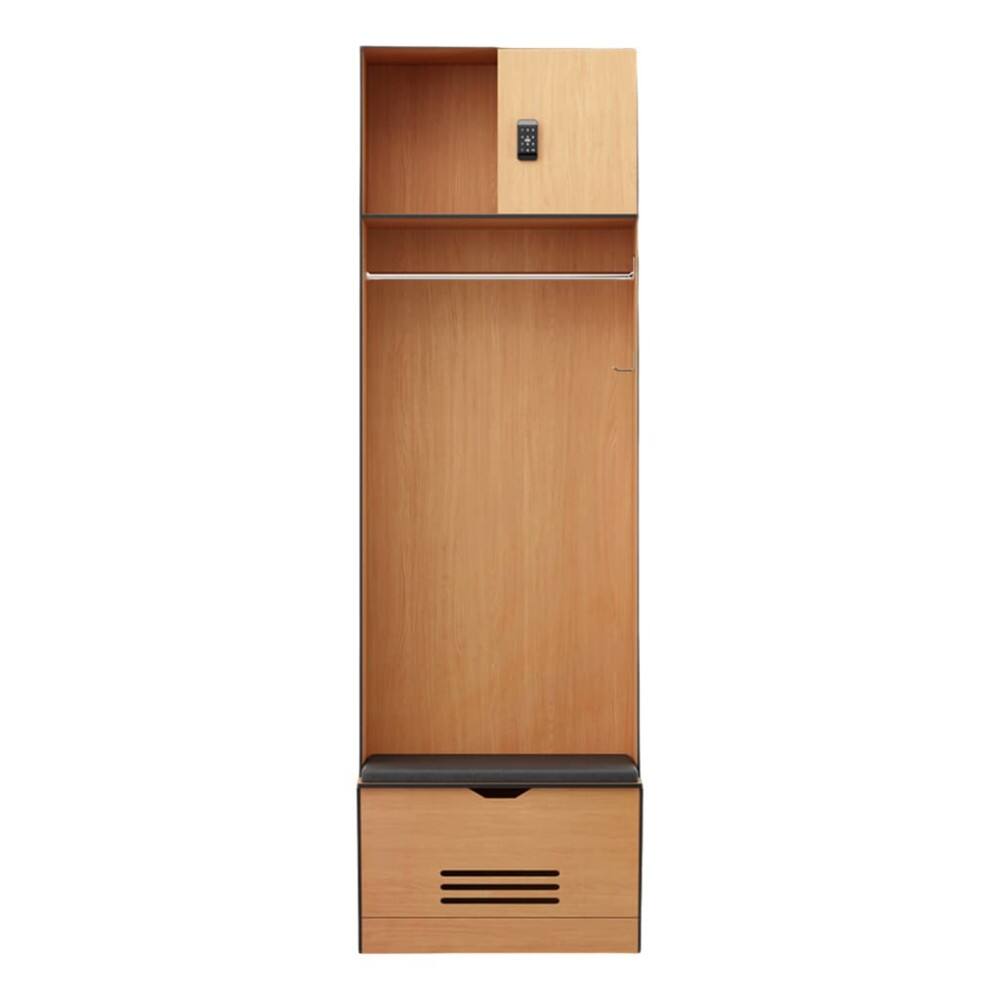
In virtually every professional environment — from busy hospitals and warehouses to corporate offices and retail floors — the question of where employees can safely store their personal belongings is more significant than it might initially appear. staff lockers are dedicated, lockable storage units assigned to individual employees so they can securely keep their valuables, uniforms, devices, and personal items throughout the working day. Far from being a simple convenience, these units reflect a workplace's commitment to employee wellbeing, operational discipline, and professional standards.
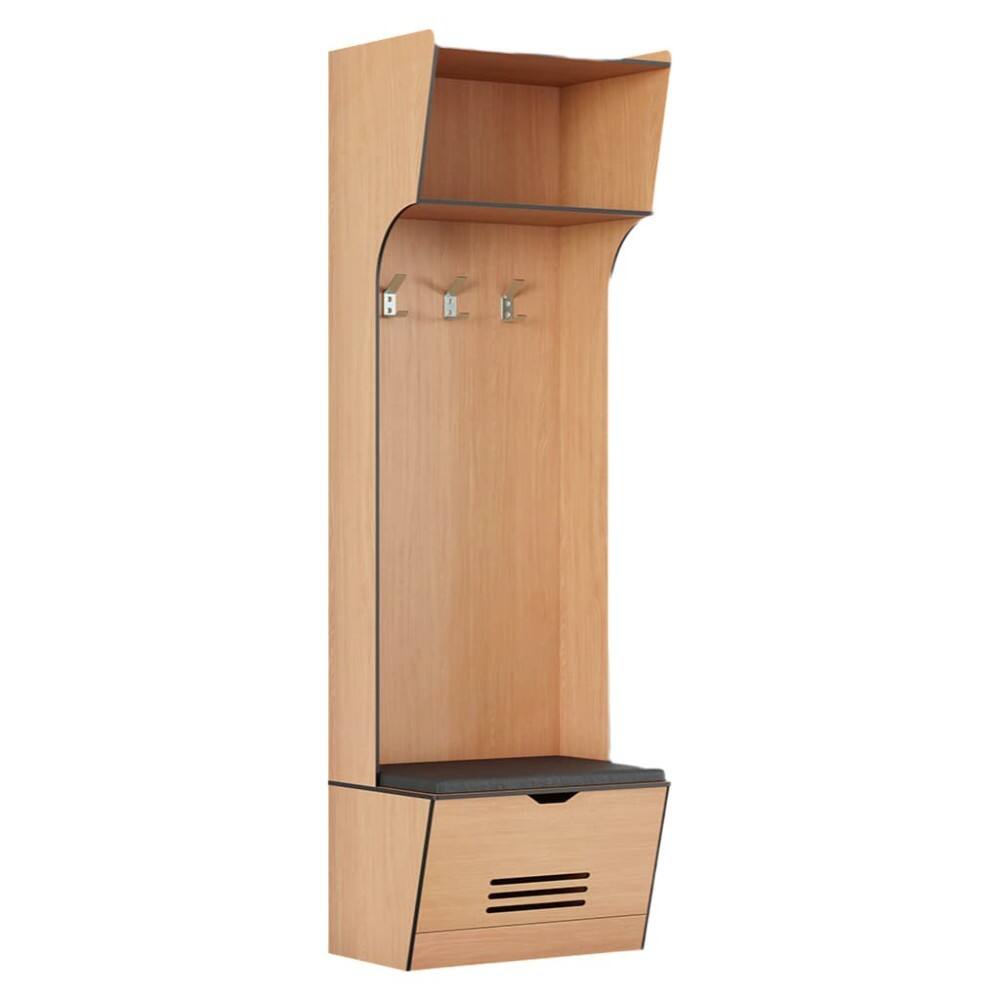
The decision to invest in staff lockers is not merely about tidiness — it touches on security, compliance, employee morale, and even the physical layout of modern work environments. As workplaces evolve with hot-desking arrangements, shared floor plans, and stricter hygiene requirements, the strategic role of staff lockers has expanded considerably. Understanding what they are and why every workplace genuinely needs them is the first step toward building a more organized, productive, and employee-centered environment.
Defining Staff Lockers and Their Core Purpose
What Staff Lockers Actually Are
Staff lockers are individual, secure storage compartments designed for use by employees in a workplace setting. They are typically constructed from durable materials such as high-pressure laminate (HPL), steel, or engineered wood, and they feature lockable doors to ensure personal items remain protected during working hours. Each unit is usually assigned to a specific employee, though in some modern workplace models, lockers operate on a day-use or hot-desk basis where employees select an available unit at the start of each shift.
Unlike general storage cupboards or shared shelving, staff lockers offer individualized, private storage. This distinction matters enormously in environments where employee trust and personal security are paramount. Whether mounted in rows along a corridor, installed in a dedicated changing room, or integrated into open-plan office breakout zones, staff lockers serve the consistent purpose of giving each employee a defined, secure, personal space within a shared environment.
Locking mechanisms for staff lockers vary widely and include traditional padlock systems, key locks, combination codes, electronic PIN entry, and even RFID card access. The right locking mechanism depends on the workplace context, the level of security required, and the practical needs of the workforce using them daily.
The Key Components That Make Staff Lockers Functional
A well-designed set of staff lockers does far more than provide a lockable box. Interior configurations often include hanging rails for uniforms or jackets, shelving for bags and equipment, ventilation slots to prevent odor buildup, and hooks for accessories. In sectors like healthcare, food service, or manufacturing where uniform compliance is critical, staff lockers with full-length hanging space are an operational necessity rather than a luxury.
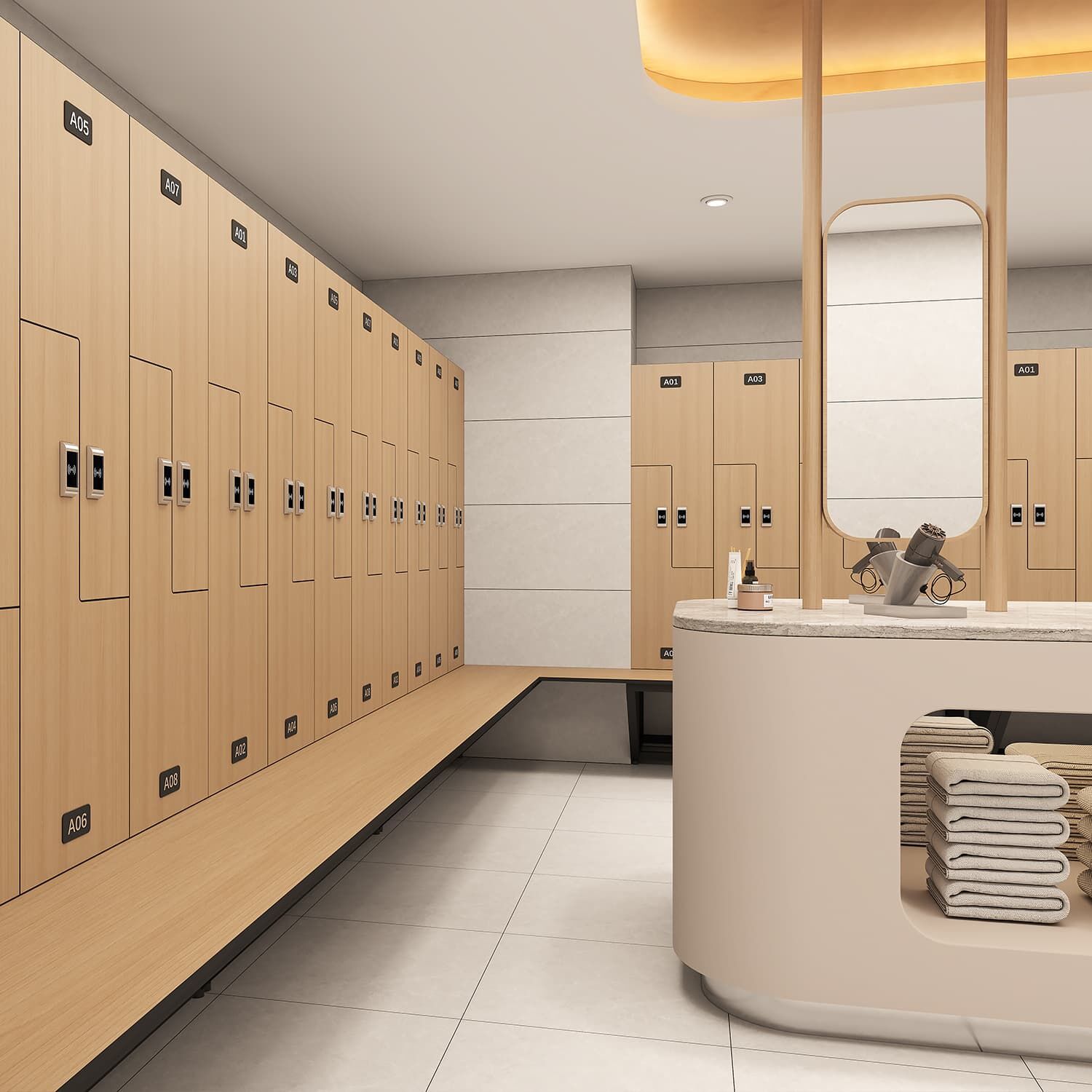
The exterior finish of staff lockers also plays an important role in workplace aesthetics and maintenance. HPL-faced lockers, for example, offer a hard-wearing, easy-to-clean surface that resists moisture, scratches, and daily wear — making them highly practical in environments that require regular cleaning or that experience high footfall. Color and panel design options allow organizations to coordinate locker installations with their broader interior design language, reinforcing brand identity even in back-of-house areas.
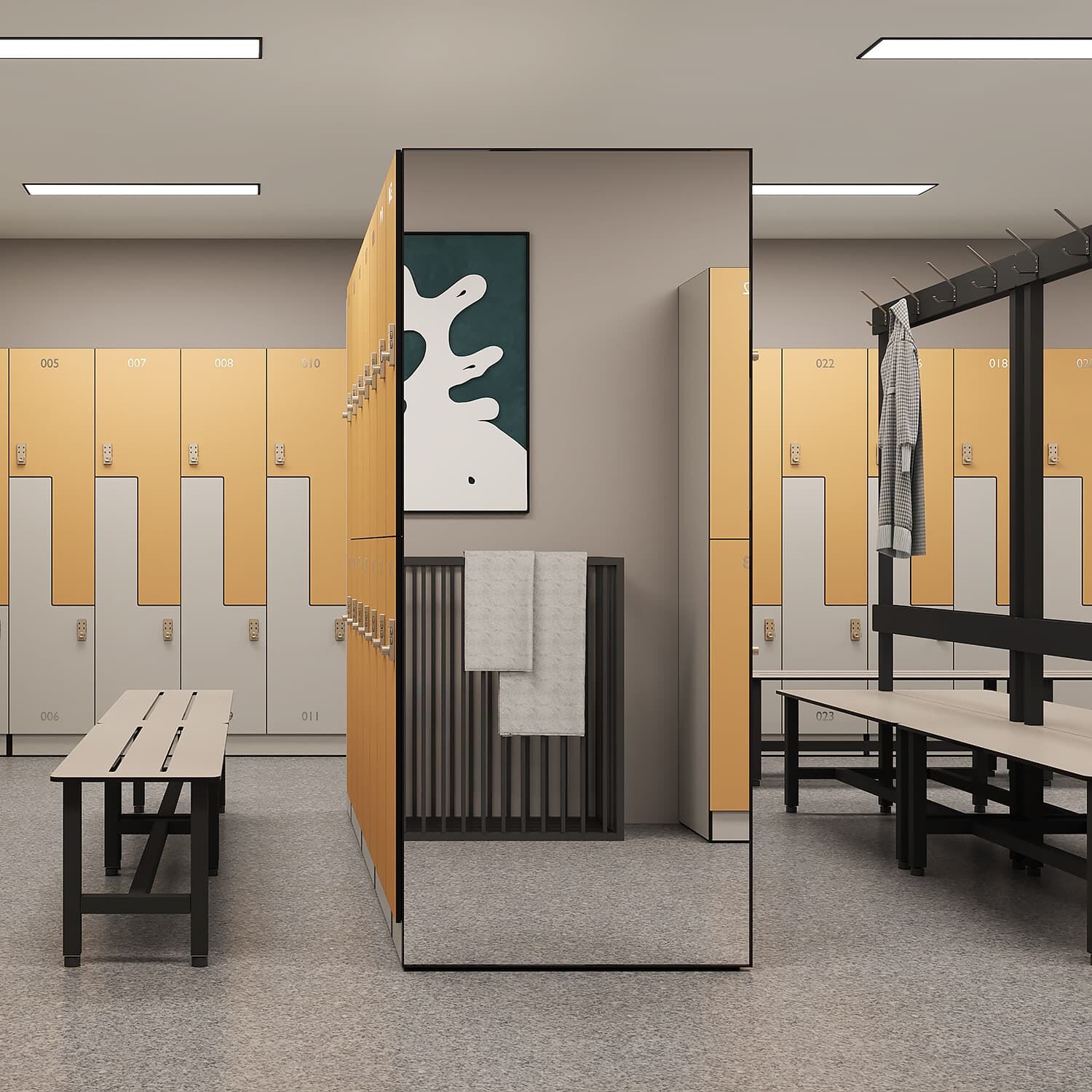
Dimensional variety is another key component. Staff lockers can range from compact half-height units ideal for storing phones, wallets, and keys, through to full-height units suitable for coats, bags, and full uniforms. Modular configurations allow organizations to combine different locker heights and widths within a single bay, tailoring the installation to the precise mix of storage needs across their workforce.
Why Workplaces Need Staff Lockers
Protecting Employee Belongings and Building Trust
One of the most immediate and compelling reasons workplaces need staff lockers is the protection of employee property. When workers have no secure storage option, personal items such as phones, wallets, car keys, medication, and valuables are left exposed in open areas, under desks, or in unsecured bags. This creates conditions where petty theft can occur, even in otherwise professional environments, and where the employer may face liability concerns if employee belongings are lost or damaged on the premises.
Providing staff lockers signals to employees that their employer respects and values their personal security. This is not a minor psychological point. When workers feel their belongings are safe, they can focus entirely on their work without the low-level anxiety that comes from leaving valuables unguarded in a shared space. This sense of trust between employer and employee has a measurable impact on workplace morale and contributes meaningfully to overall job satisfaction and retention.
From a management perspective, staff lockers also reduce the frequency of theft-related complaints, internal investigations, and disputes. A workplace that proactively provides secure storage is a workplace that minimizes a predictable category of friction before it becomes a problem, demonstrating organizational maturity and care for the workforce.
Maintaining Workplace Organization and Cleanliness
Staff lockers are also essential tools for maintaining the overall order and cleanliness of a workplace. Without dedicated storage, personal items accumulate on desks, behind counters, in corridors, and in communal areas — creating visual clutter that undermines professionalism and can even create safety hazards. In customer-facing environments such as retail stores, hotels, or medical facilities, this type of clutter is entirely unacceptable and directly impacts brand perception.
By providing staff lockers, employers give every team member a clear home for their belongings, instantly removing personal items from active workspaces. This leads to cleaner, more organized environments that are easier to maintain and that present far better to clients, visitors, and inspectors. The downstream effect on hygiene standards is particularly significant in regulated industries where food safety, infection control, or sterile environment protocols apply.
In warehouses and manufacturing plants, the presence of well-organized staff lockers in changing and welfare areas supports broader health and safety compliance. Employees who change into work attire or personal protective equipment (PPE) need somewhere to store their street clothes and personal items safely. Staff lockers fulfill this function directly, contributing to the orderly flow of staff through changing facilities and reducing the time lost to disorganized personal storage habits.
Staff Lockers Across Different Workplace Environments
Corporate Offices and Hot-Desking Environments
The modern corporate office has undergone a fundamental transformation. Hot-desking, agile working, and activity-based work models mean that many employees no longer have a fixed desk or dedicated personal space within the office. In this context, staff lockers take on an entirely new level of importance — they become the one consistent, personal touchpoint an employee has within the building, storing the items they carry between home and work each day.
In agile office environments, staff lockers are typically deployed as day-use units that employees access using an electronic fob, RFID card, or PIN code. At the start of the day, an employee selects an available locker, stores their bag, jacket, and personal items, and then works from whichever desk or zone is appropriate. At the end of the day, they collect their belongings and the locker resets for the next user. This model requires well-designed, durable staff lockers that can withstand multiple daily usage cycles and maintain their appearance over time.
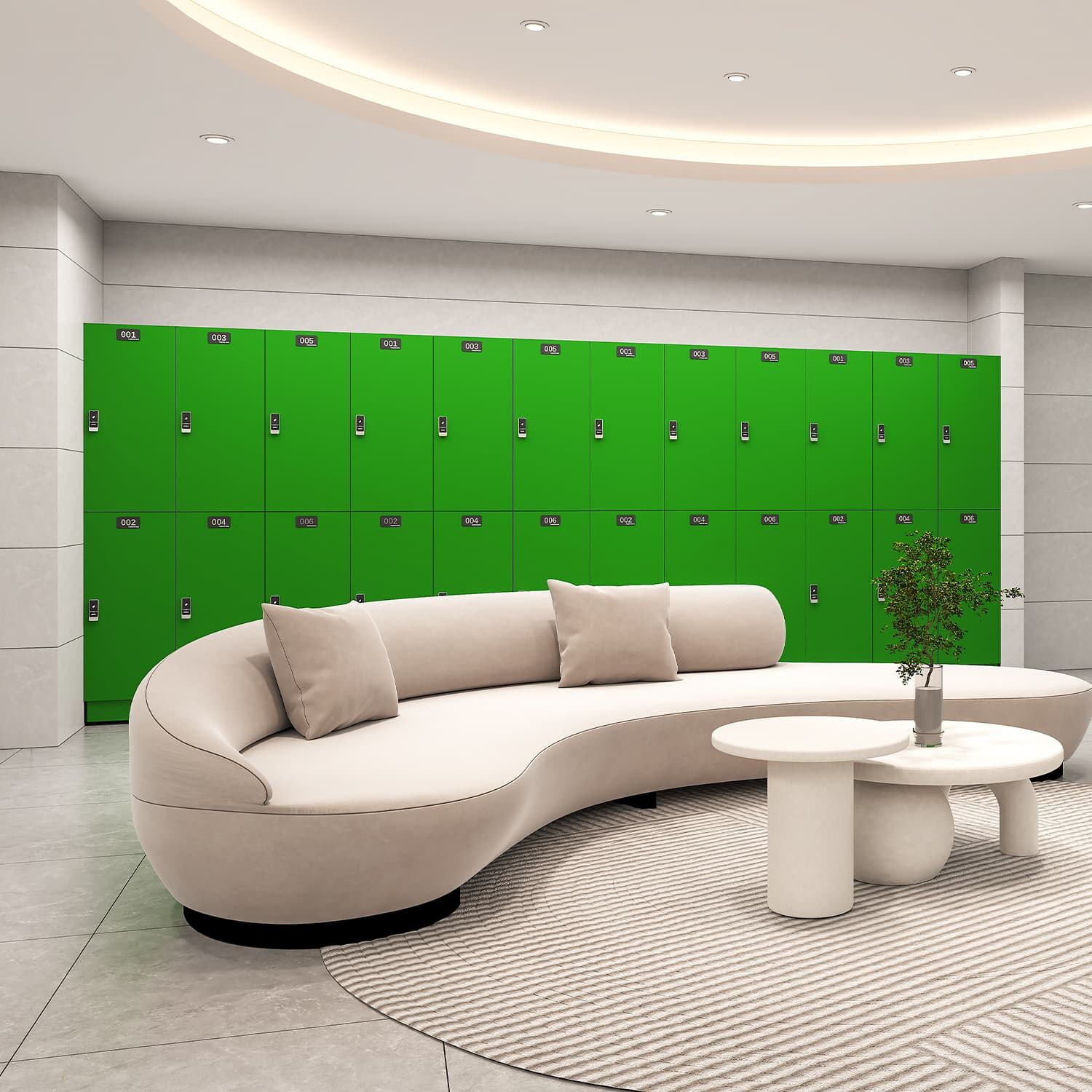
Corporate organizations investing in staff lockers for agile environments often prioritize aesthetics alongside function. The locker bank becomes a visible design element in the office, and high-quality HPL finishes or stylish color schemes allow the installation to complement rather than clash with the surrounding space. This makes staff lockers a considered part of the office design specification rather than an afterthought tucked away in a utility room.
Retail, Healthcare, and Industrial Workplaces
In retail environments, staff lockers are a fundamental operational requirement. Shop floor employees, stock room teams, and supervisors all need somewhere to store their personal items before beginning their shift, particularly in environments where a strict uniform policy or customer-facing dress code applies. Providing accessible, well-maintained staff lockers in the staffroom or changing area directly supports compliance with uniform policies and sets a professional tone for the entire team.
Healthcare settings present some of the most demanding requirements for staff lockers. Clinical staff, administrative teams, and support workers all need secure, clean, and clearly designated personal storage that meets hygiene standards. In hospitals and care facilities, staff lockers must be manufactured from materials that are easy to disinfect, resistant to moisture, and durable enough to withstand the rigors of a high-traffic, clinically managed environment. HPL lockers with smooth, non-porous surfaces are particularly well-suited to healthcare applications for exactly these reasons.
In industrial and manufacturing settings, staff lockers are closely tied to health and safety requirements. Workers who handle chemicals, operate heavy machinery, or work in contaminated areas must separate their work clothing from their personal clothing using compliant changing facilities that include appropriate staff lockers. Regulatory frameworks in many jurisdictions explicitly require employers to provide adequate changing and storage facilities, making staff lockers not just a good practice but a legal obligation in certain operational contexts.
Choosing the Right Staff Lockers for Your Organization
Key Factors to Consider Before Selecting Staff Lockers
Selecting the right staff lockers requires a structured assessment of your organization's specific needs rather than simply purchasing the most common configuration available. The first factor to evaluate is the nature of items your staff will need to store. A corporate office where employees carry laptops, bags, and accessories has very different storage requirements from a manufacturing site where overalls, boots, and PPE must be accommodated alongside personal items.
The number of staff requiring locker access is the next critical variable. Organizations should consider whether lockers will be permanently assigned — one per employee — or whether a day-use rotation model is appropriate. Day-use models typically require fewer physical units than the total employee headcount but demand more robust locking mechanisms and potentially electronic management systems to coordinate access efficiently. Both approaches require careful planning to ensure adequate provision without unnecessary capital expenditure.
Material selection is closely tied to the environment in which staff lockers will be installed. In wet or damp areas such as changing rooms near shower facilities, moisture-resistant materials and ventilated designs are essential. In customer-visible areas, aesthetic quality and surface finish quality become primary considerations. In high-traffic environments, impact resistance and ease of repair are important durability factors that directly affect the total cost of ownership over the life of the installation.
Configuration, Customization, and Long-Term Value
Modern staff lockers are available in a wide range of configurable formats, allowing organizations to specify the exact mix of storage types that their workforce requires. A single locker bay might combine full-height units for staff who need to hang coats and uniforms, mid-height units for those storing bags and footwear, and compact units for employees who simply need somewhere to secure a phone and wallet during their shift. This flexibility makes it possible to serve a diverse workforce efficiently within a defined physical footprint.
Customization options have expanded considerably in recent years. Organizations can now specify HPL panel colors, edge finishes, door handle styles, numbering or labeling formats, and locking mechanisms that align precisely with their operational requirements and interior design standards. The ability to customize staff lockers ensures that the installation integrates naturally into the workplace environment rather than appearing as a purely utilitarian addition.
Long-term value is an important lens through which to evaluate any staff locker investment. High-quality units manufactured from durable materials require less maintenance, sustain fewer repairs, and retain their appearance for significantly longer than lower-specification alternatives. Organizations should assess total cost of ownership — factoring in installation, maintenance, and replacement cycles — rather than focusing exclusively on purchase price when making their selection decisions.
FAQ
What are the most common types of staff lockers used in workplaces?
The most common types of staff lockers include full-height single-door units for complete outfit storage, half-height units for compact personal item storage, and tiered configurations where multiple smaller compartments are stacked within a single bay. Locking mechanisms range from key-operated and padlock designs through to electronic PIN, RFID card, and smart locker systems that integrate with building management software. The right type depends on the number of users, the items being stored, and the level of access security required.
Are staff lockers a legal requirement for employers?
In many industries and jurisdictions, employers are legally required to provide adequate personal storage facilities for their staff. Health and safety regulations in sectors such as food production, healthcare, and manufacturing frequently mandate that workers have access to clean, secure changing and storage facilities, which includes staff lockers. Even in industries where formal legal requirements are less prescriptive, providing staff lockers is considered a fundamental element of duty-of-care obligations and workforce welfare standards.
How should organizations maintain staff lockers over time?
Maintaining staff lockers in good condition requires a combination of regular cleaning, periodic inspection, and a clear policy governing their use. Surfaces should be cleaned according to the material specification — HPL surfaces, for example, are easily wiped down with standard cleaning agents without risk of damage. Organizations should establish a regular inspection schedule to identify and repair damaged doors, hinges, or locking mechanisms before minor issues escalate. Clear signage, usage policies, and periodic audits of allocated versus unallocated lockers help ensure the installation continues to serve its intended purpose efficiently over many years.
Can staff lockers be customized to match an office interior design?
Yes, modern staff lockers offer extensive customization options that allow organizations to align locker installations with their existing interior design schemes. HPL-faced lockers in particular are available in a broad range of colors, wood grain patterns, and solid tones, with options to coordinate door panels, frames, handles, and numbering systems. This makes it entirely practical to specify staff lockers that integrate seamlessly into corporate office environments, retail backrooms, or healthcare facilities without compromising the overall aesthetic of the space.