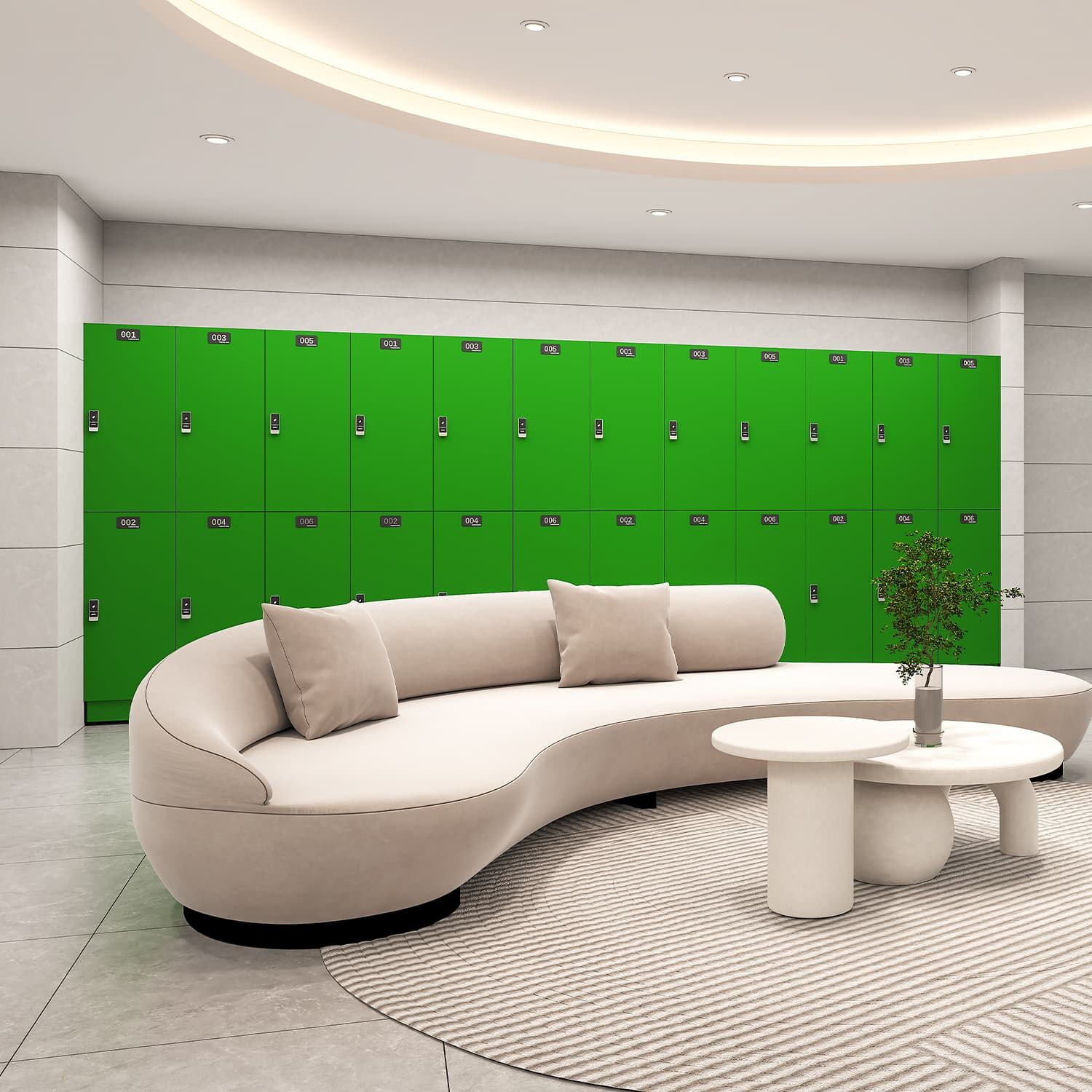
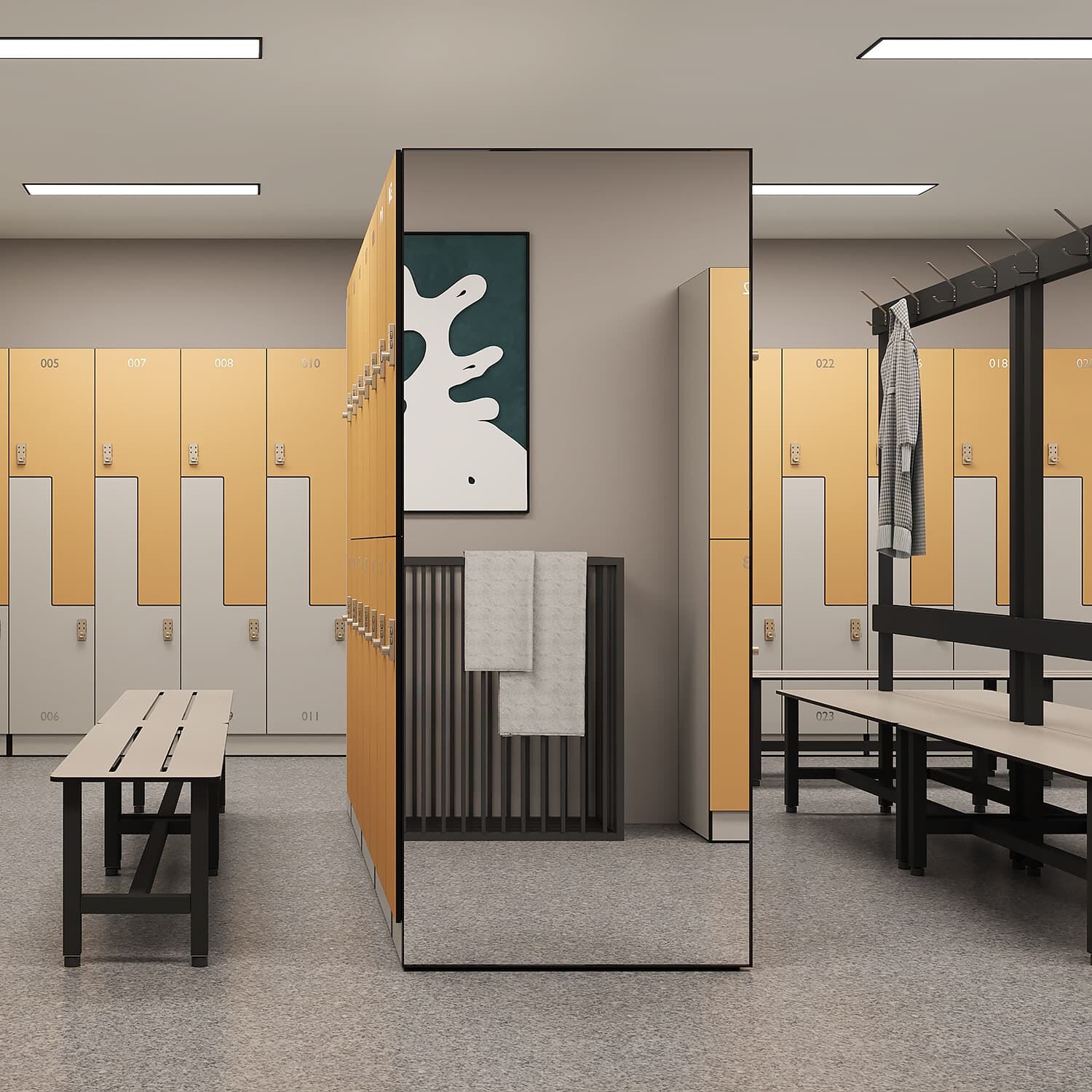
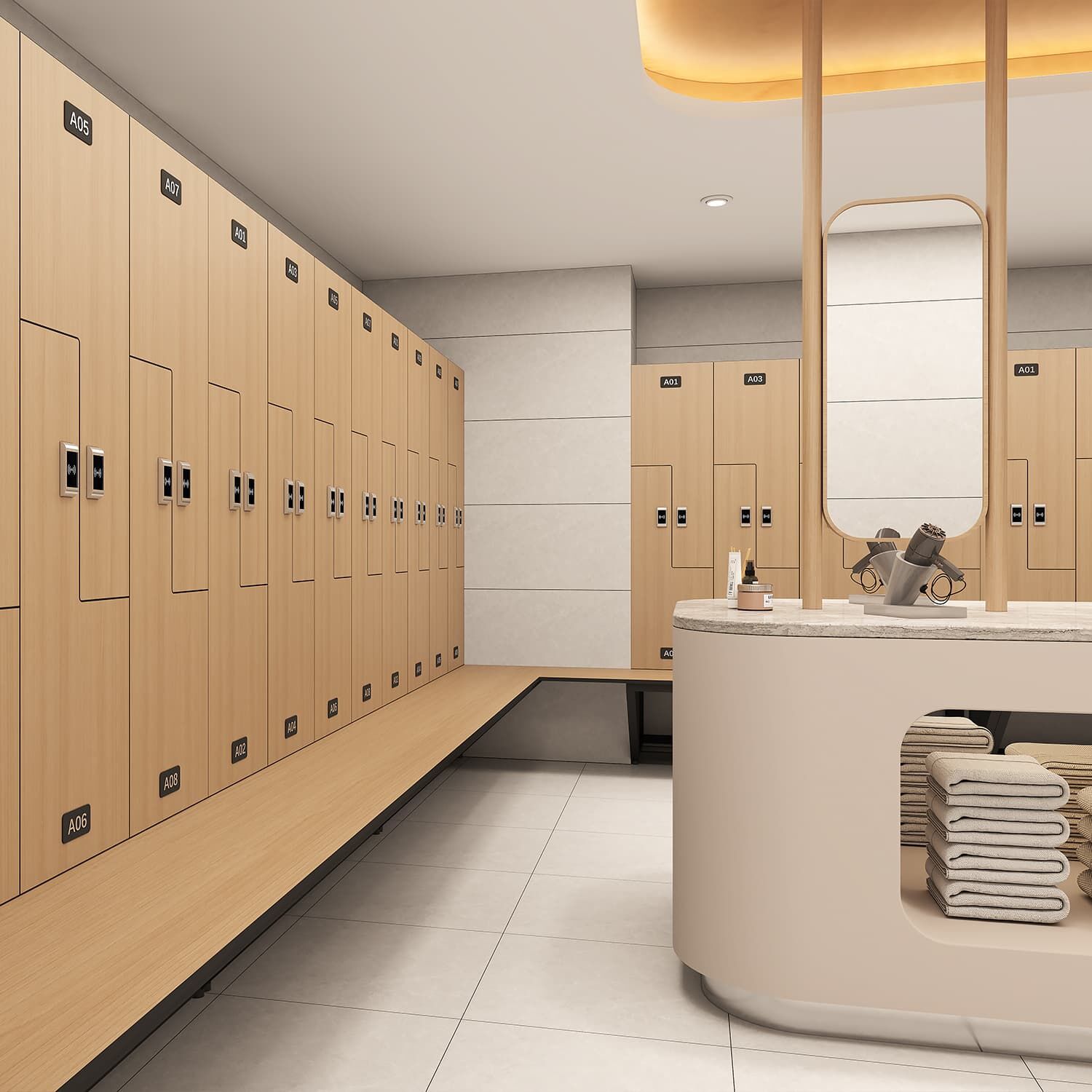
student lockers
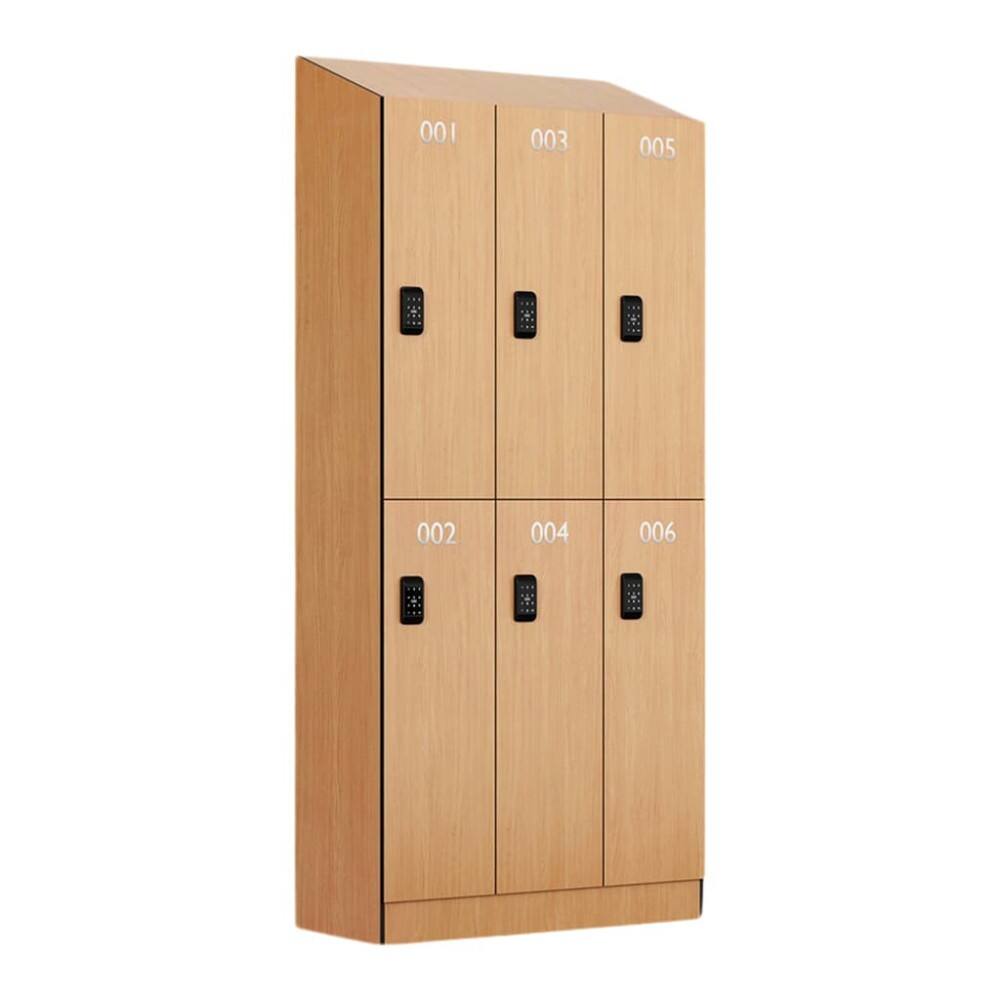
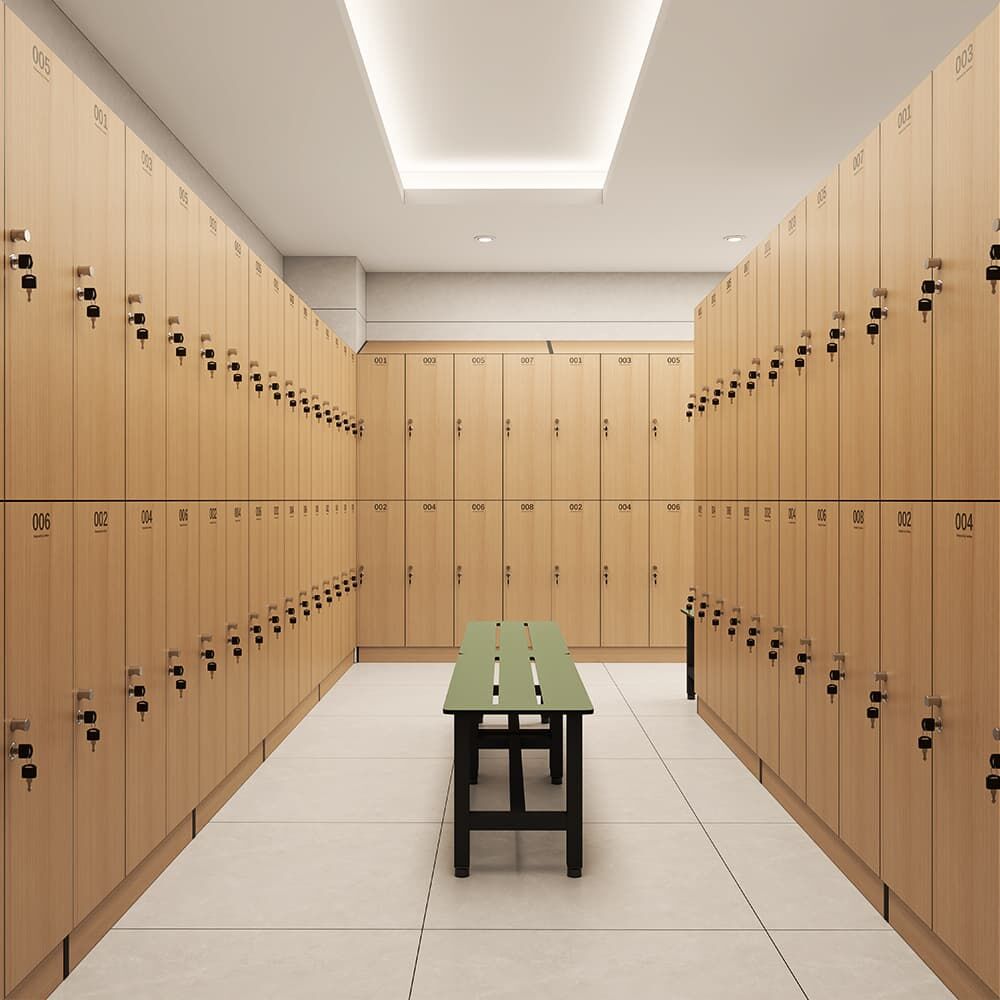
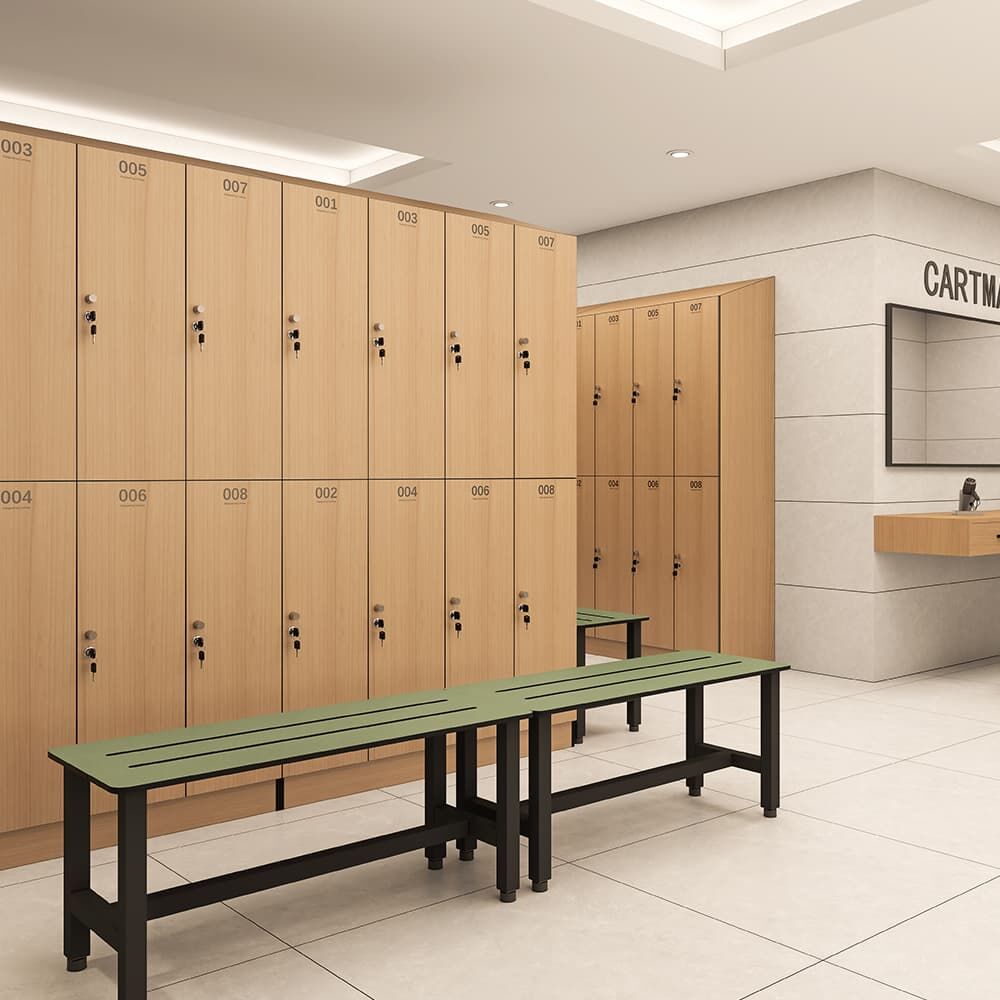
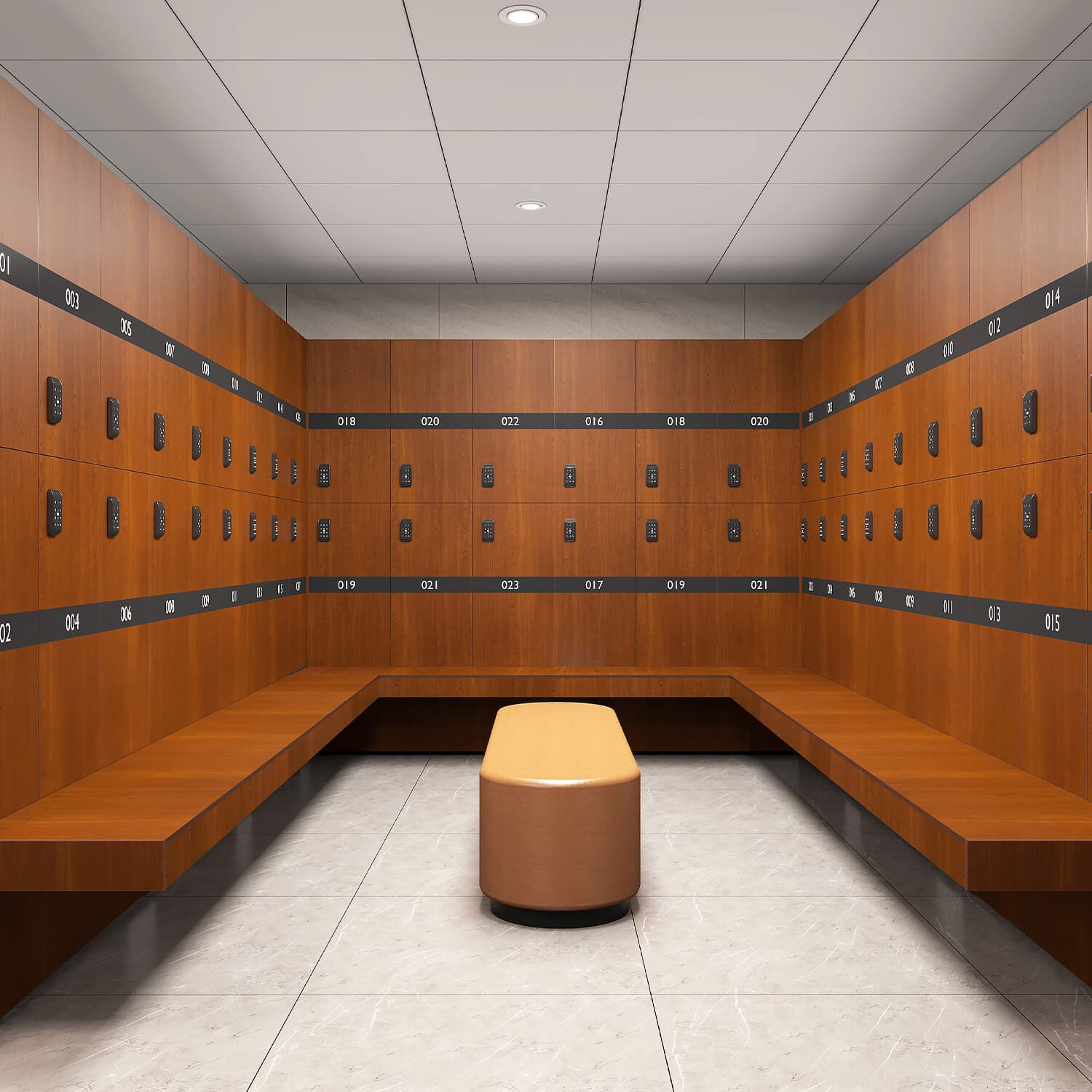
Student lockers represent essential storage infrastructure that transforms educational environments by providing secure, organized, and accessible storage solutions for students across various academic institutions. These specialized storage units serve multiple critical functions, including safeguarding personal belongings, storing educational materials, and maintaining organized learning spaces. Modern student lockers incorporate advanced technological features such as digital locking mechanisms, RFID access control, smartphone connectivity, and integrated charging stations for electronic devices. The primary applications of student lockers extend beyond traditional schools to universities, community colleges, training centers, recreational facilities, and corporate learning environments. Contemporary student lockers feature robust construction using high-grade steel or polymer materials, ensuring durability and longevity in high-traffic educational settings. Advanced ventilation systems prevent moisture buildup and maintain optimal storage conditions for books, electronics, and personal items. Many student lockers now include customizable compartment configurations, allowing institutions to adapt storage solutions to specific needs and space requirements. Smart technology integration enables remote monitoring, usage analytics, and maintenance scheduling, providing administrators with valuable insights into locker utilization patterns. Security features have evolved significantly, with biometric scanners, pin code systems, and mobile app controls replacing traditional combination locks. Student lockers also incorporate sustainability elements, utilizing recycled materials and energy-efficient components to support environmental initiatives. The modular design of modern student lockers facilitates easy installation, reconfiguration, and expansion as institutional needs change. Additionally, these storage solutions often feature antimicrobial coatings and easy-clean surfaces, promoting hygiene and reducing maintenance requirements in educational environments.
 EN
EN

 ONLINE