EN
EN


Selecting the right staff lockers is a decision that carries more operational weight than many facility managers initially expect. Whether you are outfitting a corporate office, a manufacturing plant, a healthcare facility, a gym, or a school, the quality and suitability of your staff lockers directly influence employee satisfaction, workplace organization, and even regulatory compliance. A poorly considered purchase can lead to premature wear, security complaints, and costly replacements within just a few years.
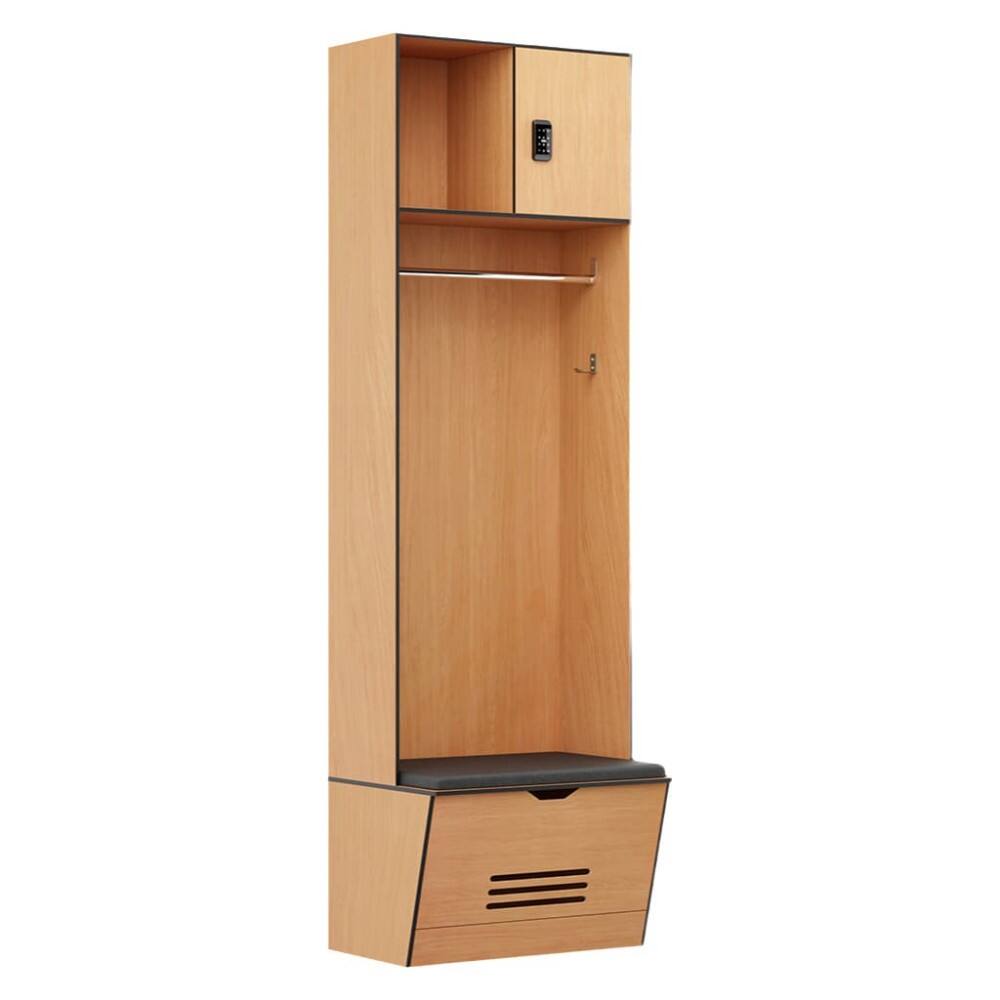
Understanding what separates an adequate locker from a genuinely well-matched solution requires evaluating several interconnected factors: material durability, locking mechanisms, configuration flexibility, environmental suitability, compliance requirements, and long-term value. This guide walks buyers through each of these dimensions so that procurement decisions are grounded in practical criteria rather than price alone. Whether you are purchasing staff lockers for the first time or replacing an aging system, the considerations outlined here will help you invest wisely.
Understanding Your Environment and User Needs
Assessing the Physical Environment
Before evaluating any specific product, buyers must carefully examine the environment in which the staff lockers will be installed. A changing room attached to a swimming pool presents entirely different challenges compared to a dry corporate office corridor. Moisture exposure, temperature fluctuations, chemical contact, and heavy traffic all affect which materials and finishes will hold up over time.
For high-humidity environments such as gyms, sports centers, or industrial wash-down areas, staff lockers made from high-pressure laminate (HPL) or powder-coated steel with anti-corrosion treatment are significantly more resilient than standard painted steel. HPL lockers in particular resist moisture absorption, surface swelling, and bacterial growth, making them especially appropriate for facilities that prioritize hygiene.
In contrast, dry environments like office buildings or schools can accommodate a wider range of materials, including standard melamine-faced boards, as long as ventilation is adequate. Understanding the specific physical environment prevents buyers from either overspending on unnecessary protection or underspending and facing early product failure.
Defining User Profiles and Storage Requirements
Different employee groups have fundamentally different storage needs, and staff lockers should be selected with those distinctions in mind. A hospital nurse who needs to store a full uniform, footwear, a personal bag, and medical accessories requires a much deeper and taller compartment than a retail employee who only stores a jacket and a small bag.
Buyers should conduct a straightforward needs assessment before specifying dimensions. This includes reviewing what employees are actually storing, how long items will be stored per shift, and whether shared or individual assignment is planned. High-turnover environments may benefit from unassigned locker banks combined with keypad or combination locks, while long-term staff in stable workplaces may prefer personally assigned compartments with padlock hasps.
The number of users relative to the number of available staff lockers also matters. In shift-based workplaces, one locker per active shift slot rather than one per total employee may be a more economical and practical approach. Aligning locker quantity with actual usage patterns prevents both shortages and wasted space.
Material Quality and Construction Standards
Choosing the Right Material for Durability
The material from which staff lockers are manufactured has a direct bearing on their service life, maintenance requirements, and total cost of ownership. Steel remains the most widely used material, valued for its structural rigidity, resistance to forced entry, and ability to accommodate a wide variety of locking hardware. Cold-rolled steel with a powder-coated finish provides a smooth, durable surface that resists chipping and scratching under normal conditions.
However, for environments requiring enhanced moisture resistance or a more premium aesthetic, high-pressure laminate is increasingly the material of choice for staff lockers. HPL panels are manufactured under extreme heat and pressure, producing a surface that is harder, denser, and more resistant to humidity and impact than standard board materials. These qualities make HPL particularly well suited to sports facilities, healthcare environments, and premium corporate changing rooms.
Buyers should also examine the thickness and gauge of the material specified. Thinner steel or lower-density board may meet initial cost targets but will show wear more quickly, particularly on door edges, hinges, and frames that absorb repeated impact from daily use. Requesting technical data sheets and verifying material specifications before purchase protects against misleading product descriptions.
Evaluating Construction Details
Beyond raw material quality, the construction method used to assemble staff lockers significantly affects long-term reliability. Welded steel frames are inherently stronger than bolt-together systems, though modular bolt-together designs offer installation flexibility and easier future reconfiguration. Buyers should clarify whether the locker system they are considering uses welded or knock-down construction, and assess which better suits their installation context.
Door alignment, hinge quality, and the robustness of locking points are three construction details that experienced facility managers consistently highlight as performance differentiators. Doors that sag or misalign over time are a persistent maintenance complaint. Investing in staff lockers with reinforced door frames, three-point locking bars, and heavy-duty hinges adds meaningful durability without necessarily adding substantial cost.
Ventilation is another structural consideration often overlooked until after installation. Locker compartments that lack adequate ventilation encourage odor buildup and material degradation, particularly in changing room contexts. Perforated doors, ventilation slots integrated into the top panel, or purposely spaced door gaps all represent valid approaches depending on the level of ventilation required.
Locking Mechanisms and Security Options
Reviewing Available Lock Types
The locking mechanism is arguably the most operationally critical component of any set of staff lockers. The wrong lock choice leads to either security vulnerabilities, excessive key management burden, or ongoing maintenance costs. Modern staff lockers are available with a wide range of lock types, each carrying its own practical trade-offs.
Coin-operated or token-operated locks are common in facilities where lockers rotate between many users across the day, such as gyms or transport hubs. They require no key management infrastructure and return the coin upon vacating, providing a simple, low-maintenance option. Padlock hasps give users the flexibility to bring their own padlock, though this places responsibility on the user and can create inconsistencies across a locker bank.
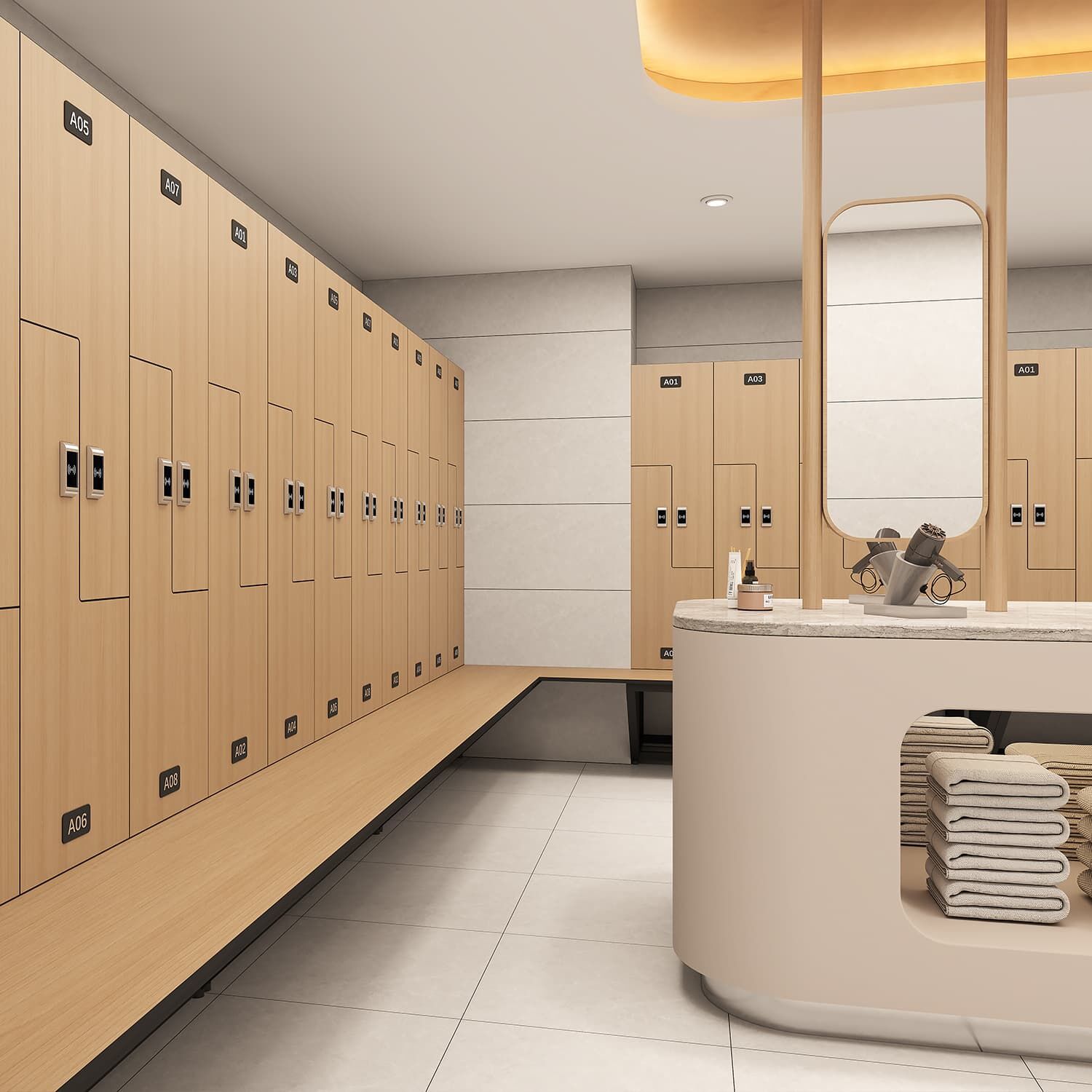
Electronic locking systems, including keypad and RFID-enabled locks, are growing in adoption for corporate and healthcare staff lockers. These systems eliminate the problems associated with lost keys or forgotten combinations, allow master override access for facility management, and can be integrated with access control databases. The upfront investment is higher, but administrative and maintenance savings often justify the cost in larger installations.
Matching Lock Choice to Operational Context
Choosing the appropriate lock type for staff lockers is not just a security decision—it is an operational workflow decision. In healthcare environments, for example, lost keys cause significant disruption if a nurse cannot access their locker at the start of a shift. Electronic or combination-based systems without physical keys are inherently more resilient to this type of disruption.
In industrial environments where gloves are worn or hands are frequently dirty, touchpad interfaces may not function reliably, making mechanical combination locks or robust key locks a more practical choice. Buyers should pilot test lock types in the actual working conditions of their facility before committing to a full installation.
Master key systems for traditional keyed staff lockers add an important layer of management control, allowing facilities teams to open any unit in case of emergency or at end of contract. Any locker system selected should include clear documentation of master key hierarchy and spare lock cylinder availability to avoid future supply chain dependencies.
Configuration, Layout, and Space Planning
Choosing the Right Locker Configuration
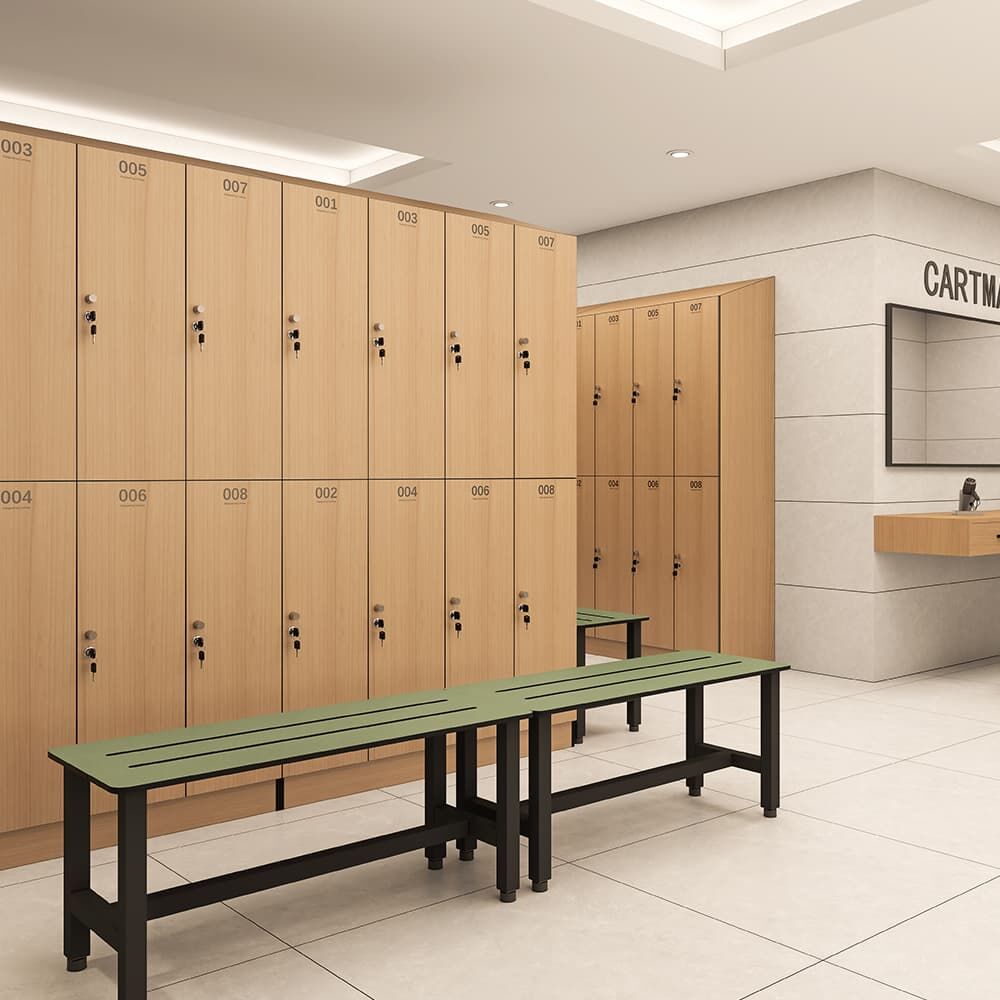
Staff lockers come in a range of configurations, from single full-height units to multi-tier arrangements that stack two, three, four, or even six compartments vertically. The configuration selected should reflect both the physical space available and the storage volume required per user. Full-height lockers provide the most generous personal storage and are standard in changing room environments where full clothing changes occur. Multi-tier configurations are more space-efficient and well suited to environments where only small personal items need storing.
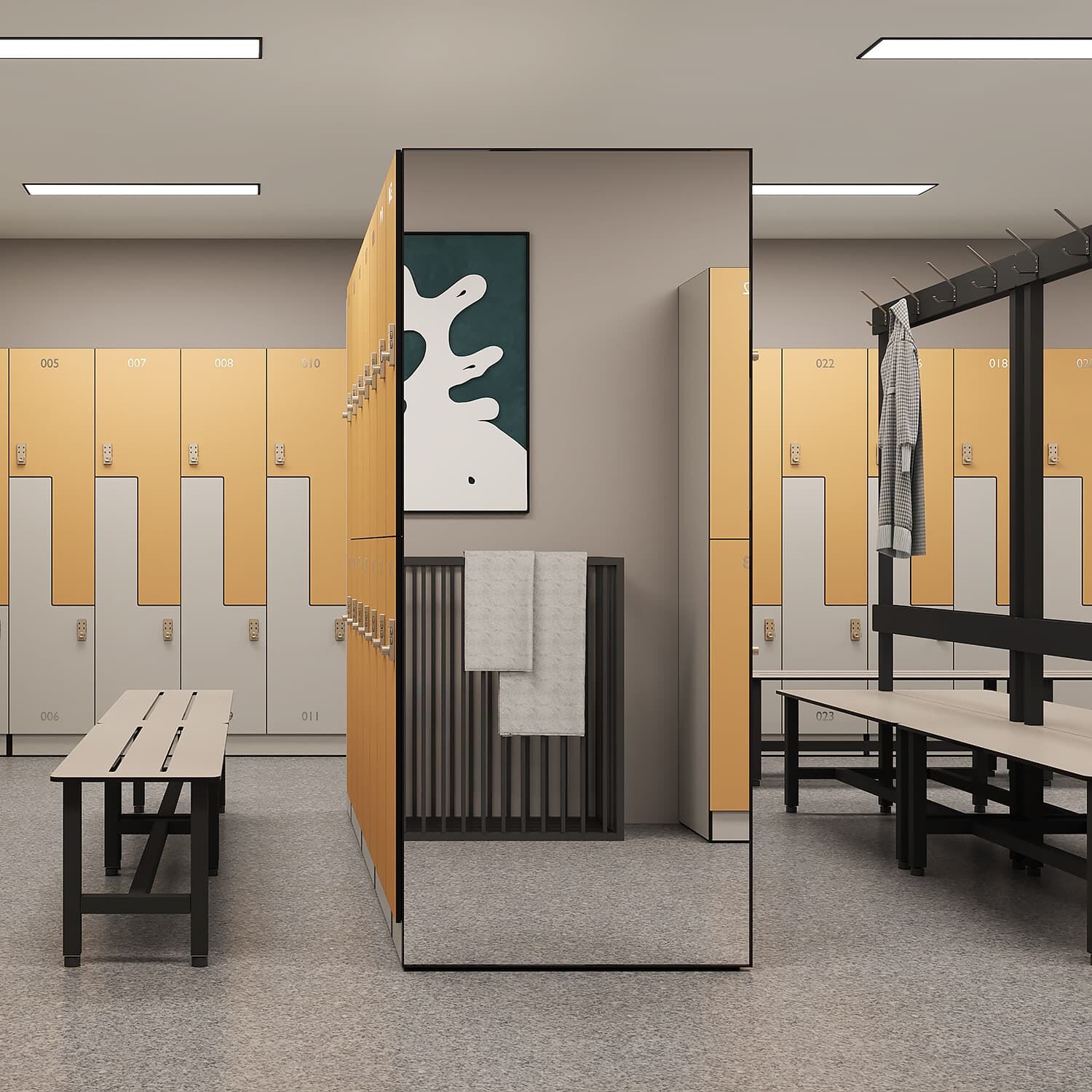
Z-tier or combination lockers, which offer one taller compartment alongside shorter ones in the same column, are a practical compromise for workplaces where storage needs vary. Some employees may require coat-length storage while others only need a small shelf for personal items. Flexible configurations in staff lockers allow a single locker bank to serve a mixed workforce without wasting space or budget.
Buyers should also consider the depth of the locker unit. Standard locker depths range from 300mm to 600mm, and specifying the correct depth prevents the common frustration of finding that selected items simply do not fit. Where shoe storage is expected, deeper base compartments or separate shoe lockers should be factored into the configuration plan.
Planning for Long-Term Scalability
Modular staff lockers offer a distinct advantage in environments where headcount may grow or change over time. A modular system allows additional columns or bays to be added without replacing the existing installation, protecting the initial investment. Buyers planning for a growing workforce should verify whether their chosen system is genuinely modular and whether matching units will remain available from the supplier over a reasonable horizon.
Floor-standing versus wall-hung staff lockers represent another configuration decision with space planning implications. Wall-hung lockers facilitate easier floor cleaning and create a modern aesthetic, though they require adequate wall structural support. Floor-standing units are simpler to install and can be repositioned as layouts change, making them more versatile for facilities that anticipate future reconfiguration.
Finishing options such as sloped tops, plinths, and end panels contribute meaningfully to the overall appearance of a locker installation. Sloped tops prevent items being stored on top of staff lockers, which improves fire safety compliance and overall tidiness. These seemingly minor finishing details often distinguish a professional installation from an afterthought.
Compliance, Aesthetics, and Total Cost of Ownership
Regulatory and Workplace Compliance Considerations
In many jurisdictions, employers have legal obligations regarding the provision of adequate changing and storage facilities for staff. Staff lockers are frequently part of workplace health and safety compliance, particularly in industries involving protective clothing, exposure to chemicals, or physical labor. Buyers operating in regulated sectors should confirm that the locker systems they purchase meet relevant national standards for workplace facilities.
Fire safety is another compliance dimension. Locker materials should meet relevant fire classification standards applicable to the installation environment, particularly in schools, healthcare facilities, and public buildings. Requesting compliance documentation and fire rating certificates from suppliers is a standard and reasonable step in the procurement process.
Accessibility is increasingly mandated or expected in modern workplaces. Staff lockers installed in accessible changing rooms should include units positioned at reachable heights for users with physical disabilities, with consideration for door handle design and lock operation ease. Building regulations and equality legislation in many countries now make accessibility a non-optional element of locker facility design.
Balancing Aesthetics with Practicality and Long-Term Value
While functionality and durability should lead the buying decision, aesthetics play a meaningful role in how staff perceive and interact with their workplace environment. Staff lockers that look well-designed and are finished to a high standard signal that the employer values the employee experience. This has a real impact on morale, particularly in competitive talent markets.
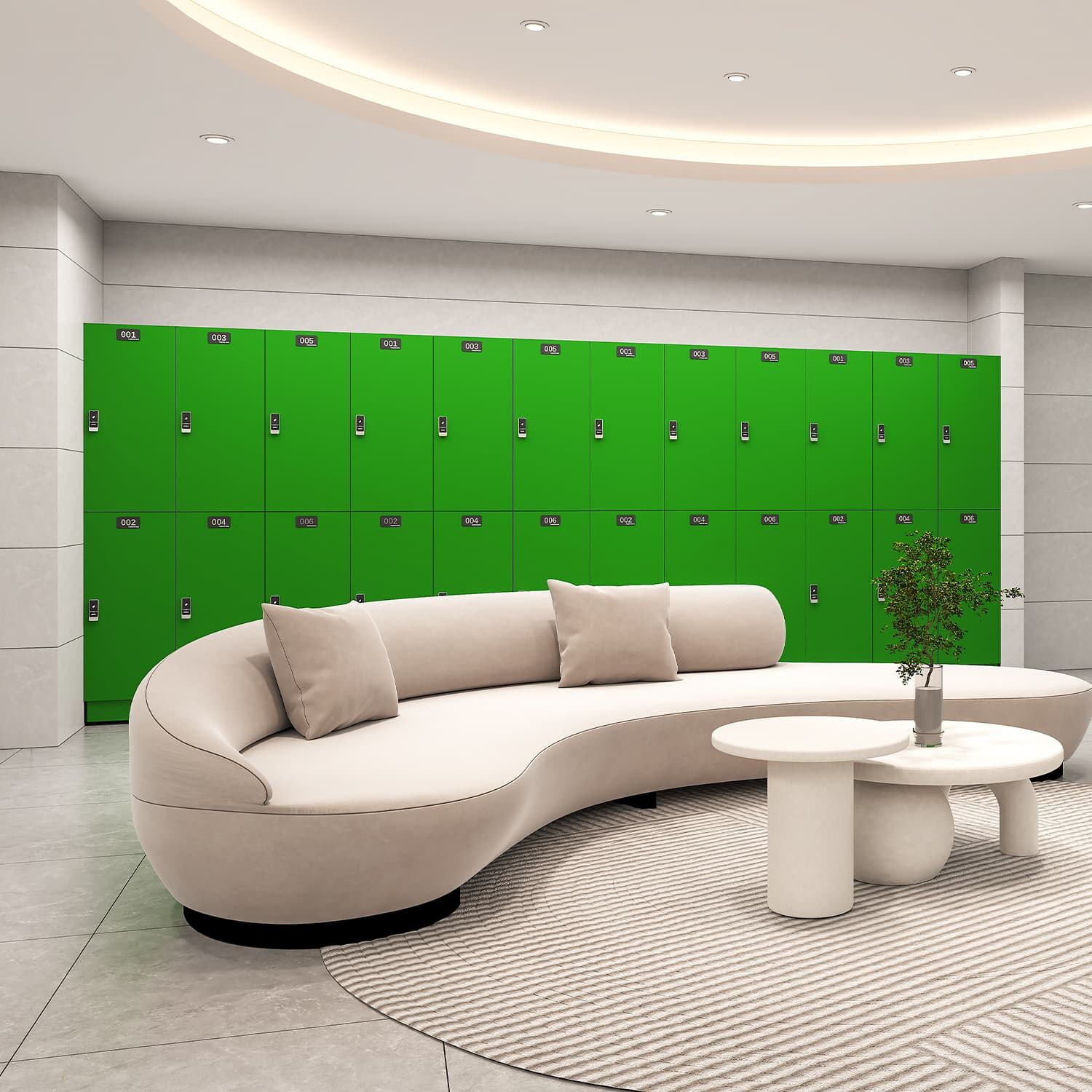
Modern locker systems are available in a broad palette of colors and surface finishes, allowing them to complement interior design schemes rather than visually dominate a space. HPL lockers in particular offer richly textured surfaces, wood-grain effects, and solid colors that elevate the look of changing and storage rooms far beyond the institutional appearance of traditional painted steel lockers.
Total cost of ownership remains the most rational framework for evaluating staff lockers against budget constraints. A higher upfront investment in durable, well-specified lockers consistently produces lower costs over a ten-year horizon compared to cheaper alternatives that require frequent repair or early replacement. Factoring in installation, maintenance, lock cylinder replacement, and potential early replacement costs enables a more honest comparison between competing product options.
FAQ
What materials are best for staff lockers in humid environments?
High-pressure laminate (HPL) is widely regarded as the most suitable material for staff lockers installed in humid or wet environments such as gyms, sports centers, and pool changing rooms. HPL is manufactured to resist moisture absorption, swelling, and bacterial growth. Where steel is preferred, buyers should ensure it carries a quality powder-coat or epoxy finish with anti-corrosion treatment to prevent rusting over time.
How many staff lockers should an employer provide per employee?
In permanently assigned systems, one locker per employee is standard. In shift-based or hot-desking environments, the ratio can be reduced to reflect actual simultaneous occupancy, often one locker per active shift rather than per total headcount. Buyers should model their workforce's actual storage patterns before specifying quantities to avoid over-ordering or creating shortages.
What locking system is most secure for staff lockers in a corporate office?
Electronic locking systems using RFID cards or PIN codes are increasingly preferred in corporate office environments because they eliminate lost-key issues, allow management override access, and integrate with existing building access control systems. Mechanical combination locks are a cost-effective and reliable alternative that still avoid key management complexity while offering strong day-to-day security.
Can staff lockers be customized to match a specific interior design?
Yes, most quality manufacturers of staff lockers offer customization in terms of color, surface texture, door style, and configuration layout. HPL locker systems in particular are available in a wide range of finishes including wood grain, solid colors, and textured surfaces. Buyers should request physical samples or digital renders before confirming a custom order to ensure the final product meets their design expectations.