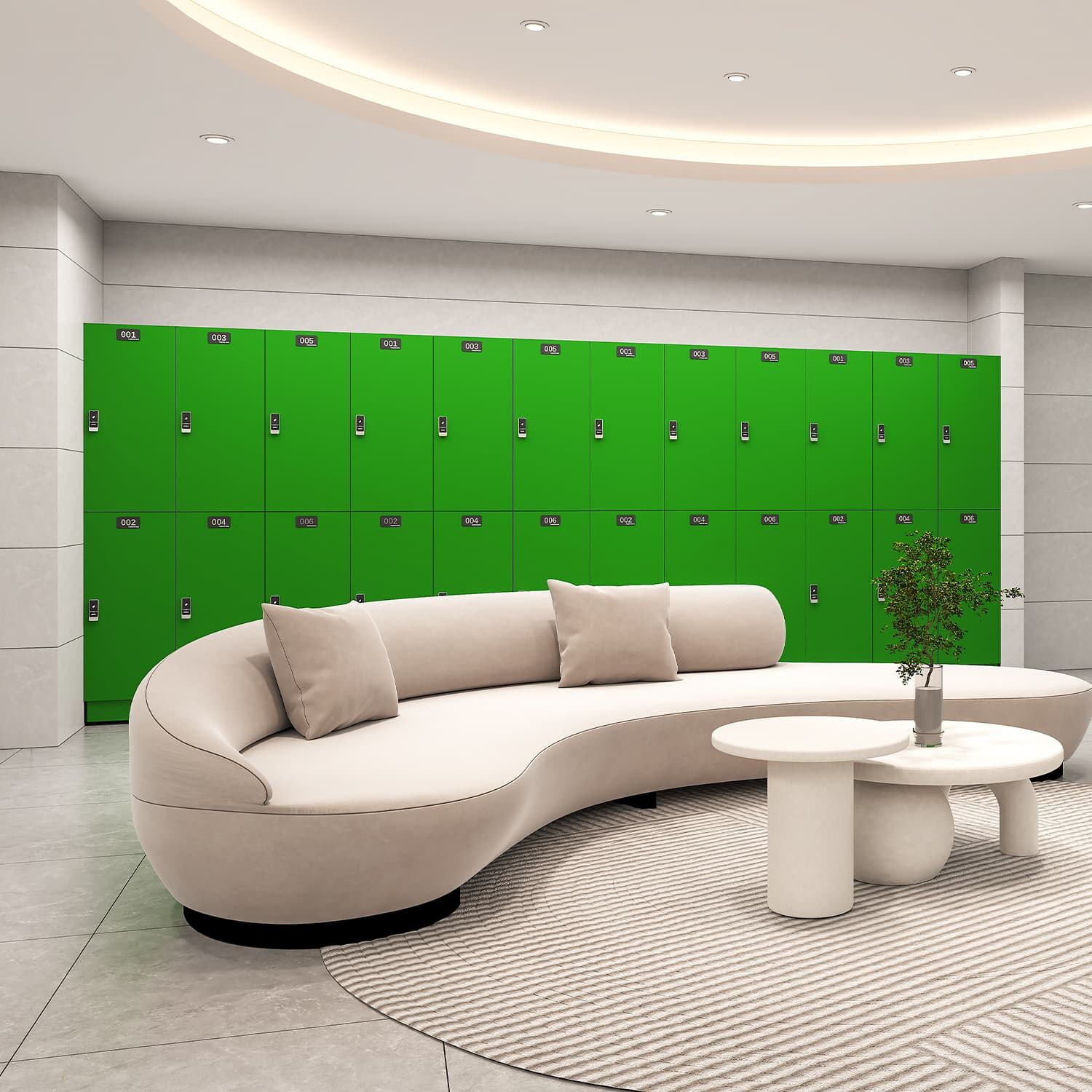
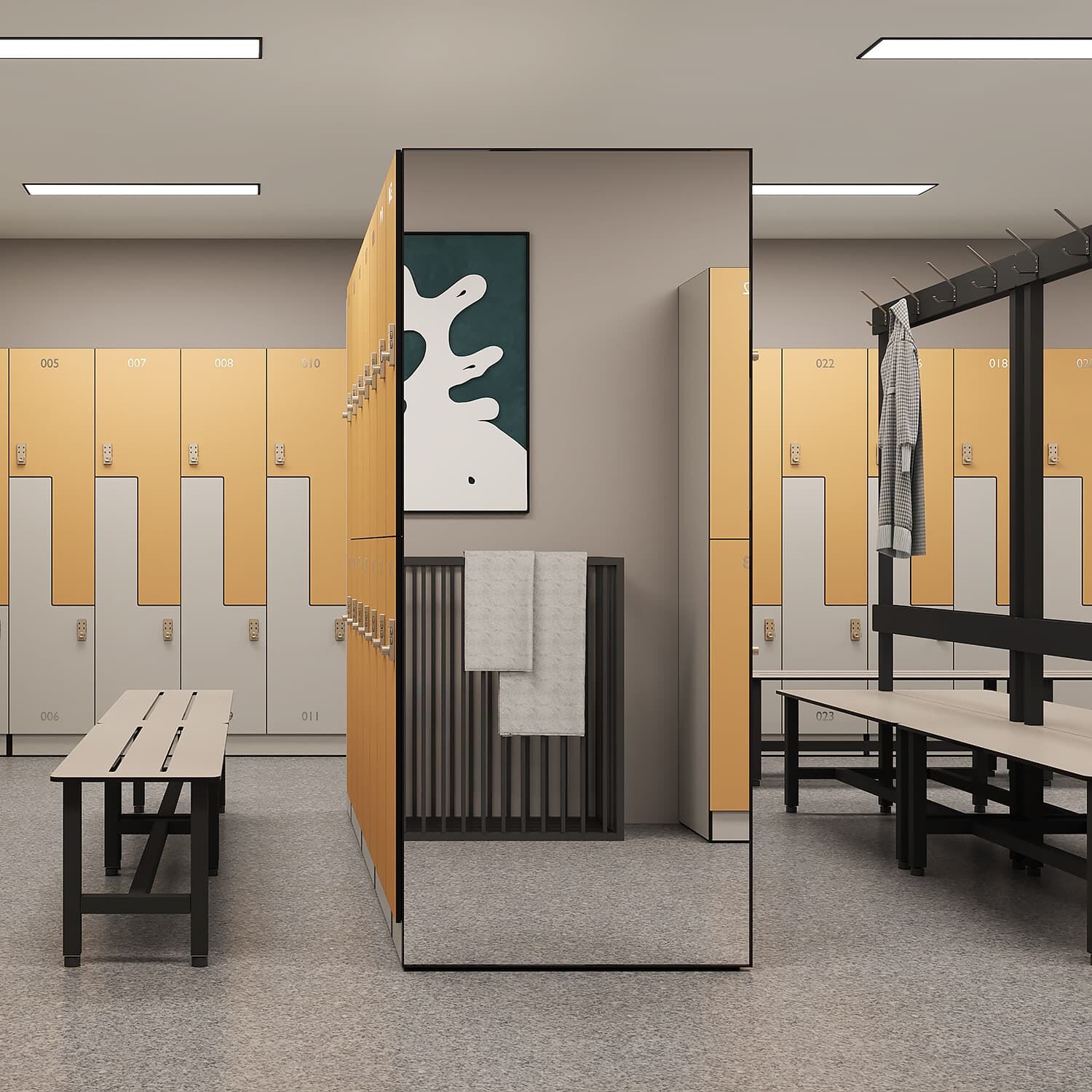
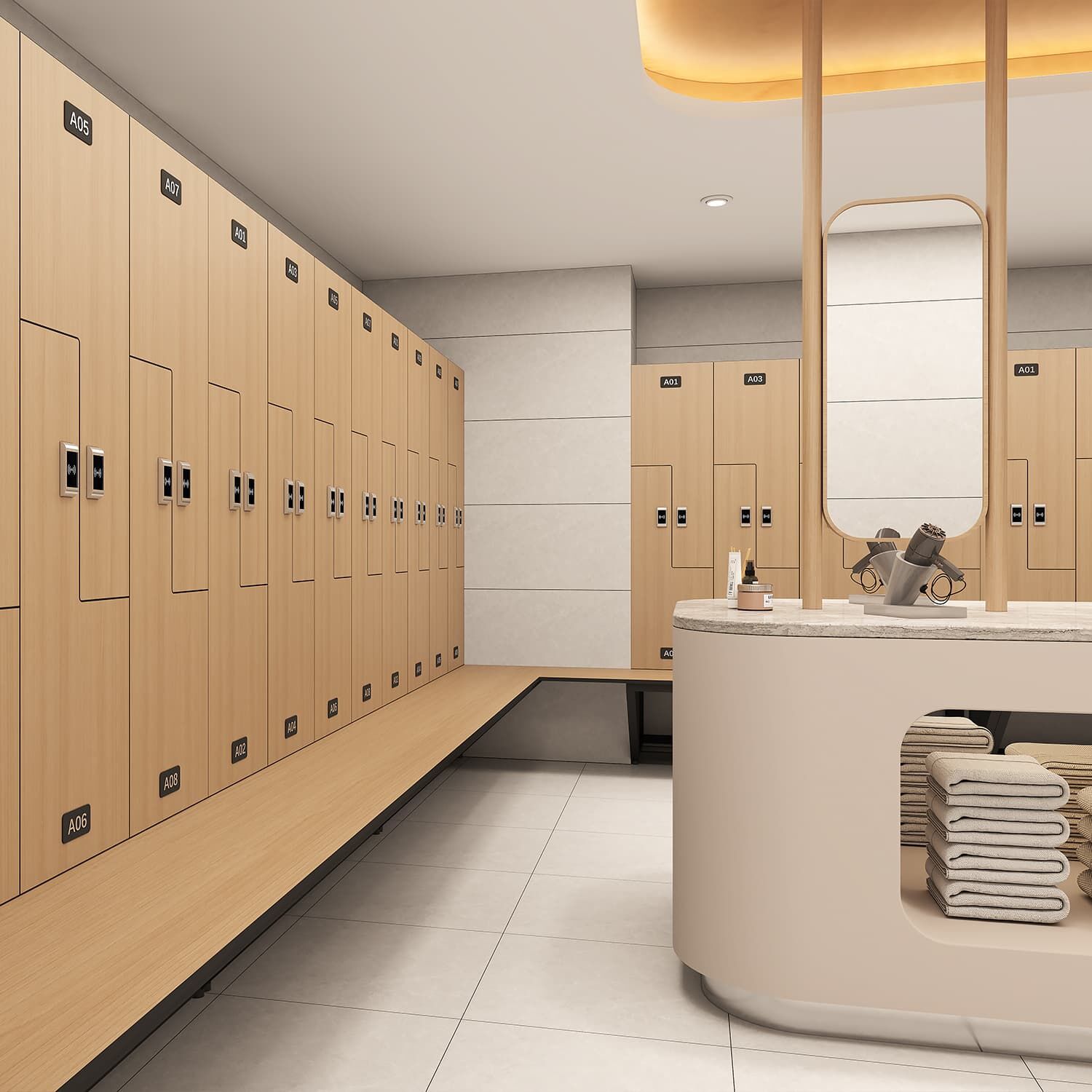
restroom stall partitions
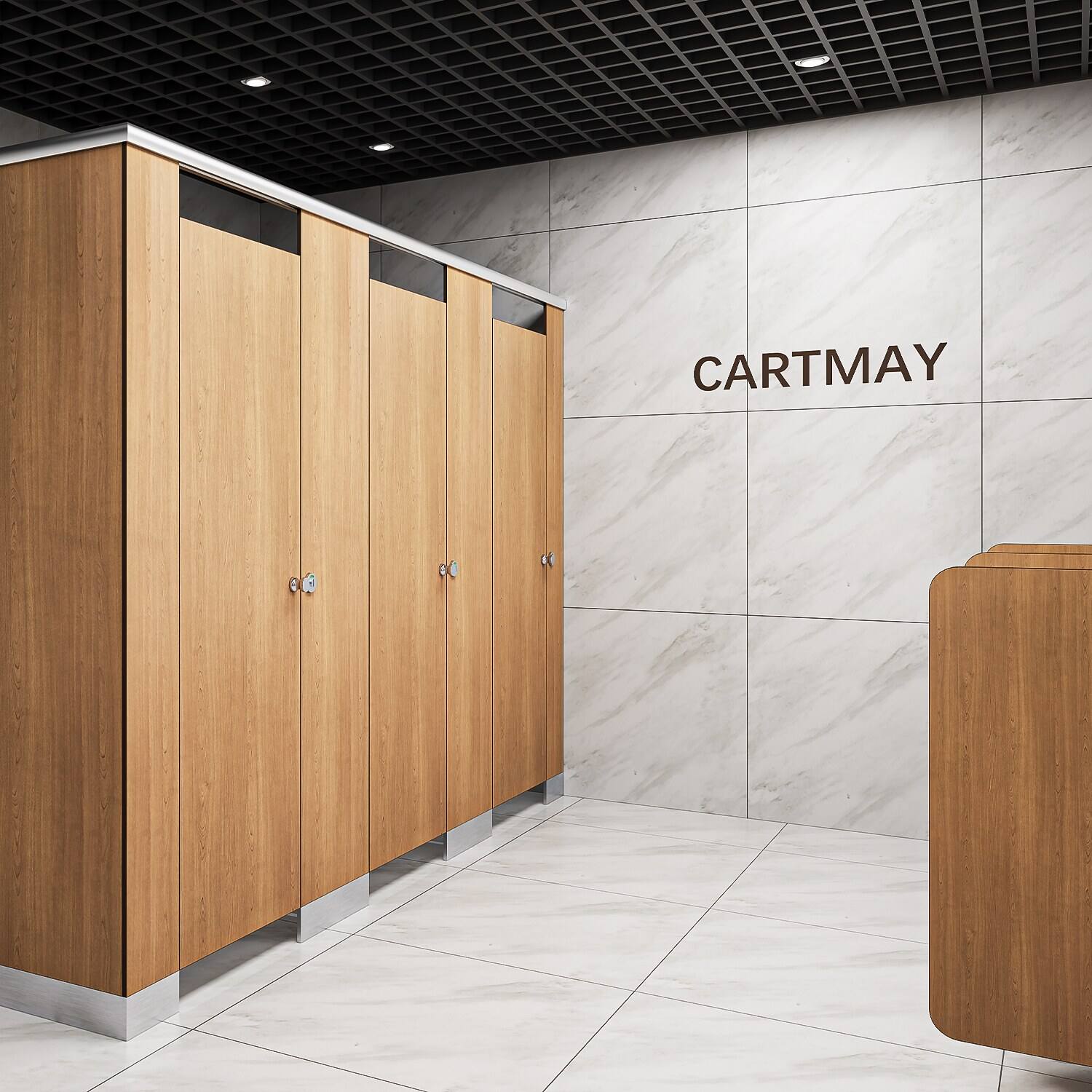
Restroom stall partitions serve as essential architectural elements that provide privacy, functionality, and aesthetic appeal in commercial and public facilities. These structural components are specifically designed to create individual enclosed spaces within larger restroom areas, ensuring users have adequate privacy while maintaining efficient use of available space. Modern restroom stall partitions incorporate advanced manufacturing techniques and materials to deliver superior performance across various demanding environments. The primary function of these partitions centers on creating private compartments that allow multiple users to utilize facilities simultaneously without compromising personal comfort or dignity. Beyond basic privacy, restroom stall partitions contribute significantly to overall facility management by establishing clear boundaries, improving traffic flow, and enhancing the user experience. Technological features of contemporary restroom stall partitions include corrosion-resistant hardware systems, antimicrobial surface treatments, and moisture-resistant core materials that withstand high-humidity environments. Many partitions feature advanced locking mechanisms that provide secure closure while remaining easy to operate for users of all ages and abilities. Surface finishes often incorporate scratch-resistant coatings and easy-clean properties that reduce maintenance requirements and extend product lifespan. Applications for restroom stall partitions span numerous sectors including educational institutions, healthcare facilities, corporate offices, retail establishments, airports, sports venues, and government buildings. Each application may require specific features such as enhanced durability for high-traffic areas, specialized hardware for accessibility compliance, or particular aesthetic elements to match interior design schemes. The versatility of restroom stall partitions allows facility managers to select configurations that meet both functional requirements and budgetary constraints while ensuring long-term reliability and user satisfaction.
 EN
EN


 ONLINE