EN
EN


Changing room lockers are specialized storage units designed to provide secure, hygienic, and organized personal item storage in environments where people need to change clothing or store belongings temporarily. These purpose-built storage solutions serve a fundamental role in facilities ranging from athletic centers and fitness clubs to swimming pools, workplace changing areas, schools, and industrial complexes. Understanding what changing room lockers are and how they function is essential for facility managers, architects, and business owners who need to create safe, efficient spaces that protect user belongings while maintaining operational flow and meeting regulatory standards for hygiene and accessibility.
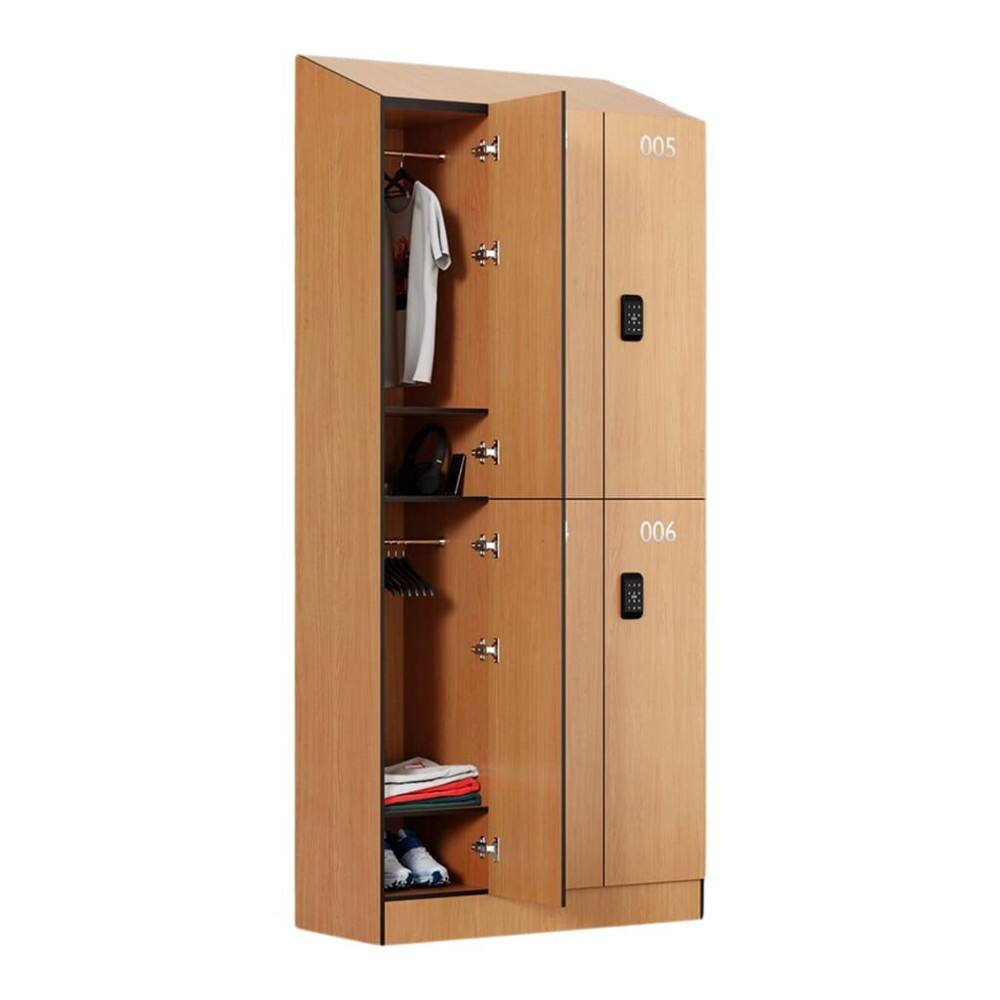
The operation of changing room lockers involves both physical construction elements and systematic access management protocols that work together to deliver security and convenience. Modern changing room lockers incorporate diverse locking mechanisms, material compositions, and configuration options tailored to specific usage patterns and environmental conditions. The effectiveness of these storage systems depends not only on their structural integrity but also on how well they align with user behavior patterns, facility traffic volumes, and maintenance capabilities. This comprehensive examination explores the defining characteristics, operational principles, material considerations, locking technologies, and practical implementation factors that determine how changing room lockers fulfill their essential function in contemporary facilities.
Defining Characteristics and Core Components
Physical Structure and Construction Elements
Changing room lockers consist of several integrated structural components that work together to create secure storage compartments. The basic framework includes vertical side panels, horizontal top and bottom panels, a rear wall, a door assembly, and internal fittings such as hooks, shelves, or hanging rails. These elements are engineered to withstand repeated daily use while maintaining dimensional stability and structural integrity over extended service periods. The construction quality of changing room lockers directly impacts their durability, with reinforced corner joints, properly aligned door mechanisms, and adequate material thickness being critical factors that determine long-term performance in high-traffic environments.
The door assembly represents the most frequently interacted component and typically features a frame structure that houses the locking mechanism, ventilation elements, and identification features such as numbering or labeling areas. Door design in changing room lockers balances several competing requirements including security, ventilation, visibility for management purposes, and ease of operation. Many modern designs incorporate perforated panels or ventilation slots that allow air circulation to prevent odor accumulation and moisture buildup while maintaining privacy and security. The hinge system must accommodate thousands of opening and closing cycles without sagging or misalignment, often utilizing continuous piano hinges or heavy-duty butt hinges with corrosion-resistant finishes.
Material Selection and Environmental Suitability
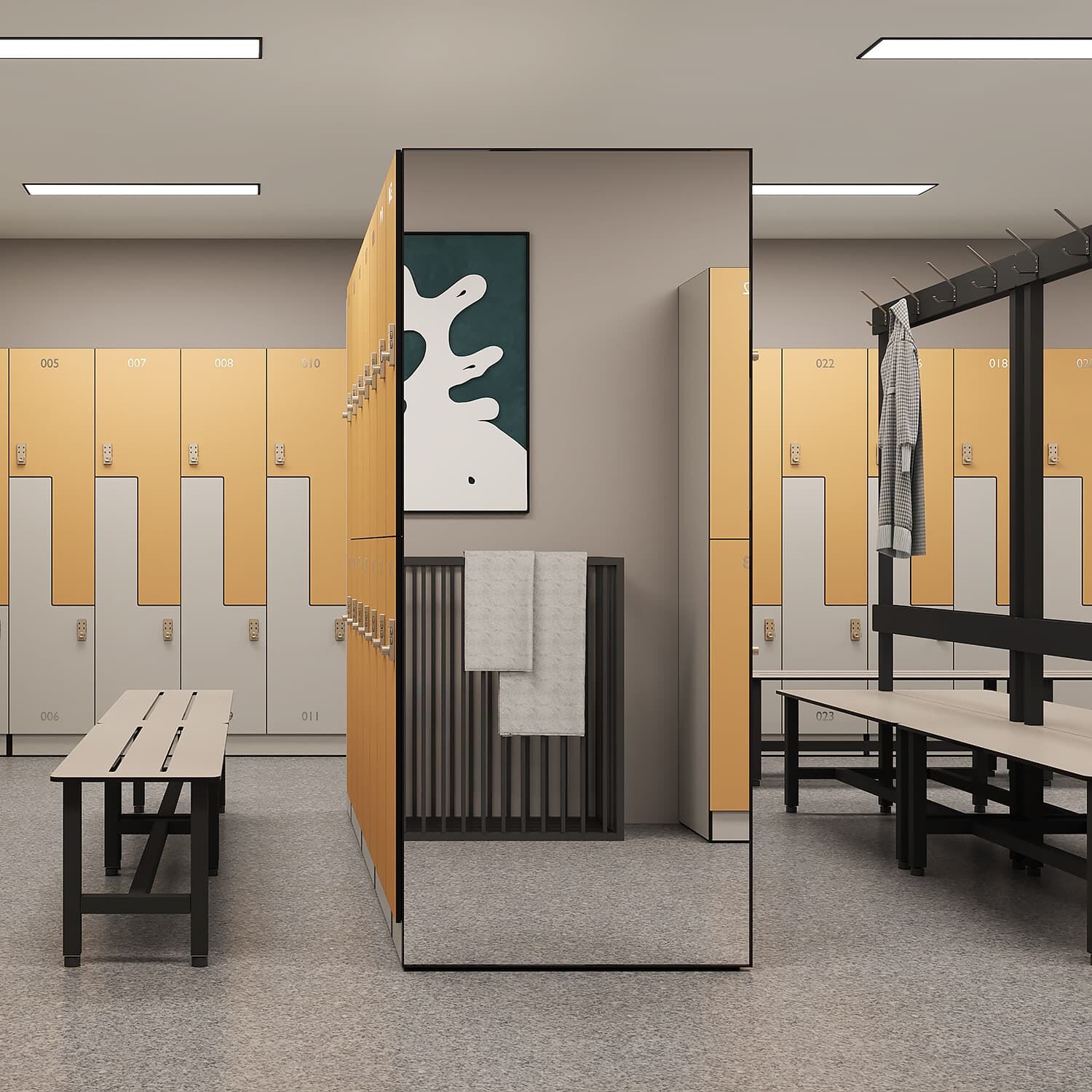
The materials used in constructing changing room lockers fundamentally determine their suitability for specific environments and usage conditions. Traditional steel lockers with powder-coated finishes remain popular for dry changing areas in schools and offices, offering excellent impact resistance and security at moderate cost points. However, environments with high moisture exposure such as pool changing rooms or spa facilities require materials with superior corrosion resistance. High-pressure laminate panels, often abbreviated as HPL, provide exceptional moisture resistance while maintaining aesthetic appeal and hygiene properties, making them particularly suitable for wet changing environments where conventional steel would deteriorate rapidly.
Phenolic resin composite materials represent another advanced option for changing room lockers in demanding applications, offering superior water resistance, antibacterial properties, and impact durability. These solid-core materials resist bacterial growth and can be thoroughly cleaned with strong disinfectants without surface degradation, addressing heightened hygiene concerns in healthcare, food processing, and public facility applications. Plastic polymer lockers provide lightweight alternatives with molded construction that eliminates sharp edges and offers excellent chemical resistance, though they may lack the premium appearance and structural rigidity required in upscale facilities. Material selection must account for the specific environmental stressors present, including humidity levels, chemical exposure, cleaning protocols, and expected impact forces.
Operational Mechanisms and Locking Systems
Traditional Key-Based Locking Technologies
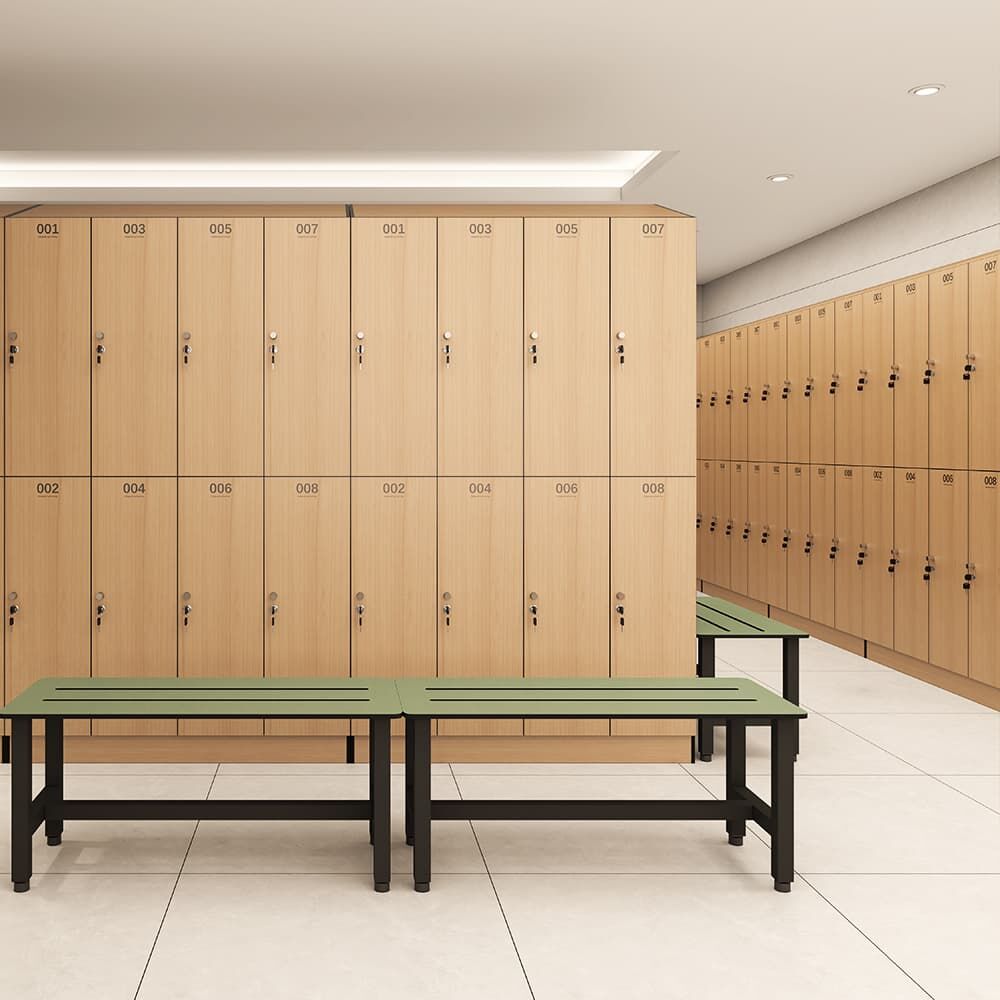
Key-operated locks represent the most straightforward mechanism for securing changing room lockers, utilizing mechanical cylinder locks that require physical keys for access. This traditional approach offers users complete control over their locker security during their visit, with the key serving as a tangible access token they carry on their person or secure separately. Facilities using key-based systems typically provide users with numbered keys corresponding to specific locker assignments, either through direct distribution at reception desks or via key deposit systems where users exchange an item of value for temporary key possession. The operational simplicity of key locks makes them intuitive for all user demographics without requiring technical literacy or battery power.
However, key-based changing room lockers present several operational challenges that facilities must actively manage. Key loss incidents create immediate security concerns and often necessitate lock replacement or master key intervention, generating ongoing maintenance costs and operational disruptions. Key management systems require staff attention for distribution, collection, and reconciliation, increasing labor requirements during peak usage periods. Additionally, master key systems that allow facility staff override access must be carefully controlled to prevent unauthorized entry while maintaining emergency access capabilities. Despite these limitations, key locks remain viable for dedicated-assignment lockers in employee changing rooms or membership facilities where the same individuals use assigned lockers repeatedly over extended periods.
Combination and Programmable Lock Solutions
Combination locks eliminate physical key requirements by using numerical codes for access authorization, offering operational advantages in high-turnover changing environments. Mechanical combination locks feature rotating dials or push-button sequences that align internal mechanisms when the correct code is entered, providing keyless security without electrical power requirements. Users can set personal combinations for the duration of their visit in resettable combination locks, while fixed-combination systems assign specific codes to particular changing room lockers permanently. The absence of keys to manage reduces loss-related complications and allows users to simply remember their code rather than carrying additional items while exercising or swimming.
Electronic programmable locks represent an evolution in combination technology, featuring digital keypads that accept temporary codes and can be remotely managed through facility management systems. These advanced systems allow staff to generate time-limited access codes, track usage patterns, and remotely unlock compartments when necessary without physical intervention. Electronic changing room lockers can integrate with facility access control systems, membership databases, and payment processing platforms to create seamless user experiences where a single credential provides building entry, locker assignment, and storage access. Battery-powered electronic locks typically provide thousands of operations between battery changes, with low-power indicators alerting maintenance staff before functionality is compromised. The programmable nature of these systems enables flexible operational models including hourly rentals, daily assignments, or long-term dedicated allocations without hardware modifications.
RFID and Proximity-Based Access Control
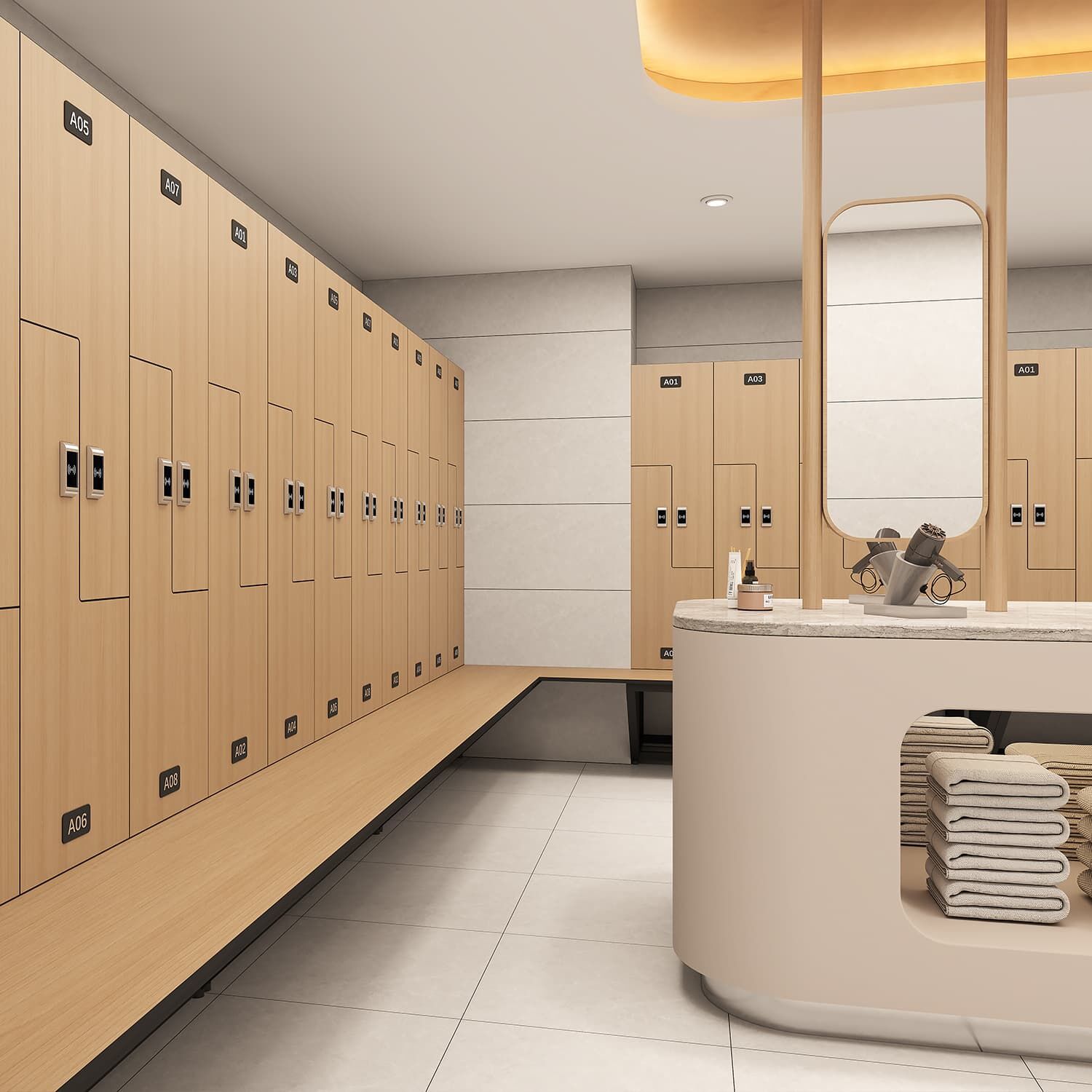
Radio-frequency identification technology and proximity card systems represent sophisticated approaches to managing changing room lockers in modern facilities seeking seamless user experiences and comprehensive access tracking. RFID-enabled locks respond to programmed cards, wristbands, or key fobs that users present near the lock mechanism, which reads the credential and grants access if authorization parameters are met. This contactless operation eliminates mechanical wear on lock components while providing rapid access that reduces bottlenecks during peak changing room traffic periods. Facilities can issue RFID credentials at check-in, program them with specific locker assignments and time limitations, and collect them upon departure, maintaining complete inventory control.
The backend systems supporting RFID changing room lockers enable sophisticated management capabilities including real-time occupancy monitoring, automated billing for rental periods, and detailed usage analytics that inform facility planning decisions. Administrators can instantly reassign lockers, extend access periods, or revoke credentials without physical contact with the units themselves. Integration with membership management platforms allows seamless experiences where existing membership cards double as locker access credentials. These systems generate comprehensive audit trails recording every access event with timestamps and user identification, valuable for security investigations and operational analysis. The initial investment in RFID infrastructure exceeds traditional locking systems, but operational efficiencies, reduced key management labor, and enhanced user satisfaction often justify the expense in high-volume facilities.
Functional Design Considerations and Usage Patterns
Size Configuration and Storage Capacity Planning
Changing room lockers are manufactured in diverse size configurations to accommodate different storage requirements and optimize space utilization within facilities. Single-tier full-height units typically measure between 60 and 72 inches tall, providing generous storage capacity including full-length hanging space suitable for coats, suits, or athletic gear requiring vertical orientation. These larger compartments suit executive changing facilities, golf clubs, or environments where users store substantial personal items including footwear, bags, and multiple garment changes. Two-tier configurations divide the vertical space into stacked compartments, each approximately 30 to 36 inches high, doubling the number of users served per floor footprint while still accommodating folded clothing, shoes, and personal accessories.
Multi-tier changing room lockers with three, four, or even six compartments per vertical column maximize user density in space-constrained facilities or high-traffic environments where rapid turnover justifies smaller individual storage volumes. Compact compartments in these configurations typically range from 12 to 18 inches in height, sufficient for wallets, phones, keys, and minimal clothing items common in swimming pool or day-use athletic facilities. Width dimensions generally standardize at 12 or 15 inches to balance storage utility with manufacturing efficiency and installation flexibility. Depth measurements between 12 and 18 inches accommodate typical personal item volumes while allowing adequate clearance in changing room aisles for comfortable circulation. Facility planners must analyze expected user demographics, typical storage requirements, and visit duration patterns to select appropriate size configurations that balance capacity maximization with user satisfaction.
Ventilation and Hygiene Integration
Effective ventilation represents a critical functional requirement in changing room lockers to prevent moisture accumulation, odor development, and bacterial growth that compromise hygiene and user experience. Properly designed units incorporate ventilation features including perforated doors, vented top and bottom panels, or louvered sections that promote air circulation through stored items. This continuous airflow helps damp towels, swimwear, and athletic clothing dry between uses, particularly important in facilities where users may store items between morning and evening visits. Inadequate ventilation in changing room lockers leads to musty odors, mildew formation, and deterioration of both stored items and the locker materials themselves.
Hygiene considerations extend beyond ventilation to include surface materials that resist bacterial colonization and facilitate thorough cleaning protocols. Smooth, non-porous interior surfaces in modern changing room lockers prevent dirt accumulation in crevices and allow effective disinfection through wiping or spray application. Some advanced systems incorporate antibacterial surface treatments or materials with inherent antimicrobial properties that actively inhibit bacterial growth. Facilities with rigorous hygiene standards may specify seamless interior construction without exposed fasteners or joints where contaminants can accumulate. The selection of appropriate hygiene features depends on facility type, with healthcare, food processing, and pool environments requiring more stringent specifications than general office or retail changing areas. Regular maintenance protocols must complement design features to maintain optimal hygiene standards throughout the service life of the lockers.
Accessibility and Universal Design Principles
Modern changing room lockers increasingly incorporate accessibility features that accommodate users with diverse physical capabilities, reflecting both regulatory requirements and inclusive design philosophies. Lower-tier lockers in multi-tier configurations should be positioned at heights accessible to wheelchair users and individuals with limited reach, typically with locking mechanisms no higher than 48 inches from the floor. Some facilities designate specific accessible changing room lockers with reduced reach depths, larger compartment dimensions to accommodate medical devices or mobility aids, and enhanced maneuvering clearance in surrounding circulation spaces. Door handles and locking mechanisms should operate with single-hand manipulation requiring minimal grip strength, accommodating users with limited dexterity.
Visual accessibility features including high-contrast numbering, tactile identification elements, and clear sans-serif typography help users with vision impairments locate and operate assigned lockers independently. Audio feedback in electronic locking systems confirms successful operations for users who cannot easily see visual indicators. The spatial layout of changing room lockers within the broader facility must provide adequate clear floor space for wheelchair turning radius and accessible routes connecting to changing stalls, shower facilities, and exits. Facilities subject to accessibility regulations such as the Americans with Disabilities Act must ensure compliance not only in individual locker design but in the overall changing room configuration. Forward-thinking facilities exceed minimum compliance standards to create truly inclusive environments that serve the broadest possible user base without special accommodations feeling segregated or stigmatized.
Installation and Maintenance Operational Requirements
Installation Methods and Site Preparation
Proper installation of changing room lockers requires careful site preparation and adherence to manufacturer specifications to ensure stability, alignment, and long-term performance. Floor-mounted installations typically use anchor bolts or concrete fasteners that penetrate finished flooring to secure base rails or individual locker feet to the structural substrate. This anchoring prevents tipping hazards particularly important with tall single-tier units that present leverage risks when doors open or users lean against them. Wall-mounted or wall-stabilized installations add overhead attachment points that further enhance stability while potentially allowing easier floor cleaning beneath the units. Installation teams must verify floor levelness and make appropriate adjustments during mounting to prevent door misalignment issues that compromise security and operation.
Gang-assembled configurations where multiple changing room lockers connect into continuous runs require precise alignment between adjacent units to maintain visual consistency and prevent operational issues. Manufacturers typically provide connecting hardware and assembly instructions specifying proper sequencing and torque specifications for fasteners. Electrical considerations arise when installing electronic locking systems, necessitating power supply routing or battery access planning. Ventilation requirements may influence placement relative to HVAC systems or require specific clearances from walls and ceilings. Professional installation teams experienced with changing room lockers understand these interdependencies and can anticipate site-specific challenges including irregular floor conditions, utility conflicts, or dimensional constraints that require field modifications to standard configurations.
Ongoing Maintenance and Lifecycle Management
Systematic maintenance protocols extend the service life of changing room lockers and prevent minor issues from escalating into operational failures that compromise user experience. Regular inspection schedules should document door alignment, hinge function, locking mechanism operation, and surface condition to identify wear patterns requiring intervention. Hinge lubrication using appropriate products prevents squeaking and binding while reducing mechanical wear that eventually causes sagging and misalignment. Lock mechanisms require periodic cleaning to remove debris accumulation and may need combination resets or electronic reprogramming based on security protocols and user turnover patterns.
Surface cleaning and disinfection represent continuous maintenance requirements in changing room lockers, with frequency determined by usage intensity and facility hygiene standards. Appropriate cleaning agents must match locker materials, as harsh chemicals can damage powder coating on steel units while being necessary for thorough disinfection of high-touch surfaces. Moisture control through facility-level humidity management and adequate ventilation prevents corrosion in metal components and delamination in composite materials. Facility managers should maintain spare parts inventories including common lock components, hinge assemblies, and touch-up paint or laminate repair materials enabling rapid response to damage incidents. Battery replacement schedules for electronic locks should be proactive based on usage data rather than reactive after failures occur. Comprehensive lifecycle management includes planning for eventual replacement when repair costs exceed economic viability, typically after 15 to 25 years depending on initial quality, usage intensity, and maintenance consistency.
Selection Criteria and Application Matching
Facility Type and Operational Model Alignment
Selecting appropriate changing room lockers requires careful analysis of facility type, user demographics, and operational models to ensure the solution matches actual usage patterns. Corporate wellness centers serving employee populations typically benefit from assigned locker systems with reliable key or combination locks, as regular users appreciate consistent locker locations and the ability to leave items between visits. These environments prioritize durable, professional-appearing units in materials like powder-coated steel or wood-grain laminates that complement upscale interior design. Public fitness facilities with transient membership bases require different approaches, often utilizing day-use changing room lockers with electronic or RFID systems that automatically clear assignments and enable rapid turnover between users without staff intervention.
Educational institutions face distinct requirements including vandalism resistance, cost-effectiveness across large unit quantities, and size configurations appropriate for student age groups. Elementary schools may specify shorter tiers and simpler locking mechanisms suited to younger users, while secondary schools require full-height options and more secure locking capable of protecting valuable electronics. Aquatic facilities including swimming pools and water parks necessitate changing room lockers with maximum moisture resistance, typically utilizing phenolic or plastic materials that withstand constant humidity and direct water exposure. Industrial facilities where workers transition between street clothes and protective gear require robust construction resistant to tool impacts and may need specialized features like ventilated compartments for damp protective equipment or integrated benches. Matching locker specifications to operational realities prevents dissatisfaction, premature failure, and costly retrofitting.
Budget Considerations and Total Cost Analysis
Financial planning for changing room lockers must encompass initial acquisition costs, installation expenses, and ongoing operational costs over the expected service life. Entry-level welded steel lockers with basic mechanical locks represent the most economical initial investment, suitable for budget-constrained facilities with moderate usage intensity and dry environmental conditions. Mid-range options including better-grade steel with enhanced finishes, knocked-down construction for easier transportation, and improved locking mechanisms balance cost and performance for general-purpose applications. Premium changing room lockers constructed from HPL, phenolic composites, or stainless steel command higher initial prices but deliver superior durability and reduced maintenance costs that may justify the investment in demanding applications.
Installation costs vary significantly based on site conditions, assembly requirements, and anchoring complexity, potentially adding 15 to 30 percent to equipment costs. Facilities should obtain installed price quotations rather than equipment-only pricing to accurately budget projects. Operational costs including cleaning supplies, lock maintenance, electronic system fees, and periodic refurbishment must be projected over the anticipated 15 to 25 year service life. Energy costs for electronic systems remain negligible, but battery replacement and occasional electronic component failures add modest ongoing expenses. Total cost of ownership analysis frequently reveals that mid-grade changing room lockers optimized for the specific application deliver better value than either extreme budget or premium options. Facilities should prioritize functional alignment over pure cost minimization, as inadequate lockers generate user complaints, security incidents, and premature replacement expenses that far exceed initial savings.
FAQ
What is the typical lifespan of changing room lockers in commercial facilities?
The expected service life of changing room lockers varies considerably based on construction quality, material selection, usage intensity, and maintenance practices. High-quality steel lockers with proper powder coating in climate-controlled environments typically serve 20 to 25 years before requiring replacement, while phenolic or HPL composite units in moisture-exposed applications often exceed this timeframe due to superior corrosion resistance. Budget-grade thin-gauge steel units in high-traffic public facilities may show significant deterioration within 10 to 15 years, particularly if subjected to vandalism or inadequate maintenance. Electronic components in smart locking systems generally require updates or replacement on shorter cycles of 7 to 10 years as technology evolves, though mechanical locker bodies can continue functioning with upgraded lock mechanisms installed.
How do facilities manage locker assignments and prevent conflicts between users?
Effective locker assignment management depends on facility operational models and technology integration. Day-use facilities typically implement first-come, first-served systems where users select from available changing room lockers upon arrival, with staff monitoring or electronic systems tracking occupancy to prevent double assignments. Some facilities use token exchange systems where users deposit an item of value to receive a numbered key, creating accountability and ensuring key return. Advanced facilities with RFID or electronic systems assign lockers automatically through kiosks or mobile applications, programming temporary access credentials that expire after predetermined periods. Membership facilities offering long-term assignments maintain databases correlating member accounts to specific locker numbers, often collecting additional fees for this premium service. Clear signage, user education, and staff oversight during peak periods minimize conflicts and ensure smooth operations regardless of the assignment methodology employed.
Can changing room lockers be customized with organizational branding or specific color schemes?
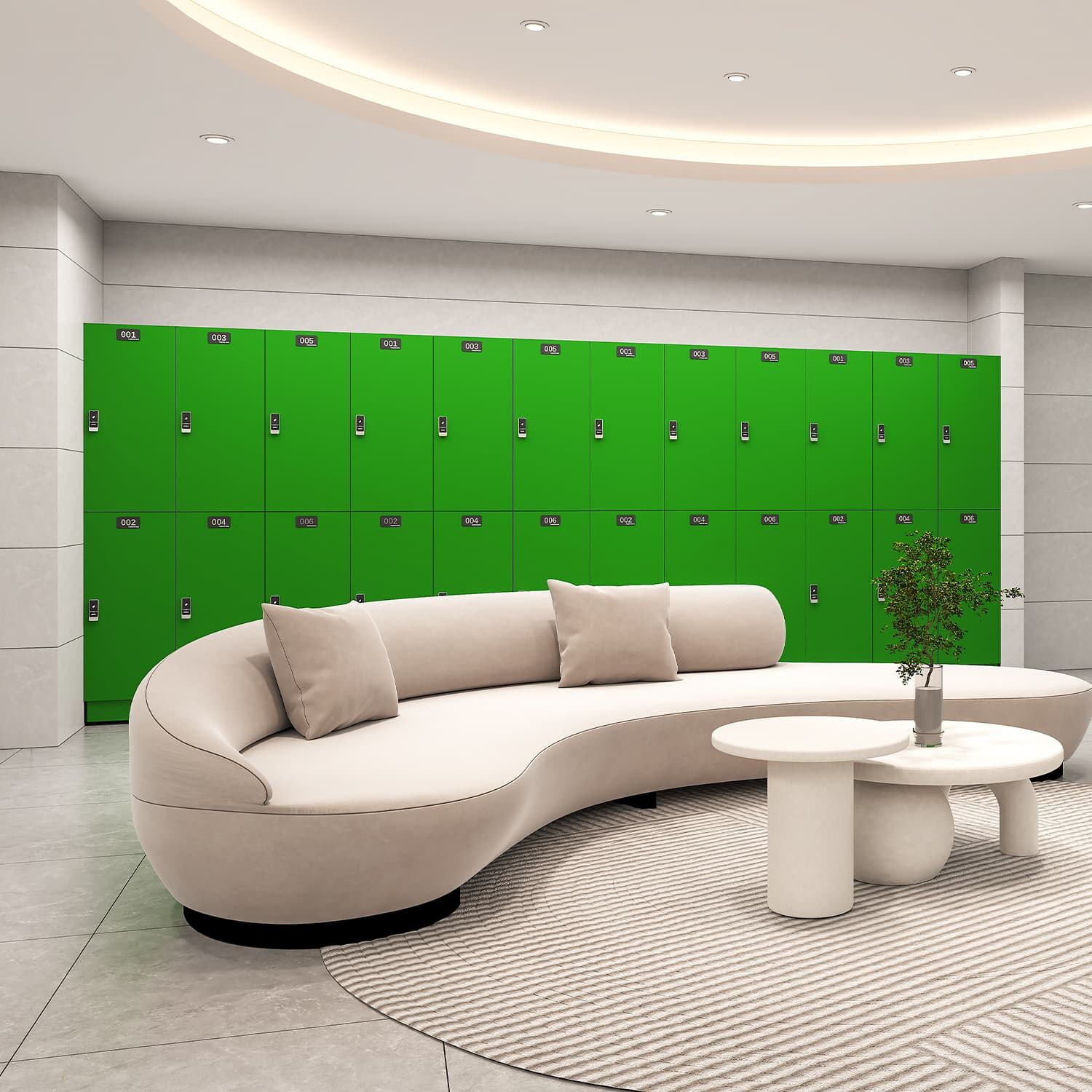
Most manufacturers offer extensive customization options for changing room lockers including color selection, logo integration, and finish specifications that align with facility branding and interior design schemes. Powder-coated steel lockers are available in virtually unlimited colors through custom color matching services, though standard color selections typically cost less than custom formulations. HPL and phenolic lockers offer numerous laminate patterns including solid colors, wood grains, and textured finishes selected from manufacturer catalogs. Some suppliers provide custom laminate printing incorporating organizational logos, patterns, or graphics directly into locker door surfaces, creating distinctive branded installations. Door numbering and labeling can utilize custom fonts, colors, and formats matching facility signage systems. Metal lockers may incorporate laser-cut logo panels, custom perforation patterns, or contrasting accent colors on trim components. Customization typically adds cost and extends lead times compared to standard catalog products, with economic viability improving as order quantities increase and per-unit customization costs decrease.
What security features prevent unauthorized access to changing room lockers between legitimate uses?
Security in changing room lockers relies on multiple layers including physical lock mechanisms, facility access control, and operational protocols working in concert. Mechanical locks with hardened steel shackles resist bolt cutters and prying tools that represent common physical attack methods. Electronic systems can be programmed to automatically lock and disable access codes after predetermined periods, preventing forgotten items from remaining accessible beyond authorized rental periods. Master key systems allow facility staff emergency access while maintaining accountability through key control procedures. Surveillance cameras positioned in locker areas deter theft attempts and provide investigation evidence when incidents occur. Assignment tracking systems that correlate user identity to specific locker numbers through membership databases or ID verification create accountability that discourages internal theft. Some facilities implement regular security sweeps where staff verify all lockers are either properly locked with legitimate users or empty and available. No security system eliminates all risk, but properly designed and managed changing room lockers reduce vulnerability to acceptable levels while maintaining user convenience and operational efficiency.
Table of Contents
- Defining Characteristics and Core Components
- Operational Mechanisms and Locking Systems
- Functional Design Considerations and Usage Patterns
- Installation and Maintenance Operational Requirements
- Selection Criteria and Application Matching
-
FAQ
- What is the typical lifespan of changing room lockers in commercial facilities?
- How do facilities manage locker assignments and prevent conflicts between users?
- Can changing room lockers be customized with organizational branding or specific color schemes?
- What security features prevent unauthorized access to changing room lockers between legitimate uses?