EN
EN


Selecting the right wooden lockers for your facility requires careful evaluation of multiple interconnected factors that directly impact functionality, durability, and long-term value. Whether you're outfitting a gymnasium, workplace, or educational institution, the decision involves balancing aesthetic preferences with practical performance requirements that will serve users effectively for years to come.
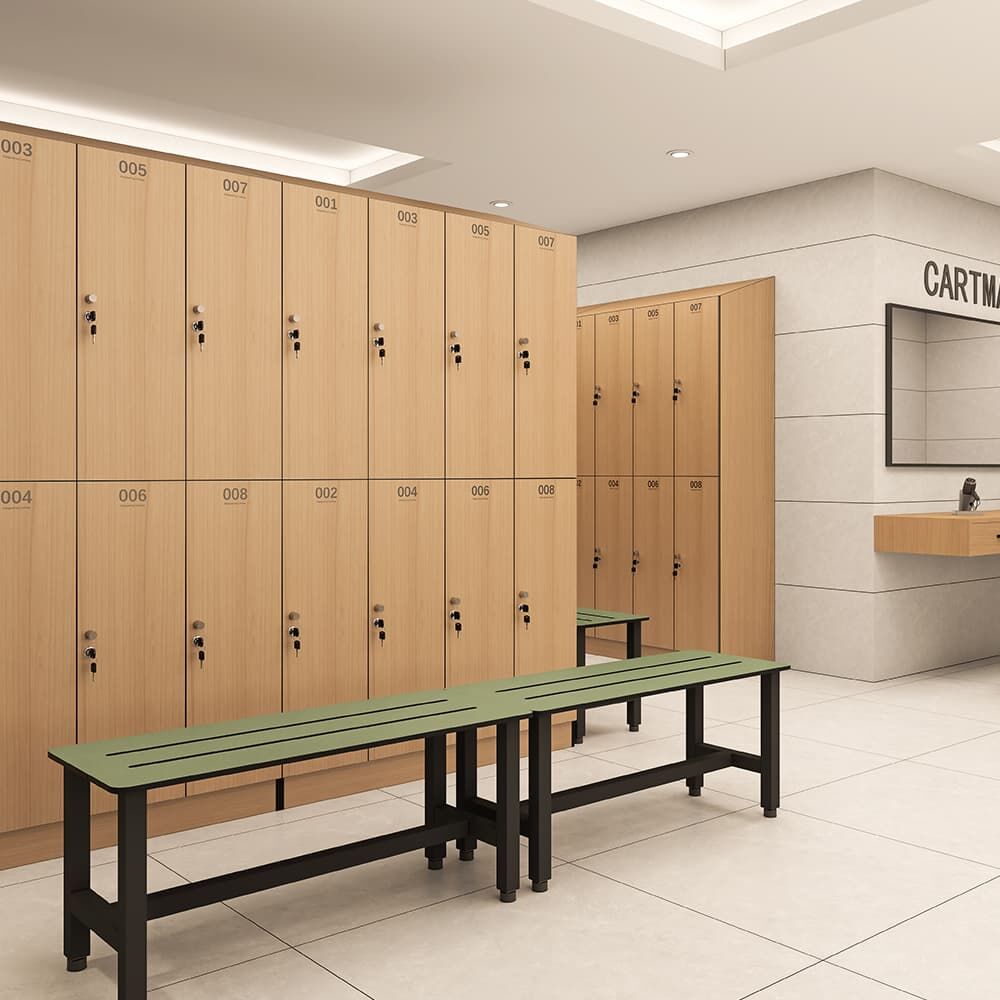
The selection process for wooden lockers extends beyond simple material preference, encompassing critical considerations such as wood type quality, construction methodology, environmental resistance, security features, and configuration flexibility. Understanding these selection criteria ensures your investment delivers optimal performance while meeting the specific demands of your intended application and user base.
Material Quality and Wood Type Considerations
Solid Wood versus Engineered Wood Construction
The fundamental choice between solid wood and engineered wood construction significantly impacts the performance characteristics of wooden lockers. Solid wood options provide superior durability and natural moisture resistance, making them ideal for high-humidity environments like swimming pool areas or steam rooms. However, engineered wood products such as high-pressure laminate (HPL) offer enhanced dimensional stability and resistance to warping, which proves advantageous in facilities with fluctuating temperature conditions.
Engineered wooden lockers often incorporate moisture-resistant cores with decorative wood-grain surfaces, combining aesthetic appeal with practical performance. This construction method allows manufacturers to achieve consistent quality while reducing material costs, making these options attractive for large-scale installations where budget considerations matter alongside performance requirements.
Wood Species Selection and Performance Characteristics
Different wood species offer varying levels of natural durability, grain patterns, and resistance to environmental factors. Hardwood species like oak or maple provide exceptional strength and longevity but require higher initial investment. Softwood alternatives treated with protective coatings can deliver adequate performance at lower cost points, particularly suitable for indoor applications with controlled environmental conditions.
The grain structure of selected wood types affects both appearance and structural integrity of wooden lockers. Tight, uniform grain patterns typically indicate better dimensional stability, while open grain structures may require additional sealing treatments to prevent moisture infiltration and maintain long-term performance in demanding environments.
Construction Methods and Durability Factors
Joinery Techniques and Structural Integrity
The joinery methods used in wooden lockers construction directly influence long-term durability and resistance to heavy use. Traditional mortise and tenon joints provide superior strength compared to simple butt joints or mechanical fasteners alone. Quality manufacturers employ reinforced corner construction and internal bracing to ensure wooden lockers maintain structural integrity under repeated opening and closing cycles.
Modern construction techniques often incorporate metal reinforcements at stress points while maintaining the natural wood appearance. These hybrid approaches allow wooden lockers to achieve strength levels comparable to all-metal alternatives while preserving the aesthetic benefits that drive initial material selection decisions.
Finishing and Protection Systems
Surface finishing systems play a crucial role in protecting wooden lockers from moisture, scratches, and daily wear. Multi-coat polyurethane finishes provide excellent protection against water damage and maintain appearance over extended use periods. Penetrating sealers offer enhanced moisture resistance while preserving natural wood texture and appearance characteristics.
Advanced finishing techniques may include antimicrobial treatments that inhibit bacterial growth, particularly important in healthcare or food service environments where hygiene standards require additional protection measures. These specialized coatings integrate seamlessly with wood substrates while providing enhanced functionality for specific application requirements.
Environmental Resistance and Maintenance Requirements
Moisture and Humidity Management
Moisture resistance capabilities determine the suitability of wooden lockers for different environmental conditions. Facilities with high humidity levels, such as spas or indoor pools, require wooden lockers with enhanced vapor barriers and drainage features. Proper ventilation design within locker compartments prevents condensation buildup that could lead to warping or mold development over time.
Climate-controlled environments allow greater flexibility in wooden lockers selection, as consistent temperature and humidity levels reduce stress on wood materials. However, even in controlled settings, proper moisture management features contribute to extended service life and reduced maintenance requirements throughout the operational period.
Cleaning and Maintenance Protocols
Maintenance requirements vary significantly based on finish quality and intended use patterns for wooden lockers. High-traffic installations require durable finishes that withstand frequent cleaning with commercial disinfectants without degrading surface appearance or protective properties. Understanding cleaning protocol compatibility ensures selected finishes maintain their protective and aesthetic qualities throughout extended service periods.
Periodic refinishing schedules depend on usage intensity and environmental exposure levels. Quality wooden lockers with proper initial finishing may require only minor touch-ups for five to seven years, while lower-grade options might need more frequent attention to maintain appearance and protection standards expected in professional environments.
Security Features and Locking Mechanisms
Lock Compatibility and Security Levels
Security requirements influence wooden lockers design considerations, particularly door thickness and reinforcement around locking mechanisms. Standard combination locks require specific mounting provisions, while electronic access systems may need additional wiring accommodations and power supply considerations. The wood construction must accommodate these security features without compromising structural integrity or aesthetic appeal.
Heavy-duty applications may require wooden lockers with reinforced strike plates and hardened steel components integrated into the wood structure. These security enhancements must be planned during the selection process to ensure compatibility with the overall design concept and budget parameters established for the project.
Access Control Integration
Modern facilities often require wooden lockers that integrate with centralized access control systems or mobile device-based entry methods. This integration requires careful consideration of door construction thickness and internal routing capabilities for necessary wiring and electronic components. The selection process must account for both current security needs and potential future upgrade requirements.
Wooden lockers selected for smart building environments should accommodate RFID readers, electronic strikes, and network connectivity without compromising the natural wood appearance that drives initial material preference. This compatibility ensures long-term utility as security systems evolve and facility management practices advance.
Configuration and Space Optimization
Size Variations and Compartment Design
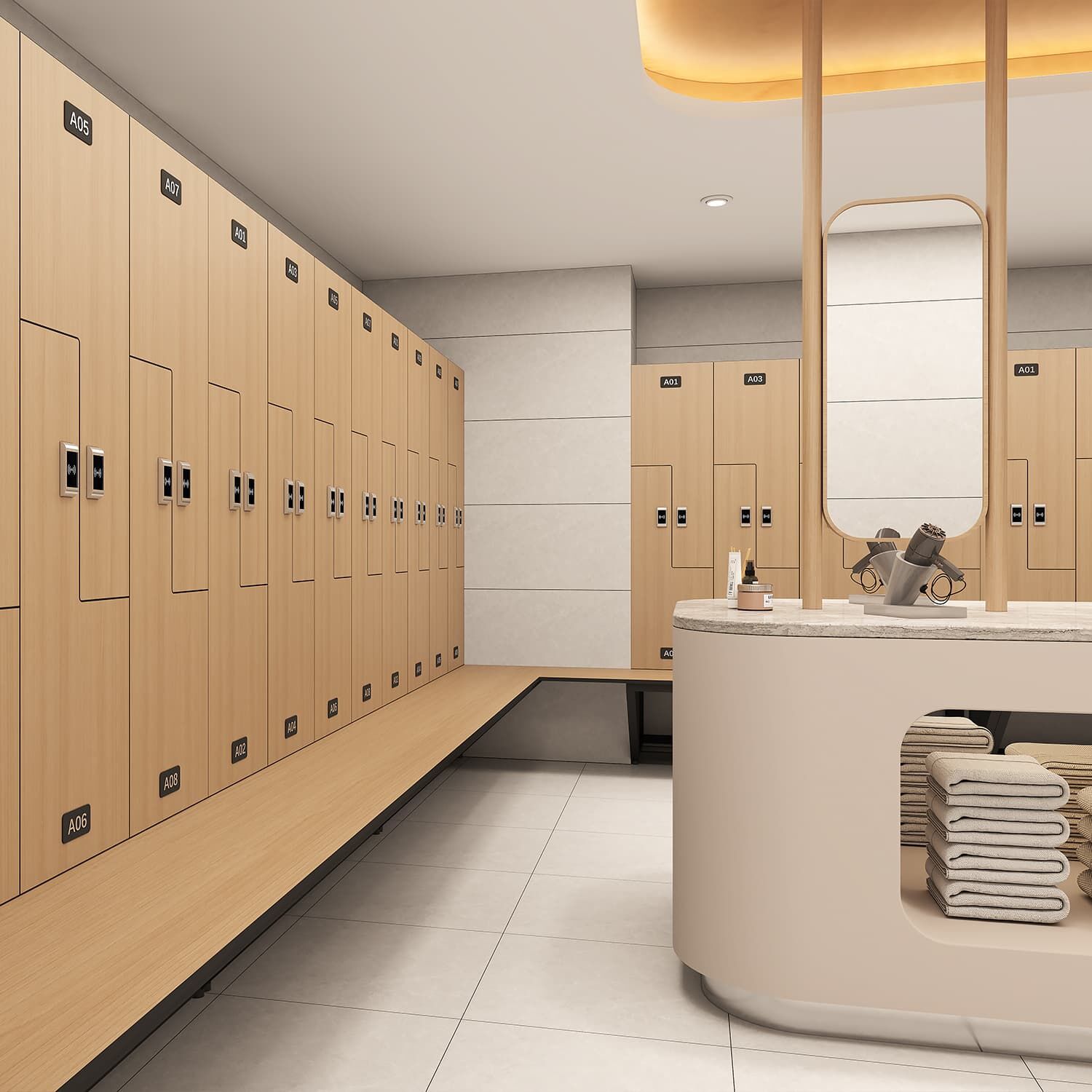
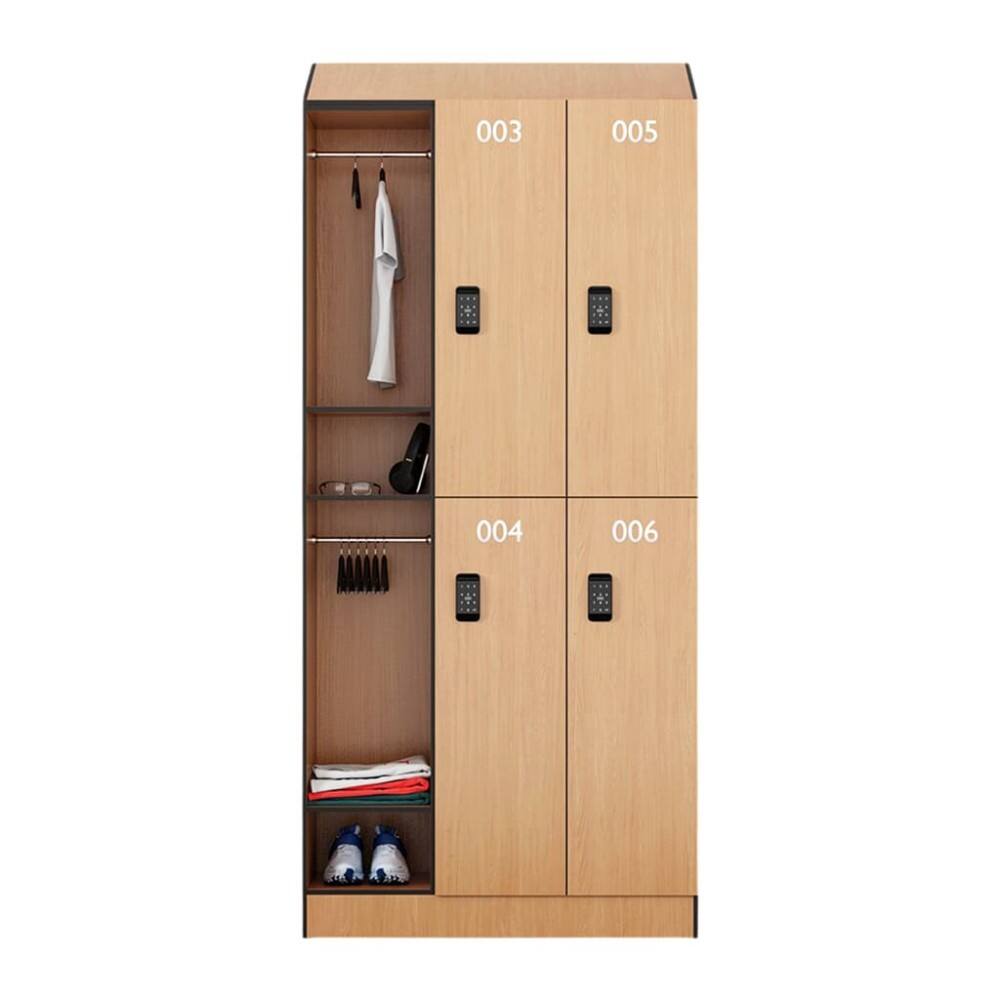
Available space constraints and user requirements determine appropriate sizing and configuration options for wooden lockers. Standard single-tier units provide maximum storage volume per user, while multi-tier configurations maximize user capacity within limited floor space. The selection process must balance individual storage needs against total facility capacity requirements to achieve optimal space utilization.
Internal compartment features such as hooks, shelves, and ventilation patterns affect user satisfaction and functionality. Wooden lockers with adjustable internal components offer greater flexibility for diverse user needs, while fixed configurations may provide better structural integrity and lower manufacturing costs for specific application scenarios.
Installation and Mounting Considerations
Floor-mounted versus wall-mounted installation options influence both stability and cleaning accessibility around wooden lockers. Heavy wood construction typically requires substantial mounting provisions, particularly for wall-hung installations where structural loading becomes a critical design factor. The selection process must consider both immediate installation requirements and long-term accessibility for maintenance and cleaning operations.
Modular wooden lockers systems allow for future reconfiguration as facility needs evolve, providing greater long-term flexibility compared to custom built-in solutions. This adaptability proves particularly valuable in educational or corporate environments where space utilization requirements may change over time as organizational needs develop.
FAQ
What wood types provide the best durability for high-traffic locker installations?
Hardwood species like oak, maple, and birch offer superior durability for high-traffic wooden lockers installations, while engineered wood products with HPL surfaces provide excellent resistance to impact and moisture. The choice depends on budget considerations and specific environmental conditions, with hardwoods excelling in longevity and engineered options offering consistent performance characteristics.
How do wooden lockers compare to metal alternatives in terms of maintenance requirements?
Wooden lockers require periodic refinishing every 5-7 years depending on usage levels, while metal lockers may need paint touch-ups and rust prevention treatments. However, quality wooden lockers with proper finishes often require less frequent deep cleaning and maintain their appearance better than painted metal surfaces that show scratches and dents more readily.
Can wooden lockers accommodate electronic locking systems effectively?
Modern wooden lockers can effectively accommodate electronic locking systems through proper door thickness design and internal routing capabilities for wiring. Quality manufacturers provide pre-drilled mounting provisions and wire management channels that maintain structural integrity while supporting advanced security features and smart building integration requirements.
What factors determine the appropriate size configuration for wooden lockers in different facilities?
Facility type, user demographics, and storage requirements determine optimal wooden lockers sizing, with gymnasiums typically requiring full-height single-tier units while office environments may benefit from smaller multi-tier configurations. Consider peak usage periods, typical stored items, and available floor space to select configurations that maximize both user satisfaction and facility efficiency.
Table of Contents
- Material Quality and Wood Type Considerations
- Construction Methods and Durability Factors
- Environmental Resistance and Maintenance Requirements
- Security Features and Locking Mechanisms
- Configuration and Space Optimization
-
FAQ
- What wood types provide the best durability for high-traffic locker installations?
- How do wooden lockers compare to metal alternatives in terms of maintenance requirements?
- Can wooden lockers accommodate electronic locking systems effectively?
- What factors determine the appropriate size configuration for wooden lockers in different facilities?