EN
EN


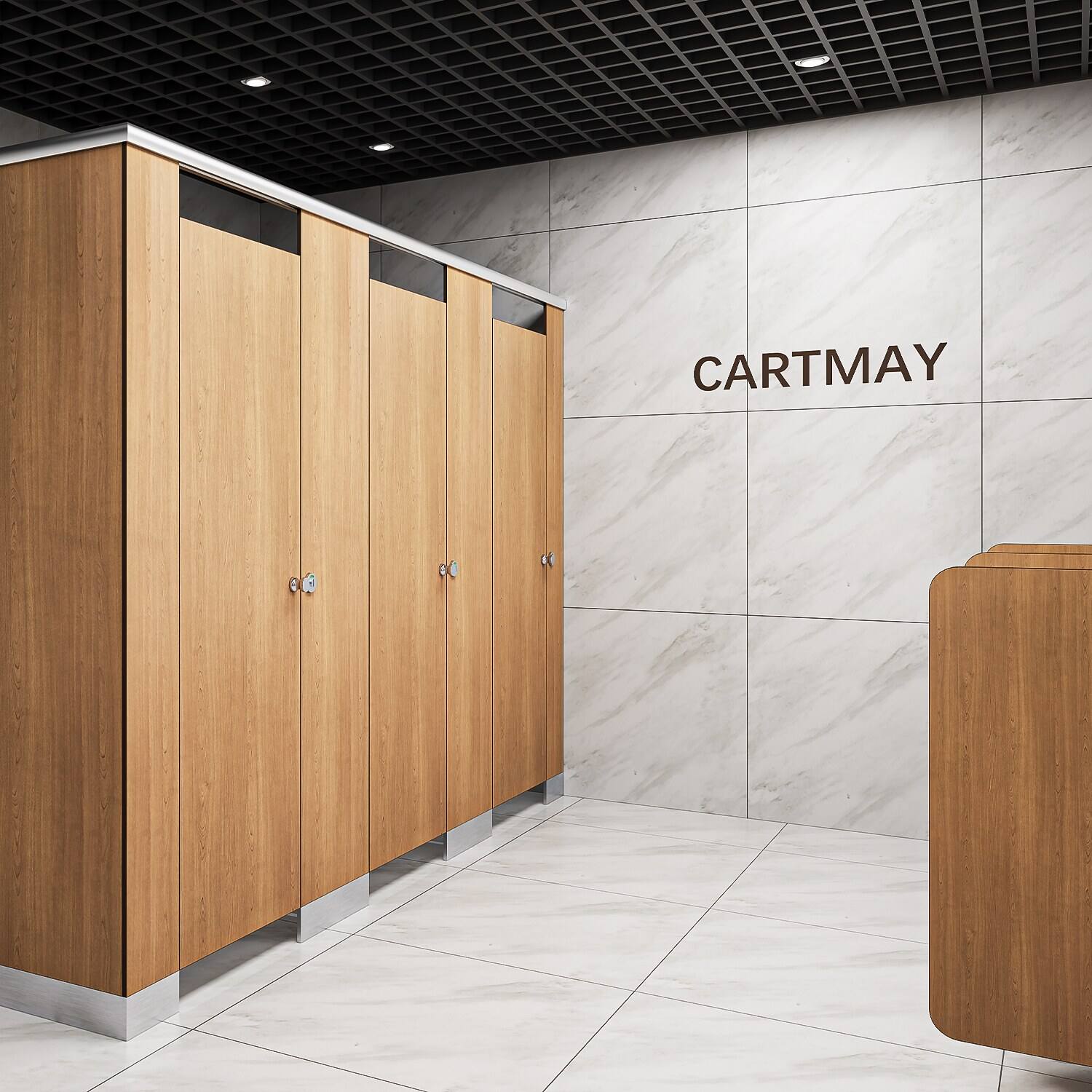
Privacy within restroom facilities has evolved into a critical factor that significantly influences user experience and satisfaction in commercial, educational, and public environments. The design and configuration of bathroom stall systems directly impact how comfortable individuals feel when using these essential facilities, affecting everything from psychological well-being to overall facility utilization patterns.
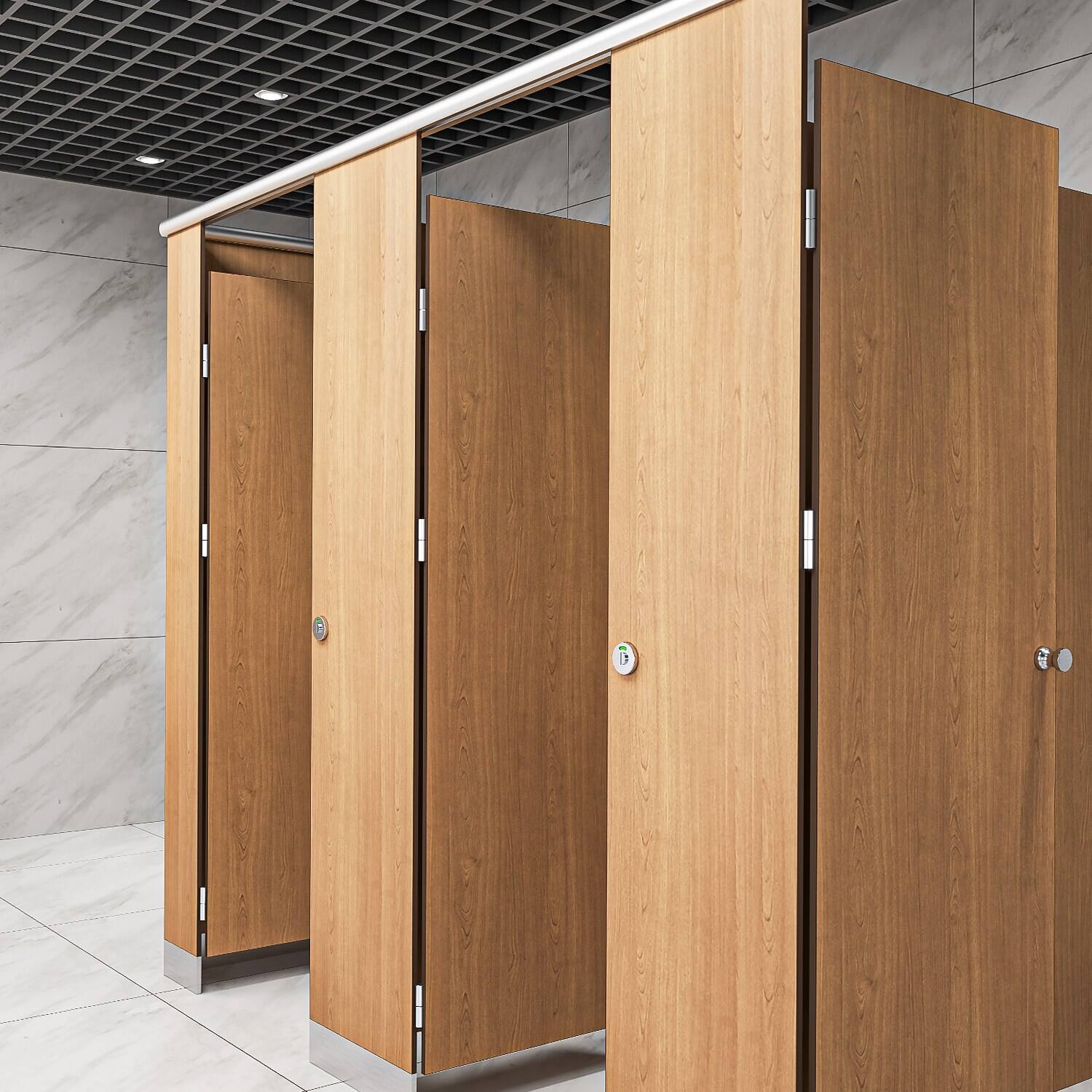
Understanding the relationship between bathroom stall privacy and user comfort requires examining multiple dimensions of restroom design, from physical barriers and visual security to acoustic considerations and psychological factors. Modern facility managers increasingly recognize that proper privacy implementation in restroom spaces contributes to reduced anxiety, increased user satisfaction, and improved facility reputation across diverse user demographics.
Physical Privacy Elements That Shape User Experience
Door and Panel Height Configurations
The height of bathroom stall doors and side panels represents one of the most visible privacy features that users immediately notice upon entering a restroom facility. Standard commercial bathroom stall configurations typically feature doors that extend from approximately 12 inches above the floor to within 12-18 inches of the ceiling, creating a balance between privacy and maintenance accessibility.
Full-height bathroom stall systems offer maximum visual privacy by extending from floor to ceiling, eliminating sight lines that can cause discomfort for users. These configurations particularly benefit facilities serving diverse populations where cultural privacy expectations may vary significantly, as they provide consistent privacy standards regardless of user height or physical positioning.
The gap beneath standard bathroom stall doors serves practical purposes including cleaning access and emergency response capabilities, but can impact user comfort levels. Facilities that prioritize user comfort often implement reduced floor clearances or alternative cleaning methodologies to minimize privacy gaps while maintaining operational efficiency.
Visual Barrier Effectiveness
Effective visual barriers in bathroom stall design extend beyond basic door coverage to include panel overlap configurations and sight line elimination. Proper bathroom stall installation ensures that panel joints, door edges, and mounting hardware do not create unintended viewing opportunities that compromise user privacy.
Material selection plays a crucial role in visual privacy effectiveness, with solid panels providing complete optical barriers compared to louvered or perforated materials that may allow partial sight lines. High-quality bathroom stall materials such as solid plastic laminate or powder-coated steel eliminate transparency concerns while providing durability and easy maintenance.
Strategic positioning of bathroom stall entrances relative to main restroom traffic areas helps minimize inadvertent visual exposure during door operation. Angled or offset door configurations can provide additional privacy buffers that enhance user comfort without requiring significant space modifications.
Acoustic Privacy Considerations in Restroom Design
Sound Transmission Reduction
Acoustic privacy within bathroom stall environments significantly influences user comfort levels, as sound transmission can create embarrassment and anxiety that affects restroom utilization patterns. Solid construction materials in bathroom stall systems help reduce sound transmission compared to lightweight or hollow alternatives that may amplify noise.
Gap management around bathroom stall perimeters directly impacts acoustic privacy, as openings that allow sound transmission can compromise the sense of private space that users seek. Proper sealing and tight-fitting construction details help contain sound within individual stalls while maintaining necessary ventilation requirements.
Background sound management through mechanical ventilation systems can help mask normal restroom sounds and improve overall acoustic comfort. Strategic ventilation design that provides consistent airflow helps normalize the acoustic environment while supporting both privacy and air quality objectives in bathroom stall installations.
Material Impact on Sound Control
Dense, solid materials used in bathroom stall construction provide superior acoustic dampening compared to lightweight alternatives, helping create quieter individual spaces that enhance user privacy. High-pressure laminate and solid plastic materials offer excellent sound absorption properties while maintaining easy cleaning and maintenance characteristics.
Metal bathroom stall systems can transmit sound more readily than composite materials, making material selection an important consideration for facilities where acoustic privacy is prioritized. Sound-dampening treatments or composite backing materials can improve the acoustic performance of metal bathroom stall systems when properly implemented.
Ceiling height and bathroom stall configuration affect sound reflection and transmission patterns within restroom spaces. Facilities with higher ceilings may require additional acoustic treatments to prevent sound from traveling over bathroom stall partitions and compromising privacy between adjacent spaces.
Psychological Comfort Factors in Restroom Privacy
Sense of Security and Personal Space
The psychological impact of bathroom stall privacy extends beyond physical barriers to encompass user perceptions of safety, security, and personal dignity. Adequate privacy provisions help users feel secure and relaxed, which directly translates to improved comfort levels and more positive facility experiences.
Cultural and individual privacy expectations vary significantly among user populations, making comprehensive bathroom stall privacy important for inclusive facility design. Facilities serving diverse communities benefit from privacy standards that accommodate the highest reasonable expectations rather than minimum compliance requirements.
Age and gender considerations influence privacy comfort levels, with certain demographic groups requiring enhanced privacy features to feel comfortable using restroom facilities. Understanding these variations helps facility managers select appropriate bathroom stall configurations that serve their specific user populations effectively.
Stress Reduction Through Privacy Design
Inadequate bathroom stall privacy can create significant stress and anxiety that affects user behavior, potentially leading to avoidance of facility use or rushed usage patterns that compromise hygiene practices. Proper privacy design helps eliminate these stress factors and promotes normal, comfortable facility utilization.
Visual and acoustic privacy work together to create a sense of personal space that allows users to relax and use facilities without concern about exposure or judgment. This psychological comfort directly impacts user satisfaction and can influence broader perceptions of facility quality and management attention to user needs.
Emergency accessibility requirements must be balanced with privacy needs to ensure bathroom stall designs provide security without compromising safety protocols. Modern bathroom stall systems can incorporate privacy features while maintaining emergency access capabilities through specialized hardware and design configurations.
Design Implementation Strategies for Enhanced Privacy
Gap Management and Sight Line Control
Effective gap management in bathroom stall installation requires careful attention to manufacturing tolerances and installation precision to minimize unintended openings. Professional installation teams understand how proper alignment and adjustment techniques can eliminate sight lines while maintaining necessary clearances for operation and maintenance.
Overlapping panel designs in bathroom stall systems help eliminate sight lines at panel joints and door edges, providing continuous visual barriers that enhance privacy. These design features require minimal additional cost while providing significant improvements in user comfort and privacy perception.
Hardware selection and placement affect both privacy performance and durability in bathroom stall installations. Quality hinges, latches, and mounting systems help maintain proper alignment over time, preventing gaps from developing that could compromise privacy as facilities age and experience normal usage wear.
Lighting and Privacy Integration
Lighting design within restroom facilities must balance adequate illumination for safety and hygiene with privacy considerations that prevent unwanted visibility into bathroom stall areas. Properly positioned lighting fixtures eliminate shadows that could create sight lines while providing uniform illumination for user comfort.
Indirect lighting approaches help minimize harsh shadows and glare that can affect privacy perception within bathroom stall environments. Consistent, even lighting distribution supports both functional requirements and user comfort by eliminating dramatic light variations that might compromise privacy.
Emergency lighting requirements can be integrated into bathroom stall areas without compromising privacy through careful fixture selection and positioning. Modern LED lighting systems provide excellent illumination efficiency while supporting privacy objectives through controlled light distribution patterns.
Maintenance and Long-Term Privacy Performance
Durability Factors Affecting Privacy
Long-term privacy performance in bathroom stall systems depends on material durability and resistance to warping, shrinking, or other dimensional changes that could create gaps over time. High-quality materials maintain their original dimensions and alignment, preserving privacy features throughout the facility lifecycle.
Regular maintenance protocols help ensure bathroom stall systems continue providing effective privacy by addressing hardware adjustments, cleaning requirements, and minor repairs before they impact privacy performance. Proactive maintenance schedules can prevent small issues from developing into privacy compromises that affect user comfort.
Vandalism resistance in bathroom stall construction helps maintain privacy integrity by preventing damage that could create sight lines or compromise barrier effectiveness. Robust materials and construction methods help ensure privacy features remain intact despite intensive use or intentional damage attempts.
Cleaning Protocols and Privacy Balance
Cleaning access requirements must be balanced with privacy objectives in bathroom stall design, ensuring maintenance teams can effectively clean and sanitize facilities without compromising user privacy during operating hours. Proper scheduling and protocol development help maintain both hygiene and privacy standards simultaneously.
Material selection affects both cleaning efficiency and privacy maintenance, with non-porous surfaces providing easy cleaning while maintaining solid privacy barriers. Modern bathroom stall materials resist staining and bacterial growth while providing excellent privacy performance throughout their service life.
Hardware maintenance protocols help ensure doors and latches continue operating smoothly, preventing privacy compromises that could occur if doors fail to close or latch properly. Regular lubrication and adjustment schedules help maintain privacy functionality alongside cleaning and sanitization requirements.
FAQ
What bathroom stall height provides the best privacy for users?
Full-height bathroom stall configurations extending from floor to ceiling provide maximum privacy by eliminating all sight lines over and under partitions. However, standard commercial heights of 58-62 inches for doors and panels offer good privacy while maintaining accessibility for cleaning and emergency response, making them suitable for most commercial applications where balanced privacy and functionality are required.
How do bathroom stall gaps affect user comfort and what can be minimized?
Bathroom stall gaps significantly impact user comfort by creating potential sight lines that cause anxiety and embarrassment. While some clearance is necessary for cleaning and emergency access, gaps can be minimized through precise installation, overlapping panel designs, and reduced floor clearances. Facilities prioritizing privacy often specify tighter tolerances and professional installation to minimize unnecessary openings.
Which bathroom stall materials provide the best combination of privacy and durability?
High-pressure laminate and solid plastic bathroom stall materials offer excellent privacy through solid construction while providing superior durability and easy maintenance. These materials resist warping and dimensional changes that could create privacy gaps over time, maintain their appearance under heavy use, and provide both visual and acoustic privacy benefits compared to lightweight or hollow alternatives.
How does bathroom stall privacy impact overall facility satisfaction ratings?
Privacy quality in bathroom stall design significantly influences overall facility satisfaction, as restroom experiences directly affect user perceptions of facility management and attention to user needs. Facilities with adequate privacy provisions typically receive higher satisfaction ratings, reduced complaints, and improved user retention, while inadequate privacy can lead to facility avoidance and negative reviews that impact the broader facility reputation.
Table of Contents
- Physical Privacy Elements That Shape User Experience
- Acoustic Privacy Considerations in Restroom Design
- Psychological Comfort Factors in Restroom Privacy
- Design Implementation Strategies for Enhanced Privacy
- Maintenance and Long-Term Privacy Performance
-
FAQ
- What bathroom stall height provides the best privacy for users?
- How do bathroom stall gaps affect user comfort and what can be minimized?
- Which bathroom stall materials provide the best combination of privacy and durability?
- How does bathroom stall privacy impact overall facility satisfaction ratings?