EN
EN



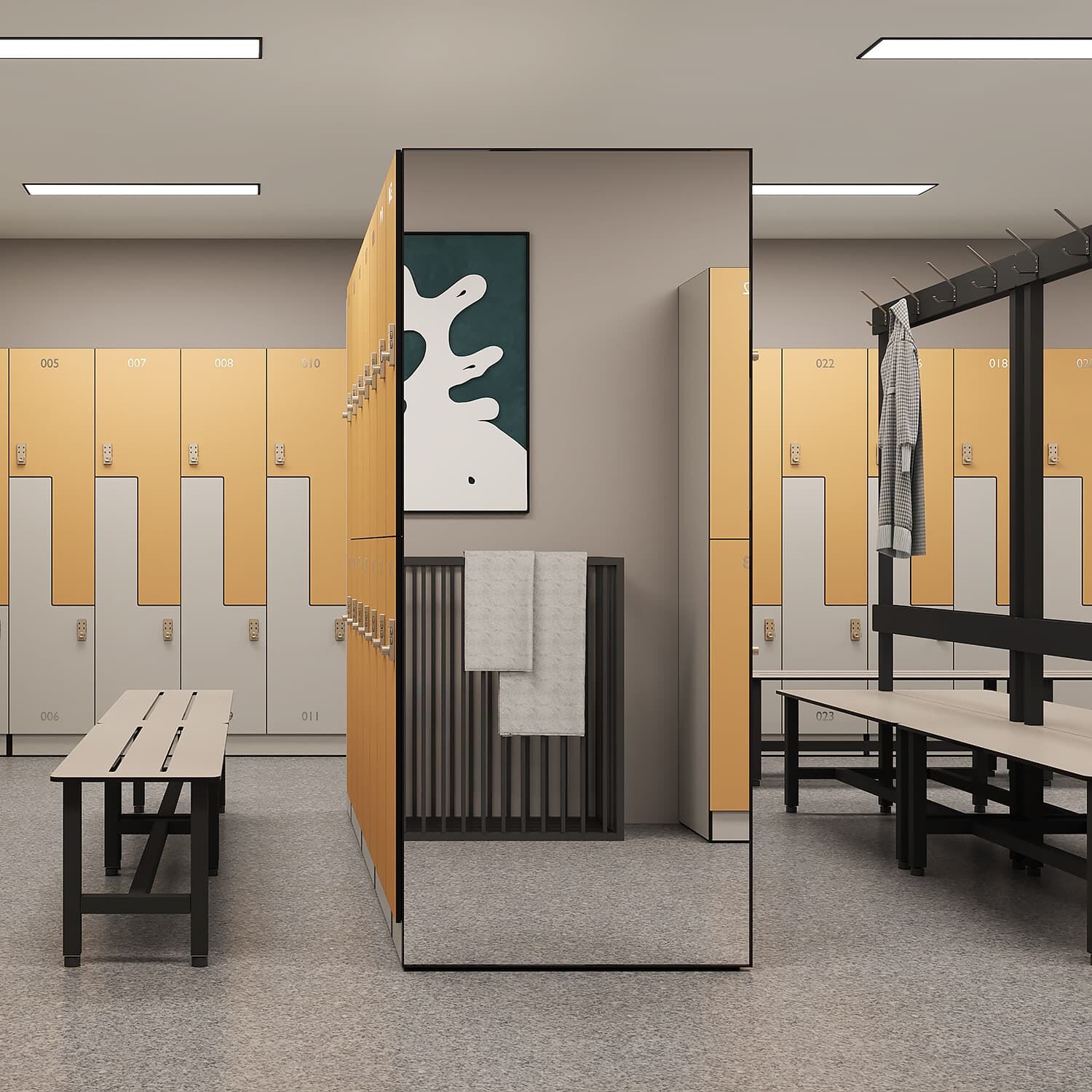
Facilities ranging from fitness centers and sports complexes to corporate offices and educational institutions face a common challenge: providing secure, organized, and hygienic storage solutions for users during their time on-site. The question of why facilities need changing room lockers for users extends beyond simple convenience—it touches on security concerns, liability management, operational efficiency, and the overall user experience that defines a facility's reputation. When users arrive at a gym, swimming pool, workplace wellness center, or recreational venue, their immediate concern is finding a safe place to store personal belongings while they engage in activities. Without dedicated changing room lockers, facilities expose themselves to theft complaints, create disorganized environments, and fail to meet basic expectations that modern users have come to regard as standard amenities. Understanding the strategic importance of changing room lockers helps facility managers make informed decisions about space planning, investment priorities, and service quality improvements.
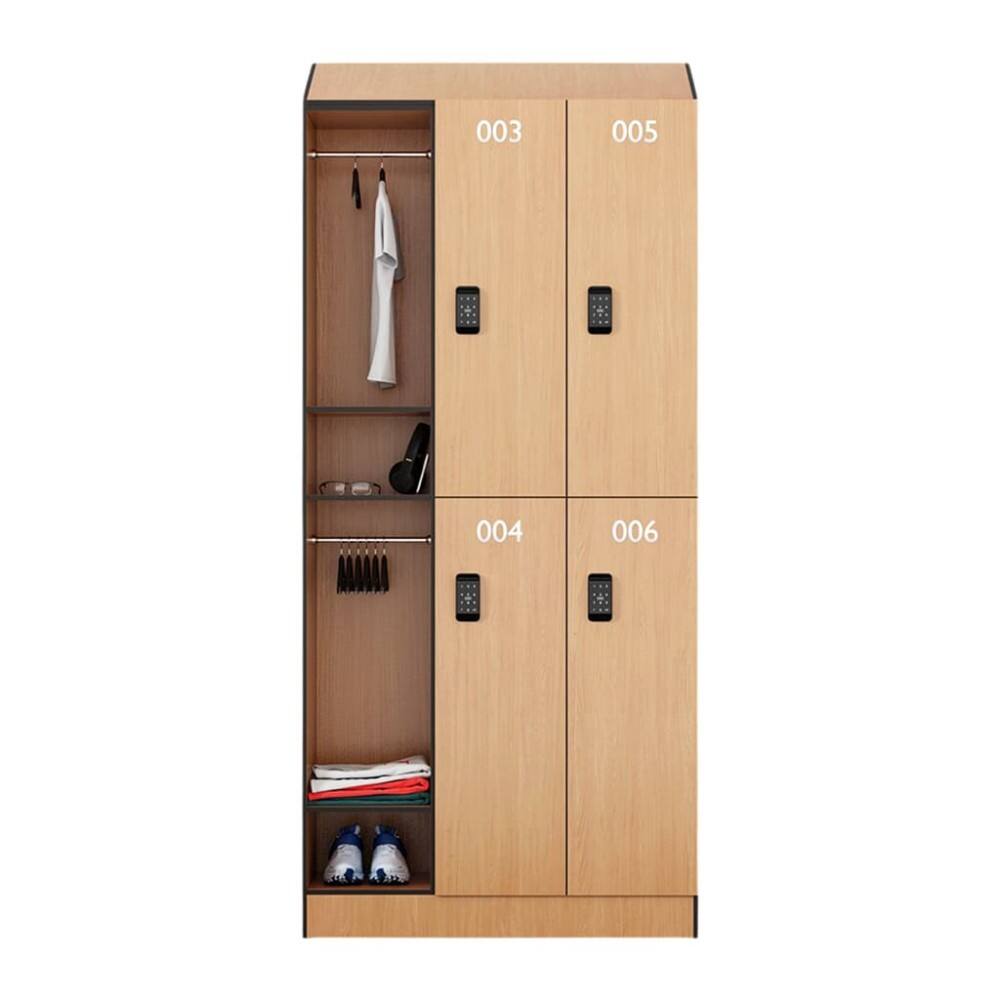
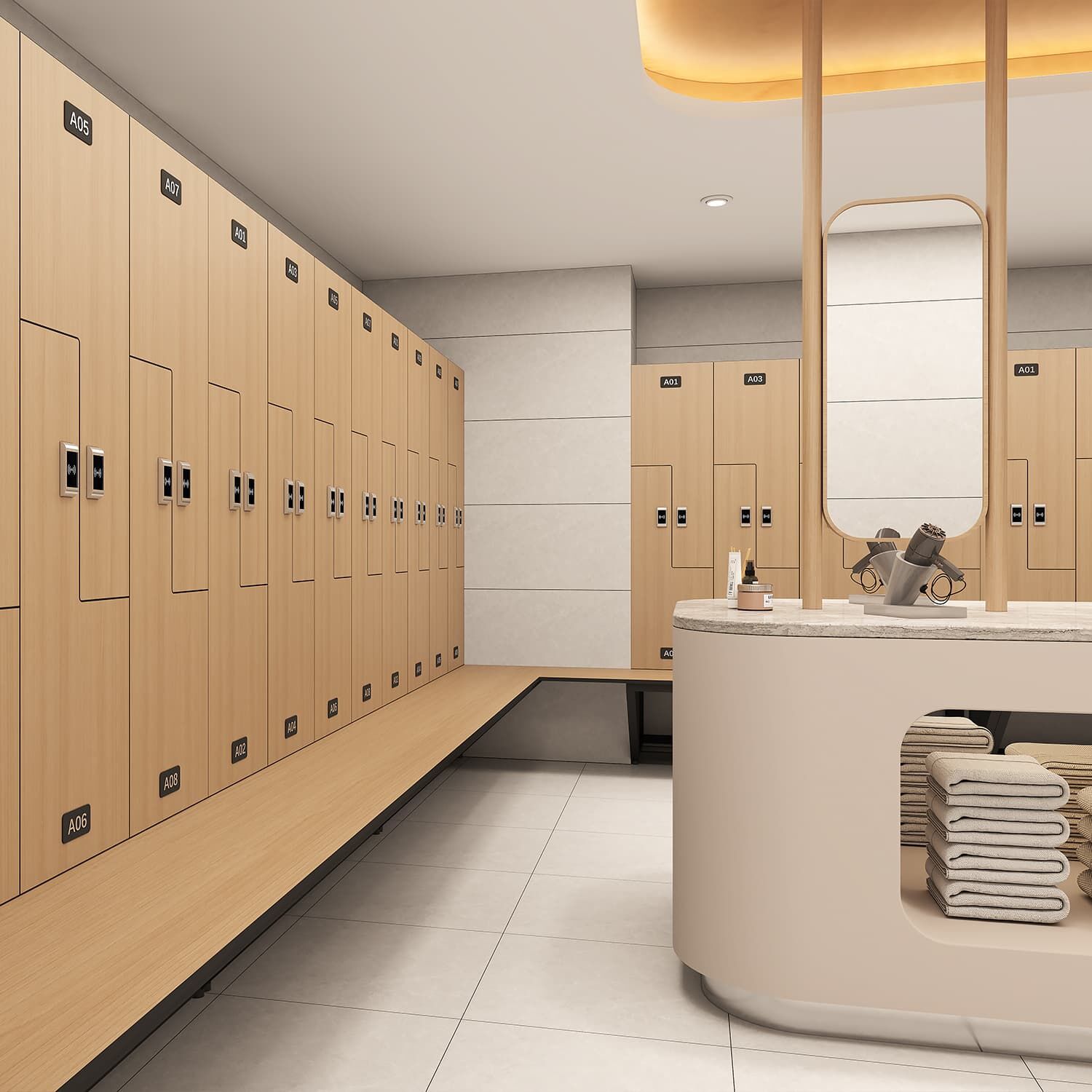
The necessity for changing room lockers stems from multiple operational and experiential factors that directly impact facility performance and user satisfaction. Facilities without adequate locker systems often experience decreased membership retention, negative online reviews, and increased staff time spent managing lost-and-found items or resolving disputes over missing belongings. Beyond these practical considerations, the presence or absence of quality changing room lockers signals to users whether a facility values their security, privacy, and comfort. In competitive markets where users have multiple options for gyms, pools, or recreational facilities, the quality of amenities like changing room lockers can become a decisive factor in choosing one venue over another. This article explores the compelling reasons why facilities must prioritize changing room lockers as essential infrastructure rather than optional upgrades, examining security requirements, liability implications, space optimization, hygiene standards, user behavior patterns, and the broader business case for proper locker room investment.
Security and Theft Prevention Requirements
Protection Against Property Loss
The primary reason facilities need changing room lockers relates directly to security and theft prevention. When users enter a facility for workouts, swimming, sports activities, or showering, they carry valuable personal items including wallets, smartphones, watches, jewelry, and sometimes laptops or tablets. Without secure changing room lockers, these belongings must either remain with the user during activities—which is impractical and unsafe in most cases—or be left unattended in open areas where theft becomes inevitable. Facilities that fail to provide adequate locker security experience higher incident rates of theft, which damages their reputation and creates legal exposure. Users expect that when they pay membership fees or admission charges, basic security measures will protect their property while they use facility services.
Modern changing room lockers equipped with reliable locking mechanisms create a physical barrier against opportunistic theft and provide users with peace of mind. The psychological impact of knowing belongings are secured allows users to focus fully on their activities rather than worrying about returning to find items missing. Facilities in urban areas or locations with high foot traffic face particularly acute security challenges, as open facilities may attract individuals who enter solely to steal from unsecured changing areas. Quality changing room lockers with robust construction and dependable locks significantly reduce theft incidents and the associated costs of investigation, reimbursement discussions, and reputation management that follow security breaches.
Accountability and Access Control
Beyond preventing external theft, changing room lockers establish accountability systems that help facilities track usage patterns and identify potential security issues. Numbered locker systems combined with key cards, digital codes, or physical locks create an audit trail showing which locker was used by whom and when. This accountability discourages theft among users themselves, as would-be thieves understand that locker assignments can be traced. Facilities using electronic changing room lockers with access control systems gain additional advantages including remote monitoring, automated alerts for lockers left occupied beyond reasonable periods, and data analytics about peak usage times that inform staffing and maintenance schedules.
The deterrent effect of visible, secure changing room lockers extends throughout the facility environment. When users see that a facility has invested in proper security infrastructure, they perceive the entire operation as professionally managed and safety-conscious. This perception reduces not only theft but also other problematic behaviors including vandalism, inappropriate conduct in changing areas, and unauthorized facility access. The security framework established by changing room lockers contributes to an overall atmosphere of order and respect that benefits all users and staff members working in these environments.
Insurance and Liability Considerations
From a risk management perspective, facilities need changing room lockers to demonstrate reasonable care in protecting user property and limiting liability exposure. While most facilities include liability waivers in membership agreements, courts often examine whether facilities took reasonable precautions to prevent foreseeable harm. Providing secure changing room lockers represents a standard industry practice that helps establish a facility met its duty of care. Facilities without adequate locker systems may find themselves with weaker legal positions when theft claims arise, potentially facing higher settlement costs or adverse judgments. Insurance carriers evaluating facility policies consider security measures including changing room lockers when setting premiums and coverage terms.
The documented presence of changing room lockers also provides evidentiary support when facilities must defend against theft claims. When a facility can demonstrate it provided secure storage options and the user chose not to utilize them or failed to properly secure their assigned locker, liability often shifts back to the user. This protection only exists when facilities actually offer functional, accessible changing room lockers in sufficient quantities for their user population. Facilities operating without adequate locker capacity cannot claim they provided security options if users routinely cannot access lockers during busy periods due to insufficient inventory.
Operational Efficiency and Space Management
Organized Facility Flow
Facilities need changing room lockers to maintain organized, efficient operations that allow maximum user throughput without creating congestion or confusion. When users have designated storage locations through changing room lockers, they spend less time searching for places to leave belongings and more time actually using facility services. This efficiency benefits both the facility—which can serve more users in the same time period—and users themselves, who experience smoother, more pleasant visits. Without changing room lockers, users improvise storage solutions by piling belongings on benches, hanging items on hooks, or clustering personal items in corners, creating cluttered environments that impede movement and make changing areas feel chaotic and unprofessional.
The systematic organization that changing room lockers provide extends to cleaning and maintenance operations as well. Housekeeping staff can efficiently clean changing areas when belongings are contained within lockers rather than scattered across benches and floors. This containment allows for thorough sanitization of surfaces, reduces the time required for daily cleaning routines, and ensures that facility hygiene standards remain consistently high. Facilities that skimp on changing room lockers often compensate with increased labor costs as staff members spend extra time managing cluttered spaces, addressing user complaints about insufficient storage, and dealing with lost items left behind when users have no organized system for tracking their belongings.
Capacity Planning and Peak Usage Management
Strategic deployment of changing room lockers enables facilities to accurately measure and manage capacity during peak usage periods. By counting available lockers and monitoring occupancy rates, facility managers gain objective data about when changing areas approach full capacity and need queue management or expanded facilities. This data-driven approach to capacity planning prevents the negative user experiences that occur when facilities become uncomfortably crowded without management awareness. Changing room lockers essentially function as capacity indicators, providing real-time information about how many users are currently utilizing changing facilities even when those users have moved on to other areas of the venue.
Facilities with insufficient changing room lockers face operational bottlenecks during busy times as users compete for limited storage options or abandon the facility altogether when they cannot secure their belongings. These capacity constraints directly limit revenue potential, as facilities cannot accommodate all interested users during peak periods. Investing in adequate changing room lockers removes this artificial capacity ceiling and allows facilities to serve their full market potential. The relatively modest cost of expanding locker capacity typically delivers strong returns through increased membership sales, higher facility utilization rates, and improved user satisfaction scores that drive word-of-mouth marketing.
Staff Resource Optimization
Facilities need changing room lockers to reduce the staff time and resources consumed by preventable issues related to inadequate storage solutions. Front desk personnel at facilities without proper locker systems spend significant time each day handling complaints about missing items, adjudicating disputes between users over shared space, and managing lost-and-found systems overwhelmed with belongings that users had no organized way to track. These staff distractions reduce time available for revenue-generating activities like membership sales, program promotion, and enhanced customer service. When facilities provide sufficient, well-maintained changing room lockers, staff can focus on productive tasks rather than constantly troubleshooting storage-related problems.
The administrative burden of managing facilities without adequate changing room lockers extends beyond daily operations to include incident documentation, insurance claims processing, and reputation management efforts responding to negative reviews about security concerns. These hidden costs accumulate over time and often exceed the capital investment required to install proper locker systems in the first place. Forward-thinking facility managers recognize that changing room lockers represent infrastructure investments that reduce ongoing operational expenses while simultaneously improving service quality and user satisfaction.
Hygiene Standards and Health Compliance
Contamination Prevention and Surface Hygiene
Health and hygiene considerations provide compelling reasons why facilities need changing room lockers that go beyond security concerns. When users lack designated storage in changing room lockers, they place personal items including bags, clothing, and shoes directly on benches and floors that are frequently contaminated with moisture, bacteria, and fungi common in changing room environments. This contact spreads pathogens between users and increases disease transmission risks including athlete's foot, staph infections, and other communicable conditions. Facilities without adequate changing room lockers create public health risks that can lead to disease outbreaks traced back to their venues, resulting in regulatory investigations, temporary closures, and lasting reputation damage.
Quality changing room lockers elevate personal belongings away from wet floors and contaminated surfaces, creating a hygienic barrier that protects users from facility-acquired infections. The enclosed design of changing room lockers also prevents personal items from contacting other users' belongings, reducing cross-contamination pathways. Facilities in the post-pandemic era face heightened scrutiny regarding hygiene practices, and visible investments in changing room lockers signal to users that the facility prioritizes health and cleanliness. Users increasingly expect facilities to demonstrate tangible hygiene measures, and the presence of clean, well-maintained changing room lockers contributes significantly to positive health perceptions.
Regulatory Compliance and Health Codes
Many jurisdictions enforce health codes and building regulations that mandate minimum standards for changing room facilities including requirements for secure storage options. Facilities need changing room lockers not only to meet user expectations but also to satisfy legal compliance obligations that vary by location and facility type. Regulatory agencies inspect changing room facilities for adequate ventilation, proper drainage, appropriate materials, and sufficient storage amenities including changing room lockers. Facilities failing to meet these standards face citations, fines, and potential closure orders until compliance is achieved. The specific requirements differ across municipal, state, and national jurisdictions, but the underlying principle remains consistent: facilities must provide hygienic, secure changing environments that include appropriate storage infrastructure.
Beyond mandatory compliance, facilities pursuing voluntary certifications or quality standards often find that robust changing room locker systems contribute to achieving recognized benchmarks. Industry accreditations for fitness centers, aquatic facilities, and sports complexes typically include criteria addressing user amenities and facility hygiene. Changing room lockers that meet or exceed industry standards for materials, durability, and maintenance demonstrate a facility's commitment to operational excellence. These certifications provide competitive advantages in marketing and can justify premium pricing strategies by documenting superior facility quality compared to competitors with minimal amenities.
Moisture Management and Mold Prevention
The humid, moisture-rich environments of changing rooms create ideal conditions for mold and mildew growth, particularly when wet clothing and towels are left in piles or hung in inadequate ventilation areas. Facilities need changing room lockers with proper ventilation features to allow air circulation around stored items, facilitating drying and preventing the moisture accumulation that leads to mold infestations. Well-designed changing room lockers include perforated doors or ventilation slots that maintain airflow while preserving security and privacy. This ventilation prevents the musty odors and visible mold growth that plague poorly designed changing facilities and create negative impressions for users.
When users can store wet items in ventilated changing room lockers rather than leaving them on benches or floors, the overall changing room environment remains drier and more pleasant. This moisture management reduces the facility's vulnerability to mold-related health complaints and the costly remediation projects required when mold becomes established in building materials. The investment in quality changing room lockers with appropriate ventilation features protects the larger facility infrastructure investment by preventing moisture damage that can affect walls, flooring, and structural components over time. Facility managers who understand these connections recognize that changing room lockers represent not just user amenities but critical components of building maintenance strategies.
User Experience and Competitive Differentiation
Meeting Basic User Expectations
In today's competitive facility marketplace, users regard changing room lockers as baseline amenities rather than premium features. Facilities need changing room lockers simply to meet minimum user expectations shaped by experiences at other venues. When users visit a facility without adequate locker provisions, they immediately perceive the operation as substandard regardless of the quality of other amenities or programs. This negative first impression colors their entire experience and dramatically reduces the likelihood they will become regular users or recommend the facility to others. In markets where users have multiple facility options, the absence of proper changing room lockers can be immediately disqualifying, causing potential members to select competitors before even sampling the facility's core services.
The psychological importance users place on changing room lockers relates to fundamental needs for security and control during vulnerable moments when they are partially undressed and focused on activities rather than belongings. Users who feel anxious about property security cannot fully engage with facility offerings, creating suboptimal experiences even when equipment, programs, and staff are otherwise excellent. By providing dependable changing room lockers, facilities remove this anxiety barrier and allow users to concentrate on workouts, sports, or wellness activities. This complete engagement leads to better outcomes, higher satisfaction, and stronger likelihood of continued membership and positive word-of-mouth promotion.
Premium Positioning and Service Quality Signals
While basic changing room lockers meet minimum standards, facilities can differentiate themselves through superior locker amenities that signal premium positioning and attention to user comfort. Facilities need changing room lockers that align with their brand identity and target market expectations. High-end fitness clubs, corporate wellness centers, and luxury sports facilities invest in changing room lockers with enhanced features including larger dimensions, superior materials, integrated charging stations, and sophisticated locking systems. These upgraded amenities justify premium pricing and attract users who value comprehensive facility quality over budget options.
The visual and functional quality of changing room lockers creates immediate impressions that influence how users perceive the entire facility operation. Changing room lockers constructed from durable, attractive materials in contemporary designs contribute to an upscale aesthetic that suggests professional management and quality throughout. Conversely, facilities with dated, damaged, or poorly maintained changing room lockers signal neglect that users assume extends to equipment maintenance, cleaning protocols, and overall service standards. This halo effect means that investments in quality changing room lockers deliver returns beyond the changing room itself by elevating perceptions of the entire facility brand.
Accessibility and Inclusive Design
Modern facilities need changing room lockers that accommodate diverse user populations including individuals with disabilities, families with children, and users with varying physical capabilities. Inclusive design principles require that some changing room lockers be positioned at accessible heights, include features like lever-style handles instead of combination locks requiring fine motor control, and provide dimensions accommodating users who need to access lockers while seated in wheelchairs. Facilities that address these accessibility requirements not only comply with legal mandates but also expand their potential market by welcoming users who might otherwise avoid venues with barriers to comfortable participation.
Beyond physical accessibility, facilities should consider providing changing room lockers in various sizes to accommodate different user needs. Some users require minimal storage for keys and phones, while others need space for work clothing, laptops, and multiple bags. Offering a mix of standard and oversized changing room lockers allows facilities to serve diverse use cases efficiently. Family-friendly facilities particularly benefit from larger changing room lockers that can accommodate parents managing gear for multiple children. This flexibility in changing room locker options demonstrates user-centered thinking that distinguishes thoughtful facility management from generic, one-size-fits-all approaches.
Long-Term Investment Value and Business Sustainability
Asset Durability and Total Cost of Ownership
Facilities need changing room lockers that represent sound long-term investments rather than short-term fixes requiring frequent replacement. The total cost of ownership for changing room lockers extends beyond initial purchase prices to include installation expenses, ongoing maintenance costs, repair frequencies, and eventual replacement cycles. Quality changing room lockers constructed from durable materials like high-pressure laminate, solid phenolic, or stainless steel withstand the demanding conditions of high-traffic changing room environments for decades with minimal maintenance. These premium materials resist moisture damage, impact, vandalism, and the daily wear that destroys cheaper alternatives within a few years.
When facility managers calculate the true lifecycle costs of changing room lockers, investing in quality systems typically proves more economical than purchasing budget options that require replacement every few years. The disruption and labor costs associated with replacing failed changing room lockers add substantially to total ownership expenses. Additionally, facilities must consider the opportunity costs and reputation damage that occur when changing room lockers are out of service during replacement projects. Strategic investment in durable changing room lockers minimizes these disruptions and allows facilities to focus resources on programs and services rather than constantly addressing infrastructure failures.
Scalability and Future Expansion Planning
Facilities need changing room lockers that support growth strategies and adapt to evolving user demands over time. Modular locker systems allow facilities to add capacity incrementally as membership grows rather than requiring complete changing room renovations. This scalability provides financial flexibility and prevents the common scenario where facilities outgrow their initial locker capacity but lack budget or space for comprehensive upgrades. When selecting changing room lockers, forward-thinking facility managers evaluate not just current needs but projected capacity requirements for the next decade based on market analysis and expansion plans.
The design flexibility of modern changing room lockers enables facilities to reconfigure changing room layouts as user preferences and regulatory requirements evolve. Systems with adjustable mounting options and modular components can be relocated or repurposed when facilities renovate or repurpose spaces. This adaptability protects the facility's investment by extending the useful life of changing room lockers beyond their original installation. Facilities that view changing room lockers as adaptable infrastructure rather than fixed installations gain strategic advantages in managing facility evolution over time.
Revenue Protection and Membership Retention
Perhaps the most compelling business reason why facilities need changing room lockers relates to membership retention and revenue stability. Member acquisition costs in the fitness and recreation industry typically exceed several hundred dollars per member when accounting for marketing, sales efforts, and promotional offers. Facilities that fail to retain members due to inadequate amenities like changing room lockers waste these acquisition investments and must continuously recruit replacement members just to maintain current revenue levels. In contrast, facilities with comprehensive amenities including quality changing room lockers enjoy higher retention rates that compound over time into substantially more valuable member relationships.
The correlation between facility amenities and membership retention appears consistently in industry research, with changing room quality frequently cited among top factors influencing whether members renew. Users who experience security concerns, inadequate storage, or unpleasant changing environments often cancel memberships even when satisfied with other facility aspects. This vulnerability to amenity-based attrition means that facilities cannot afford to neglect changing room lockers regardless of how exceptional their equipment or programs may be. The relatively modest investment in proper changing room lockers protects much larger revenue streams by preventing the membership churn that devastates facility economics and requires constant expensive acquisition efforts to offset.
FAQ
What types of locking mechanisms work best for changing room lockers in high-traffic facilities?
High-traffic facilities typically benefit from electronic locking systems that eliminate key management challenges and provide usage data analytics. Digital keypad locks, RFID card readers, and smartphone-controlled locks offer convenient user experiences while giving facility managers remote monitoring capabilities and automated cleaning alerts when lockers remain occupied beyond normal periods. For budget-conscious facilities, heavy-duty padlock hasps provide reliable security when users bring their own locks, though this approach requires clear signage about lock removal policies. Combination locks built into changing room lockers work well for dedicated long-term assignments but create management overhead for day-use scenarios. The optimal locking mechanism depends on whether the facility provides day-use, long-term rental, or a combination of both locker access models.
How many changing room lockers should a facility provide relative to its user capacity?
Industry guidelines suggest facilities should provide changing room lockers equivalent to at least 50-75% of peak simultaneous user capacity, with higher ratios needed for facilities where users routinely need to store belongings during extended activity periods. Gyms and fitness centers with high turnover may function adequately with ratios around 0.5 lockers per expected simultaneous user, while pools, sports complexes, and facilities with lengthy programs should target 0.75 or higher. Facilities should analyze peak usage patterns over representative time periods to determine actual simultaneous user counts rather than relying on total membership figures. Additionally, facilities should distinguish between day-use changing room lockers and longer-term rental lockers, ensuring sufficient day-use inventory remains available even when rental lockers reach full occupancy.
What maintenance practices extend the lifespan of changing room lockers?
Regular maintenance protocols significantly extend changing room locker lifespans and prevent premature failures. Daily inspection during cleaning routines should identify and address minor issues like loose hinges, malfunctioning locks, or damaged surfaces before they escalate into major problems. Weekly deep cleaning with appropriate disinfectants prevents bacteria and mold accumulation while protecting locker finishes. Monthly maintenance checks should test all locking mechanisms, tighten hardware, and inspect ventilation components. Annual professional assessments evaluate structural integrity and identify units requiring repair or replacement. Facilities should maintain detailed maintenance logs tracking service history for each locker bank and establish replacement budgets based on expected lifecycles. Using manufacturer-recommended cleaning products and avoiding harsh chemicals that degrade protective finishes helps preserve changing room lockers throughout their intended service lives.
Can facilities effectively operate without dedicated changing room lockers?
While technically possible, facilities operating without dedicated changing room lockers accept significant operational disadvantages including elevated theft risk, reduced user satisfaction, increased liability exposure, and competitive disadvantages versus facilities offering complete amenities. Some minimal facilities serving price-sensitive markets or offering limited programming might function with basic hook systems or open shelving, but even budget operations typically find that modest investments in changing room lockers deliver returns through reduced security incidents and improved user experiences. Facilities serving professional or upscale markets cannot realistically compete without comprehensive changing room locker provisions, as target users regard secure storage as non-negotiable. The decision to forego changing room lockers should only follow careful analysis confirming that the target market genuinely accepts this limitation and that competitive alternatives do not offer superior amenities at comparable price points.
Table of Contents
- Security and Theft Prevention Requirements
- Operational Efficiency and Space Management
- Hygiene Standards and Health Compliance
- User Experience and Competitive Differentiation
- Long-Term Investment Value and Business Sustainability
-
FAQ
- What types of locking mechanisms work best for changing room lockers in high-traffic facilities?
- How many changing room lockers should a facility provide relative to its user capacity?
- What maintenance practices extend the lifespan of changing room lockers?
- Can facilities effectively operate without dedicated changing room lockers?