EN
EN


In any well-functioning workplace, organization is not simply a matter of aesthetics — it is a fundamental driver of productivity, employee satisfaction, and operational efficiency. office lockers have emerged as one of the most practical and versatile storage solutions available to modern businesses, providing employees with dedicated, secure spaces to store their personal belongings, work equipment, and sensitive materials. As workplaces evolve to accommodate hybrid work models, hot-desking environments, and open-plan office layouts, the role of office lockers has expanded dramatically, becoming an integral part of how companies manage space and support their workforce.
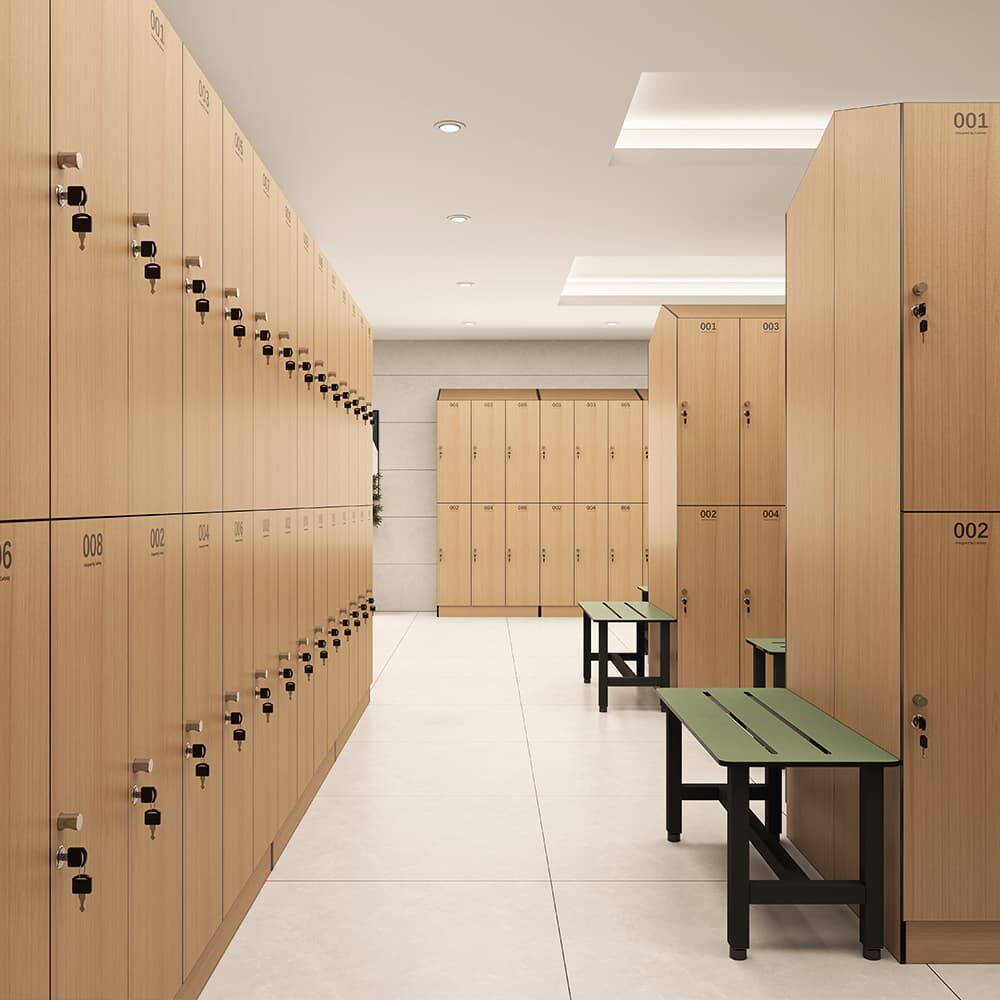
Understanding what office lockers are and how they contribute to a more organized, efficient workplace is essential for facility managers, HR professionals, and business owners who are serious about optimizing their work environment. These units come in a wide range of configurations, materials, and locking mechanisms, making them adaptable to virtually any workplace setting. This article explores the definition and key characteristics of office lockers, the problems they solve, and the concrete ways in which they elevate workplace organization across different types of businesses and industries.
Defining Office Lockers and Their Core Purpose
What Office Lockers Actually Are
Office lockers are purpose-built storage units designed for use within professional and commercial environments. Unlike generic storage cabinets or shelving, office lockers are specifically engineered to provide individual, lockable compartments that can be assigned to specific employees or used on a shared, rotating basis. Each compartment typically features a door with a locking mechanism, interior hooks, shelves, or rails, and dimensions suitable for storing everyday items such as bags, coats, laptops, personal documents, and valuables.
The physical design of office lockers has evolved considerably over the decades. Early iterations were largely utilitarian metal units borrowed from industrial and educational settings. Today, modern office lockers are available in high-pressure laminate (HPL), powder-coated steel, wood veneer, and other premium materials that align with contemporary office design standards. The result is a storage solution that combines function with visual harmony, fitting naturally into the aesthetic of professional workspaces.
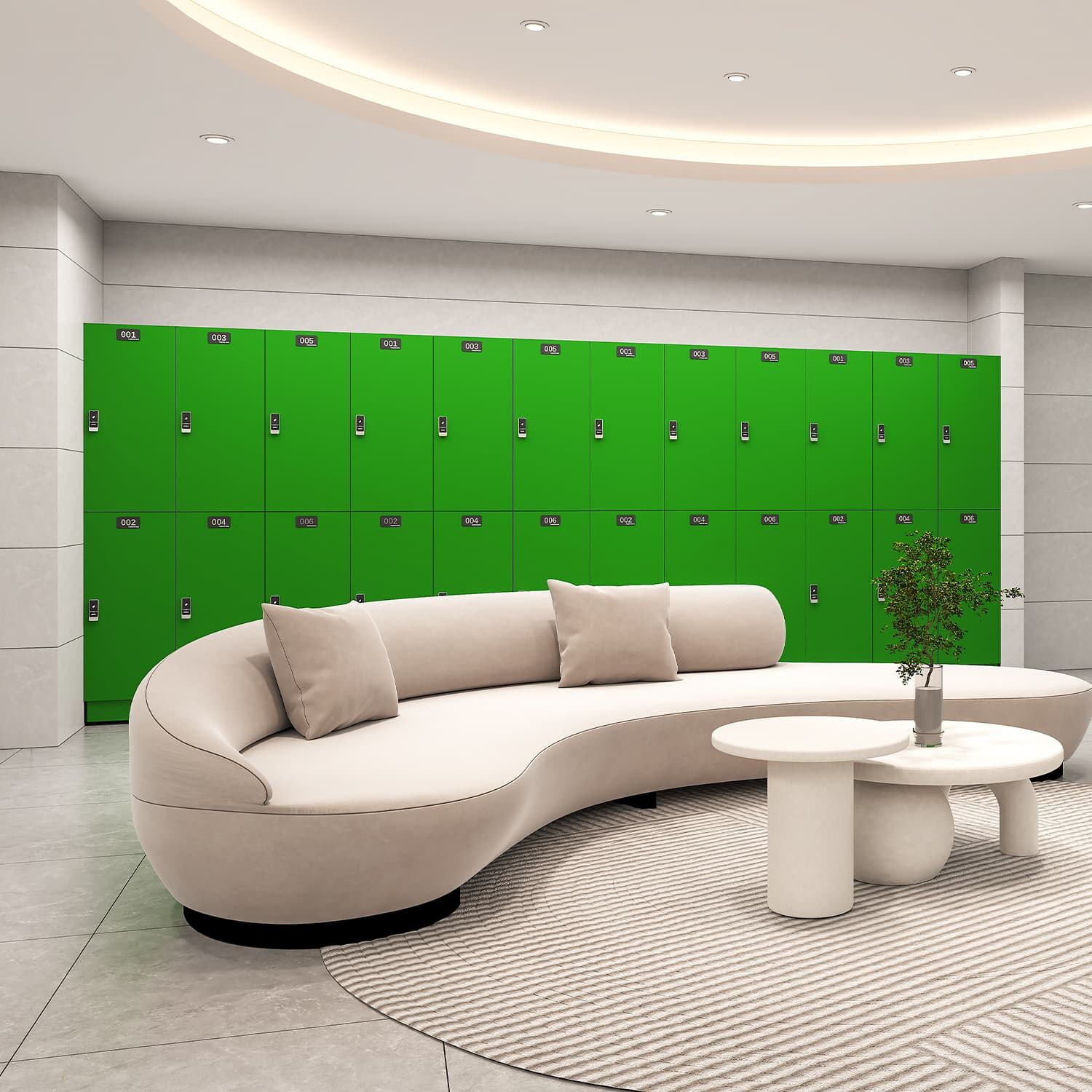
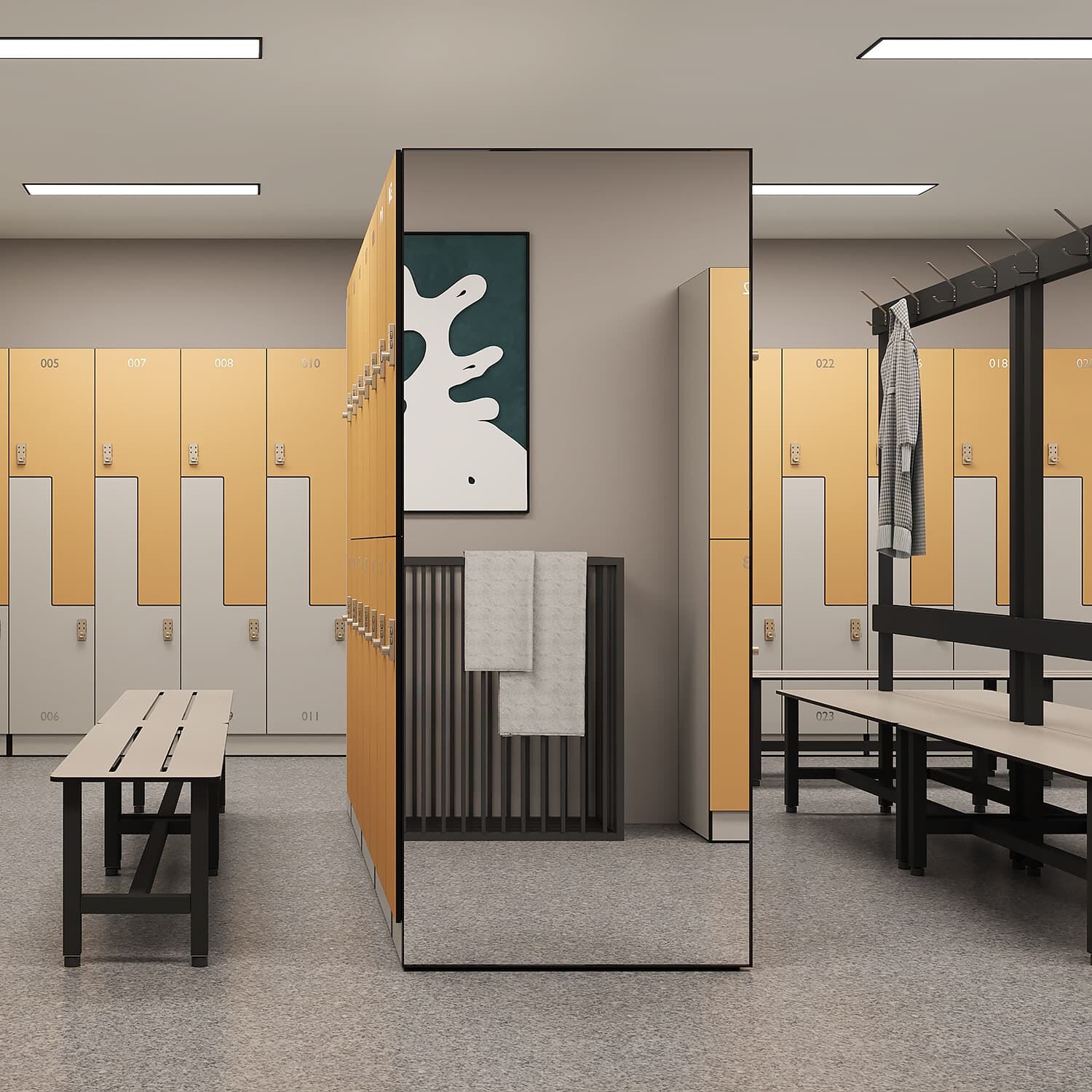
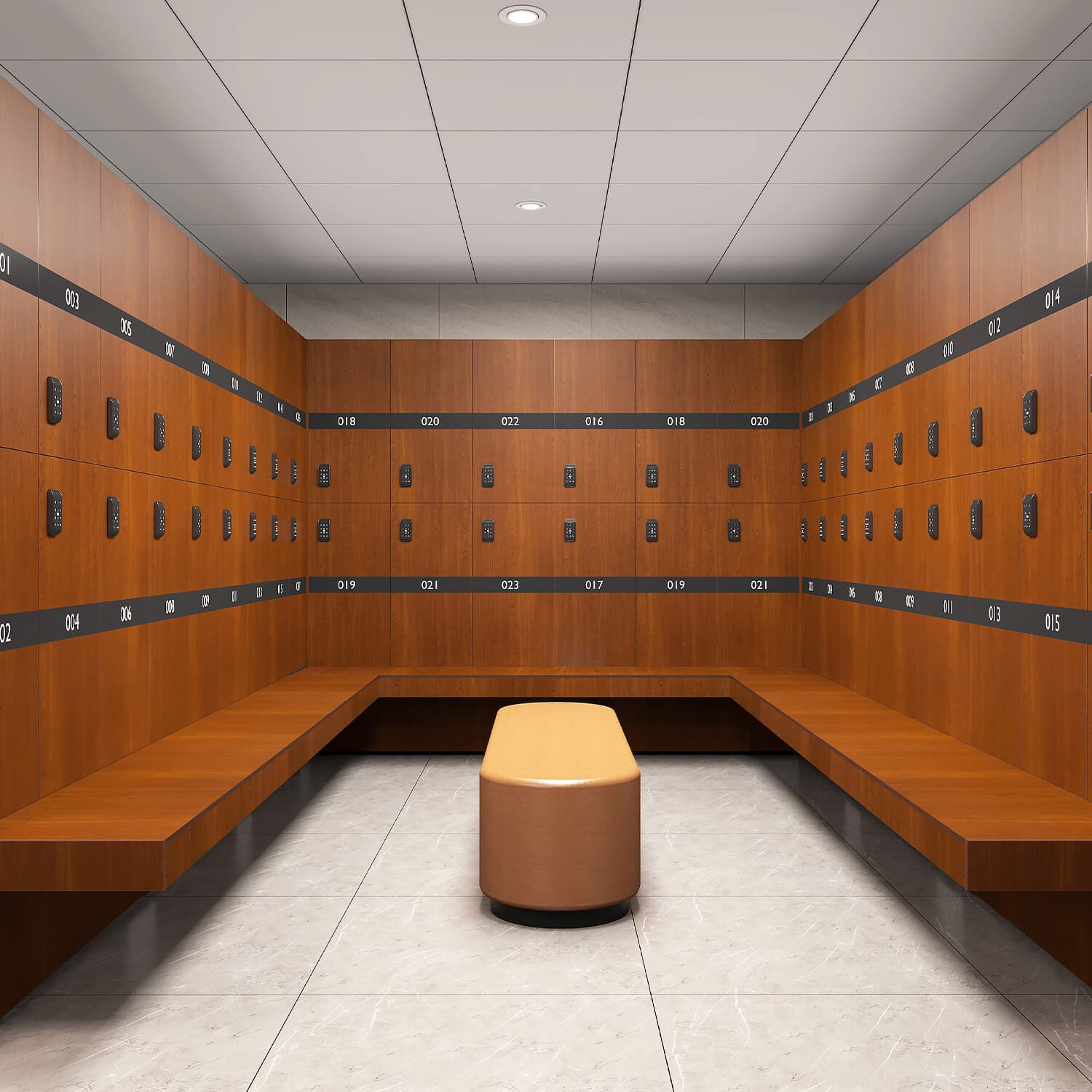
Office lockers can be configured in a variety of formats — single-tier, double-tier, triple-tier, and beyond — allowing businesses to maximize vertical space and accommodate large numbers of users within a limited floor footprint. This flexibility makes them suitable for everything from small boutique offices to large corporate headquarters and retail environments.
The Problems Office Lockers Are Designed to Solve
One of the primary challenges in any shared workspace is clutter. When employees lack designated storage, personal items accumulate on desks, in hallways, and across communal areas, creating visual disorder and reducing available working space. Office lockers directly address this by giving each person a secure, out-of-sight location for their belongings, keeping shared areas clean and functional.
Security is another critical concern that office lockers resolve. Employees frequently bring valuable items to work — laptops, mobile devices, wallets, keys, and confidential paperwork. Without a secure storage option, these items are vulnerable to theft or accidental damage. Office lockers with robust locking mechanisms provide peace of mind for employees while also reducing the organization's liability exposure related to lost or stolen property.
In hot-desking and agile office environments, the absence of assigned personal workstations means employees need a reliable place to store their belongings during and between work sessions. Office lockers fill this gap perfectly, ensuring that the transition between desks remains smooth and that no personal items need to be carried throughout the building or left unsecured.
How Office Lockers Enhance Workplace Organization
Streamlining Personal Storage for Every Employee
When each employee has access to a dedicated storage compartment, the cumulative effect on workplace order is significant. Office lockers create a clear, consistent system where everyone knows exactly where to store and retrieve their items. This eliminates the informal and often chaotic arrangements that develop when storage is not formally managed — shared shelves become overcrowded, desk drawers fill with items belonging to multiple people, and communal areas become catch-all zones for personal belongings.
Office lockers also support a culture of personal responsibility. When employees are assigned or allocated a specific locker, they are accountable for keeping their own space tidy and organized. This individual accountability cascades into broader workplace habits, contributing to a more disciplined and organized office culture overall. Management does not need to enforce tidiness policies as aggressively because the physical infrastructure itself encourages good behavior.
Furthermore, the introduction of office lockers often prompts employees to declutter, taking home items they no longer need at work and maintaining a leaner, more focused personal workspace. This natural decluttering process has tangible benefits for both individual productivity and collective office organization.
Supporting Modern Workplace Layouts and Flexible Work Models
The shift toward open-plan offices, activity-based working, and hybrid work schedules has fundamentally changed how employees interact with their physical workspace. In these environments, traditional assigned desks are replaced by flexible seating arrangements, meaning employees may work in different areas of the office depending on the task at hand or the day of the week. Office lockers are the cornerstone of this approach, providing the one consistent personal touchpoint in an otherwise fluid environment.
In hybrid work settings where employees may only be present in the office two or three days per week, office lockers can be managed on a dynamic allocation basis. Smart locker systems allow employees to reserve a compartment via an app or digital panel, collecting their items when they arrive and returning them at the end of the day. This kind of intelligent management ensures that office lockers are always being used at maximum efficiency, preventing underutilization while meeting the needs of a variable-attendance workforce.
Activity-based working environments also benefit significantly from the strategic placement of office lockers throughout the office floor. By positioning storage units near entrances, breakout areas, and collaboration zones, businesses ensure that employees can access their belongings conveniently regardless of where they are working at any given moment. This reduces unnecessary movement and time lost searching for personal items, keeping workflows smooth and uninterrupted.
Key Features That Make Office Lockers Effective
Locking Mechanisms and Security Options
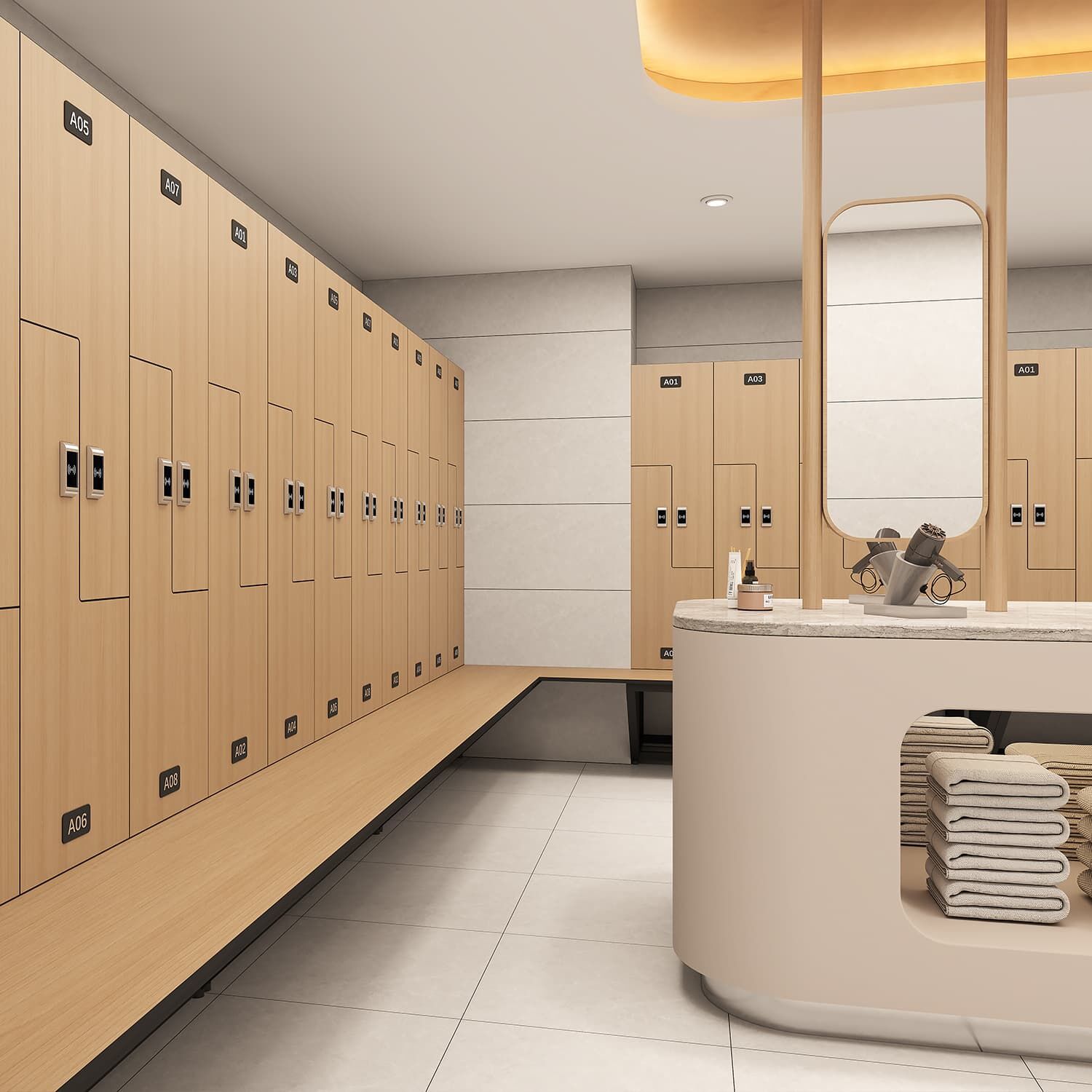
The effectiveness of office lockers as a security solution depends largely on the type of locking mechanism employed. Traditional key locks remain popular due to their simplicity and reliability, but they come with the inherent inconvenience of key management — keys can be lost, duplicated, or forgotten. Many organizations are now upgrading to combination locks, RFID card access, PIN code entry, or biometric systems that eliminate the need for physical keys while offering superior security and access control.
Electronic locking systems offer an additional layer of management oversight, allowing facility managers to monitor access patterns, reassign compartments remotely, and generate reports on usage. This capability is particularly valuable in large organizations where hundreds of office lockers need to be managed simultaneously. The ability to audit access also deters misuse and provides accountability in environments where sensitive materials may be stored.
For organizations with specific compliance or data protection requirements, high-security office lockers can incorporate reinforced doors, concealed hinges, and tamper-resistant locking systems. These features ensure that confidential documents, IT equipment, and valuable assets are protected to the required standard, supporting the organization's broader security and governance policies.
Material Choices and Aesthetic Integration
The material from which office lockers are constructed has a direct impact on their durability, maintenance requirements, and visual fit within the office environment. HPL (high-pressure laminate) office lockers are increasingly popular in modern commercial settings because they offer excellent resistance to moisture, scratches, and everyday wear while presenting a clean, contemporary appearance that complements professional interiors. HPL surfaces are easy to clean and maintain, making them a practical long-term investment.
Powder-coated steel office lockers remain a durable and cost-effective option, particularly in high-traffic environments or where a more industrial aesthetic is appropriate. The powder coating process creates a hard, chip-resistant finish that withstands heavy use without deteriorating. Steel lockers can also be customized in a wide range of colors, making it possible to coordinate them with corporate branding or interior design schemes.
The importance of aesthetic integration should not be underestimated. Office lockers that look out of place or institutional can undermine the professional atmosphere that companies work hard to cultivate. Conversely, well-designed office lockers that harmonize with the surrounding décor contribute positively to the overall impression of the workplace — for both employees and visiting clients. Customizable dimensions, finishes, and handle styles give organizations the ability to tailor their office lockers precisely to the demands of their space.
Practical Deployment Considerations for Businesses
Sizing, Configuration, and Space Planning
Effective deployment of office lockers begins with accurate space planning. The number of compartments required depends on the total number of employees using the office at any given time, whether lockers will be individually assigned or shared on a rotational basis, and what types of items employees need to store. A hot-desking environment with a 70% attendance ratio, for example, may only require office lockers for roughly 70% of the total employee count.
The physical dimensions of office lockers must be matched carefully to the available floor space and ceiling height. Multi-tier configurations — where a single locker unit contains two, three, or more stacked compartments — are an efficient way to maximize storage capacity without expanding the floor footprint. This is particularly valuable in dense urban offices where real estate is at a premium and every square meter must be used strategically.
Placement within the office is equally important. Office lockers should be positioned in accessible yet unobtrusive locations — near entrances and exits for convenience, away from primary work zones to avoid disruption, and in areas where natural foot traffic makes them easy to reach. Getting this positioning right requires collaboration between facilities management, interior designers, and HR representatives who understand how employees actually move through and use the space.
Maintenance, Longevity, and Return on Investment
One of the less visible but highly important aspects of office lockers is their long-term maintenance profile. High-quality office lockers constructed from durable materials require minimal ongoing maintenance — regular cleaning of surfaces and periodic inspection of locking mechanisms are typically sufficient to keep them in optimal condition for many years. This low-maintenance characteristic makes them a cost-effective storage investment compared to alternatives that require frequent repair or replacement.
When calculating the return on investment for office lockers, businesses should consider not only the direct cost savings from reduced clutter-related inefficiencies and security incidents, but also the indirect benefits of improved employee satisfaction and productivity. Employees who feel that their employer has invested in their comfort and security are more likely to be engaged, motivated, and loyal. The presence of well-designed, functional office lockers sends a clear signal that the organization values its people.
From a facilities management perspective, office lockers also reduce the need for ad hoc storage solutions — additional cabinets, under-desk pedestals, and improvised storage that accumulate over time and create a disorganized, cluttered environment. Investing in a comprehensive locker solution from the outset is far more efficient than attempting to retrofit storage incrementally as the organization grows.
FAQ
What types of locking systems are available for office lockers?
Office lockers are available with a range of locking systems to suit different security requirements and management preferences. Options include traditional key locks, combination dial locks, PIN code keypads, RFID card or fob access, and biometric fingerprint systems. Electronic options are increasingly preferred in corporate environments because they simplify key management, offer remote administration capabilities, and can be integrated with broader access control systems.
How many office lockers does a business typically need?
The number of office lockers required depends on the total workforce size, the proportion of employees present in the office at any given time, and whether lockers will be permanently assigned or shared. In traditional office settings, a one-to-one ratio of lockers to employees is standard. In hybrid or hot-desking environments, a ratio of one locker per 0.6 to 0.8 employees is often sufficient, reflecting the reduced daily attendance typical of flexible work models.
Can office lockers be customized to match the interior design of a workspace?
Yes, modern office lockers offer extensive customization options including choice of material, color, finish, handle style, and configuration. HPL office lockers in particular are highly customizable, available in a wide spectrum of colors and textures that can be matched to corporate branding or interior design schemes. Customizable dimensions and modular configurations also allow lockers to be tailored to specific spatial constraints and aesthetic requirements.
Are office lockers suitable for hybrid work environments?
Office lockers are especially well-suited to hybrid work environments. In settings where employees do not have permanently assigned desks, office lockers provide the one consistent personal storage point that bridges the gap between home and office. Smart locker systems that allow employees to book compartments in advance via mobile apps or digital kiosks are particularly effective in hybrid workplaces, ensuring that storage is always available when employees are on-site while preventing underutilization on low-attendance days.