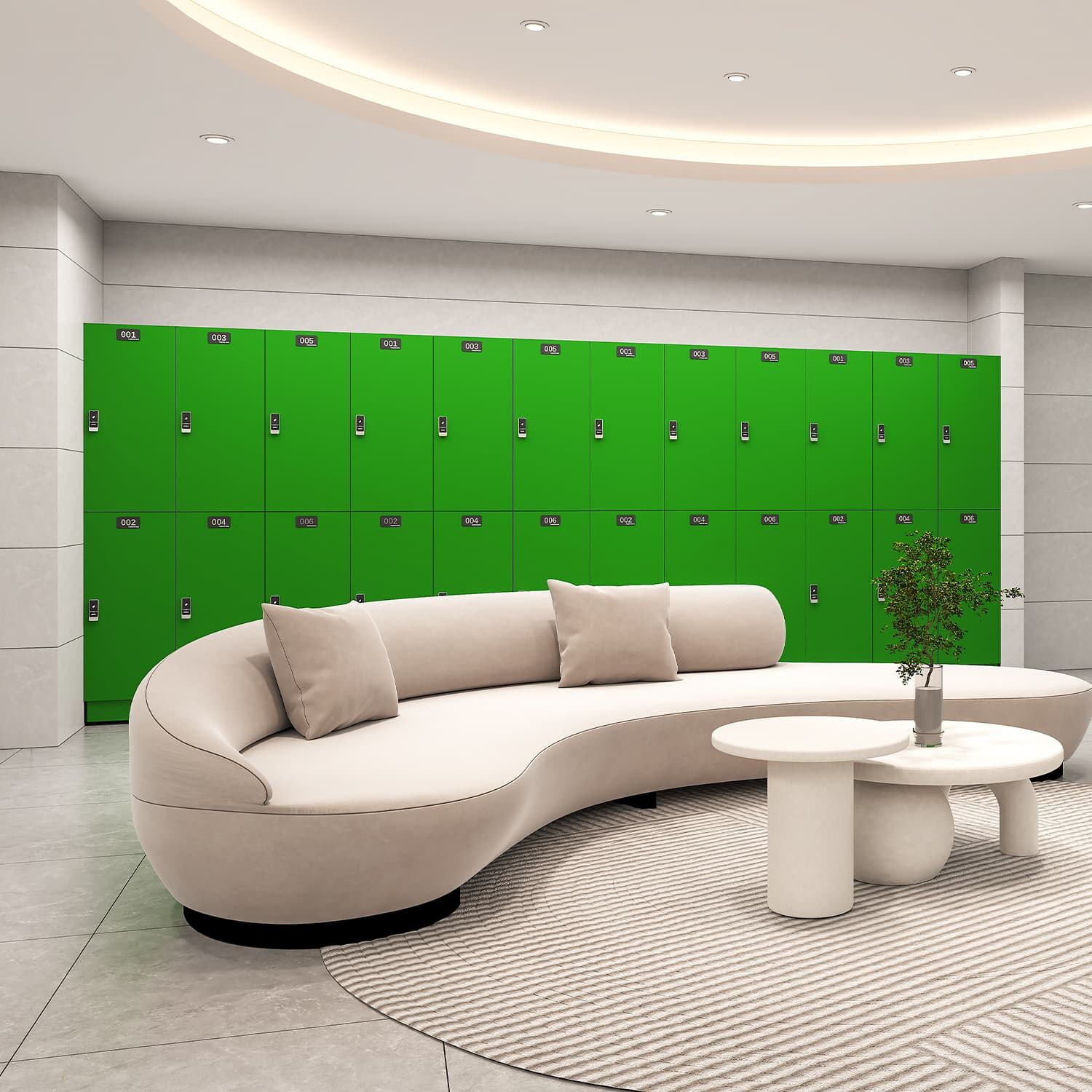
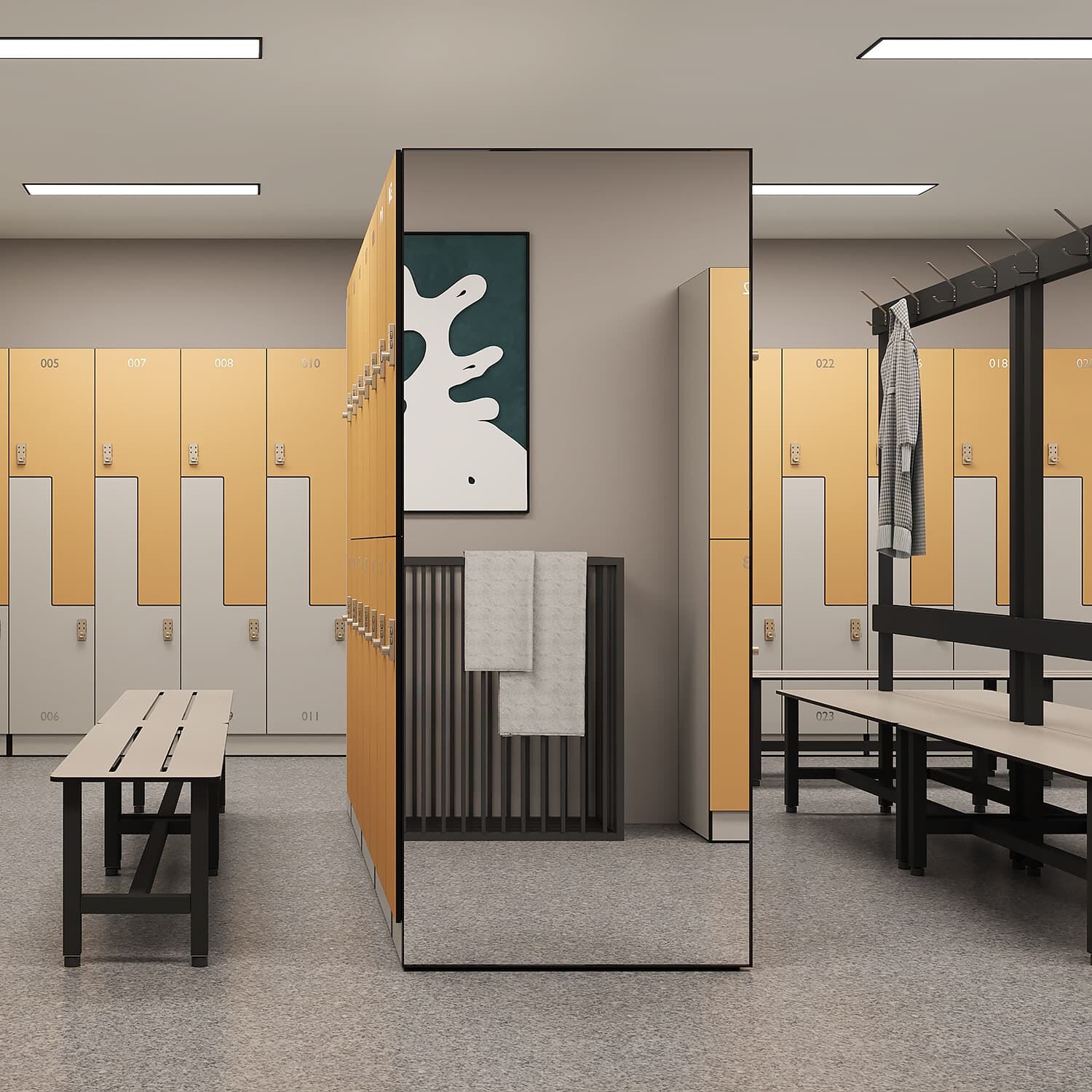
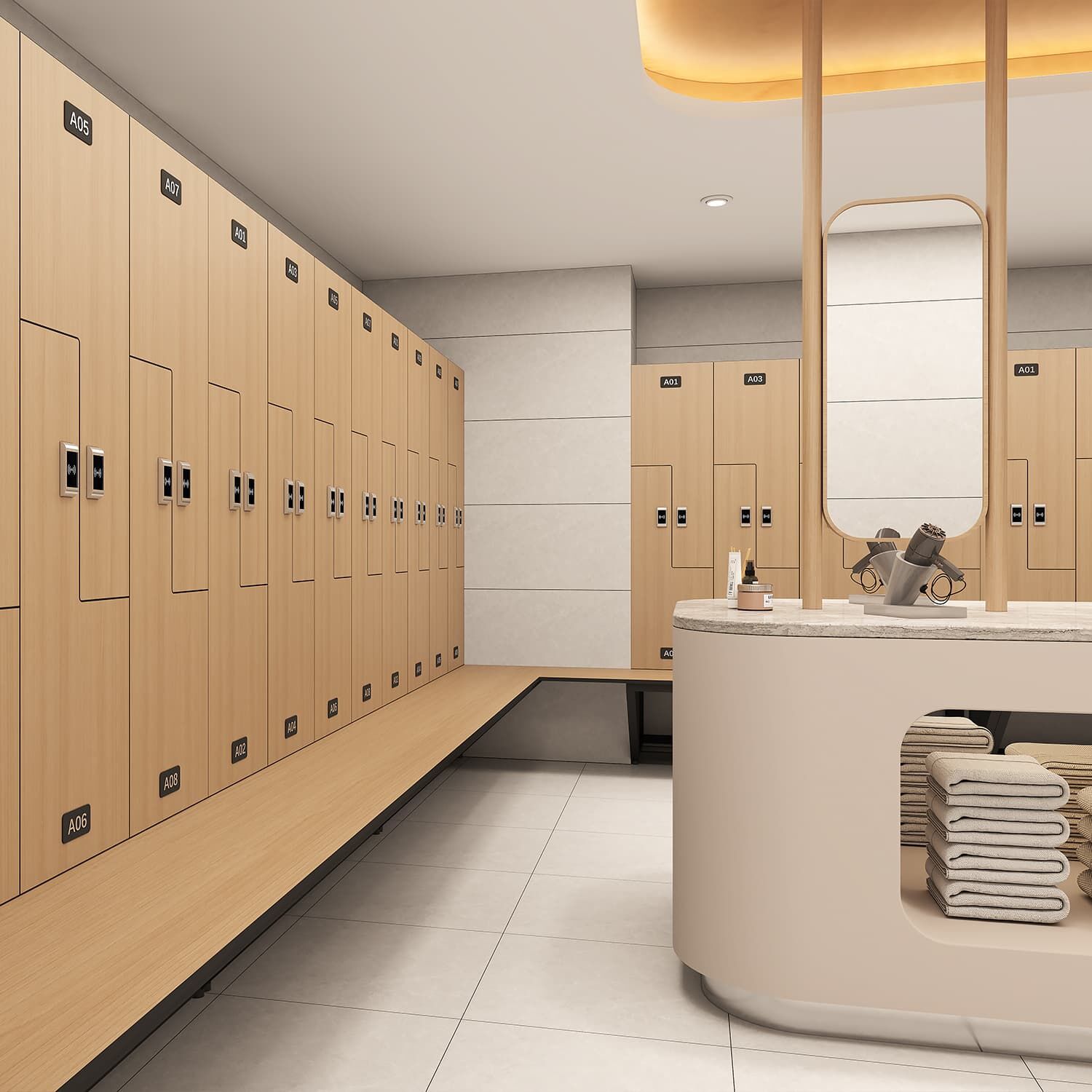
restroom stall panels
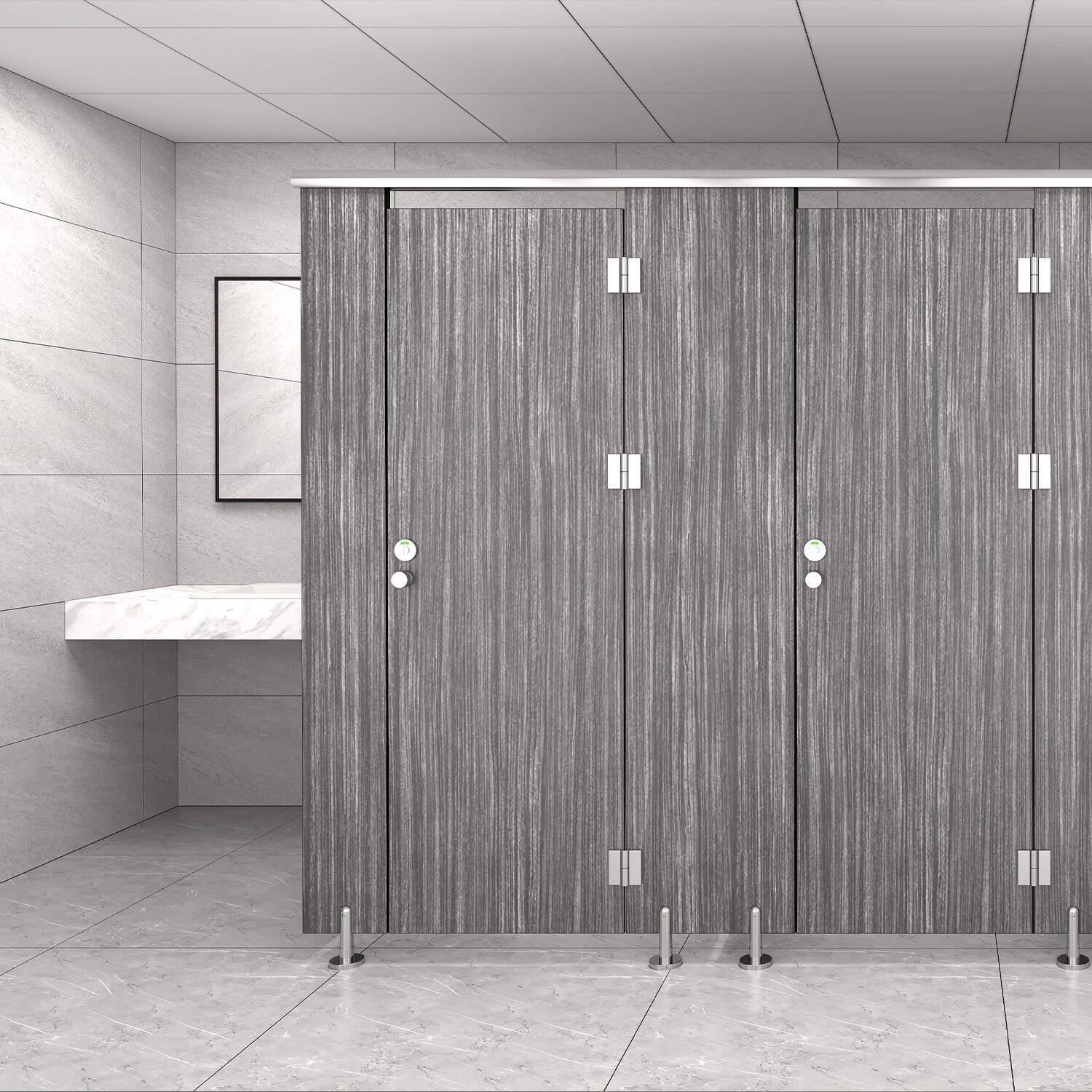
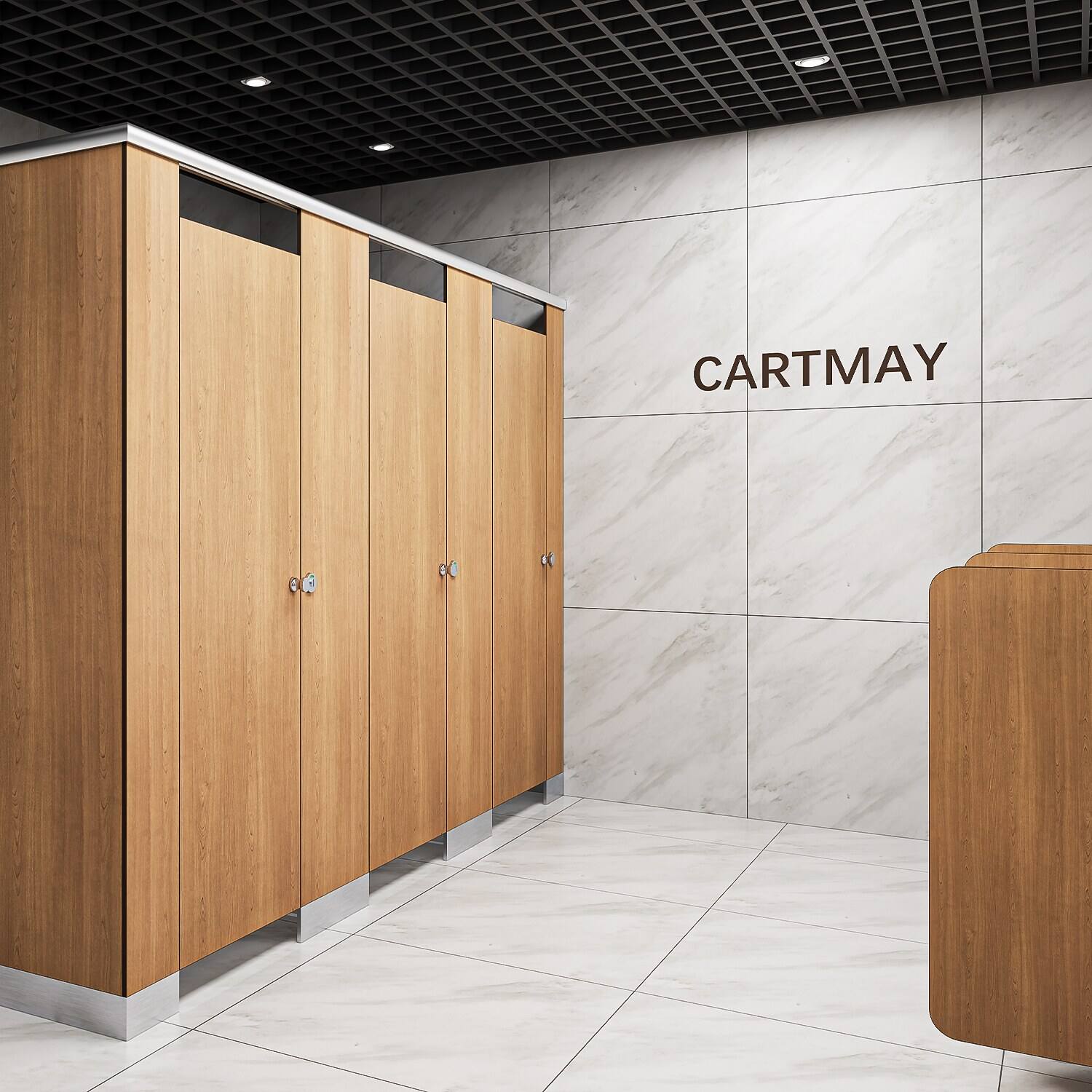
Restroom stall panels serve as essential privacy barriers and structural elements in commercial and public washroom facilities worldwide. These panels are specifically engineered to create individual compartments within larger restroom spaces, ensuring user privacy while maintaining accessibility and cleanliness standards. Modern restroom stall panels incorporate advanced materials and manufacturing techniques to deliver exceptional durability and resistance to moisture, vandalism, and daily wear. The primary function of restroom stall panels extends beyond simple partitioning, as they contribute significantly to the overall hygiene and maintenance efficiency of restroom facilities. These panels are manufactured using various materials including high-density polyethylene, stainless steel, phenolic resin, and powder-coated steel, each offering distinct advantages for different environments and usage requirements. The technological features of contemporary restroom stall panels include antimicrobial surface treatments that actively inhibit bacterial growth and reduce odor retention. Many panels incorporate seamless construction methods that eliminate joints and crevices where dirt and bacteria typically accumulate. Advanced surface finishes provide enhanced scratch resistance and color retention, ensuring long-lasting aesthetic appeal even in high-traffic environments. The mounting systems for restroom stall panels have evolved to include floor-mounted, ceiling-hung, and overhead-braced configurations, allowing flexible installation options to accommodate various architectural constraints. Applications for restroom stall panels span numerous sectors including educational institutions, healthcare facilities, corporate offices, entertainment venues, transportation terminals, and retail establishments. Each application demands specific performance characteristics, which manufacturers address through customized design solutions and material selections. The panels undergo rigorous testing for structural integrity, fire resistance, and chemical resistance to meet stringent building codes and safety regulations across different jurisdictions.
 EN
EN


 ONLINE