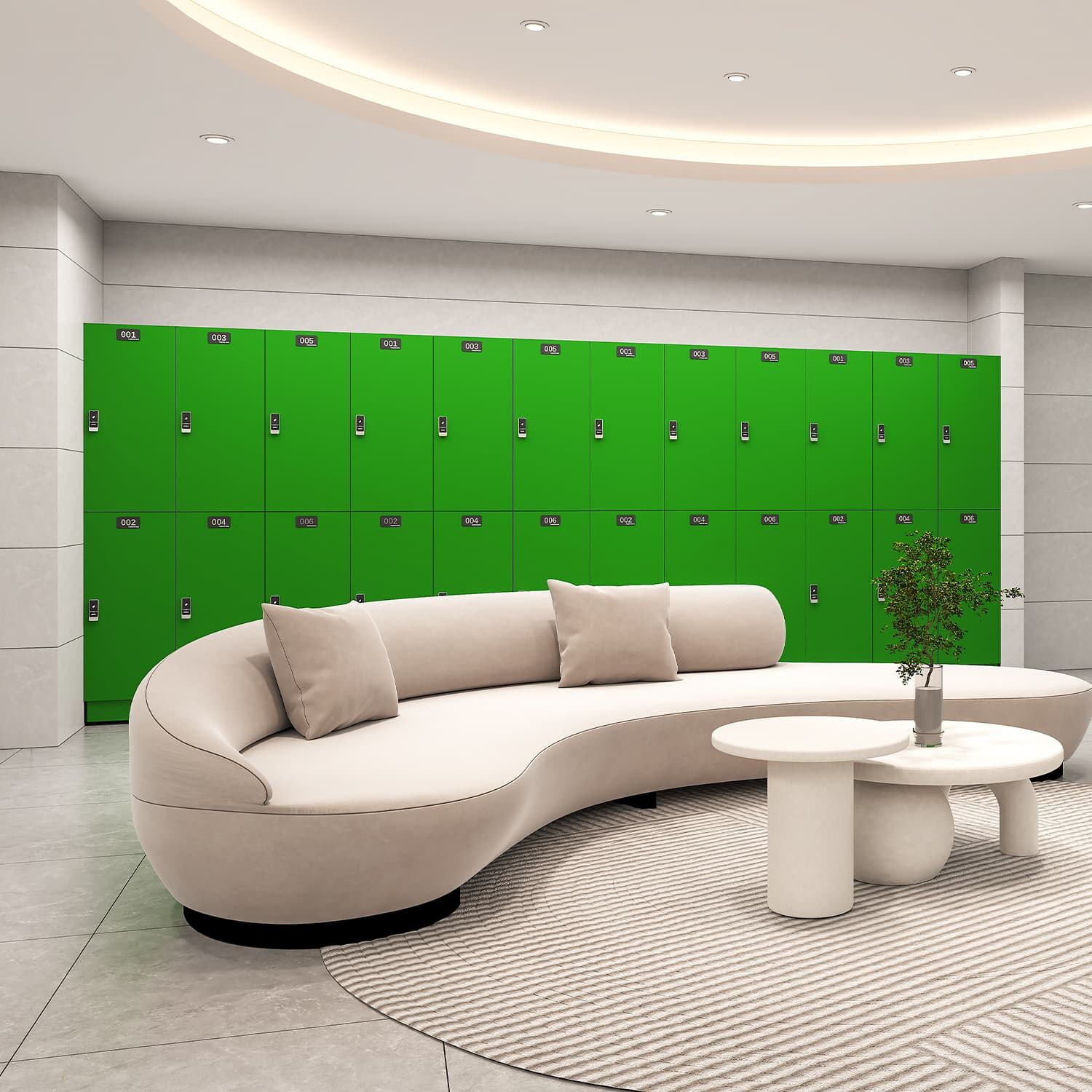
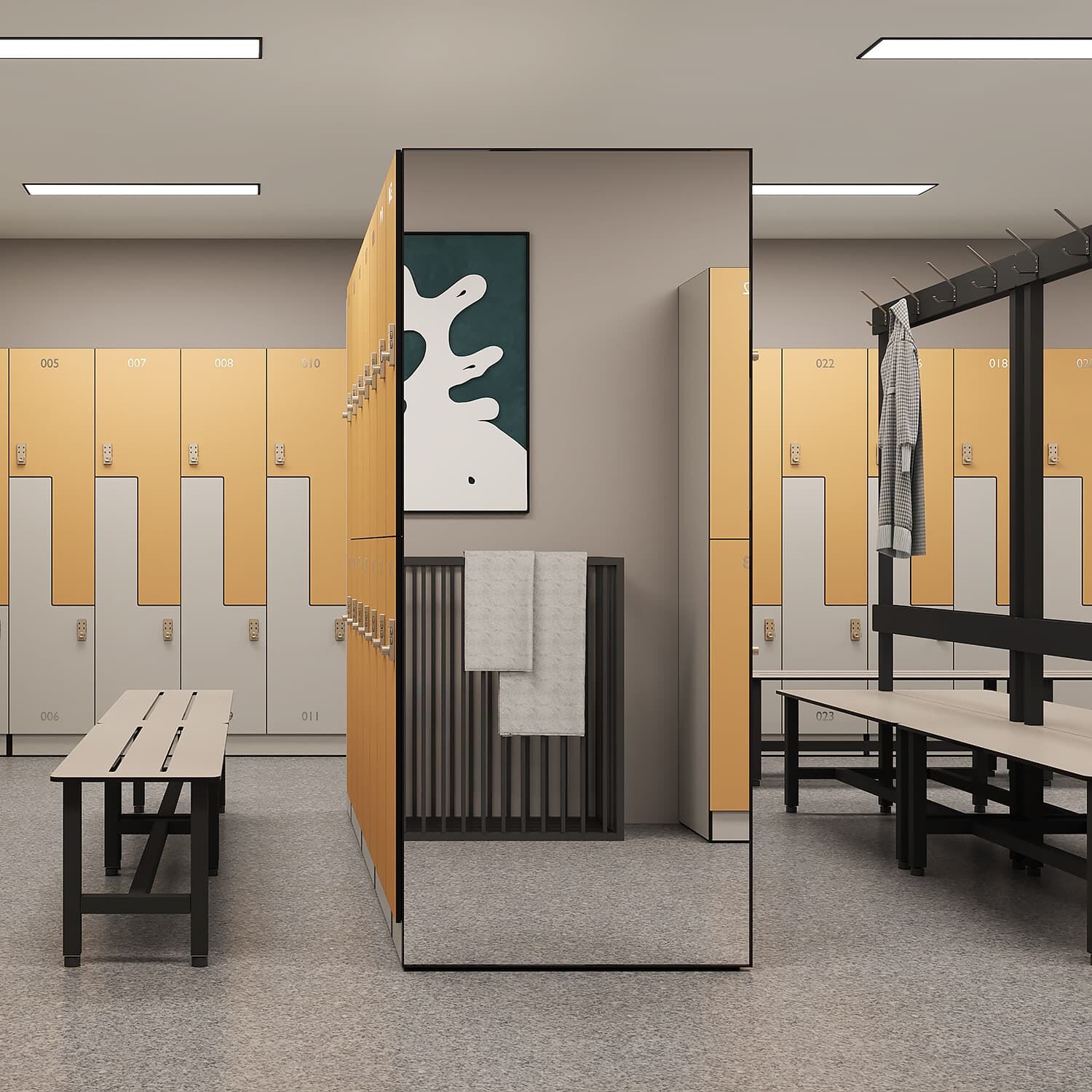
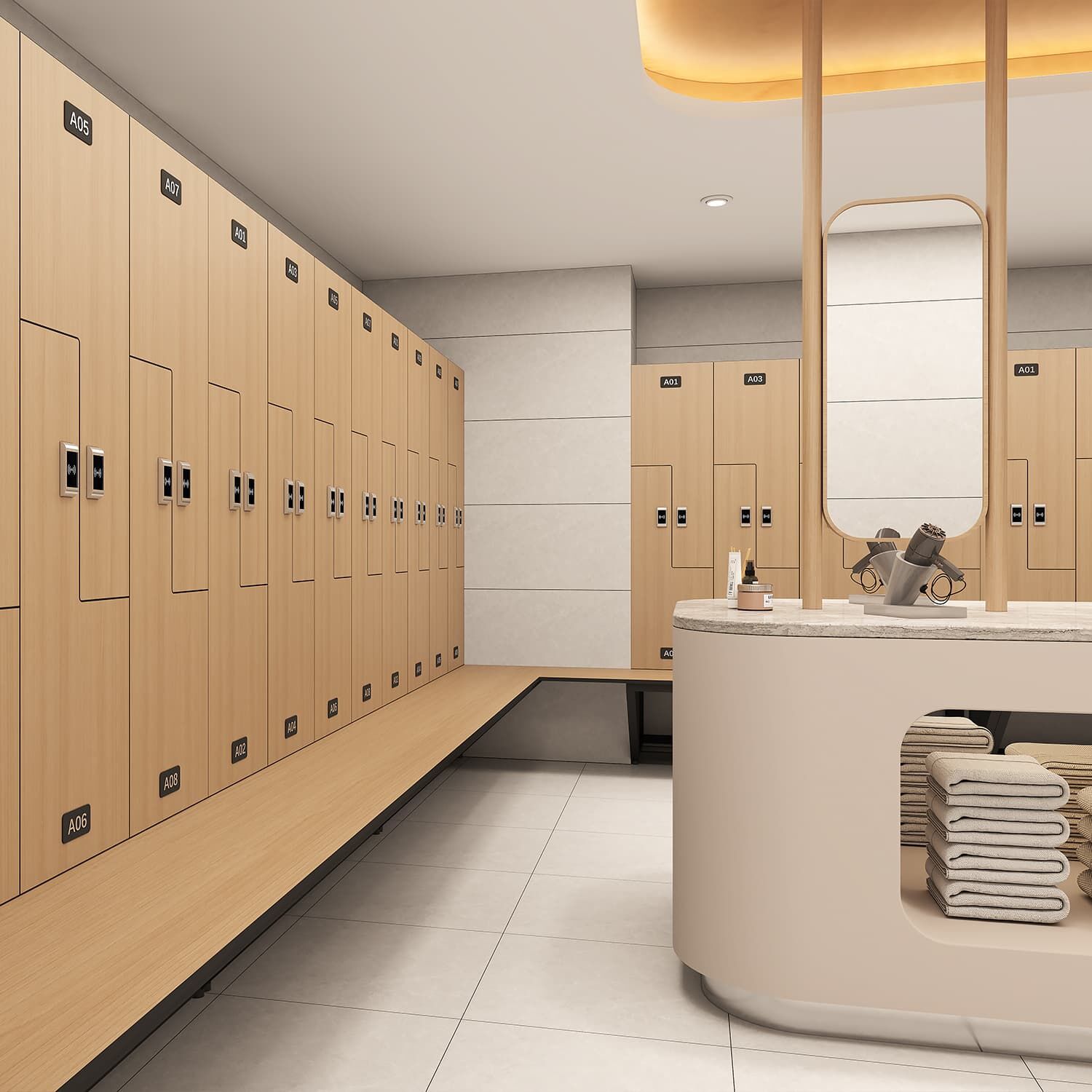
public restroom partitions
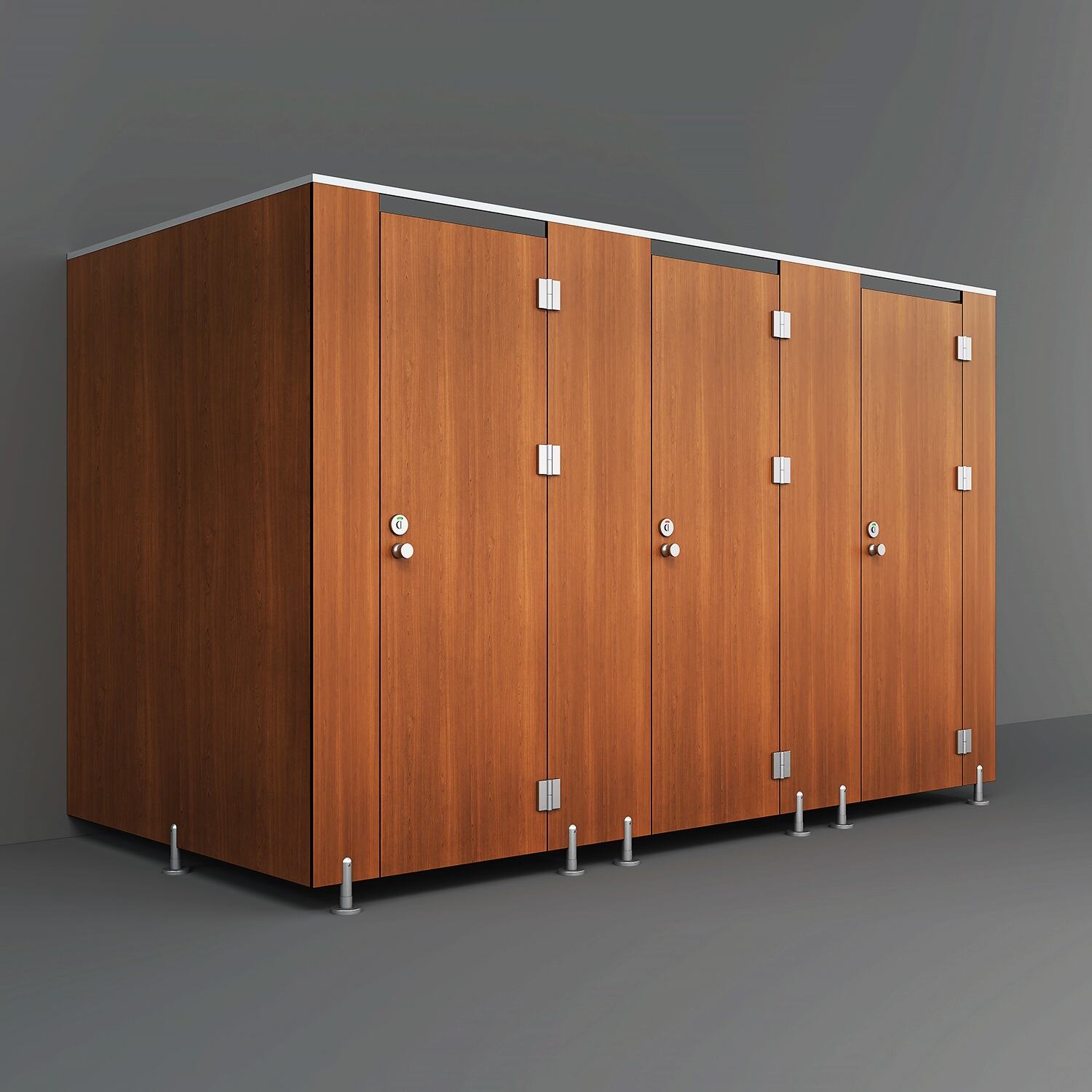
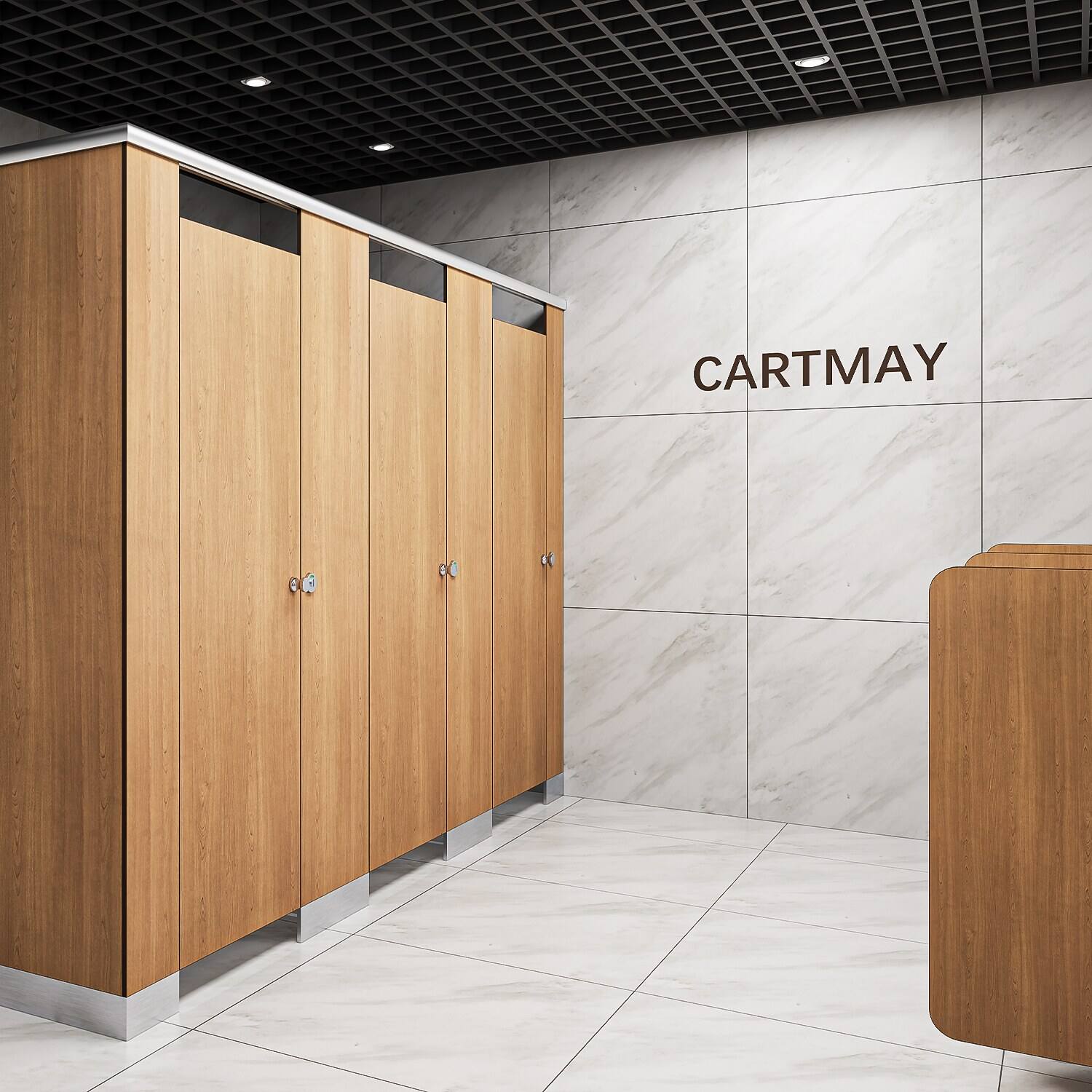
Public restroom partitions serve as essential privacy barriers in commercial and institutional facilities, providing users with secure, comfortable spaces for personal needs. These architectural elements combine functionality with durability, creating enclosed areas within larger restroom facilities. Modern public restroom partitions incorporate advanced materials and engineering principles to withstand heavy usage while maintaining hygienic standards. The primary function of these partitions involves creating individual stalls that offer privacy protection for users in high-traffic environments such as shopping centers, office buildings, schools, airports, and recreational facilities. Technologically, contemporary public restroom partitions utilize corrosion-resistant materials including powder-coated steel, solid plastic, phenolic core panels, and stainless steel hardware. These materials resist moisture, bacteria growth, and chemical cleaning agents, ensuring long-term performance in demanding environments. Advanced mounting systems distribute weight evenly across floor and ceiling anchor points, preventing structural stress and maintaining stability during frequent use. Many partitions feature antimicrobial surface treatments that actively reduce bacterial proliferation, contributing to improved sanitary conditions. Color-fast finishes resist fading and staining, preserving aesthetic appeal throughout extended service periods. Applications for public restroom partitions span numerous sectors including healthcare facilities, educational institutions, corporate offices, retail establishments, transportation hubs, and recreational venues. These installations must comply with accessibility regulations, ensuring adequate clearances and maneuvering space for individuals with disabilities. Partition systems accommodate various architectural layouts, from standard rectangular configurations to custom-shaped installations that maximize available floor space. Integration with building management systems allows for efficient maintenance scheduling and replacement planning. The modular nature of modern partition systems enables future reconfiguration as facility needs evolve, providing flexibility for space planning professionals and facility managers seeking cost-effective solutions for privacy requirements in public facilities.
 EN
EN


 ONLINE