EN
EN


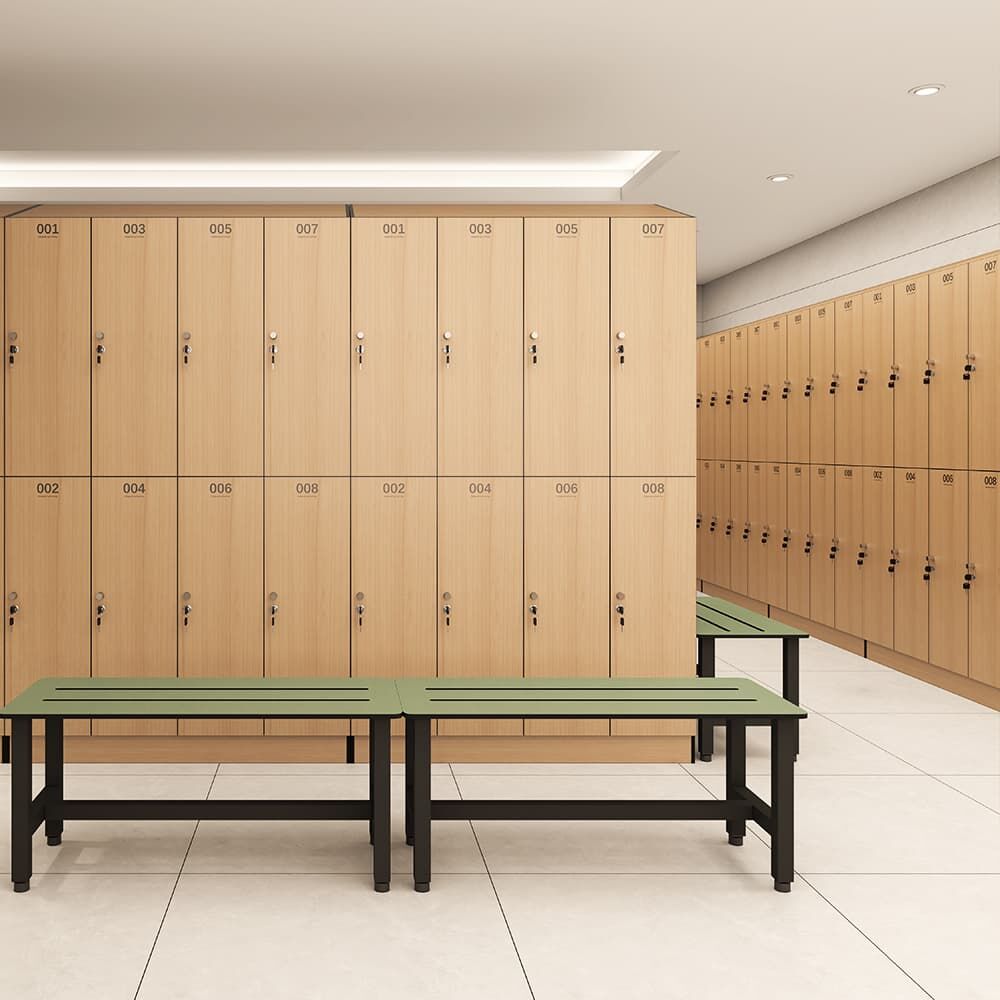
Selecting the right gym lockers for a fitness facility is a decision that carries more long-term consequences than most operators initially anticipate. Unlike office furniture or casual storage units, gym lockers endure a uniquely punishing combination of moisture, heavy use, chemical exposure, and physical impact on a daily basis. A locker that appears adequate at the time of purchase can deteriorate rapidly when placed in a real-world athletic environment, leading to costly replacements, member dissatisfaction, and facility maintenance headaches. Understanding what durability factors truly matter before making a selection is the most effective way to protect both the investment and the member experience.
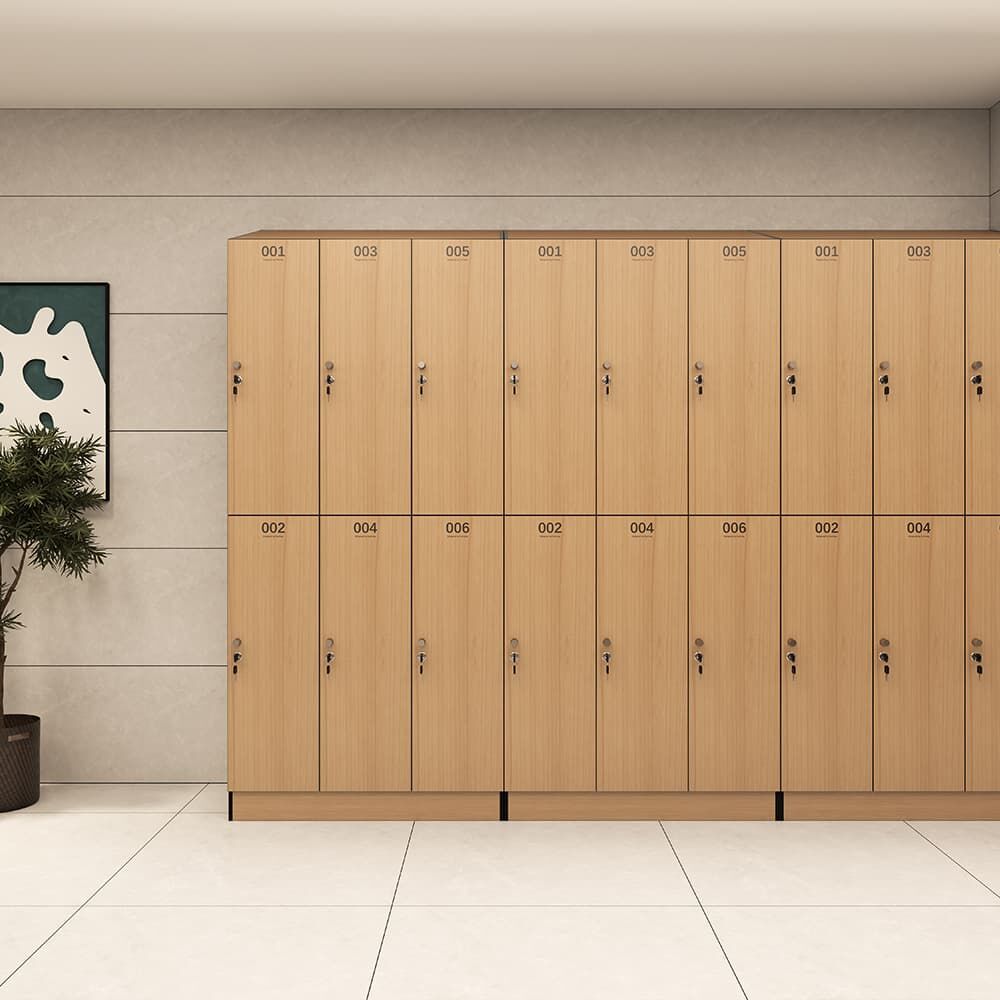
This article breaks down the core durability criteria that facility managers, procurement teams, and gym owners should evaluate when choosing gym lockers. From moisture resistance and structural design to locking mechanism longevity, each factor plays a direct role in how well a locker performs over years of demanding use. By examining these elements systematically, decision-makers can move beyond surface-level aesthetics and make selections that hold up in competitive athletic environments.
Moisture Resistance in Athletic Settings
Understanding the Moisture Challenge in Gyms
Gyms and sports clubs are among the most demanding storage environments imaginable from a moisture standpoint. Members routinely store wet swimwear, damp towels, sweaty gear, and water bottles inside gym lockers. Changing rooms and locker areas frequently have inadequate ventilation, which means relative humidity remains elevated for extended periods throughout the day.
When gym lockers lack adequate moisture resistance, the consequences appear quickly. Door edges develop degradation, laminate layers may delaminate, and the structural integrity of panels degrades. These are not merely aesthetic problems—compromised joints can weaken connections, causing doors to misalign, hinges to fail, and panels to deform.
Facility managers often underestimate how quickly moisture damage accelerates in poorly ventilated locker rooms. Selecting gym lockers that are explicitly rated for moisture-resistant performance—rather than simply marketed as 'suitable for gym use'—is a critical distinction that protects the long-term investment.
Ventilation Design and Interior Moisture Control
The interior design of gym lockers contributes meaningfully to moisture management. Locker units with perforated doors or ventilated panels allow passive airflow that reduces humidity buildup inside each compartment. This ventilation not only protects stored clothing and gear but also prevents the interior surfaces of the locker from remaining damp for prolonged periods, which is when degradation risk is highest.
Some gym lockers incorporate sloped ceilings and drainage-friendly interior features that prevent water pooling when wet items are stored. These design elements are particularly valuable in aquatic centers, martial arts studios, and sports clubs where gear is consistently wet. A locker's ability to dry out between uses is a passive durability mechanism that significantly extends its useful life.
When reviewing specifications for gym lockers, ventilation percentage and airflow path should be treated as durability criteria rather than incidental design features. High-ventilation lockers require more material precision in manufacturing but deliver substantially better long-term performance in athletic environments.
Structural Design and Load-Bearing Capacity
Frame Construction and Joint Integrity
The structural frame of gym lockers must withstand not only the static weight of stored items but also repeated dynamic forces—doors being slammed, users leaning against units, and occasional impacts from gym bags or equipment. A well-engineered frame distributes these forces across heavy-duty joints and reinforced corners rather than concentrating stress at vulnerable connection points.
Solid engineered joints and anti-rack door designs prevent the misalignment that leads to latching failures over time. When doors begin to bind or fail to close cleanly, user frustration increases and maintenance demands escalate quickly. Evaluating the quality of frame construction in gym lockers before purchase—rather than after installation problems emerge—is a straightforward step that pays measurable dividends in operational uptime.
Shelf and Floor Load Ratings
The internal fixtures of gym lockers, including shelves, hooks, and floor sections, must handle considerable weight on a consistent basis. Athletes frequently store heavy footwear, padded gear, helmets, and filled water bottles, and the combined weight of a fully packed locker can be substantial. Shelves with inadequate support brackets or thin construction can sag, crack, or detach over time.
For sports club and gym applications, lockers with reinforced shelving rated to support at least 30 to 50 kilograms per compartment are preferable. The floor section of gym lockers is particularly vulnerable in athletic environments where heavy boots or cleated footwear are stored regularly. A reinforced locker floor with a protective, scratch-resistant surface prevents puncture damage and structural fatigue caused by abrasive footwear.
Hooks and hanging rails inside gym lockers should be heavily secured rather than attached with basic screws, as standard fixtures loosen with repeated loading and unloading cycles. Evaluating these internal component specifications is part of a comprehensive durability assessment that goes beyond the exterior appearance of the unit.
Locking Mechanism Durability and Security
Lock Type and Cycle Rating
The locking mechanism is among the most frequently operated components of any locker, and its durability is directly proportional to how many daily open-and-close cycles it can sustain without degradation. In a busy gym environment, a single locker may be accessed five to fifteen times per day, meaning that over a ten-year service life, the lock mechanism must perform reliably through tens of thousands of cycles.
When specifying gym lockers, buyers should review the cycle rating of the chosen locking system. Mechanical key locks, combination dial locks, coin-return locks, and electronic keypads all offer different cycle durability profiles. Mechanical locks of industrial quality typically carry cycle ratings of 100,000 or more, while lower-grade hardware may begin to fail within 20,000 to 30,000 cycles—a figure reached within just a few years in high-use facilities.
The material of the lock hasp, handle, and latch bar also matters. Premium component choices in these high-contact zones resist wear better than low-grade alternatives, which can degrade through repeated handling in moist environments. Choosing gym lockers with certified, high-cycle lock hardware protects operational continuity and reduces member-facing security concerns.
Hinge Quality and Door Alignment Retention
Hinges are often overlooked in locker durability assessments, but they are among the components that experience the most repetitive mechanical stress. Poor-quality hinges develop slop and vertical drift over time, causing doors to sag and misalign with the frame. Once misalignment occurs, latching becomes unreliable, doors may not seal properly, and the increased stress on the frame accelerates further degradation.
For gym lockers intended for long-term deployment, continuous piano hinges or multi-point heavy-duty hinges are significantly more durable than standard two-point butt hinges. These designs distribute door weight and operational stress across a longer contact surface, preventing the concentration of wear at isolated pivot points. High-grade stainless hardware is preferable in high-moisture applications because it does not degrade and seize over time.
Requesting information about hinge specifications when procuring gym lockers is a technical step that speaks directly to long-term performance. Suppliers who can articulate hinge material grade, load rating, and cycle durability typically offer products engineered with genuine longevity in mind rather than just visual appeal at the point of sale.
FAQ
What is the most important material feature to look for in gym lockers?
The most important feature is a high-density, impact-resistant material composition paired with premium surface protection. For high-moisture gym environments, materials that are inherently waterproof (such as solid plastic or composite laminates) provide the best foundation for long-term durability without the risk of swelling, warping, or surface peeling.
How does moisture resistance affect the lifespan of gym lockers?
Moisture is the primary accelerant of degradation in gym lockers, and lockers without adequate resistance can begin showing structural damage and door misalignment within two to three years in a typical athletic environment. Waterproof cores, ventilated door panels, and materials rated for wet-area use dramatically extend service life by preventing internal humidity buildup.
Why does locking mechanism quality matter for gym locker durability?
Because gym lockers in busy facilities may be accessed dozens of times each day, the locking mechanism endures more mechanical cycles than almost any other component. A lock with a low cycle rating will begin to malfunction within a few years, creating security gaps and operational disruptions. Specifying high-cycle, heavy-duty lock hardware is an essential part of a comprehensive durability strategy for any gym or sports club.
Are ventilated gym lockers more durable than solid-panel models?
In athletic environments, ventilated gym lockers typically demonstrate greater long-term durability because airflow reduces interior moisture buildup. When wet gear is stored inside a sealed locker for extended periods, humidity accelerates structural and finish degradation on interior surfaces. Perforated doors and ventilated panels allow passive drying that protects both the locker structure and the items stored within it, making them the preferred choice for facilities where members regularly store damp clothing or equipment.