EN
EN


When selecting a sport locker for a gym, athletic facility, or sports club, durability is rarely a single-variable decision. The environment where the locker will be installed, the volume of daily users, the type of equipment being stored, and the engineered material composition all interact to define what 'durable enough' actually means in practice. Facility managers and procurement teams who overlook these layered factors often find themselves replacing units far sooner than expected, driving up total cost of ownership and disrupting daily operations.
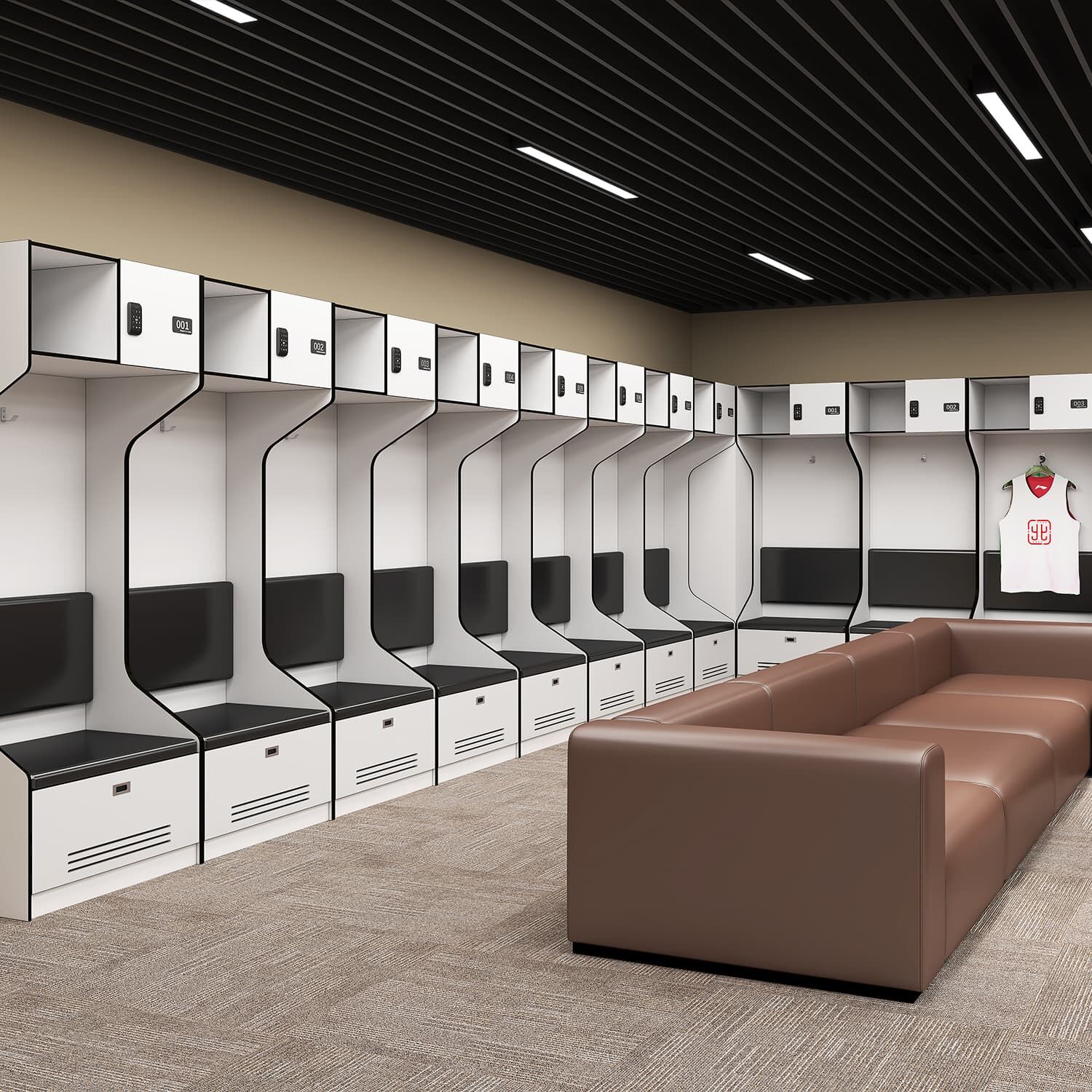
Understanding the specific durability requirements for a sport locker starts with a clear-eyed assessment of the conditions it will face. A locker installed in a high-humidity swimming pool changing room faces entirely different stresses than one placed in a dry fitness studio or an outdoor stadium corridor. This article breaks down the key factors that determine how durable a sport locker needs to be, helping decision-makers specify the right product from the outset rather than discovering gaps after installation.
Environmental Conditions and Their Impact on Durability
Moisture and Humidity Exposure
Moisture is one of the most aggressive forces acting on any sport locker in an athletic setting. Changing rooms adjacent to pools, showers, and wet courts generate sustained high-humidity environments where condensation can accumulate on locker surfaces daily. Over time, inadequate or poorly treated materials will begin to degrade from the inside out, weakening structural joints and making doors difficult to open or close properly.
A sport locker intended for wet-area use must be constructed from materials that actively resist moisture penetration, such as solid plastic composites or high-pressure laminates. Waterproof panel cores, sealed seams, and ventilation designs that allow airflow without trapping humidity are all critical specifications in these environments. Facilities that skip moisture-resistant material specifications in humid zones typically see visible warping and structural delamination within two to three years of installation.
Even in facilities that appear dry, residual moisture from wet towels, damp sports gear, and sweaty clothing stored inside a sport locker creates a localized humid microclimate. This internal moisture exposure is often underestimated during procurement and is a leading cause of premature interior material breakdown and permanent odor absorption.
Temperature Variation and Outdoor Exposure
Sport locker units installed in semi-outdoor or transitional spaces such as stadium corridors, outdoor pool decks, or covered sports pavilions face thermal cycling stress that indoor units do not. Repeated expansion and contraction of component materials due to temperature swings can loosen mechanical fasteners, warp door panels, and compromise locking mechanisms over time.
For these applications, the durability requirement extends beyond basic resistance to include dimensional stability under thermal stress. Heavy-duty material density, reinforced corner joints, and UV-stable surface treatments become relevant specifications when a sport locker is expected to perform reliably across seasons in variable temperature conditions.
Usage Intensity and Traffic Volume
Daily User Load and Cycle Frequency
The number of times a sport locker door is opened and closed each day is a direct multiplier on mechanical wear. A locker in a small private gym used by twenty members per day faces a fundamentally different fatigue load than one in a large public sports complex serving several hundred users across multiple daily sessions. Hinges, latch mechanisms, and door alignment are the first components to show wear under high-cycle conditions.
Durability requirements for high-traffic sport locker installations should include specifications for hinge load ratings, latch cycle testing, and door alignment tolerances after extended use. Heavy-duty hinges rated for tens of thousands of open-close cycles are a worthwhile investment in facilities where lockers are in near-constant use throughout the day.
Shared-use facilities where lockers are assigned on a session-by-session basis rather than to permanent members tend to experience higher abuse rates. Users who do not have a long-term relationship with a specific sport locker unit are statistically more likely to force doors, overload shelves, and handle locking mechanisms roughly. This behavioral factor should inform durability specifications just as much as the physical environment does.
Weight and Load-Bearing Requirements
Athletic equipment is heavy. Helmets, pads, cleats, bags, and protective gear can collectively weigh significantly more than the clothing and personal items a standard office locker is designed to hold. A sport locker used in team sports environments must be engineered to support these loads without shelf deflection, floor panel warping, or structural fatigue at mounting points.
Load-bearing capacity is a durability factor that is easy to overlook in product specifications but becomes immediately apparent in use. Shelves that sag under the weight of heavy gear, or floor panels that crack under the impact of dropped equipment, signal that the unit was not specified correctly for the intended application. Procurement teams should request load ratings for shelves, floor panels, and hanging rods as part of the standard specification review for any sport locker purchase.
Material Structure and Construction Quality
Panel Thickness and Frame Integrity
The structural thickness and density of the panel used in a sport locker body is one of the most direct indicators of its impact durability. Thick, solid-core engineered panels resist denting, warping, and shattering more effectively than thinner alternatives. In athletic environments where lockers are subject to physical impact from heavy bags and equipment, frame integrity is a baseline durability requirement rather than a premium feature.
Solid, integrated construction at key structural joints provides significantly greater long-term integrity than standard fast-assembled lines, which can loosen over time under vibration and repeated impact. A sport locker with fully reinforced frame corners and structurally stable door frames will maintain its dimensional accuracy and door alignment far longer than basic storage alternatives.
The quality of the surface finish also contributes to structural durability. Smooth, impact-resistant finishes applied over stable substrates protect against both surface abrasion and gouging. Thin or brittle surface layers chip and peel under normal athletic facility conditions, exposing the inner core to moisture and accelerating degradation at the most vulnerable points.
Locking Mechanism Durability
The locking system is the most mechanically complex component of any sport locker and is therefore one of the most durability-sensitive. Padlock hasps, built-in key locks, combination locks, and electronic locking systems each have different durability profiles depending on the environment and usage pattern. In high-humidity environments, mechanical locks must be evaluated for internal component reliability to ensure moisture does not cause the mechanism to seize entirely.
For facilities with high turnover and shared-use patterns, combination or electronic locking systems reduce the risk of lost keys and forced entry attempts. However, electronic systems introduce their own durability considerations around battery life, moisture ingress into digital components, and the availability of replacement parts over the product lifecycle. Specifying the right locking system for a sport locker requires balancing security, convenience, and long-term mechanical reliability.
Ventilation Design and Hygiene Maintenance
Airflow and Odor Control
A sport locker that traps moisture and odor inside its cabinet will degrade faster than one designed with adequate ventilation. Perforated door panels and louvered vents allow air circulation that reduces internal humidity, slows the growth of mold and bacteria, and extends the serviceable life of both the locker and the items stored inside it. Ventilation is therefore not just a comfort feature but a direct contributor to long-term structural integrity.
Facilities that store wet or damp athletic gear overnight should prioritize sport locker designs with maximum ventilation area. The ability to dry out between uses prevents the cumulative moisture damage that shortens locker lifespan in high-use athletic environments. Ventilation design should be evaluated alongside material specifications as part of a complete durability assessment.
Cleanability and Surface Resistance
Athletic facilities require regular cleaning with commercial disinfectants, and a sport locker must be able to withstand repeated chemical exposure without surface degradation. Chemical-resistant finishes that are proof against common cleaning agents, smooth interior surfaces that do not harbor bacteria, and sealed joints that prevent cleaning fluid from penetrating structural framing are all durability-relevant design features in this context.
Facilities with strict hygiene protocols, such as those serving professional sports teams or medical fitness centers, should verify that the surface finish of their chosen sport locker is compatible with the specific cleaning products used in their maintenance program. Incompatible chemicals can strip coatings, cause discoloration, and void manufacturer warranties, all of which reduce the effective durability of the installation.
FAQ
What is the most important material factor for sport locker durability in wet environments?
In wet or high-humidity environments, a fully waterproof solid core (such as solid plastic or high-pressure composite) is the most critical material factor. Panels that cannot absorb water eliminate the risk of swelling, splitting, or structural delamination. Ventilation design that allows the interior of the sport locker to dry between uses is equally important in sustaining durability over time.
How does usage frequency affect sport locker durability requirements?
Higher daily usage frequency accelerates mechanical wear on hinges, latches, and locking mechanisms, and increases the likelihood of physical impact damage to door panels and frames. Facilities with high user volumes should specify sport locker products with heavy-duty hardware rated for high cycle counts, reinforced door frames, and high-density impact-resistant panel construction.
Can a standard office locker be used as a sport locker in an athletic facility?
Standard office lockers are generally not suitable for athletic facility use. They are typically constructed from lighter, non-waterproof materials, finished with coatings not designed for high-humidity or chemical cleaning exposure, and engineered for lower load capacities than athletic equipment demands. A purpose-built sport locker is designed with the specific environmental, load, and hygiene requirements of athletic settings in mind.
How often should sport locker installations be inspected for durability issues?
A practical inspection schedule for sport locker installations in high-use facilities is every six months, with a focus on hinge condition, door alignment, locking mechanism function, surface finish integrity, and any signs of wear at joint or fastener points. Early identification of wear or damage allows for targeted maintenance that prevents minor issues from escalating into structural failures.
Table of Contents
- Environmental Conditions and Their Impact on Durability
- Usage Intensity and Traffic Volume
- Material Structure and Construction Quality
- Ventilation Design and Hygiene Maintenance
-
FAQ
- What is the most important material factor for sport locker durability in wet environments?
- How does usage frequency affect sport locker durability requirements?
- Can a standard office locker be used as a sport locker in an athletic facility?
- How often should sport locker installations be inspected for durability issues?