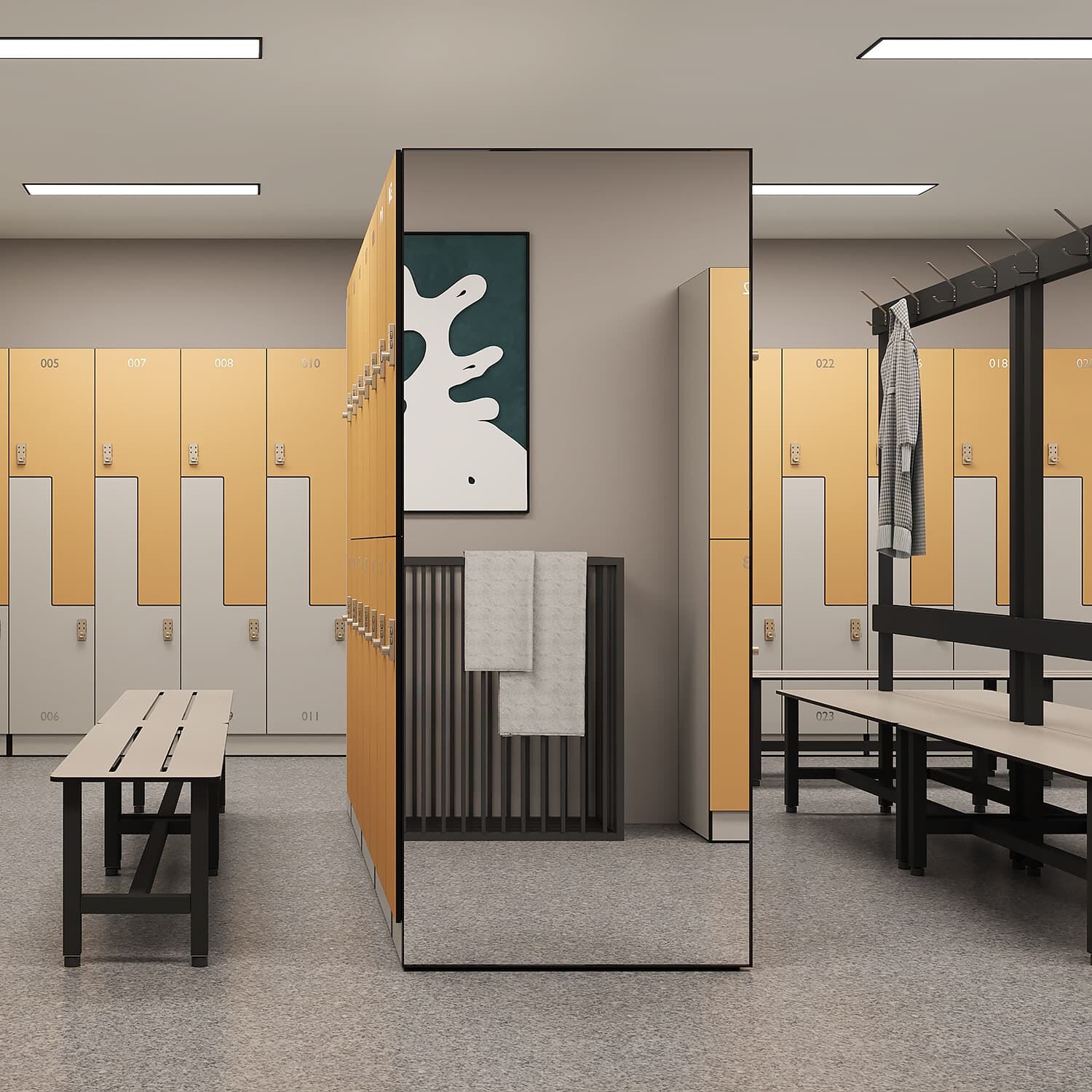
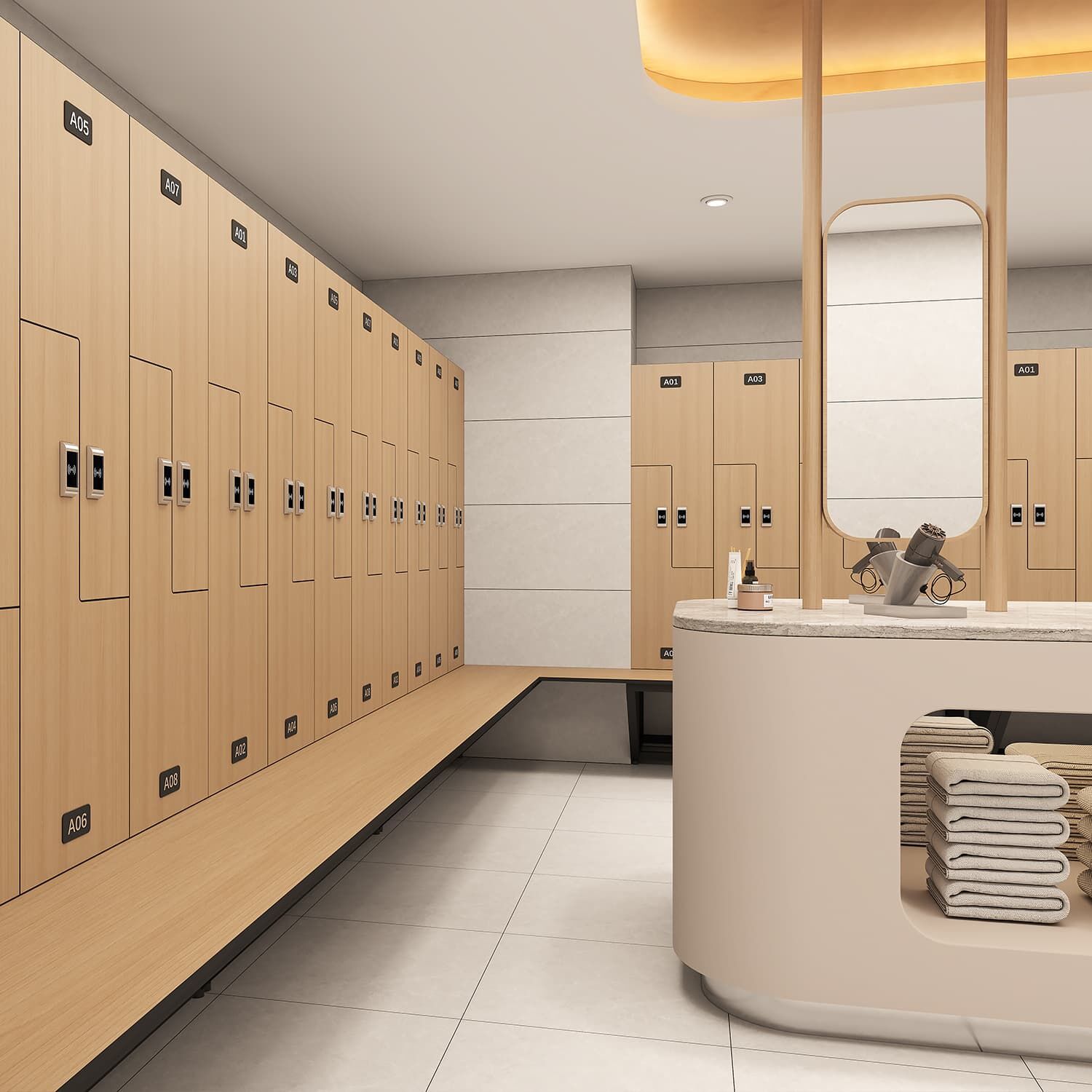
Premium Wood Athletic Lockers - Durable Storage Solutions for Sports Facilities

Get a Free Quote

Our representative will contact you soon.
Email
Name
Message
0/1000

wood athletic lockers

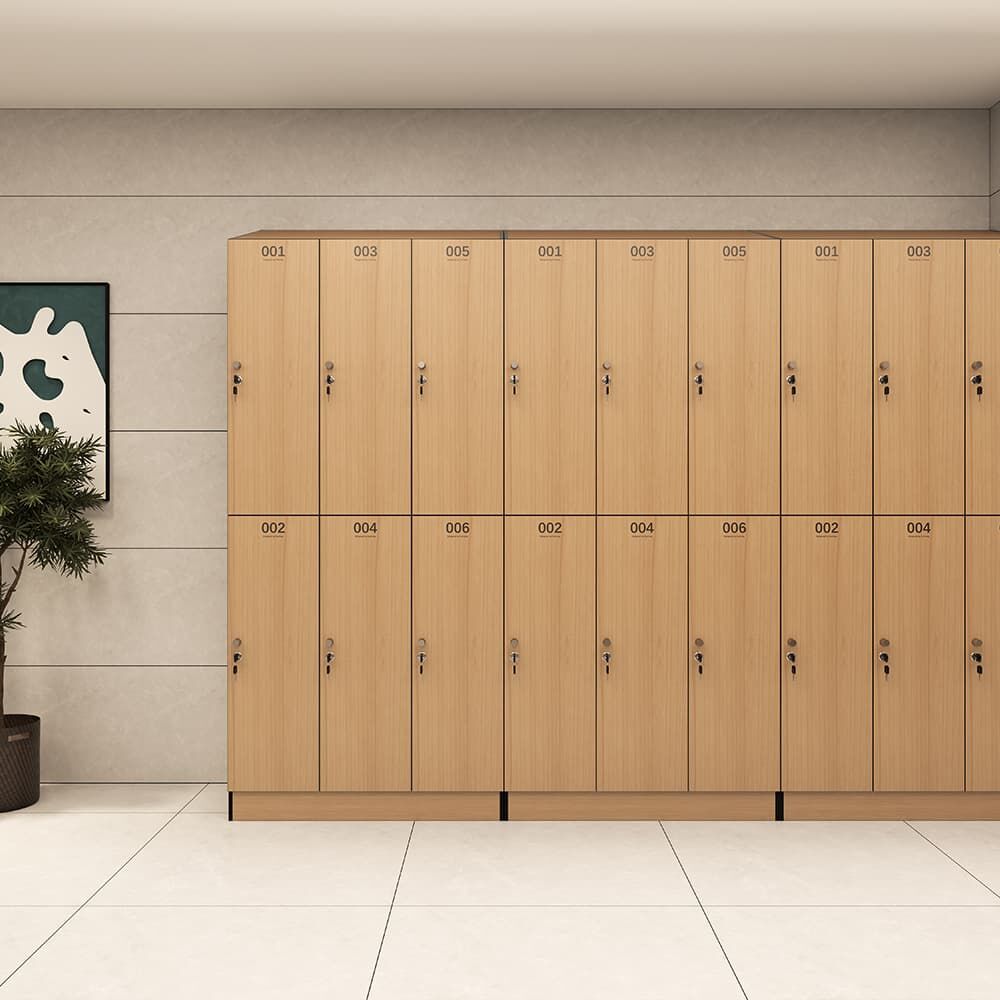
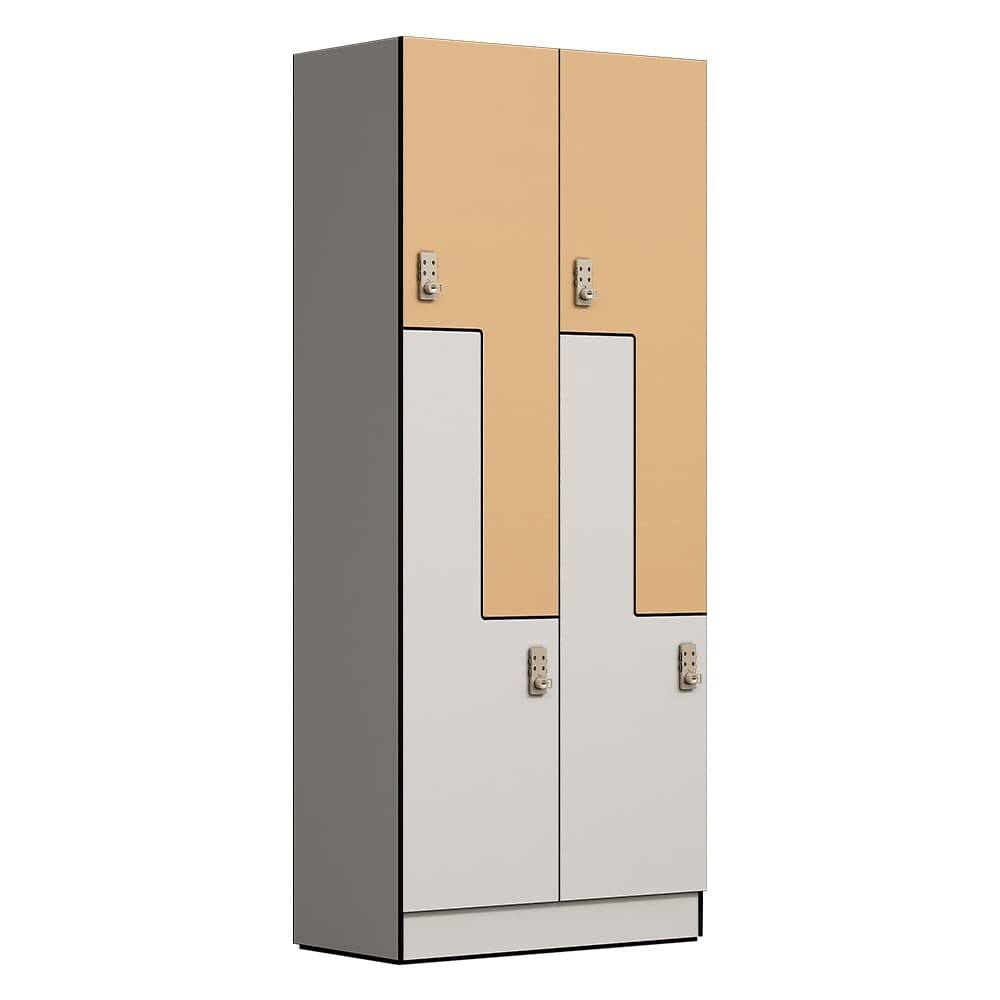
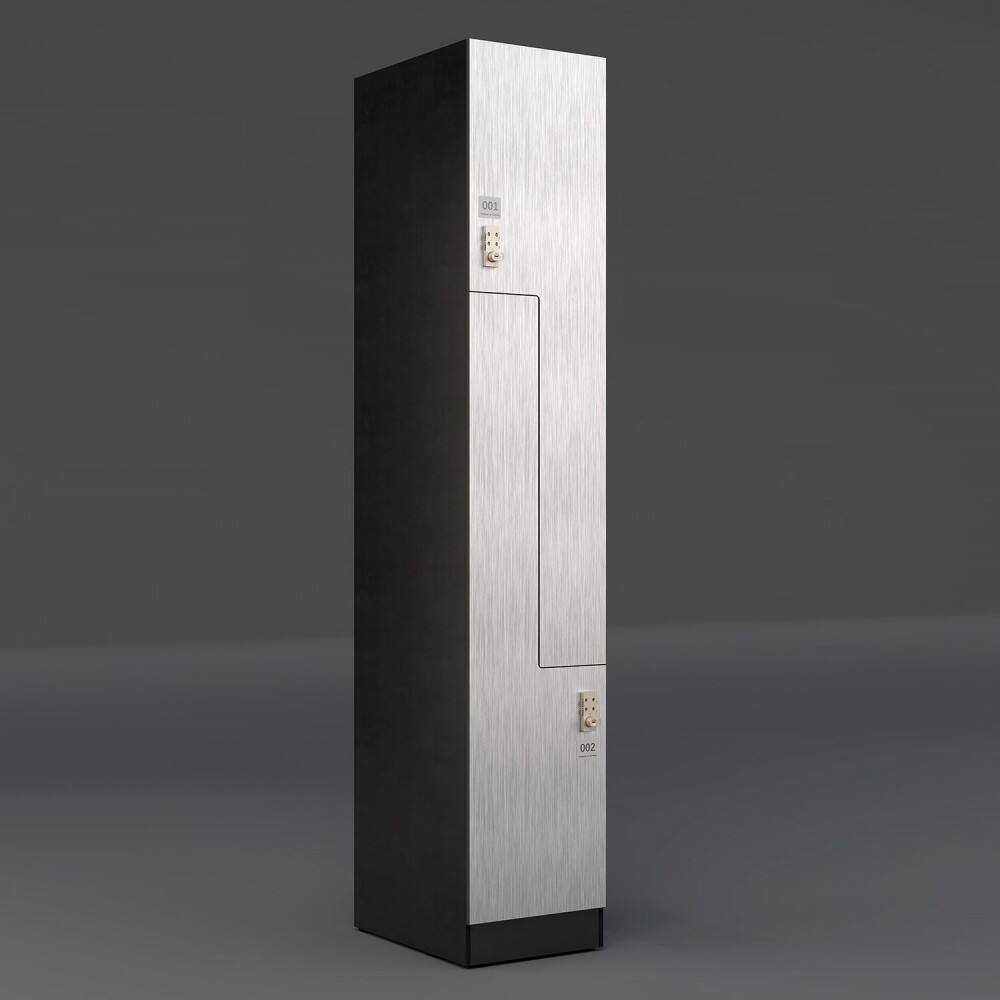
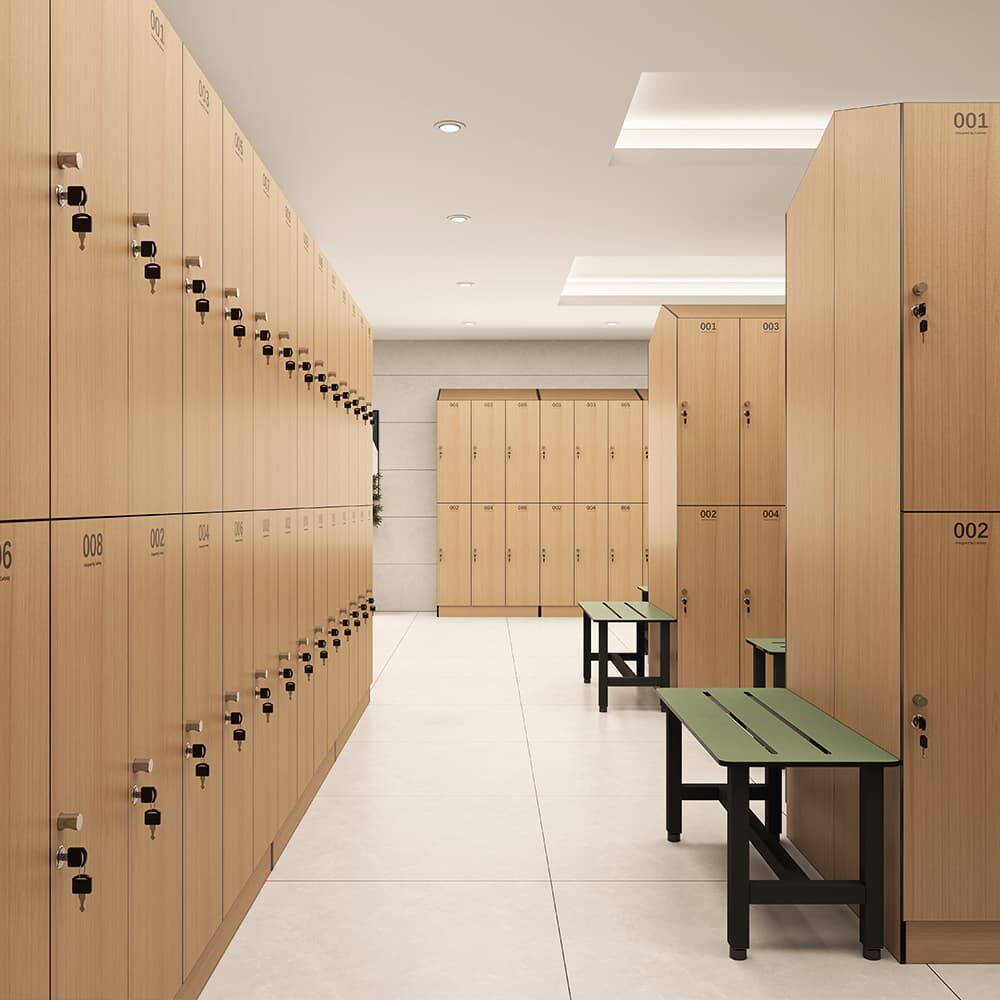
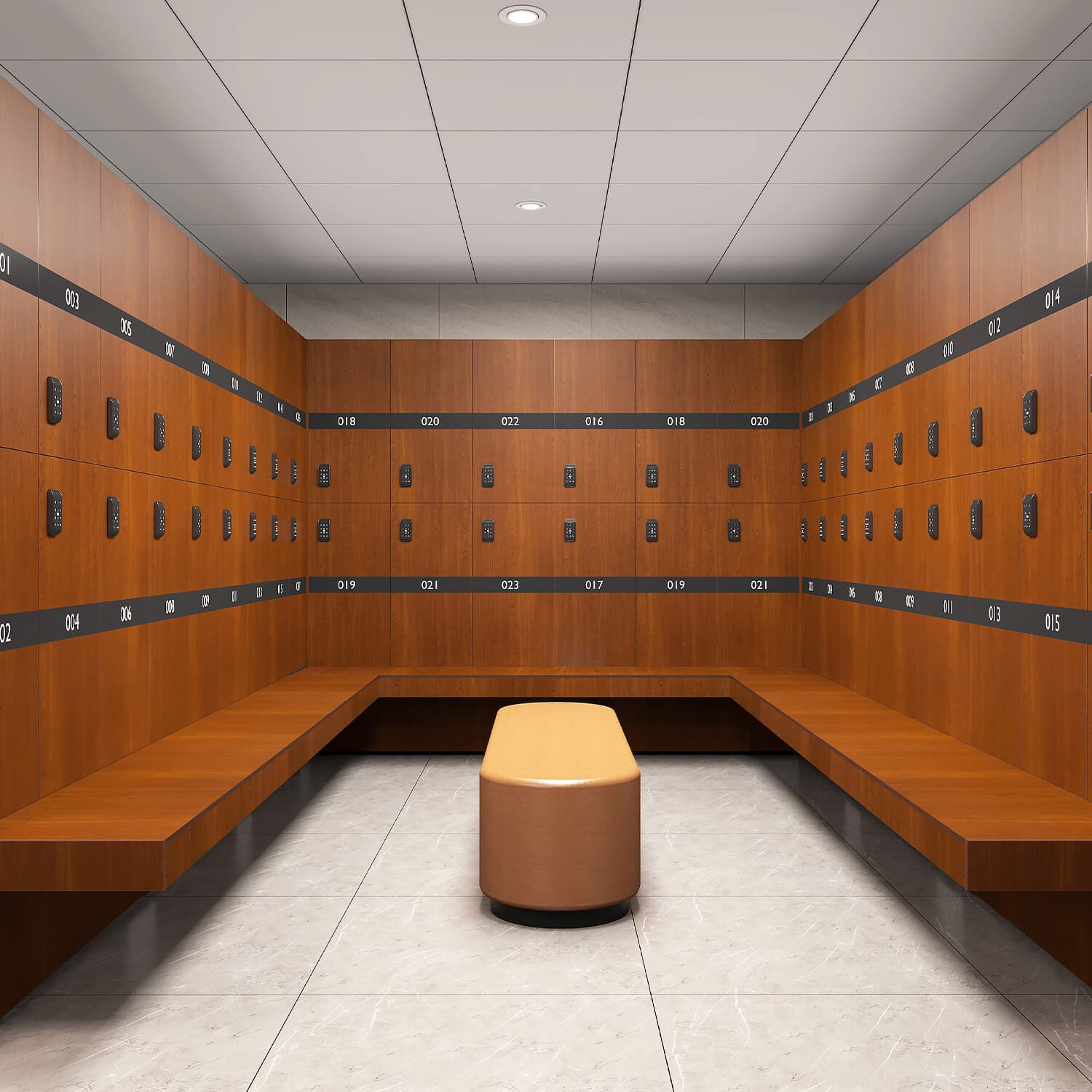
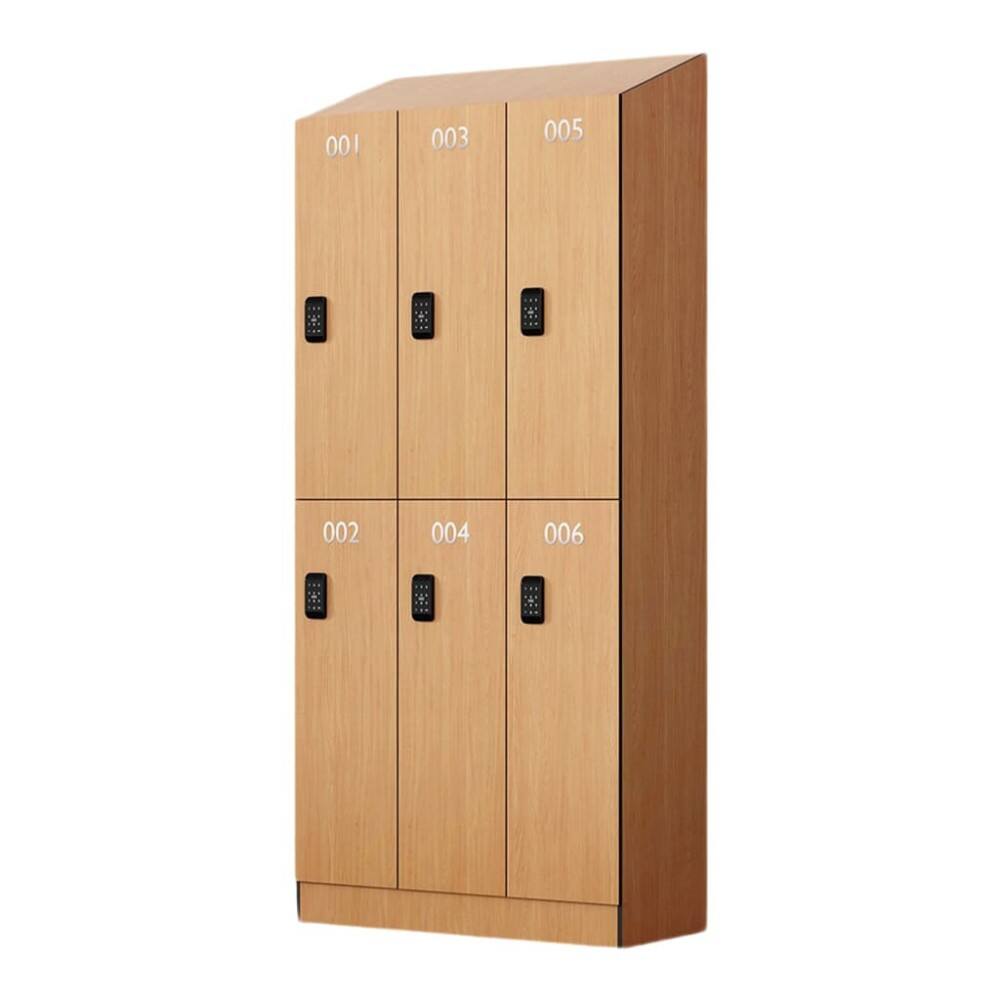
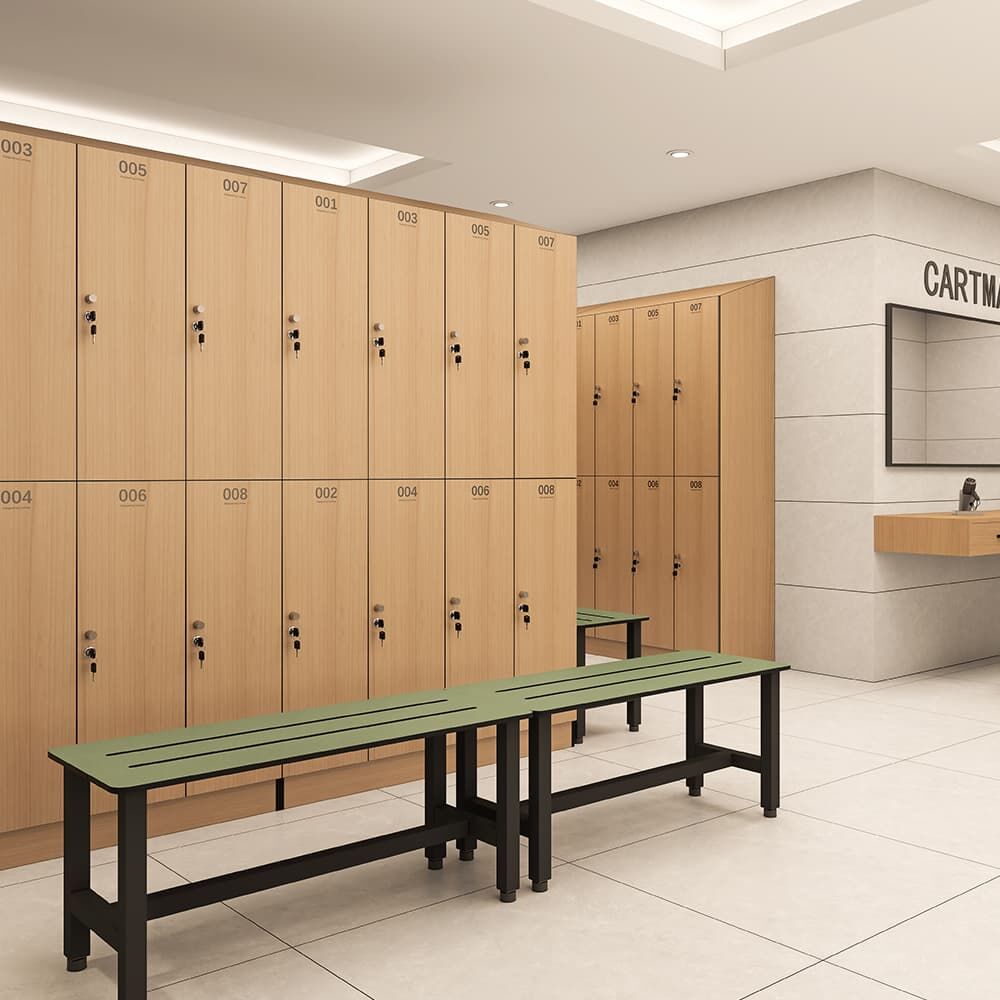
Wood athletic lockers represent a premium storage solution that combines traditional craftsmanship with modern functionality for sports facilities, gymnasiums, and recreational centers. These robust storage units are specifically engineered to withstand the demanding environment of athletic settings while providing secure, organized storage for personal belongings, sports equipment, and uniforms. The wood athletic lockers feature solid hardwood construction, typically crafted from maple, oak, or birch, ensuring exceptional durability and longevity that surpasses conventional metal alternatives. The natural wood grain provides an aesthetically pleasing appearance that enhances the overall ambiance of any facility. These lockers incorporate advanced ventilation systems with strategically positioned louvers and air circulation channels that promote proper airflow, preventing moisture buildup and eliminating odors commonly associated with athletic environments. The interior configuration includes adjustable shelving systems, coat hooks, and designated compartments for different types of equipment. Security features encompass heavy-duty locking mechanisms, reinforced door frames, and tamper-resistant hardware that protects valuable items. The wood athletic lockers are available in various configurations including single-tier, double-tier, and custom multi-compartment designs to accommodate different storage requirements. Installation flexibility allows for wall-mounted or floor-standing configurations, making them suitable for diverse facility layouts. The finish options include clear protective coatings, stains, and specialized treatments that resist moisture, scratches, and daily wear. These lockers meet stringent safety standards and building codes while providing ergonomic accessibility features. The wood athletic lockers serve educational institutions, professional sports facilities, country clubs, fitness centers, and corporate wellness facilities where premium storage solutions are essential for maintaining organized, secure, and attractive locker room environments.

New Product Releases

Wood athletic lockers deliver numerous practical benefits that make them an exceptional investment for facility managers and users alike. The natural properties of wood provide superior moisture regulation compared to metal alternatives, as the material naturally absorbs and releases humidity, creating a more comfortable storage environment that prevents condensation and reduces the risk of mold and mildew formation. This moisture management capability protects stored items from damage while maintaining a fresher atmosphere within each compartment. The acoustic properties of wood athletic lockers significantly reduce noise levels in busy locker rooms, as the dense wood construction dampens sound transmission and minimizes the clanging and banging typically associated with metal lockers. This noise reduction creates a more pleasant environment for users and reduces stress in high-traffic facilities. Durability stands as a primary advantage, with properly maintained wood athletic lockers lasting decades longer than metal counterparts while maintaining their structural integrity and appearance. The natural resilience of hardwood withstands impacts, scratches, and daily abuse without showing signs of wear as readily as painted metal surfaces. Temperature regulation represents another significant benefit, as wood provides natural insulation properties that keep stored items at more consistent temperatures, preventing extreme heat buildup in summer and excessive cooling in winter months. The aesthetic appeal of wood athletic lockers enhances the overall facility image, creating an upscale, professional appearance that impresses visitors and users while contributing to a positive brand perception. Customization options are virtually unlimited with wood construction, allowing facilities to match existing décor, incorporate school colors, add logos, or create unique design elements that reflect institutional identity. Environmental sustainability makes wood athletic lockers an eco-friendly choice, as responsibly sourced wood is renewable and biodegradable, supporting green building initiatives and environmental consciousness. Maintenance requirements are straightforward and cost-effective, typically involving periodic cleaning and occasional refinishing rather than the rust treatment, repainting, and replacement often required with metal alternatives. The smooth wood surfaces are easier to sanitize and disinfect, supporting health and hygiene protocols essential in athletic environments. Installation flexibility accommodates various architectural constraints and design preferences, while the natural warmth and character of wood creates a welcoming atmosphere that encourages proper locker room etiquette and facility pride among users.

Latest News

What maintenance do phenolic lockers require regularly?

08

May

What maintenance do phenolic lockers require regularly?

When facility managers invest in durable storage solutions, understanding the maintenance requirements becomes essential to protect that investment and ensure long-term performance. Phenolic lockers have become increasingly popular in commercial, edu...
View More
Which security features matter most in locker selection?

15

May

Which security features matter most in locker selection?

Choosing the right locker for your facility goes far beyond aesthetics or storage capacity. Whether you manage a fitness center, bowling alley, corporate office, or recreational complex, the security features built into your locker system directly de...
View More
How does installation affect phenolic lockers performance?

04

May

How does installation affect phenolic lockers performance?

When facilities managers and procurement teams invest in phenolic lockers, they typically focus on material quality, panel thickness, and warranty coverage. What often receives far less attention is the installation process itself — and that ov...
View More
How do office lockers improve employee productivity and workspace efficiency?

14

May

How do office lockers improve employee productivity and workspace efficiency?

In modern workplaces, clutter, disorganization, and the lack of personal storage are silent productivity killers. Employees who spend time searching for belongings, managing desk overflow, or worrying about the security of their personal items are em...
View More

Get a Free Quote

Our representative will contact you soon.
Email
Name
Message
0/1000

wood athletic lockers

Superior Moisture Management and Climate Control

Superior Moisture Management and Climate Control

The moisture management capabilities of wood athletic lockers represent a revolutionary advancement in locker room storage technology that addresses one of the most persistent challenges in athletic facilities. Unlike metal lockers that create condensation problems and trap humidity, wood athletic lockers utilize the natural hygroscopic properties of hardwood to actively regulate moisture levels within each storage compartment. The cellular structure of properly treated wood acts as a natural humidity buffer, absorbing excess moisture during high-humidity periods and releasing it when conditions become drier, maintaining optimal storage conditions year-round. This biological moisture regulation system prevents the formation of condensation droplets that can damage electronics, uniforms, and personal belongings while eliminating the musty odors that plague many locker facilities. The wood athletic lockers incorporate specially designed ventilation channels and louver systems that work synergistically with the natural wood properties to promote continuous air circulation without compromising security or privacy. Advanced finishing techniques using penetrating sealers and protective coatings enhance the wood's natural moisture resistance while maintaining its breathability, ensuring that the lockers can withstand daily exposure to steam, humidity, and temperature fluctuations common in athletic environments. The climate control benefits extend beyond simple moisture management, as the thermal mass of wood helps moderate temperature swings, protecting sensitive items from extreme heat or cold that can cause damage or degradation. This natural climate control reduces energy costs for facility operators by minimizing the workload on HVAC systems and creates more comfortable conditions for users. The moisture management system also contributes to improved hygiene and health outcomes, as the regulated environment inhibits bacterial and fungal growth that thrives in consistently damp conditions. Maintenance of this moisture management system requires minimal intervention, with periodic inspection and reapplication of protective finishes ensuring continued performance for decades of reliable service.
Unmatched Durability and Structural Integrity

Unmatched Durability and Structural Integrity

The structural engineering and durability characteristics of wood athletic lockers establish them as the premium choice for facilities requiring long-term reliability and performance under demanding conditions. The construction methodology employs traditional joinery techniques combined with modern fastening systems, creating joints that actually strengthen over time as the wood naturally tightens and settles into position. Premium hardwoods selected for wood athletic lockers undergo rigorous grading processes to ensure consistent density, grain structure, and performance characteristics that can withstand decades of intensive use without structural compromise. The natural flexibility of wood provides superior impact resistance compared to rigid metal alternatives, as the material can absorb and distribute shock loads without permanent deformation or failure. This resilience prevents the denting, warping, and structural damage commonly observed in metal lockers subjected to heavy use and abuse. The wood athletic lockers feature reinforced stress points at hinges, locks, and mounting locations using strategically placed hardwood blocks and metal reinforcements that distribute loads across larger surface areas, preventing localized failures and extending service life. The finish systems employed on wood athletic lockers utilize multi-coat application processes with specialized primers, stains, and topcoats that penetrate deep into the wood fibers, creating a protective barrier that resists scratches, scuffs, and chemical damage while maintaining the natural beauty of the wood grain. Quality control measures during manufacturing ensure consistent moisture content, proper curing, and dimensional stability that prevents warping, splitting, or joint separation even in challenging environmental conditions. The modular design philosophy allows for easy replacement of individual components without requiring complete locker replacement, providing cost-effective maintenance solutions and extending the overall system lifespan. Field testing and performance validation demonstrate that properly installed and maintained wood athletic lockers can provide reliable service for 30-50 years or more, representing exceptional value compared to alternatives that may require replacement every 10-15 years. The durability investment pays dividends through reduced maintenance costs, fewer user complaints, and sustained facility aesthetics that protect property values and institutional reputation over the long term.
Enhanced User Experience and Facility Aesthetics

Enhanced User Experience and Facility Aesthetics

The user experience and aesthetic impact of wood athletic lockers transform ordinary locker rooms into premium spaces that enhance facility perception and user satisfaction while supporting institutional branding and identity goals. The natural warmth and character of wood creates an immediately welcoming atmosphere that contrasts sharply with the cold, institutional feeling of metal alternatives, encouraging users to take better care of the facilities and fostering a sense of pride and ownership in the space. The tactile experience of wood athletic lockers provides a more pleasant interaction through smooth, warm surfaces that remain comfortable to touch regardless of ambient temperature, unlike metal surfaces that can become uncomfortably hot or cold depending on environmental conditions. Sound attenuation properties inherent in wood construction significantly reduce noise levels in busy locker facilities, creating a more peaceful and comfortable environment that supports conversation and reduces stress associated with loud, echoing spaces typical of metal locker installations. The visual appeal of wood athletic lockers offers unlimited customization possibilities through stain selection, grain orientation, hardware choices, and architectural detailing that can complement existing facility design themes or create distinctive signature spaces that reflect organizational identity and values. Professional finishing techniques can incorporate school colors, logos, and custom design elements directly into the wood surfaces, creating permanent branding opportunities that enhance institutional recognition and pride. The aging characteristics of wood provide improving aesthetics over time, as natural patina development and character marks create unique visual interest rather than the deteriorating appearance common with aging metal surfaces. Ergonomic considerations in wood athletic locker design include rounded edges, smooth operating mechanisms, and intuitive layouts that accommodate users of all ages and abilities while meeting accessibility requirements and safety standards. The psychological benefits of natural materials in interior spaces are well-documented, with wood surfaces contributing to reduced stress, improved mood, and enhanced sense of well-being among facility users. Maintenance of aesthetic appeal requires minimal effort, with periodic cleaning and occasional refinishing maintaining like-new appearance for decades while supporting sustainable facility management practices through reduced replacement cycles and waste generation.
onlineONLINE