EN
EN

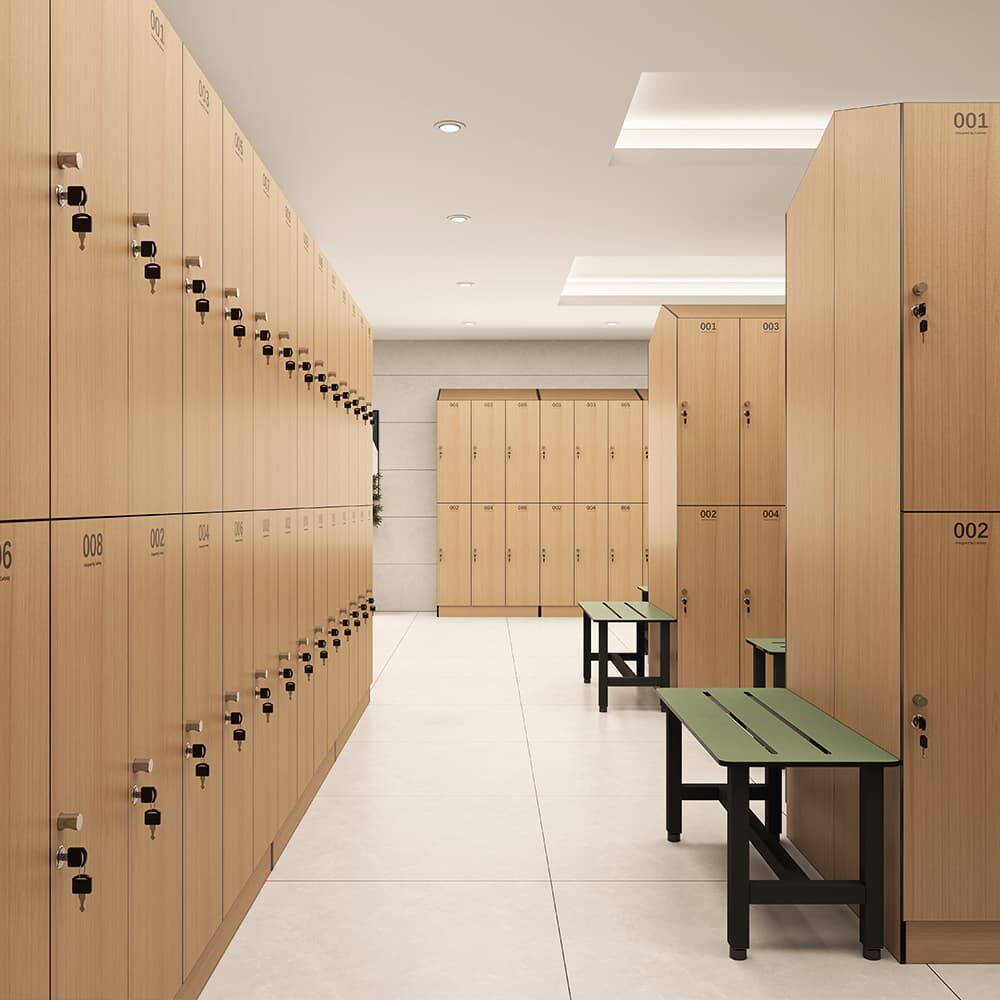
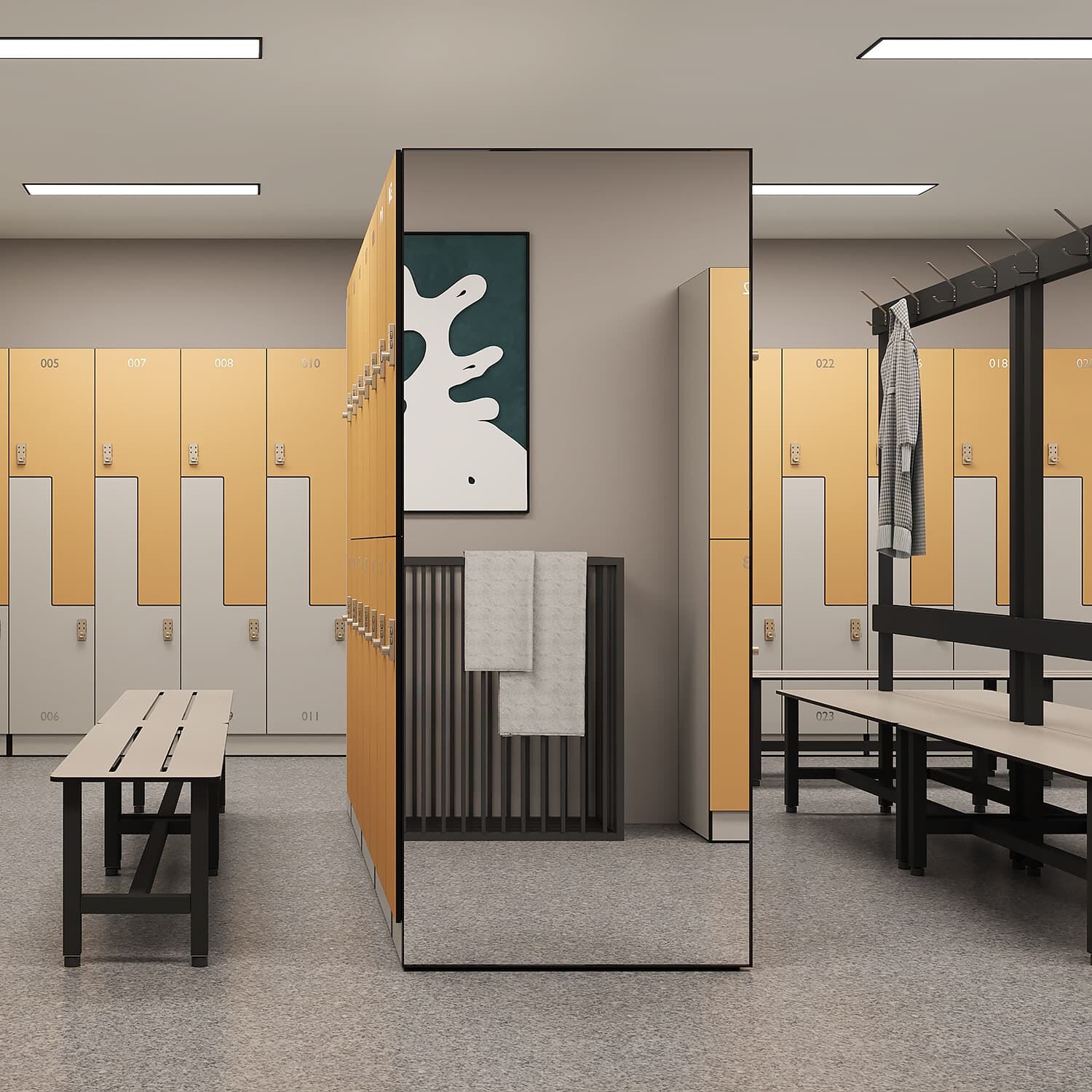
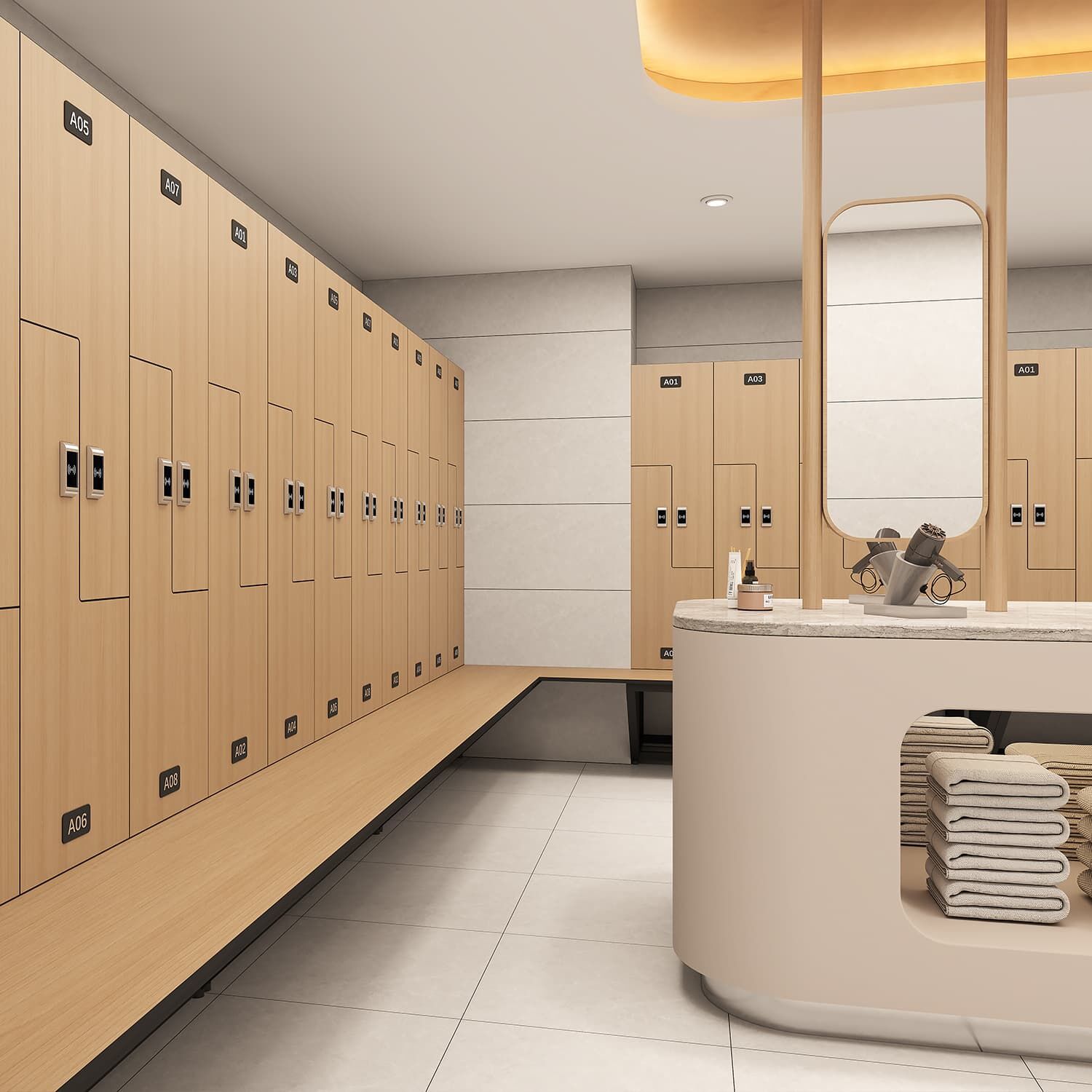
When facility managers invest in durable storage solutions, understanding the maintenance requirements becomes essential to protect that investment and ensure long-term performance. Phenolic lockers have become increasingly popular in commercial, educational, healthcare, and recreational facilities due to their exceptional resistance to moisture, impact, and daily wear. However, many decision-makers wonder about the ongoing care these robust storage units require to maintain their appearance and functionality over years of intensive use. The good news is that phenolic lockers are engineered specifically to minimize maintenance demands while delivering consistent performance in even the most challenging environments.
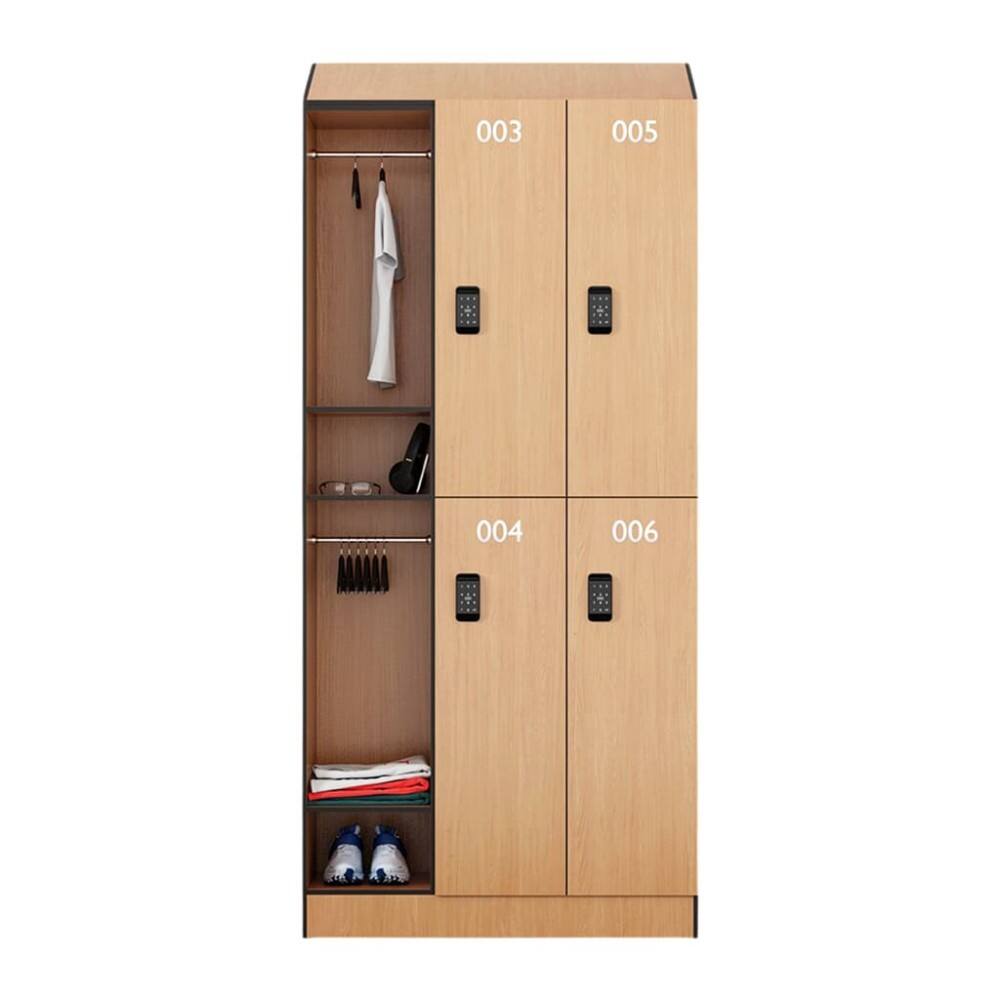
The maintenance profile of phenolic lockers differs significantly from traditional metal or wood alternatives, primarily because the solid phenolic core material resists common deterioration factors that plague other locker types. Regular maintenance for phenolic lockers focuses on preserving aesthetic quality and ensuring hardware functionality rather than protecting against structural degradation. This fundamental difference means facility teams can implement straightforward cleaning protocols and periodic inspections rather than intensive restoration procedures. Understanding what specific maintenance tasks phenolic lockers actually require helps organizations budget appropriately, train staff effectively, and establish realistic expectations for the lifecycle management of these storage systems.
Understanding the Core Maintenance Philosophy for Phenolic Lockers
Why Phenolic Construction Reduces Maintenance Intensity
The composition of phenolic lockers directly influences their maintenance requirements in ways that distinguish them from alternative materials. These lockers are manufactured through a high-pressure lamination process that fuses resin-impregnated kraft paper layers into a solid, homogeneous core material. This construction creates a non-porous surface that resists moisture penetration, bacterial growth, and chemical damage. Unlike metal lockers that rust when protective coatings are scratched or wood lockers that swell and warp with humidity exposure, phenolic lockers maintain structural integrity without requiring protective treatments or refinishing.
The self-supporting nature of phenolic material means maintenance focuses primarily on surface cleanliness rather than structural preservation. The solid color runs throughout the entire thickness of the material, so surface scratches do not expose contrasting substrate colors that compromise appearance. This through-color construction eliminates the need for touch-up painting or coating reapplication that metal and wood lockers require. Facility managers can therefore approach phenolic locker maintenance with a preservation mindset rather than a restoration approach, significantly reducing both labor hours and material costs over the locker lifecycle.
The Relationship Between Installation Quality and Maintenance Needs
Proper installation of phenolic lockers establishes the foundation for minimal ongoing maintenance by ensuring structural stability and correct hardware alignment. When lockers are installed with appropriate floor clearance, adequate ventilation gaps, and properly aligned door mechanisms, the system experiences less mechanical stress during daily operation. This initial precision reduces the frequency of adjustment needs and hardware replacements throughout the service life. Installation that accounts for environmental factors such as floor drainage patterns and air circulation also prevents avoidable maintenance issues related to standing water or inadequate drying conditions.
The hardware specification selected during installation directly impacts maintenance frequency and complexity. Stainless steel hinges, latches, and fasteners appropriate for the facility environment will require less frequent inspection and replacement compared to standard metal hardware that may corrode in humid conditions. When planning regular maintenance for phenolic lockers, facility teams should reference installation documentation to understand hardware specifications and manufacturer recommendations specific to their configuration. This information guides appropriate inspection intervals and helps maintenance personnel identify when component replacement becomes necessary.
Daily and Weekly Surface Maintenance Procedures
Establishing Effective Cleaning Protocols
Routine cleaning represents the most frequent maintenance activity for phenolic lockers and fortunately requires only basic procedures and common cleaning agents. Daily surface wiping with a damp microfiber cloth removes dust, fingerprints, and light soiling that accumulates through normal use. For facilities with high traffic volumes such as fitness centers or schools, this daily attention prevents buildup that could require more aggressive cleaning methods later. The non-porous surface of phenolic lockers does not absorb liquids or harbor bacteria in the material itself, making surface cleaning highly effective at maintaining both appearance and hygiene.
Weekly deep cleaning involves using mild detergent solutions to address more stubborn marks or residues that daily wiping does not remove. A solution of warm water with pH-neutral soap applied with a soft cloth or non-abrasive sponge effectively cleans phenolic surfaces without damaging the material. After applying the cleaning solution, rinsing with clean water and drying with a soft towel prevents water spots and ensures no soap residue remains. Phenolic lockers do not require waxing, polishing, or protective coating application, which simplifies the cleaning protocol and reduces the time custodial staff must dedicate to locker maintenance compared to other materials.
Addressing Specific Soiling Challenges
Certain substances require targeted cleaning approaches beyond standard protocols, though phenolic lockers resist most common contaminants effectively. Adhesive residues from stickers or tape can be removed using isopropyl alcohol applied to a soft cloth, gently rubbing until the adhesive dissolves. Permanent marker or ink stains typically respond to alcohol-based cleaners or specialty graffiti removers designed for plastic and laminate surfaces. When addressing stubborn stains, testing the cleaning product on an inconspicuous area first ensures compatibility with the phenolic surface finish.
For facilities where phenolic lockers may encounter oils, cosmetics, or other organic substances, prompt cleaning prevents staining and maintains appearance. While phenolic material resists absorption, allowing substances to remain on surfaces for extended periods may cause discoloration or require more intensive cleaning efforts. Establishing a protocol where visible spills or marks receive immediate attention, even between scheduled cleaning cycles, preserves the aesthetic quality of phenolic lockers with minimal effort. This preventive approach proves more efficient than periodic intensive cleaning sessions to address accumulated neglect.
Hardware Inspection and Adjustment Requirements
Systematic Hardware Functionality Checks
Although phenolic locker panels require minimal maintenance, the mechanical hardware components demand regular inspection to ensure continued smooth operation and user satisfaction. Monthly checks of hinges, latches, locks, and handles identify wear patterns, alignment issues, or functional problems before they escalate into failures requiring emergency repairs. During these inspections, maintenance personnel should verify that doors open and close smoothly without binding, latches engage securely without excessive force, and locks operate correctly through their full range of motion.
Hinge inspection specifically focuses on fastener tightness and movement quality, as hinges bear the mechanical stress of repeated door operation. Loose screws should be tightened to manufacturer specifications, and any hinges showing signs of excessive wear or movement restriction should be flagged for replacement. The self-closing mechanisms, if installed, require verification that doors close fully and latch properly without user intervention. Adjusting the tension on self-closing hinges maintains proper function and prevents doors from slamming shut or failing to close completely, both of which create user frustration and potential hardware damage.
Lubrication Schedules for Moving Components
Appropriate lubrication of hardware components extends their service life and maintains smooth operation, though phenolic lockers require less frequent lubrication than metal alternatives due to the absence of corrosion factors. Quarterly application of silicone-based lubricant to hinges, latch mechanisms, and lock cylinders prevents friction-related wear and ensures continued ease of operation. Silicone lubricants are preferred over petroleum-based products because they do not attract dust and debris that can accumulate and impede movement over time.
When lubricating hardware on phenolic lockers, applying small amounts directly to moving parts and wiping away excess prevents drips and stains on the locker surfaces. Lock cylinders benefit from specialized graphite-based lubricants that reduce friction without the liquid consistency that might wash away or migrate. Establishing a documented lubrication schedule with completion records helps facility managers ensure consistent maintenance across all locker installations and provides accountability for maintenance staff responsible for these tasks.
Periodic Deep Inspection and Preventive Maintenance
Comprehensive Structural Assessment Protocols
Semi-annual comprehensive inspections of phenolic lockers assess overall condition and identify any developing issues that routine maintenance might overlook. These deeper evaluations examine the structural integrity of panels, the security of wall mounting systems, and the condition of all fasteners and connections. Inspectors should check for any signs of impact damage, though phenolic lockers typically resist denting and puncturing far better than metal alternatives. Any damaged components identified during these assessments should be documented with photographs and prioritized for repair or replacement based on severity.
During structural inspections, particular attention should focus on floor-mounted locker bases and wall-mounted securing systems to ensure installations remain stable and properly aligned. Over time, building settling, floor movement, or user interaction may affect alignment and stability. Verifying that mounting hardware remains tight and that lockers sit level prevents progressive misalignment that could eventually affect door operation or create safety concerns. For phenolic lockers in high-moisture environments such as pool areas or commercial kitchens, these inspections should specifically verify that drainage systems function properly and that no water accumulates beneath or behind locker units.
Ventilation System Maintenance for Optimal Performance
Many phenolic locker configurations include ventilation slots or perforations designed to promote air circulation and prevent odor accumulation. Regular inspection and cleaning of these ventilation features ensures they continue performing their intended function effectively. Dust, lint, and debris can accumulate in ventilation openings over time, restricting airflow and potentially creating conditions for odor development despite the non-absorbent nature of phenolic material itself. Vacuuming ventilation slots with appropriate attachments during quarterly maintenance removes accumulated debris and maintains optimal air circulation.
For phenolic lockers with advanced ventilation systems incorporating louvered doors or specialized airflow designs, maintenance personnel should verify that these features operate as intended and that no blockages have developed. In facilities where lockers are used for storing damp items such as athletic gear or work uniforms, effective ventilation becomes particularly important for user satisfaction and odor control. While phenolic lockers themselves do not absorb moisture or develop mildew, maintaining clear ventilation paths ensures the interior environment remains fresh and prevents moisture-related issues with stored contents.
Long-Term Care Strategies and Lifecycle Management
Developing a Documented Maintenance Schedule
Establishing a written maintenance schedule specific to phenolic lockers creates accountability, ensures consistency, and provides historical documentation valuable for budget planning and lifecycle assessment. This schedule should outline daily, weekly, monthly, quarterly, and annual maintenance tasks with assigned responsibility for each activity. Including completion checkboxes or digital tracking creates an auditable record demonstrating that maintenance obligations have been met consistently. This documentation proves particularly valuable for facilities subject to regulatory inspections or those maintaining service contracts with building occupants.
The maintenance schedule should be customized based on facility-specific factors including traffic volume, user demographics, environmental conditions, and organizational resources. High-traffic facilities may require more frequent cleaning and hardware inspection compared to lower-use installations. Phenolic lockers in coastal environments or indoor pool facilities benefit from more frequent hardware inspections due to the corrosive potential of salt or chlorine exposure on metal components, even though the phenolic panels themselves remain unaffected. Tailoring the maintenance approach to actual conditions optimizes resource allocation and ensures attention focuses where it delivers the greatest preservation value.
Hardware Replacement Planning and Execution
Even with excellent maintenance practices, hardware components will eventually require replacement due to normal wear, and proactive planning minimizes disruption and controls costs. Establishing relationships with hardware suppliers and maintaining an inventory of common replacement parts enables rapid response when components fail. For large phenolic locker installations, stocking hinges, latches, and handles matching the installed specifications allows maintenance teams to complete repairs immediately rather than waiting for parts orders that leave lockers out of service.
When replacing hardware on phenolic lockers, using components with equal or superior quality to original installations maintains system performance and may extend service intervals. Upgrading to corrosion-resistant materials during replacement cycles can reduce future maintenance frequency, particularly in demanding environments. Documenting hardware replacement dates and failure patterns helps facility managers identify whether specific components or installations experience premature wear that might indicate installation issues, user misuse, or environmental factors requiring mitigation strategies beyond routine maintenance.
Addressing User Education as a Maintenance Strategy
Educating facility users about proper locker operation and care represents an often-overlooked maintenance strategy that reduces damage and extends component life. Simple guidance about closing doors gently rather than slamming them, avoiding hanging excessive weight on door edges, and reporting malfunctions promptly prevents user-caused damage that creates unnecessary maintenance work. In educational settings, incorporating locker care into student orientation programs establishes expectations and promotes responsible use patterns.
For workplace facilities with phenolic lockers, including locker care expectations in employee onboarding materials reinforces organizational standards and creates shared responsibility for facility maintenance. Posting simple care instructions near locker installations serves as a constant reminder and helps users understand how their actions impact locker condition. While phenolic lockers withstand abuse far better than alternatives, preventing unnecessary stress and impact through user awareness represents the most cost-effective maintenance strategy available.
FAQ
How often should phenolic lockers be deep cleaned?
Phenolic lockers should receive weekly deep cleaning with mild detergent solution in high-traffic facilities, while monthly deep cleaning suffices for lower-use environments. Daily surface wiping removes routine soiling, but weekly attention with soap and water addresses accumulated residues and maintains optimal appearance. The frequency may increase in environments where lockers encounter heavy soiling or when users store items that may leak or create residue.
Do phenolic lockers require any special treatments or coatings?
Phenolic lockers do not require waxing, sealing, painting, or protective coating application as the solid phenolic core material provides complete protection without surface treatments. The through-color construction and non-porous surface eliminate the need for protective finishes that metal and wood lockers require. This characteristic significantly reduces maintenance time and cost while ensuring consistent appearance throughout the service life without periodic refinishing procedures.
What should I do if phenolic locker hardware begins to malfunction?
When hardware malfunctions occur, promptly inspect the affected component to determine whether adjustment, lubrication, or replacement is required. Tightening loose fasteners and applying appropriate lubricant resolves many common issues without component replacement. If hardware damage or excessive wear is evident, replace the component with equivalent or upgraded parts to restore full functionality. Documenting recurring hardware failures helps identify whether environmental factors or installation issues require broader attention beyond individual repairs.
Can harsh chemicals damage phenolic locker surfaces?
While phenolic lockers resist most common cleaning agents and chemicals, highly concentrated acids, strong alkalis, and abrasive cleaners should be avoided as they may damage the surface finish over time. Bleach solutions at standard disinfection concentrations are safe for occasional use but should be rinsed thoroughly after application. For routine maintenance, pH-neutral detergents provide effective cleaning without any risk of surface damage, making them the preferred choice for regular care of phenolic lockers in all facility types.