Complete Guide to Toilet Cubicle Cost: Materials, Installation, and Long-Term Value Analysis

Get a Free Quote

Our representative will contact you soon.
Email
Name
Message
0/1000

toilet cubicle cost

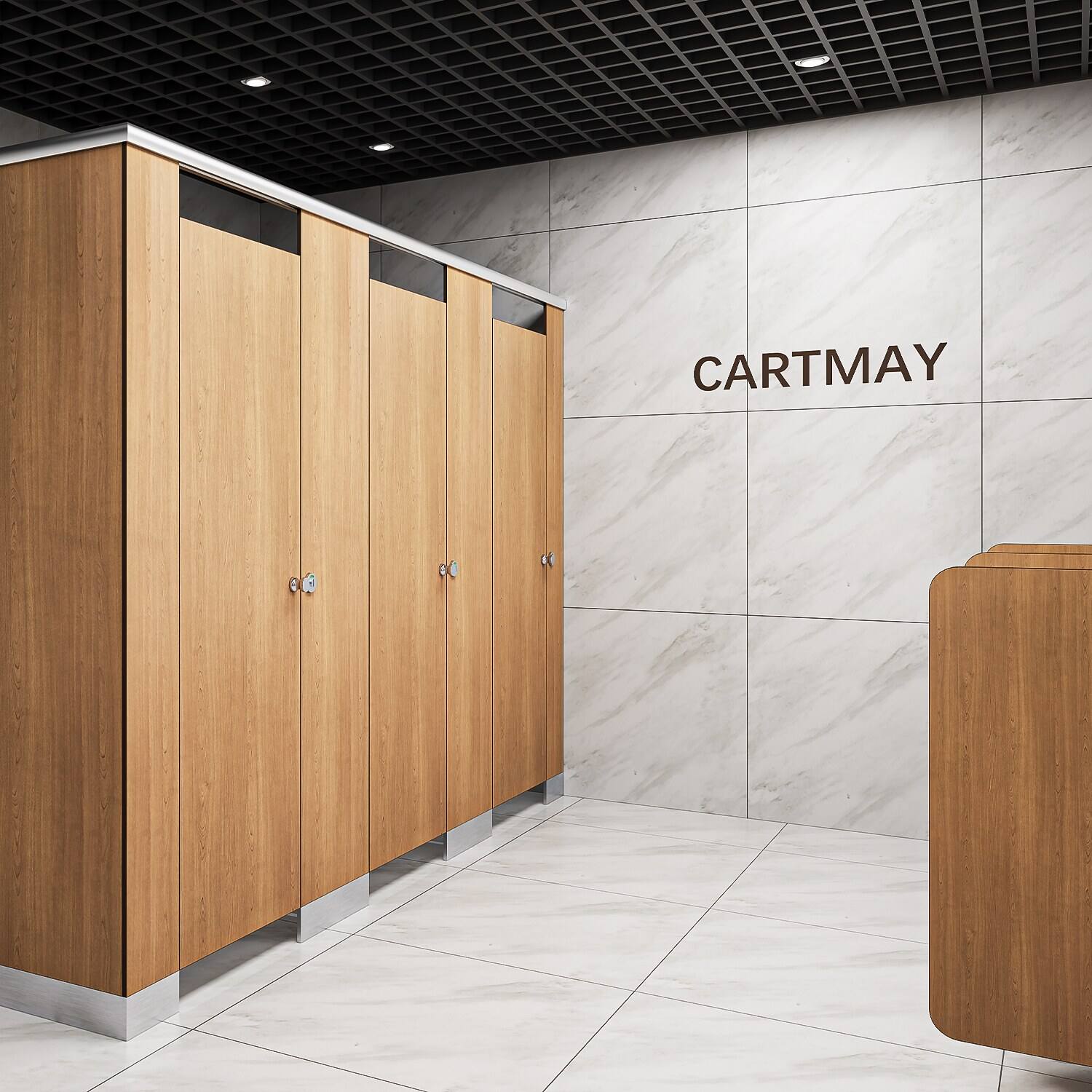
Understanding toilet cubicle cost is essential for businesses, educational institutions, and commercial facilities planning their restroom installations. The toilet cubicle cost encompasses various factors including materials, installation, maintenance, and long-term durability considerations. Modern toilet cubicles serve multiple functions beyond basic privacy, incorporating advanced features that enhance user experience and facility management efficiency. These partitions provide essential privacy and hygiene separation in public and semi-public restrooms while contributing to the overall aesthetic and functionality of the space. The primary functions of toilet cubicles include creating individual private spaces, ensuring proper ventilation, maintaining hygiene standards, and offering durability against heavy usage. Technological features have evolved significantly, with many cubicles now incorporating antimicrobial surfaces, moisture-resistant materials, and innovative locking mechanisms. The toilet cubicle cost varies significantly based on material selection, with options ranging from budget-friendly melamine to premium stainless steel and solid surface materials. Installation complexity also impacts the toilet cubicle cost, as different mounting systems require varying levels of expertise and time investment. Applications span across diverse sectors including corporate offices, shopping centers, schools, hospitals, airports, and recreational facilities. Each application demands specific considerations regarding durability, maintenance requirements, and aesthetic integration. The toilet cubicle cost analysis must factor in lifecycle expenses, including cleaning protocols, replacement schedules, and potential repairs. Modern cubicles often feature quick-release hardware for easy maintenance access, reducing long-term operational expenses. Vandal-resistant designs are particularly important in high-traffic environments, where the initial toilet cubicle cost investment pays dividends through reduced replacement frequency. Environmental considerations increasingly influence material selection, with sustainable options becoming more prevalent despite potentially higher upfront toilet cubicle cost. The return on investment becomes apparent through reduced maintenance requirements, enhanced user satisfaction, and improved facility reputation.

New Product Releases

The advantages of carefully considering toilet cubicle cost extend far beyond initial budget planning, offering substantial benefits that impact both immediate operations and long-term facility management. Smart toilet cubicle cost analysis enables facility managers to select solutions that maximize value while meeting specific operational requirements. Cost-effective planning allows organizations to allocate resources efficiently, ensuring quality installations without exceeding budget constraints. The toilet cubicle cost comparison process reveals significant differences in material performance, helping decision-makers choose options that deliver optimal durability and aesthetic appeal. Well-planned investments in quality cubicles reduce frequent replacement needs, making the initial toilet cubicle cost more economical over time. Modern cubicle systems offer enhanced hygiene features that reduce cleaning time and labor costs, creating operational savings that offset higher upfront expenses. The toilet cubicle cost evaluation process encourages consideration of innovative materials that resist bacteria, moisture, and wear, contributing to healthier restroom environments. Proper cost analysis identifies solutions with superior hardware systems that minimize maintenance interventions and extend operational lifecycles. Organizations benefit from understanding toilet cubicle cost variations between different mounting systems, allowing selection of options that match existing infrastructure capabilities. The comprehensive approach to toilet cubicle cost assessment reveals opportunities for bulk purchasing advantages and installation efficiencies. Quality cubicle systems enhance user experience through improved privacy, better functionality, and attractive designs that reflect positively on the facility. Strategic toilet cubicle cost planning enables phased installations that spread expenses across multiple budget cycles while maintaining consistent quality standards. Professional installation coordination reduces project timelines and minimizes disruption to ongoing operations. The toilet cubicle cost transparency helps organizations make informed decisions that align with sustainability goals and corporate responsibility initiatives. Investing in appropriate cubicle solutions creates positive impressions on visitors, employees, and customers, contributing to overall facility reputation. The long-term advantages of thoughtful toilet cubicle cost planning include reduced liability risks, improved compliance with accessibility regulations, and enhanced facility value that supports organizational objectives and user satisfaction.

Practical Tips

How does bathroom stall privacy affect user comfort?

27

Apr

How does bathroom stall privacy affect user comfort?

Privacy within restroom facilities has evolved into a critical factor that significantly influences user experience and satisfaction in commercial, educational, and public environments. The design and configuration of bathroom stall systems directly ...
View More
Which factors matter when selecting wooden lockers?

27

Apr

Which factors matter when selecting wooden lockers?

Selecting the right wooden lockers for your facility requires careful evaluation of multiple interconnected factors that directly impact functionality, durability, and long-term value. Whether you're outfitting a gymnasium, workplace, or educational ...
View More
How do phenolic lockers perform in high humidity areas?

15

May

How do phenolic lockers perform in high humidity areas?

High humidity environments present significant challenges for storage solutions in commercial, educational, and recreational facilities. When moisture levels consistently exceed 60-70%, traditional locker materials such as painted steel, laminated wo...
View More
How does installation affect phenolic lockers performance?

04

May

How does installation affect phenolic lockers performance?

When facilities managers and procurement teams invest in phenolic lockers, they typically focus on material quality, panel thickness, and warranty coverage. What often receives far less attention is the installation process itself — and that ov...
View More

Get a Free Quote

Our representative will contact you soon.
Email
Name
Message
0/1000

toilet cubicle cost

Material Selection Impact on Long-Term Value

Material Selection Impact on Long-Term Value

The relationship between toilet cubicle cost and material selection represents one of the most critical decisions in restroom facility planning, directly influencing both immediate expenses and long-term operational efficiency. Understanding how different materials affect toilet cubicle cost helps organizations make strategic investments that deliver superior performance and durability. Premium materials such as solid surface composites and stainless steel command higher initial toilet cubicle cost but provide exceptional resistance to moisture, chemicals, and physical damage, resulting in significantly lower replacement and maintenance expenses over time. These materials offer seamless surfaces that prevent bacterial growth and simplify cleaning protocols, reducing labor costs and improving hygiene standards. The toilet cubicle cost for high-pressure laminate options provides an excellent middle-ground solution, offering enhanced durability and aesthetic flexibility at moderate price points. These materials resist scratches, impacts, and graffiti while maintaining color consistency and structural integrity throughout extended use periods. Phenolic core materials represent another category where toilet cubicle cost reflects superior performance characteristics, including exceptional moisture resistance and dimensional stability that prevents warping and deterioration in high-humidity environments. The investment in quality materials translates to reduced lifecycle costs through extended replacement intervals and minimal maintenance requirements. Organizations that carefully evaluate toilet cubicle cost in relation to material performance often discover that premium options provide better value propositions than budget alternatives. The durability advantages of quality materials become particularly apparent in high-traffic environments where frequent use accelerates wear patterns. Advanced material technologies incorporated into modern cubicle systems justify higher toilet cubicle cost through features like antimicrobial properties, enhanced scratch resistance, and superior chemical tolerance. The selection process should consider not only immediate toilet cubicle cost but also factors such as warranty coverage, manufacturer support, and availability of replacement components. Quality materials maintain their appearance and functionality longer, preserving the professional image of facilities and supporting positive user experiences that reflect organizational commitment to excellence and attention to detail.
Installation Efficiency and Project Management Benefits

Installation Efficiency and Project Management Benefits

The installation component of toilet cubicle cost encompasses numerous factors that significantly impact project success, timeline adherence, and overall satisfaction with the final result. Professional installation coordination minimizes toilet cubicle cost overruns while ensuring compliance with building codes, accessibility requirements, and manufacturer specifications. Experienced installation teams possess the expertise to handle complex measurements, structural considerations, and integration challenges that can affect project budgets and completion schedules. The toilet cubicle cost for professional installation includes proper site preparation, accurate measurements, and coordination with other trades to prevent conflicts and delays. Modern cubicle systems feature innovative mounting mechanisms that reduce installation time and complexity, helping control toilet cubicle cost while improving final quality and durability. Ceiling-hung systems, for instance, eliminate floor contact and simplify cleaning protocols, justifying their inclusion in toilet cubicle cost calculations through long-term operational benefits. The installation process affects toilet cubicle cost through factors such as site accessibility, existing infrastructure conditions, and coordination requirements with plumbing and electrical work. Professional installers provide valuable guidance on optimizing layouts to maximize functionality while minimizing material waste and unnecessary expenses. The toilet cubicle cost consideration for installation includes post-installation support, warranty service, and potential adjustments that ensure optimal performance and user satisfaction. Quality installation practices prevent common problems such as gaps, misalignments, and hardware failures that can lead to premature replacement needs and increased lifecycle costs. The comprehensive approach to toilet cubicle cost management includes detailed project planning that addresses potential challenges before they impact budgets or timelines. Professional installation teams maintain relationships with material suppliers and manufacturers, enabling access to technical support and replacement components when needed. The investment in quality installation practices protects the overall toilet cubicle cost investment by ensuring optimal performance, extended lifespan, and minimal post-installation issues. Organizations benefit from installation teams that understand the relationship between proper techniques and long-term performance, delivering results that justify the toilet cubicle cost investment through superior functionality and durability.
Maintenance and Lifecycle Cost Optimization

Maintenance and Lifecycle Cost Optimization

The maintenance component of toilet cubicle cost extends far beyond initial installation expenses, encompassing ongoing operational considerations that significantly impact total ownership costs and facility management efficiency. Understanding the relationship between maintenance requirements and toilet cubicle cost enables organizations to make informed decisions that optimize long-term value and operational effectiveness. Modern cubicle systems incorporate design features that minimize maintenance demands, reducing labor costs and extending replacement intervals that improve the overall toilet cubicle cost equation. Quick-release hardware systems allow maintenance staff to access components efficiently, reducing service time and associated labor expenses while maintaining optimal functionality. The toilet cubicle cost analysis should include evaluation of cleaning protocols, replacement part availability, and manufacturer support services that affect ongoing operational expenses. Advanced surface treatments and materials resist staining, scratching, and bacterial growth, reducing cleaning frequency and chemical requirements that contribute to operational savings. The toilet cubicle cost consideration for maintenance includes training requirements for facility staff, ensuring proper care techniques that preserve appearance and functionality throughout the expected lifecycle. Preventive maintenance programs help identify potential issues before they require expensive repairs or premature replacements, protecting the toilet cubicle cost investment through proactive management. Quality cubicle systems feature standardized components and hardware that simplify maintenance procedures while ensuring consistent availability of replacement parts. The toilet cubicle cost evaluation should consider warranty coverage, manufacturer support programs, and local service availability that affect maintenance efficiency and expenses. Modern materials and finishes resist common causes of deterioration, including moisture damage, chemical exposure, and physical wear, extending operational lifecycles and improving return on investment. The comprehensive approach to toilet cubicle cost management includes documentation of maintenance schedules, replacement intervals, and performance metrics that support informed decision-making for future installations. Organizations benefit from understanding how different material choices and design features affect maintenance requirements, enabling selection of solutions that align with operational capabilities and budget constraints. The long-term perspective on toilet cubicle cost reveals how initial investments in quality systems and professional installation create ongoing advantages through reduced maintenance demands, extended lifecycles, and consistent performance that supports organizational objectives and user satisfaction expectations.
onlineONLINE