מחיר ארונות ארגזים לסלון כושר
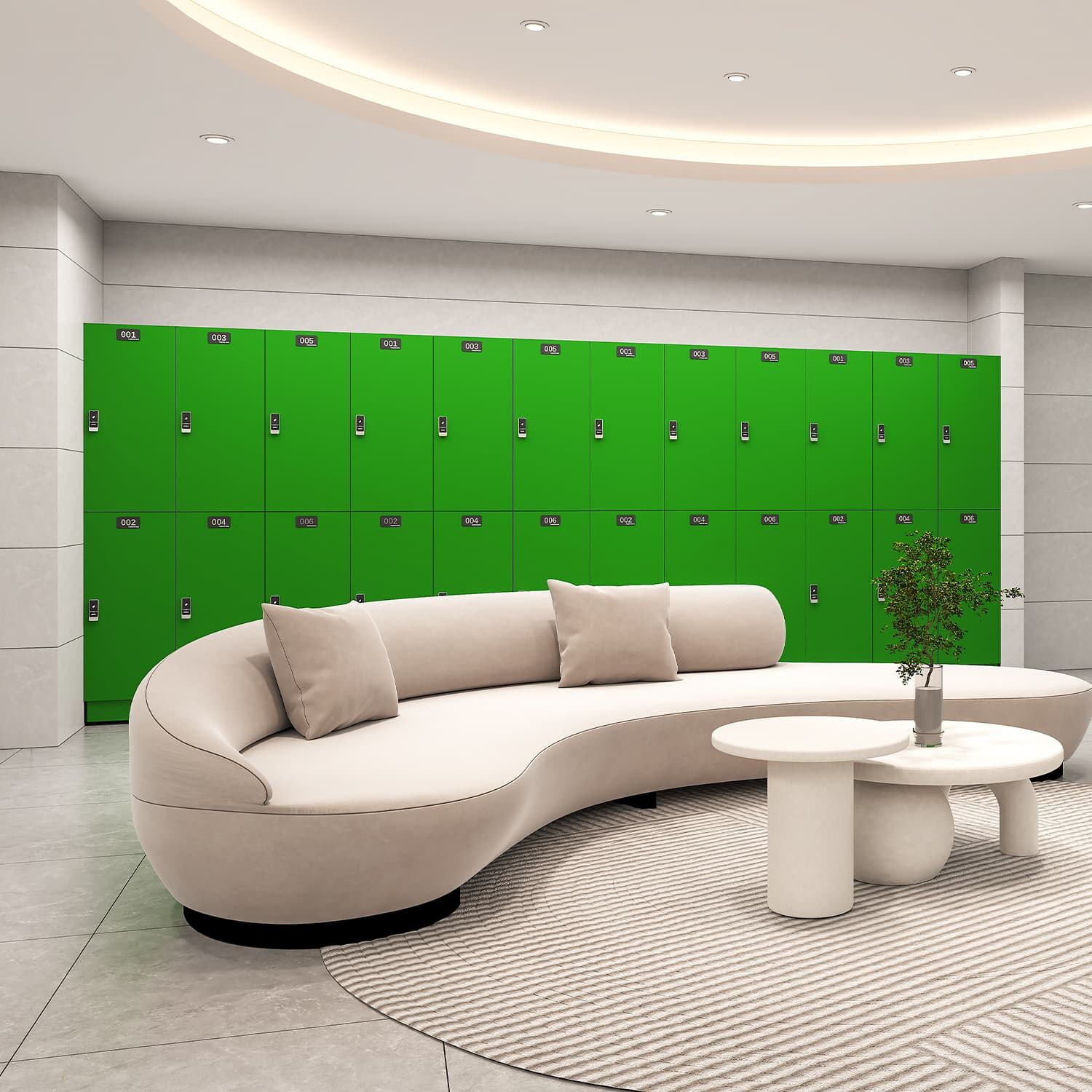
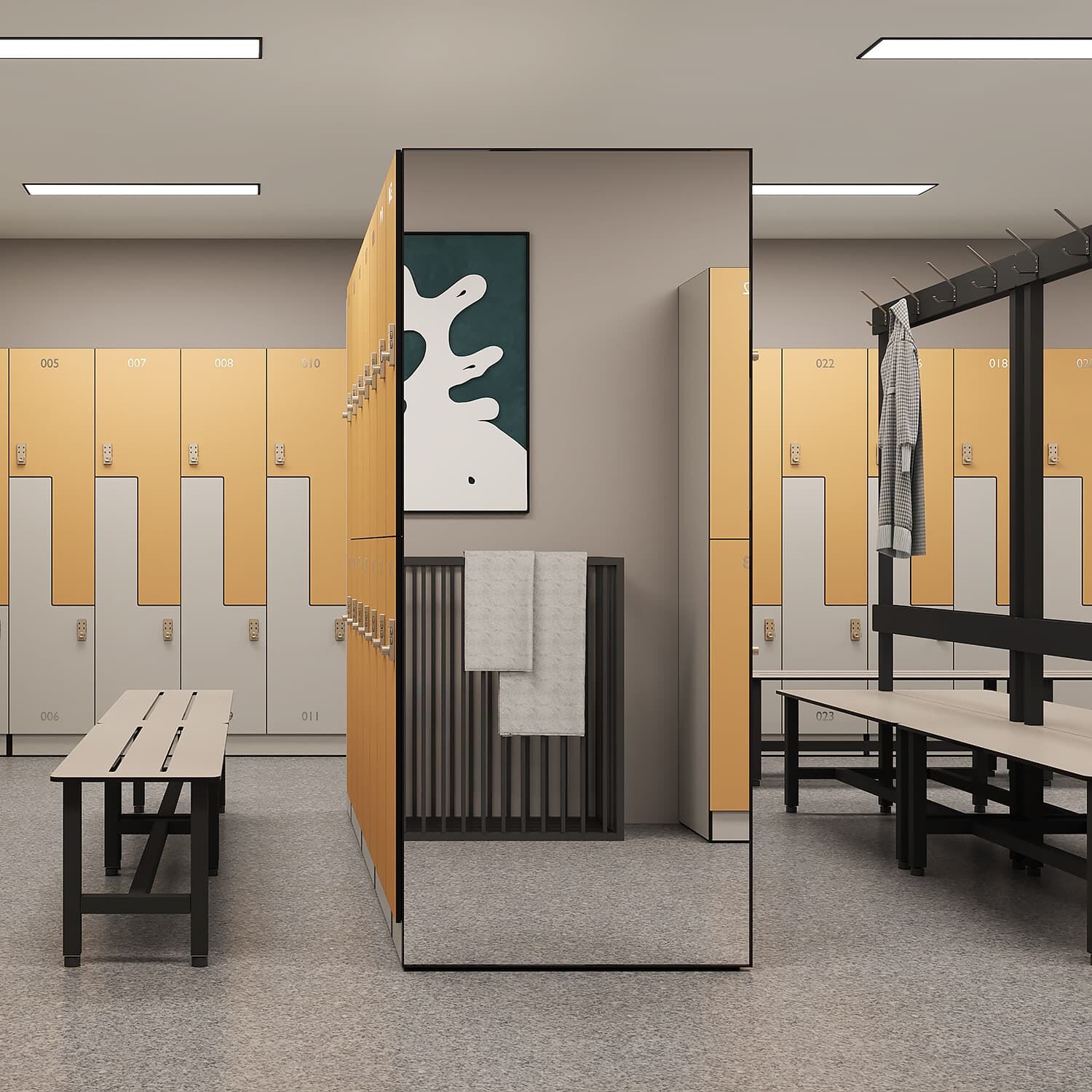
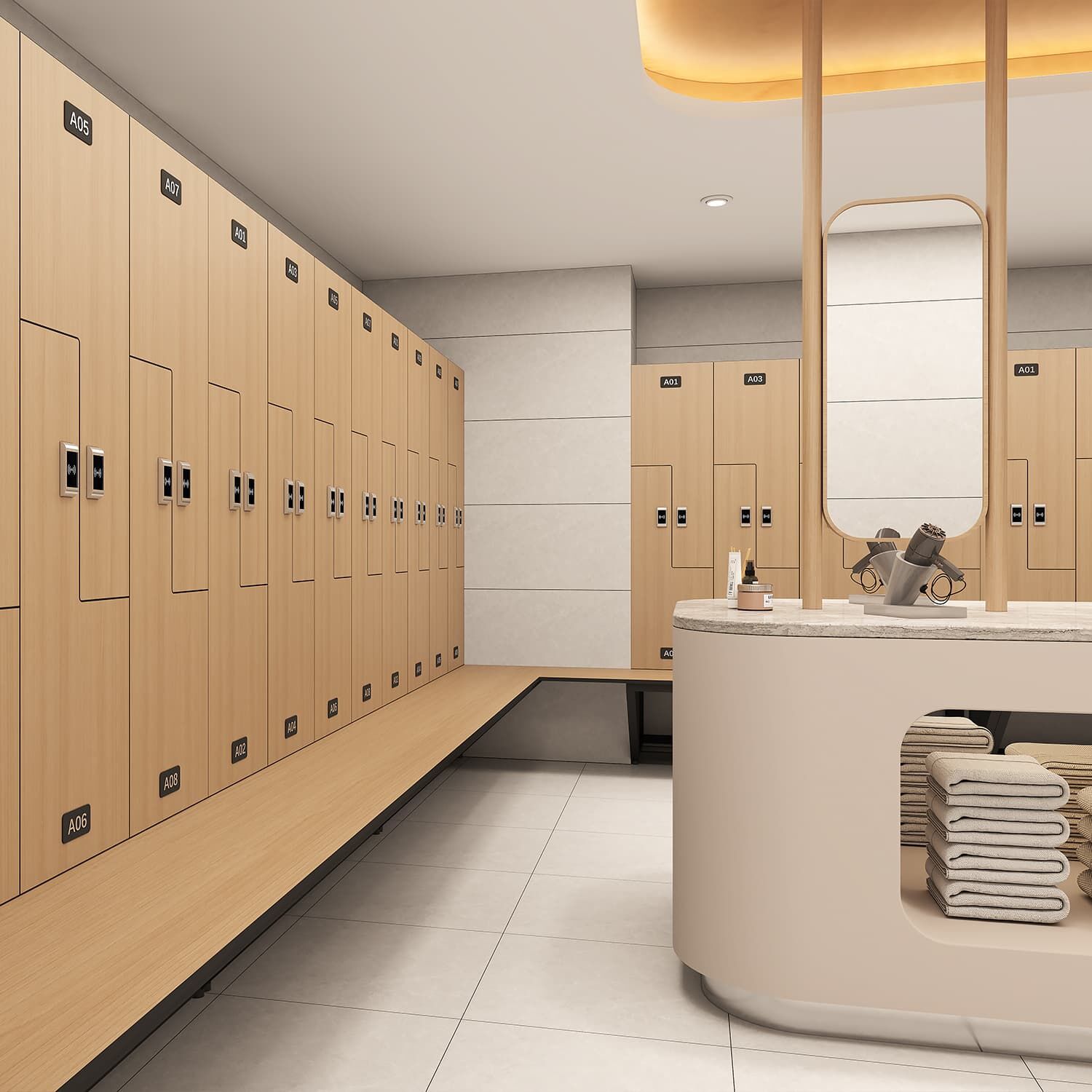
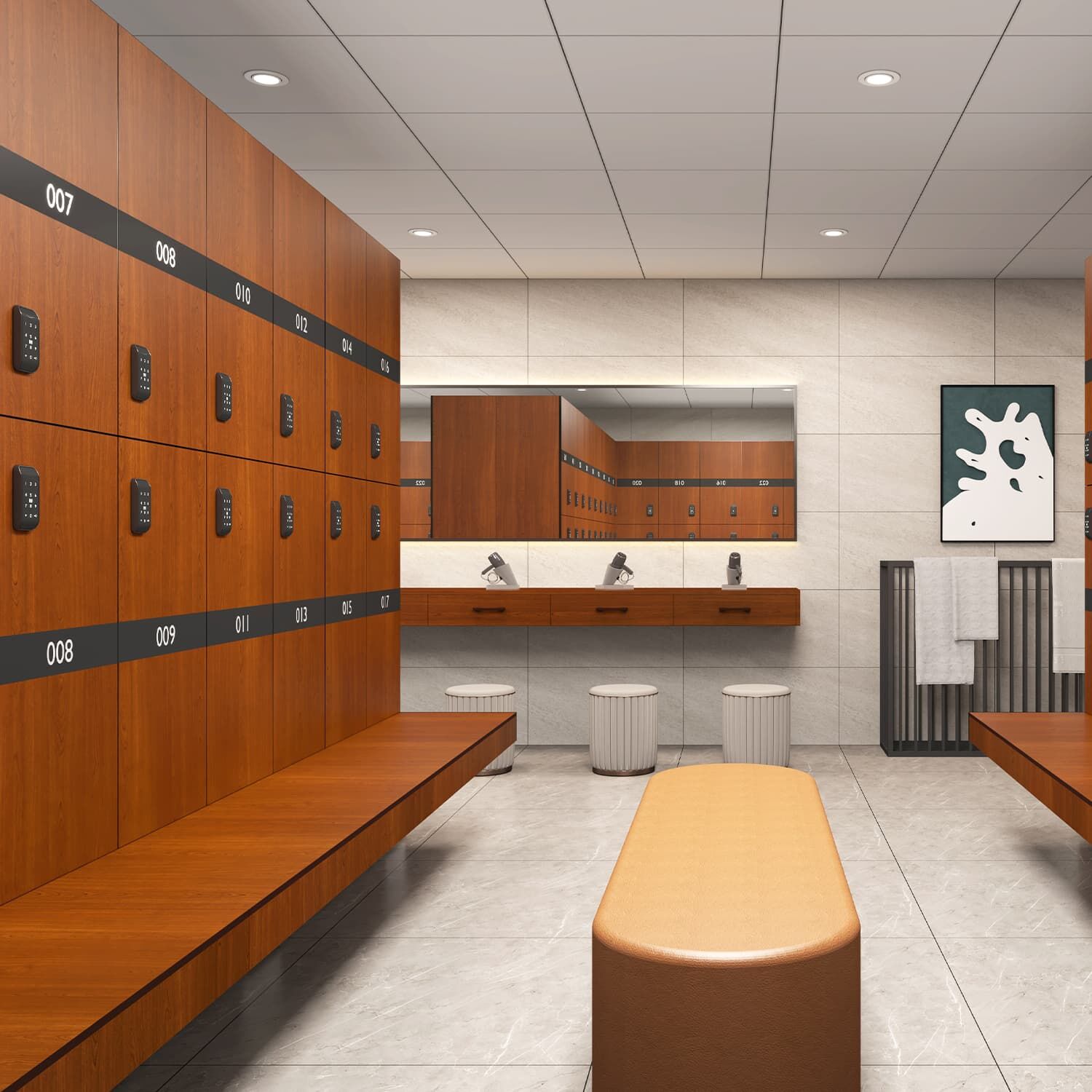
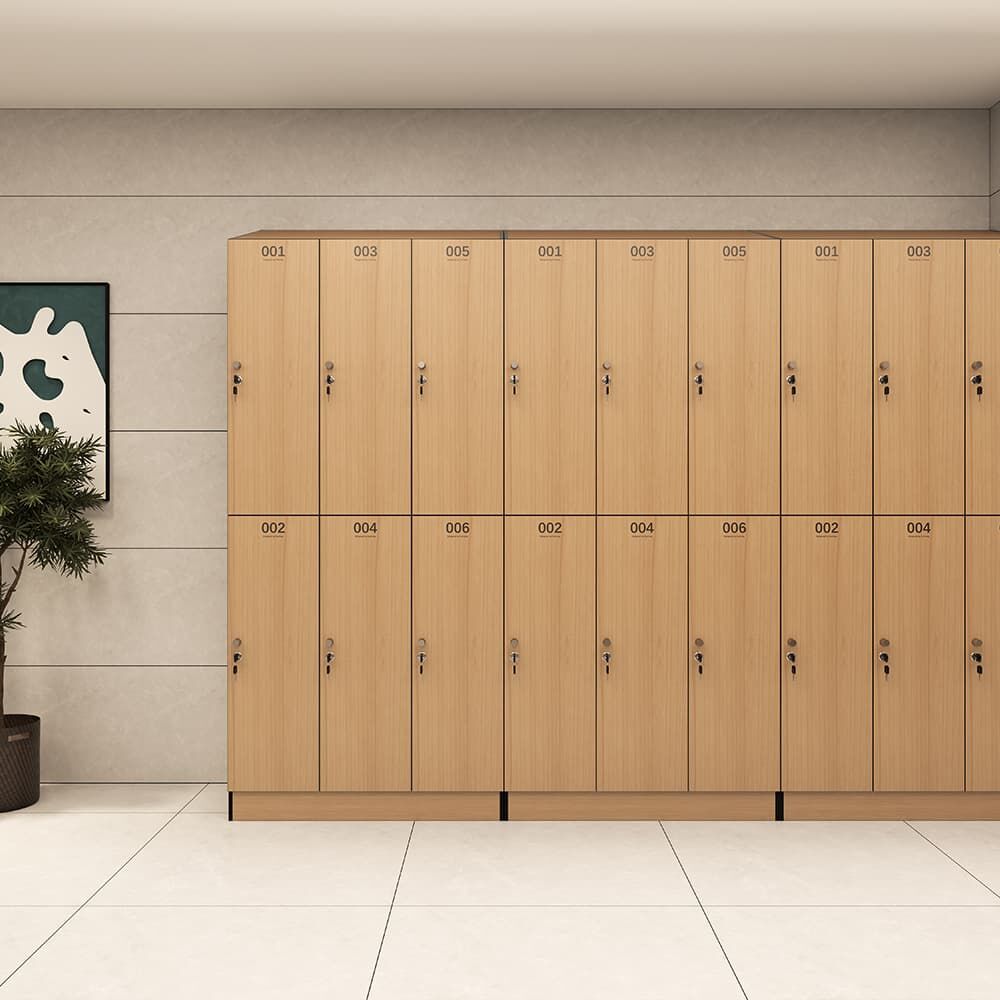
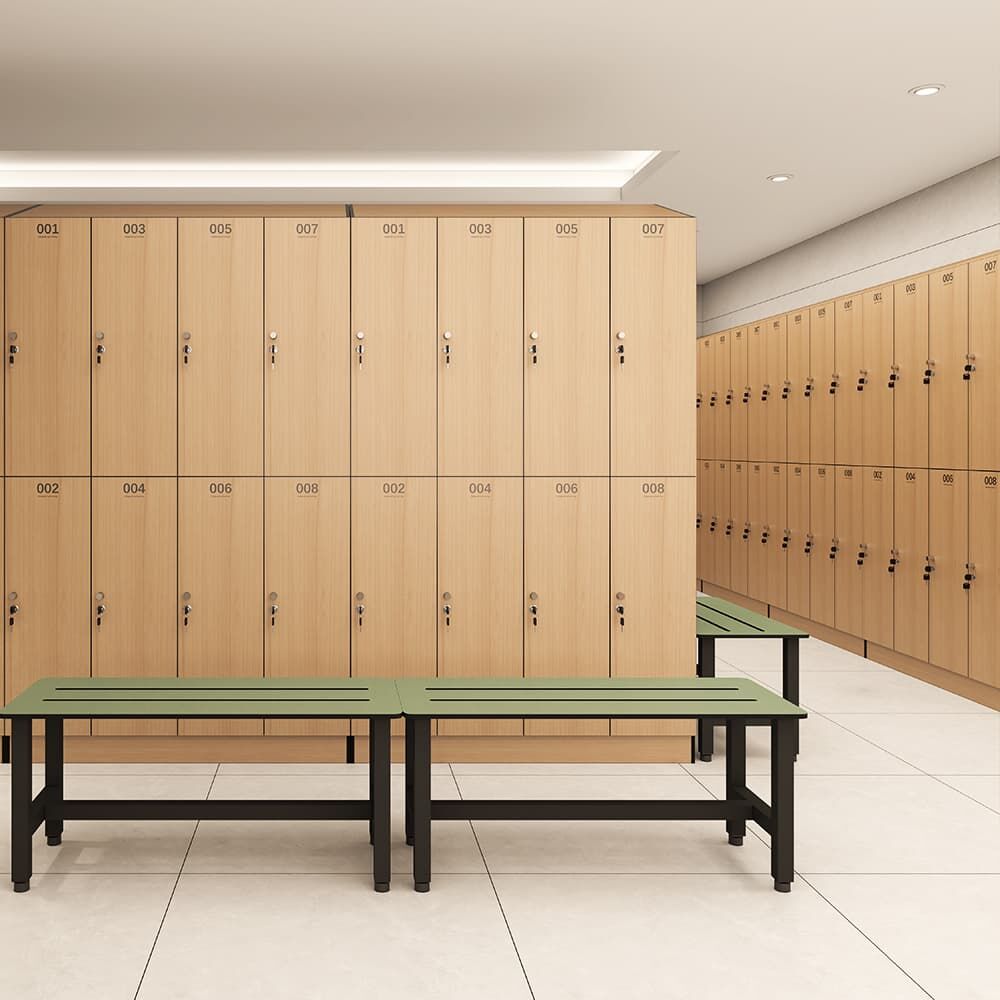
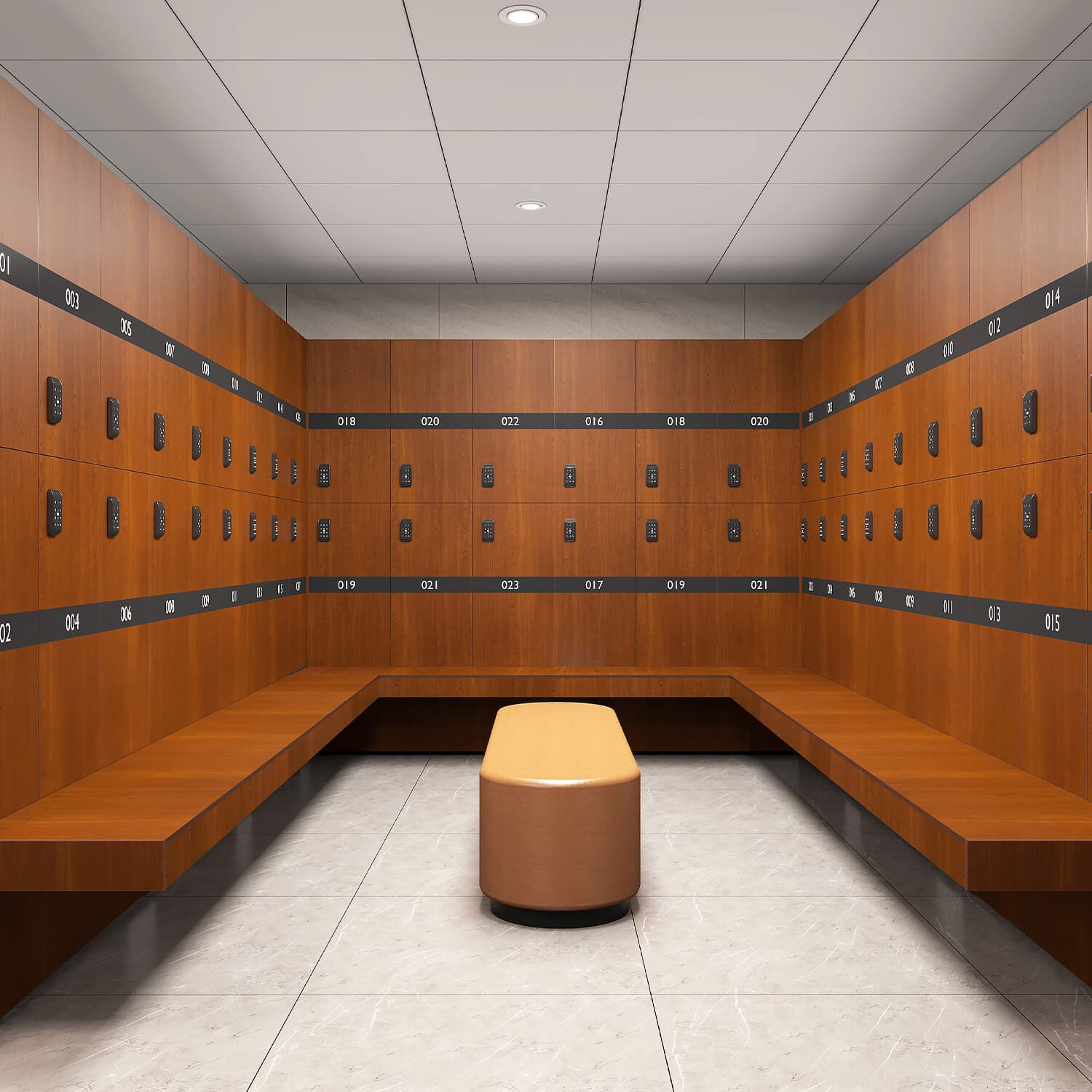
הבנת מחיר ארונות האחסון לصالות כושר דורשת בחינה של גורמים מגוונים המשפיעים על עלות פתרונות אחסון חיוניים אלו במרחבי הכושר. ארונות האחסון המודרניים לصالות כושר משמשים כיחידות אחסון מאובטחות שנועדו להגן על רכוש אישי בזמן שהמשתמשים עוסקים בפעילות גופנית. מחיר ארונות האחסון לصالות כושר נע בדרך כלל מחלופות זולות יחסית שמתחילות ב-150 דולר אמריקאי ועד דגמים פרמיומים שעולים על 800 דולר אמריקאי, בהתאם לחומרי הגלם שבהם עוצבו, לתכונות האבטחה שלהם ולשילוב טכנולוגי. ארונות האחסון הסטנדרטיים לصالות כושר נבנו מפלדה חזקה עם סגסוגות מעובדות בדיפוס אבקה שמתנגדות לקורוזיה ומשמרות את מראן גם תחת שימוש כבד. הפונקציות העיקריות שלהן הן לאפשר אחסון מאובטח לבגדים, לערכים, להתקנים אלקטרוניים ולפריטים אישיים במהלך ישיבות האימונים. נקודות המחירים המתקדמות של ארונות האחסון לصالות כושר משקפות לעיתים קרובות מנגנוני נעילה מתוחכמים כגון מקלדות דיגיטליות, קוראי כרטיסי RFID או סורקי ביומטריה שמביאים לסיום השימוש במפתחות מסורתיים או בשילובים. תכונות טכנולוגיות אלו משפרות את הנוחות של המשתמשים ובאותה עת מקטינות את העומס המנהלי על מנהלי המתקנים. ארונות האחסון החכמים לصالות כושר מחוברים למערכות ניהול המתקנים, מה שמאפשר מעקב בזמן אמת על דפוסי השימוש ודרישות התיקון. היישומים שלהם מרחיבים את גבולות מרכזי הכושר המסורתיים וכוללים גם מתקני בריאות תאגידיים, מוסדות חינוך, מרכזי בידור ומתחמי ספורט. מערכות ונטילציה המשולבות בדגמים הפרמיומים מונעות הצטברות ריחות ולחות, ומכאן מגינות על הפריטים המאוחסנים מפני נזק. תצורות מרובות רמות מקסימות את יעילות השטח תוך התאמה לצרכים השונים של האחסון – החל מפריטים אישיים קטנים ועד ציוד ספורט גדול. מבנה המחירים של ארונות האחסון לصالות כושר משקף גם אפשרויות התאמה אישית, כולל וריאציות בגודל, סכמות צבעים והזדמנויות למסחריות שמתאימות לאסתטיקה של המתקן. התחשבות בהתקנה משפיעה על העלויות הכוללות, כאשר חלק מהדמגים דורשים התקנה מקצועית וחיבורים חשמליים לתכונות מופעלות. דרישות התיקון משתנות באופן משמעותי בין טווחי המחירים השונים, כאשר היחידות המתקדמות יותר כוללות לעיתים קרובות יכולות אבחון עצמי ופונקציות מעקב מרחוק שמקטינות את ההוצאות הפעולות ארוכות הטווח, ומבטאות במקביל ביצועים עקביים ושביעות רצון של המשתמשים.
 EN
EN


 באינטרנט