EN
EN


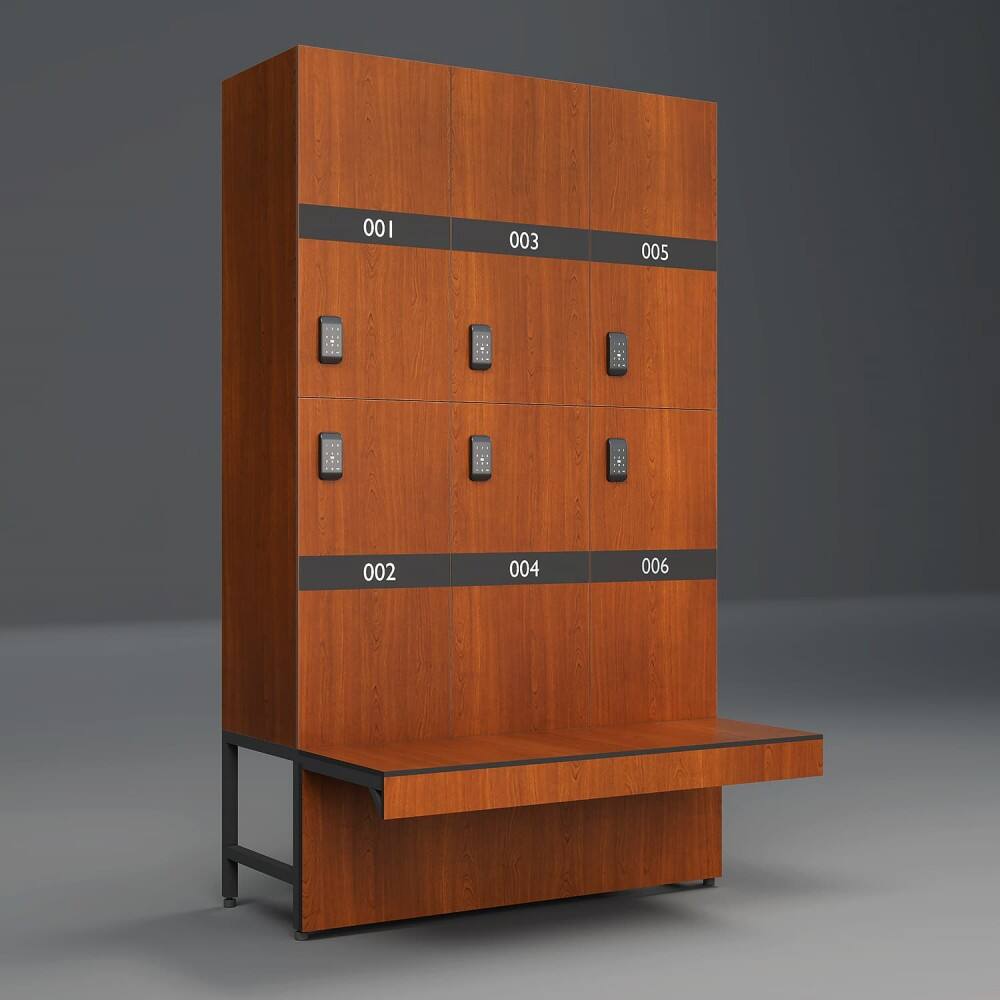
এর কার্যকারিতা নির্ধারক গুণাবলী বোঝা এইচপিএল লকার স্থায়ী ও নির্ভরযোগ্য সঞ্চয় সমাধান খোঁজার জন্য সুবিধা ব্যবস্থাপক এবং স্থপতিদের জন্য অত্যন্ত গুরুত্বপূর্ণ। উচ্চ-চাপ ল্যামিনেট প্রযুক্তি আর্দ্রতা, আঘাত এবং দৈনিক ক্ষয়-ক্ষতির প্রতি অসাধারণ প্রতিরোধ ক্ষমতা প্রদান করে, কিন্তু সর্বোত্তম কার্যকারিতা কয়েকটি পরস্পরসম্পর্কিত পরিবর্তনশীল উপাদানের উপর নির্ভর করে যা সরাসরি কার্যকারিতা এবং দীর্ঘস্থায়িত্বকে প্রভাবিত করে।
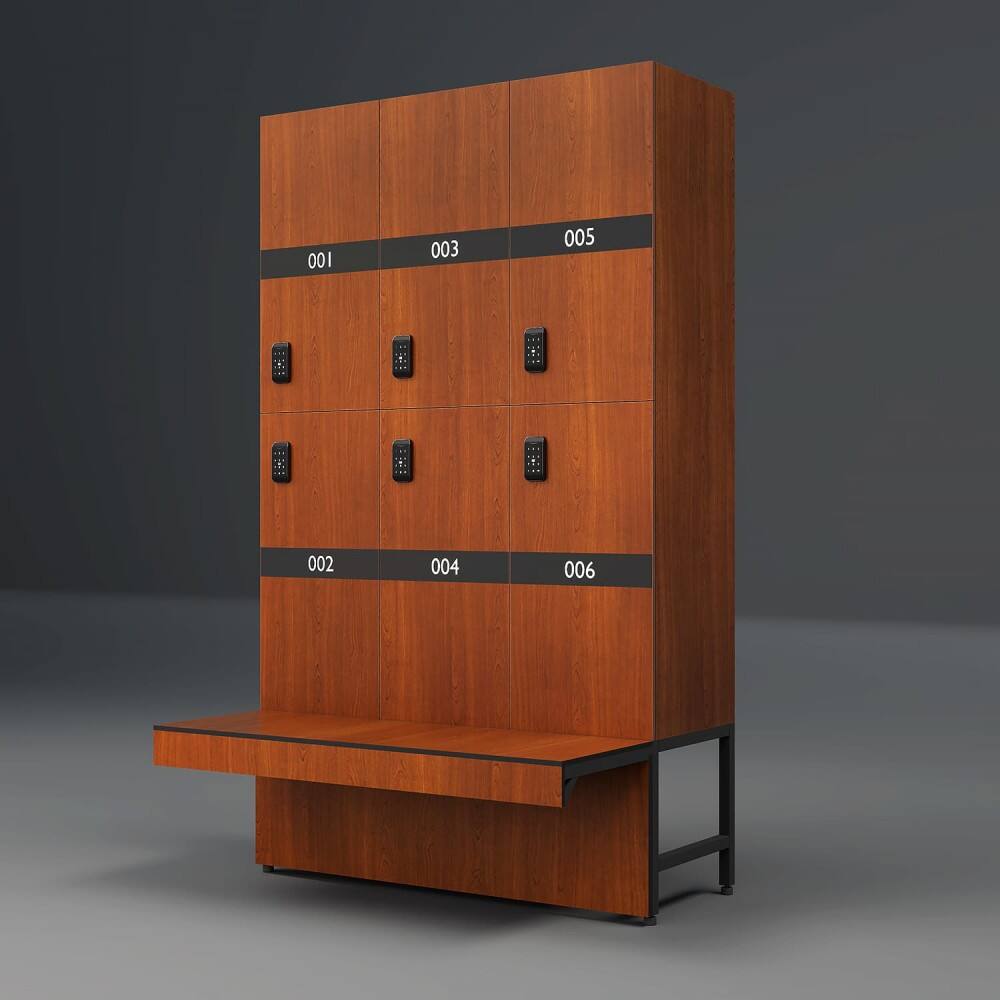
এইচপিএল লকারগুলির কার্যকারিতা বৈশিষ্ট্যগুলি উপাদান গঠন, উৎপাদনের নির্ভুলতা, পরিবেশগত অবস্থা এবং ইনস্টলেশনের মান—এই বিভিন্ন উপাদান থেকে উদ্ভূত হয়। এই উপাদানগুলি একত্রে কাজ করে নির্ধারণ করে যে লকারগুলি ভারী ব্যবহার, পরিবেশগত চাপ এবং চাহিদাপূর্ণ বাণিজ্যিক পরিবেশে সময়ের সাথে সাথে তাদের গঠনগত অখণ্ডতা কতটা ভালোভাবে বজায় রাখতে পারে।
উপকরণের গুণমান এবং উৎপাদন মান
এইচপিএল কোর গঠনের প্রভাব
প্রিসিশন মেশিনিংয়ের ভিত্তি: এইচপিএল লকার কার্যকারিতা উচ্চ-চাপে ল্যামিনেট কোর নির্মাণের মধ্যে নিহিত। প্রিমিয়াম HPL উপকরণগুলি ফেনলিক রেজিনে আর্দ্রীভূত ক্রাফ্ট কাগজের একাধিক স্তর ব্যবহার করে, যা অত্যন্ত উচ্চ চাপ ও তাপমাত্রায় চাপানো হয়। এই উৎপাদন প্রক্রিয়াটি একটি ঘন, সমসত্ত্ব কোর তৈরি করে যা আর্দ্রতা শোষণ, মাত্রিক অস্থিতিশীলতা এবং চাপের অধীনে কাঠামোগত দুর্বলতা প্রতিরোধ করে।
কাঁচামালের গুণগত মান কার্যকারিতার ফলাফলকে উল্লেখযোগ্যভাবে প্রভাবিত করে। উচ্চ-মানের ক্রাফ্ট কাগজ এবং উন্নত রেজিন সংমিশ্রণ HPL লকারগুলির যান্ত্রিক বৈশিষ্ট্য উন্নত করে, যার ফলে এগুলি আঘাতজনিত ক্ষতি এবং প্রান্ত ফুলে যাওয়ার প্রতিরোধ ক্ষমতা বৃদ্ধি পায়। যেসব উৎপাদন সুবিধায় কঠোর মান নিয়ন্ত্রণ প্রোটোকল বজায় রাখা হয়, সেগুলি আরও সুসঙ্গত ল্যামিনেট পুরুত্ব এবং ঘনত্ব উৎপাদন করে, যা সরাসরি দীর্ঘমেয়াদী কার্যকারিতা উন্নতির সাথে সম্পর্কিত।
পৃষ্ঠের সমাপ্তির গুণগত মান দৈনিক কার্যকারিতাও প্রভাবিত করে। সঠিকভাবে উৎপাদিত এইচপিএল লকারগুলিতে চিকন, অপরিবাহী পৃষ্ঠ থাকে যা ব্যাকটেরিয়ার বৃদ্ধিকে প্রতিরোধ করে এবং সহজে পরিষ্কার করা যায়। উৎপাদন প্রক্রিয়ার সময় অ্যান্টিব্যাকটেরিয়াল যোগকগুলির একীভূতকরণ স্বাস্থ্যসেবা ও ফিটনেস পরিবেশে সংক্রমণজনিত জীবাণু নিয়ন্ত্রণের ক্ষেত্রে স্বাস্থ্য সংক্রান্ত কার্যকারিতা আরও উন্নত করতে পারে, যেখানে প্যাথোজেন নিয়ন্ত্রণ অত্যন্ত গুরুত্বপূর্ণ।
হার্ডওয়্যার একীকরণ ও নির্ভুলতা
এইচপিএল লকারগুলির কার্যকারিতা উপর হার্ডওয়্যার সামঞ্জস্যতা এবং মাউন্টিং নির্ভুলতা উল্লেখযোগ্যভাবে প্রভাব ফেলে। উচ্চ-মানের হিন্জ, ল্যাচিং মেকানিজম এবং মাউন্টিং সিস্টেমগুলি অবশ্যই উচ্চ-চাপ ল্যামিনেটের উপাদান বৈশিষ্ট্যগুলির সাথে সামঞ্জস্য রেখে বিশেষভাবে প্রকৌশলীকৃত হতে হবে। অসামঞ্জস্যপূর্ণ হার্ডওয়্যার চাপ কেন্দ্রীভূত বিন্দু তৈরি করতে পারে যা প্রাথমিক ব্যর্থতা বা কার্যকারিতা সংক্রান্ত সমস্যার কারণ হতে পারে।
হার্ডওয়্যারের মাউন্টিং হোলগুলির নির্ভুলতা দরজার সমান্তরালতা, বন্ধ হওয়ার মসৃণতা এবং দীর্ঘমেয়াদী যান্ত্রিক বিশ্বস্ততাকে প্রভাবিত করে। উন্নত সিএনসি মেশিনিং সুসংগত হোল অবস্থান এবং উপযুক্ত টলারেন্স নিশ্চিত করে, যা বাইন্ডিং বা বিসংলগ্নতা সমস্যা রোধ করে—এই সমস্যাগুলি ব্যবহারকারীর অভিজ্ঞতাকে ক্ষতিগ্রস্ত করতে পারে এবং চলমান উপাদানগুলিতে ক্ষয় প্রক্রিয়াকে ত্বরান্বিত করতে পারে।
ক্ষয়-প্রতিরোধী হার্ডওয়্যার উপাদানগুলি বিশেষভাবে আর্দ্র পরিবেশে গুরুত্বপূর্ণ হয়ে ওঠে, যেখানে এইচপিএল লকার সাধারণত ইনস্টল করা হয়। স্টেইনলেস স্টিল বা বিশেষভাবে কোটেড হার্ডওয়্যার গ্যালভানিক করোশন রোধ করে এবং চ্যালেঞ্জিং পরিবেশগত অবস্থার অধীনেও মসৃণ অপারেশন বজায় রাখে।
পরিবেশগত অবস্থা এবং ব্যবহারের প্যাটার্ন
আর্দ্রতা এবং আর্দ্রতা ব্যবস্থাপনা
পরিবেশগত আর্দ্রতার মাত্রা এইচপিএল লকারগুলির কার্যকারিতা বৈশিষ্ট্যকে সরাসরি প্রভাবিত করে, যদিও এগুলি স্বতঃস্ফূর্তভাবে আর্দ্রতা প্রতিরোধী। ঐতিহ্যগত উপাদানগুলির তুলনায় এইচপিএল উপাদানগুলি আর্দ্র অবস্থায় উৎকৃষ্ট কার্যকারিতা প্রদর্শন করলেও, চরম আর্দ্রতা পরিবর্তনগুলি দীর্ঘ সময় ধরে মাত্রাগত স্থিতিশীলতা এবং হার্ডওয়্যারের কার্যকারিতাকে প্রভাবিত করতে পারে।
সুইমিং পুল, সাউনা বা গ্রীষ্মমন্ডলীয় জলবায়ুর মতো উচ্চ আর্দ্রতার পরিবেশে সর্বোত্তম কর্মক্ষমতা বজায় রাখার জন্য সঠিক বায়ুচলাচল ব্যবস্থা অত্যন্ত গুরুত্বপূর্ণ হয়ে ওঠে। পর্যাপ্ত বায়ু সঞ্চালন লকারের প্রকোষ্ঠের ভিতরে আর্দ্রতা জমা হওয়া প্রতিরোধ করে এবং ঘনীভবন-জনিত সমস্যার ঝুঁকি কমায়, যা সংরক্ষিত জিনিসপত্র বা হার্ডওয়্যারের উপাদানগুলিকে প্রভাবিত করতে পারে।
আর্দ্রতার সংস্পর্শে আসার ঘনত্ব ও তীব্রতাও গুরুত্বপূর্ণ। ধ্রুব মাঝারি আর্দ্রতাযুক্ত সুবিধাগুলিতে HPL লকারগুলি সাধারণত দ্রুত আর্দ্রতা পরিবর্তন বা সরাসরি জলের সংস্পর্শের শিকার হওয়া লকারগুলির তুলনায় ভালো কার্যকারিতা প্রদর্শন করে। এই পরিবেশগত বিষয়গুলি বুঝতে পারলে কার্যকারিতা প্রত্যাশা এবং রক্ষণাবেক্ষণের প্রয়োজনীয়তা পূর্বাভাস দেওয়া সম্ভব হয়।
তাপমাত্রা পরিবর্তনের প্রভাব
তাপমাত্রার পরিবর্তন HPL লকারগুলির তাপীয় প্রসারণ ও সংকোচনের বৈশিষ্ট্যকে প্রভাবিত করে, যা দরজার ফিটিং, হার্ডওয়্যারের সঠিক অবস্থান এবং জয়েন্টের অখণ্ডতাকে প্রভাবিত করে। যদিও HPL উপকরণগুলি চমৎকার তাপীয় স্থিতিশীলতা প্রদর্শন করে, তবুও উল্লেখযোগ্য তাপমাত্রা পরিবর্তন সময়ের সাথে সাথে জমা হওয়া যান্ত্রিক চাপ সৃষ্টি করতে পারে।
চরম তাপমাত্রা পরিবর্তনের সুযোগ-সুবিধা, যেমন বহিরঙ্গন ইনস্টলেশন বা অস্থির জলবায়ু নিয়ন্ত্রণ সম্পন্ন স্থানগুলিতে, ডিজাইন ও ইনস্টলেশনের সময় তাপীয় প্রসারণ গুণাঙ্কের বিষয়ে সতর্ক বিবেচনা প্রয়োজন। তাপীয় গতির জন্য উপযুক্ত অনুমতি প্রদান করলে ফাঁস হওয়া, বিকৃত হওয়া বা যোগস্থল বিচ্ছিন্ন হওয়া রোধ করা যায়, যা কার্যকারিতাকে ক্ষতিগ্রস্ত করতে পারে।
এইচপিএল লকারগুলির তাপীয় ভর এদের তাপমাত্রা পরিবর্তনের প্রতি প্রতিক্রিয়াকেও প্রভাবিত করে। মোটা ল্যামিনেট নির্মাণ ভালো তাপীয় স্থিতিশীলতা প্রদান করে, কিন্তু পরিবেশগত অবস্থার দ্রুত পরিবর্তনের সময় এদের সমন্বয়ের জন্য দীর্ঘতর সময় প্রয়োজন হতে পারে।
ইনস্টলেশনের মান এবং কাঠামোগত সমর্থন
ভিত্তি ও মাউন্টিং নির্ভুলতা
ইনস্টলেশনের গুণগত মান সরাসরি নির্ধারণ করে যে কীভাবে এইচপিএল লকার কার্যকরী লোড এবং পরিবেশগত চাপের অধীনে কাজ করবে। উপযুক্ত ভিত্তি প্রস্তুতি সমান ওজন বণ্টন নিশ্চিত করে এবং ডোর সাইডিং ও হার্ডওয়্যার ফাংশনকে সময়ের সাথে প্রভাবিত করতে পারে এমন ভূমি অবসাদন বা সরণ রোধ করে।
বহু-স্তরীয় ইনস্টলেশনের ক্ষেত্রে মাউন্টিংয়ের নির্ভুলতা অত্যন্ত গুরুত্বপূর্ণ হয়ে ওঠে, যেখানে সঞ্চিত সহনশীলতা গুলি উল্লেখযোগ্য সমান্তরাল সমস্যা সৃষ্টি করতে পারে। পেশাদার ইনস্টলেশন দলগুলি প্রতিটি লকার ইউনিট যাতে পাশের ইউনিটগুলির সাথে সঠিকভাবে সমান্তরাল হয় এবং ধ্রুব ফাঁক ও পরিষ্কার দূরত্ব বজায় রাখে, তা নিশ্চিত করার জন্য লেজার লেভেল এবং নির্ভুল পরিমাপ যন্ত্রপাতি ব্যবহার করে।
গঠনগত আঁকড়ানোর পদ্ধতিগুলি অবশ্যই HPL লকারগুলির ব্যবহার প্যাটার্নের সাথে সম্পর্কিত নির্দিষ্ট লোড এবং চাপগুলিকে সামলাতে সক্ষম হতে হবে। ভারী-দায়িত্ব সম্পন্ন আঁকড়ানোর সিস্টেমগুলি বলগুলিকে কার্যকরভাবে বণ্টন করে এবং সাধারণ অপারেশনের সময় সংযোগগুলি ঢিলে হওয়া বা শব্দ সৃষ্টি করা থেকে সরানোর জন্য চলন বা কম্পন প্রতিরোধ করে।
সিলিং এবং আবহাওয়া সুরক্ষা
সঠিক সিলিং ইনস্টলেশন জয়েন্ট এবং সংযোগস্থলে আর্দ্রতা প্রবেশ রোধ করে HPL লকারগুলির কার্যকারিতা ও সমগ্রতা রক্ষা করে। উচ্চ-মানের আবহাওয়া-প্রতিরোধী স্ট্রিপ এবং গ্যাস্কেট উপকরণগুলি প্রত্যাশিত সেবা আয়ু জুড়ে তাদের নমনীয়তা এবং সিলিং কার্যকারিতা বজায় রাখে।
এইচপিএল প্যানেলগুলি যেখানে মিলিত হয় বা যেখানে হার্ডওয়্যার ল্যামিনেট পৃষ্ঠকে ভেদ করে, সেখানে প্রান্ত সিলিং বিশেষভাবে গুরুত্বপূর্ণ হয়ে ওঠে। পেশাদার-মানের সিল্যান্টগুলি আর্দ্রতা শোষণ এবং প্রান্তের ফুলে যাওয়া রোধ করে, যা কাঠামোগত অখণ্ডতা ক্ষুণ্ণ করতে পারে বা কার্যকরী সমস্যা সৃষ্টি করতে পারে।
ইনস্টলেশনের সময় ড্রেনেজ বৈশিষ্ট্যগুলির একীভূতকরণ সিস্টেমের ভিতরে যেকোনো আর্দ্রতা প্রবেশের পরিচালনা করতে সাহায্য করে, যাতে জমা হওয়া রোধ করা যায়—যা বন্ধ লকার কম্পার্টমেন্টে কার্যকারিতা হ্রাস বা স্বাস্থ্য সংক্রান্ত সমস্যা ঘটাতে পারে।
ব্যবহারের তীব্রতা এবং রক্ষণাবেক্ষণ প্রোটোকল
লোড ক্ষমতা এবং পীড়ন বণ্টন
বিভিন্ন লোড অবস্থার অধীনে এইচপিএল লকারগুলির কার্যকারিতা প্রধানত সঠিক চাপ বণ্টন এবং ডিজাইন লোড সীমা মেনে চলার উপর নির্ভর করে। যদিও এইচপিএল উপকরণগুলি ওজনের তুলনায় চমৎকার শক্তি প্রদান করে, সুপারিশকৃত লোড ক্ষমতা অতিক্রম করলে চাপ কেন্দ্রীভূত হতে পারে, যা ক্ষয়কে ত্বরান্বিত করে এবং সম্ভাব্য কাঠামোগত ব্যর্থতার কারণ হতে পারে।
ব্যবহারকারীদের আচরণের ধরনগুলি কার্যকারিতা ফলাফলকে উল্লেখযোগ্যভাবে প্রভাবিত করে। একাধিক শিফটে ভারী ব্যবহার বা উচ্চ-চক্রের জনসংখ্যা দ্বারা ব্যবহৃত সুবিধাগুলির হার্ডওয়্যার উপাদান এবং পৃষ্ঠ সমাপ্তির ক্ষয় ত্বরান্বিত হতে পারে। প্রত্যাশিত ব্যবহারের তীব্রতা বোঝা উপযুক্ত রক্ষণাবেক্ষণ পরিকল্পনা এবং প্রতিস্থাপন সময়সীমা নির্ধারণে সহায়তা করে।
HPL নির্মাণের পুরুত্ব এবং গুণগত মানের উপর নির্ভর করে আঘাত প্রতিরোধের ক্ষমতা পরিবর্তিত হয়। সাধারণত পুরু ল্যামিনেটগুলি আঘাত প্রতিরোধের ক্ষমতা বেশি প্রদান করে, কিন্তু উপযুক্ত পরিচালনা অনুশীলন সম্পর্কে ব্যবহারকারীদের সঠিক শিক্ষা দেওয়া হলে উপাদানের পুরুত্ব নির্বিশেষে সেবা জীবন উল্লেখযোগ্যভাবে বৃদ্ধি পেতে পারে।
পরিষ্কার করা এবং রাসায়নিক প্রতিরোধের ক্ষমতা
HPL লকারগুলির রাসায়নিক প্রতিরোধের বৈশিষ্ট্য তাদের বিভিন্ন পরিষ্কার প্রোটোকল এবং কীটাণুমুক্তকরণের প্রয়োজনীয়তার সাথে সামঞ্জস্য নির্ধারণ করে। HPL পৃষ্ঠগুলি সাধারণত অধিকাংশ সাধারণ পরিষ্কার রাসায়নিকের বিরুদ্ধে প্রতিরোধ করে, কিন্তু আক্রমণাত্মক বা অসামঞ্জস্যপূর্ণ পরিষ্কার কারকগুলি সময়ের সাথে সাথে পৃষ্ঠের ক্ষয় বা রং পরিবর্তন ঘটাতে পারে।
উপযুক্ত পরিষ্কারকরণ প্রোটোকল প্রতিষ্ঠা করা, যা স্বাস্থ্যসম্মত প্রয়োজনীয়তা এবং উপাদান সংরক্ষণের মধ্যে ভারসাম্য বজায় রাখে, অপটিমাল চেহারা এবং কার্যকারিতা বজায় রাখতে সহায়তা করে। হালকা ও সামঞ্জস্যপূর্ণ ডিটারজেন্ট দিয়ে নিয়মিত পরিষ্কার করলে দূষণকারী পদার্থের জমাট রোধ করা যায়, যা স্বাস্থ্যসম্মত সমস্যা বা পৃষ্ঠের দাগ তৈরি করতে পারে।
গভীর পরিষ্কার ও ক্ষুদ্রাণুমুক্তকরণ প্রক্রিয়ার ফ্রিকোয়েন্সি দীর্ঘমেয়াদী কার্যকারিতাকে প্রভাবিত করে, বিশেষ করে স্বাস্থ্যসেবা পরিবেশে, যেখানে শক্তিশালী অ্যান্টিমাইক্রোবিয়াল চিকিৎসা প্রয়োজন হতে পারে। এইচপিএল (HPL) পৃষ্ঠের জন্য বিশেষভাবে তৈরি করা পরিষ্কারক পণ্য নির্বাচন করা সামঞ্জস্যতা নিশ্চিত করে এবং উপাদানের অখণ্ডতা বজায় রাখে।
ডিজাইন কনফিগারেশন এবং ভেন্টিলেশন সিস্টেম
বায়ুপ্রবাহ এবং আর্দ্রতা ব্যবস্থাপনা
উচ্চ পারফরম্যান্স লকারগুলির জন্য উপযুক্ত ভেন্টিলেশন ডিজাইন কম্পার্টমেন্টের ভিতরে আর্দ্রতা জমা হওয়া এবং বায়ু সঞ্চালন নিয়ন্ত্রণ করে, যা এদের কার্যকারিতাকে উল্লেখযোগ্যভাবে প্রভাবিত করে। ভেন্টিলেশন খোলাগুলির কৌশলগত অবস্থান প্রাকৃতিক বায়ু প্রবাহকে উৎসাহিত করে, যা স্থির অবস্থা প্রতিরোধ করে এবং দুর্গন্ধ বা আর্দ্রতা-সম্পর্কিত সমস্যার ঝুঁকি কমায়।
ভেন্টিলেশন বৈশিষ্ট্যগুলির আকার এবং অবস্থান বায়ু প্রবাহের কার্যকারিতা, নিরাপত্তা প্রয়োজনীয়তা এবং গঠনগত অখণ্ডতা—এই তিনটি বিষয়ের মধ্যে ভারসাম্য বজায় রাখতে হবে। বড় ভেন্টিলেশন এলাকা বায়ু সঞ্চালন উন্নত করে, কিন্তু এটি গোপনীয়তা বা নিরাপত্তা হ্রাস করতে পারে; ফলে প্রতিটি প্রয়োগের জন্য সাবধানে ডিজাইন বিবেচনা করা আবশ্যক।
যেসব চ্যালেঞ্জিং পরিবেশে প্রাকৃতিক বায়ু প্রবাহ অপর্যাপ্ত, সেখানে সক্রিয় ভেন্টিলেশন সিস্টেমগুলি কার্যকারিতা উন্নত করতে পারে। যান্ত্রিক ভেন্টিলেশন অভ্যন্তরীণ পরিবেশকে সুস্থির রাখতে সহায়তা করে এবং সুবিধার HVAC সিস্টেমের সাথে একীভূত করে অপ্টিমাল পরিবেশগত নিয়ন্ত্রণ প্রদান করা যায়।
দরজার ডিজাইন এবং কার্যকারিতা
দরজার কনফিগারেশন স্ট্রেস বণ্টন, হার্ডওয়্যারের ক্ষয় প্যাটার্ন এবং ব্যবহারকারীর ইন্টারঅ্যাকশনের মানের উপর প্রভাব ফেলে এইভাবে HPL লকারগুলির কার্যকারিতা এবং দীর্ঘস্থায়িত্বকে প্রভাবিত করে। পূর্ণ-উচ্চতার দরজাগুলি সর্বোচ্চ অ্যাক্সেস প্রদান করে, কিন্তু মাল্টি-প্যানেল ডিজাইনের তুলনায় এগুলি ভিন্ন ধরনের স্ট্রেস প্যাটার্ন তৈরি করে।
দরজা শক্তিকরণ উপাদানগুলির একীকরণ অপারেশনাল স্ট্রেস বণ্টন করতে এবং স্থানীয় ক্ষয় বা বিকৃতি প্রতিরোধ করতে সাহায্য করে। শক্তিকরণ উপাদানগুলির কৌশলগত স্থাপন কাঠামোগত অখণ্ডতা বজায় রাখে যখন HPL পৃষ্ঠের সৌন্দর্যময় চেহারা অক্ষুণ্ণ থাকে।
হ্যান্ডেল এবং ল্যাচিং সিস্টেমের ডিজাইন ব্যবহারকারীর অভিজ্ঞতা এবং যান্ত্রিক বিশ্বস্ততাকে প্রভাবিত করে। অপারেশনাল বলের প্রয়োজনীয়তা কমানোর জন্য মানব-কেন্দ্রিক বিবেচনাগুলি হার্ডওয়্যারের আয়ু বাড়াতে এবং ব্যবহারকারীর সন্তুষ্টি উন্নত করতে সাহায্য করে, যখন নিরাপত্তা কার্যকারিতা অক্ষুণ্ণ থাকে।
প্রায়শই জিজ্ঞাসিত প্রশ্নাবলী
আর্দ্রতা HPL লকারের কার্যকারিতাকে সময়ের সাথে কীভাবে প্রভাবিত করে?
আর্দ্রতা মূলত মাত্রিক স্থিতিশীলতা এবং হার্ডওয়্যারের কার্যকারিতা প্রভাবিত করে HPL লকারগুলিকে। কাঠ বা ধাতু বিকল্পগুলির তুলনায় HPL উপকরণগুলি আর্দ্রতা শোষণের প্রতি কম সংবেদনশীল, তবে অত্যধিক আর্দ্রতা হালকা প্রসারণ ঘটাতে পারে যা দরজার ফিটিং এবং হার্ডওয়্যারের সঠিক অবস্থানকে প্রভাবিত করে। উপযুক্ত ভেন্টিলেশন এবং জলবায়ু নিয়ন্ত্রণ দ্বারা আর্দ্রতা জমা হওয়া রোধ করা এবং মাত্রিক পরিবর্তন কমানো হয়, যা অপটিমাল কার্যকারিতা বজায় রাখে।
দীর্ঘমেয়াদী টেকসইতাকে সবচেয়ে বেশি প্রভাবিত করে এমন ইনস্টলেশন ফ্যাক্টরগুলি কী কী?
HPL লকারগুলির টেকসইতার জন্য ফাউন্ডেশনের সমতলতা এবং গঠনমূলক আবদ্ধকরণ হল সবচেয়ে গুরুত্বপূর্ণ ইনস্টলেশন ফ্যাক্টর। অসম ফাউন্ডেশন চাপের কেন্দ্রগুলি তৈরি করে যা বাঁকানো বা হার্ডওয়্যারের ভুল অবস্থানের দিকে নিয়ে যায়, অন্যদিকে অপর্যাপ্ত আবদ্ধকরণ গতির অনুমতি দেয় যা ক্ষয়কে ত্বরান্বিত করে। নির্ভুল লেভেলিং এবং উপযুক্ত গঠনমূলক সমর্থন সহ পেশাদার ইনস্টলেশন দীর্ঘমেয়াদী অপটিমাল কার্যকারিতা নিশ্চিত করে।
পরিষ্কারক রাসায়নিকগুলি HPL লকারের পৃষ্ঠের অখণ্ডতা কীভাবে প্রভাবিত করে?
অধিকাংশ স্ট্যান্ডার্ড পরিষ্কারক রাসায়নিক HPL লকারের পৃষ্ঠের সাথে সামঞ্জস্যপূর্ণ, কিন্তু শক্তিশালী ব্লিচ দ্রবণ বা ঘর্ষণকারী পরিষ্কারকগুলি ধীরে ধীরে পৃষ্ঠের ক্ষয় ঘটাতে পারে। মূল কথা হলো HPL উপকরণের জন্য বিশেষভাবে অনুমোদিত pH-নিরপেক্ষ পরিষ্কারক ব্যবহার করা এবং শক্তিশালী ক্ষার বা অ্যাসিডযুক্ত পণ্যগুলি এড়ানো। উপযুক্ত পণ্য দিয়ে নিয়মিত পরিষ্কার করা আসলে দূষণ জমার প্রতিরোধ করে কার্যকারিতা বৃদ্ধি করে।
HPL লকার উপাদানগুলিতে সবচেয়ে বেশি ক্ষয় সৃষ্টি করে কোন ব্যবহারের প্যাটার্ন?
উচ্চ-ফ্রিকোয়েন্সি দরজা চক্রায়ন এবং আঘাত-ভারযুক্ত লোডিং HPL লকারগুলির জন্য সবচেয়ে চ্যালেঞ্জিং ব্যবহারের প্যাটার্ন উপস্থাপন করে। যেসব প্রতিষ্ঠানে প্রতিটি লকারে দিনে একাধিক ব্যবহারকারী থাকে অথবা যেসব পরিবেশে দরজাগুলি প্রায়শই জোরে বন্ধ করা হয়, সেখানে হার্ডওয়্যারের ক্ষয় ত্বরান্বিত হয় এবং পৃষ্ঠের ক্ষতির সম্ভাবনা থাকে। ব্যবহারকারীদের শিক্ষা কর্মসূচি বাস্তবায়ন করা এবং প্রত্যাশিত ব্যবহারের তীব্রতার জন্য উপযুক্ত ভারী-দায়িত্ব হার্ডওয়্যার নির্বাচন করা এই প্রভাবগুলি কমাতে সহায়তা করে।