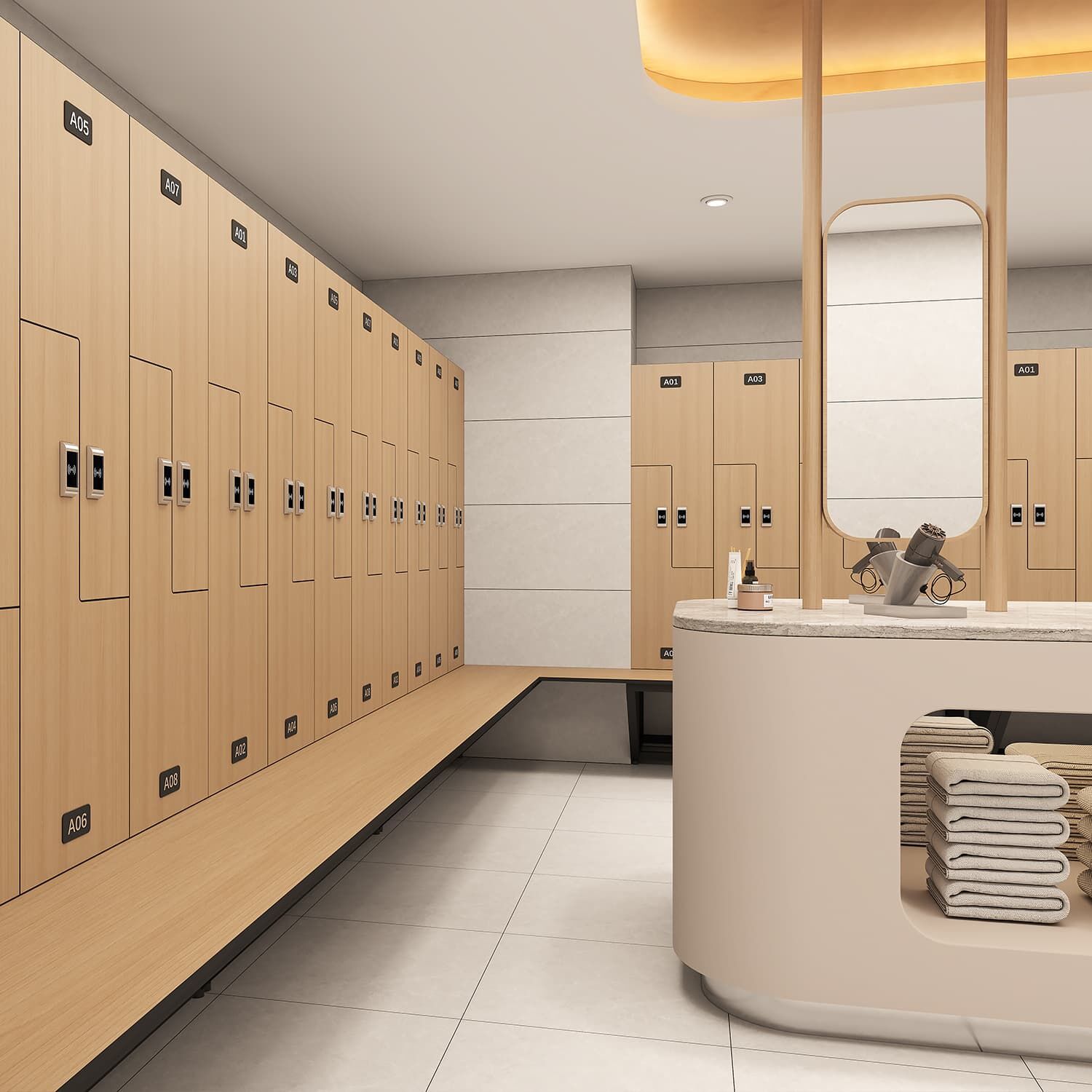
Premium Changing Room Lockers - Secure Storage Solutions for Modern Facilities

Get a Free Quote

Our representative will contact you soon.
Email
Name
Message
0/1000

changing room locker

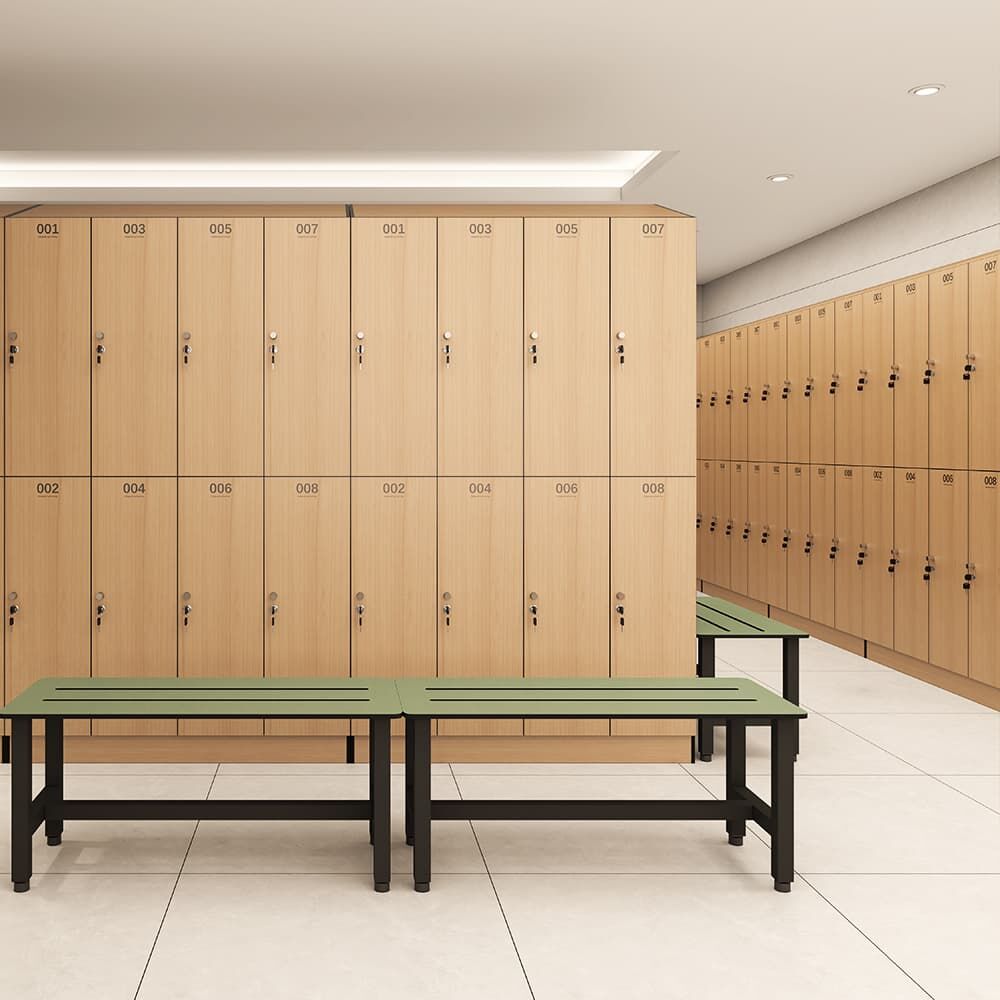
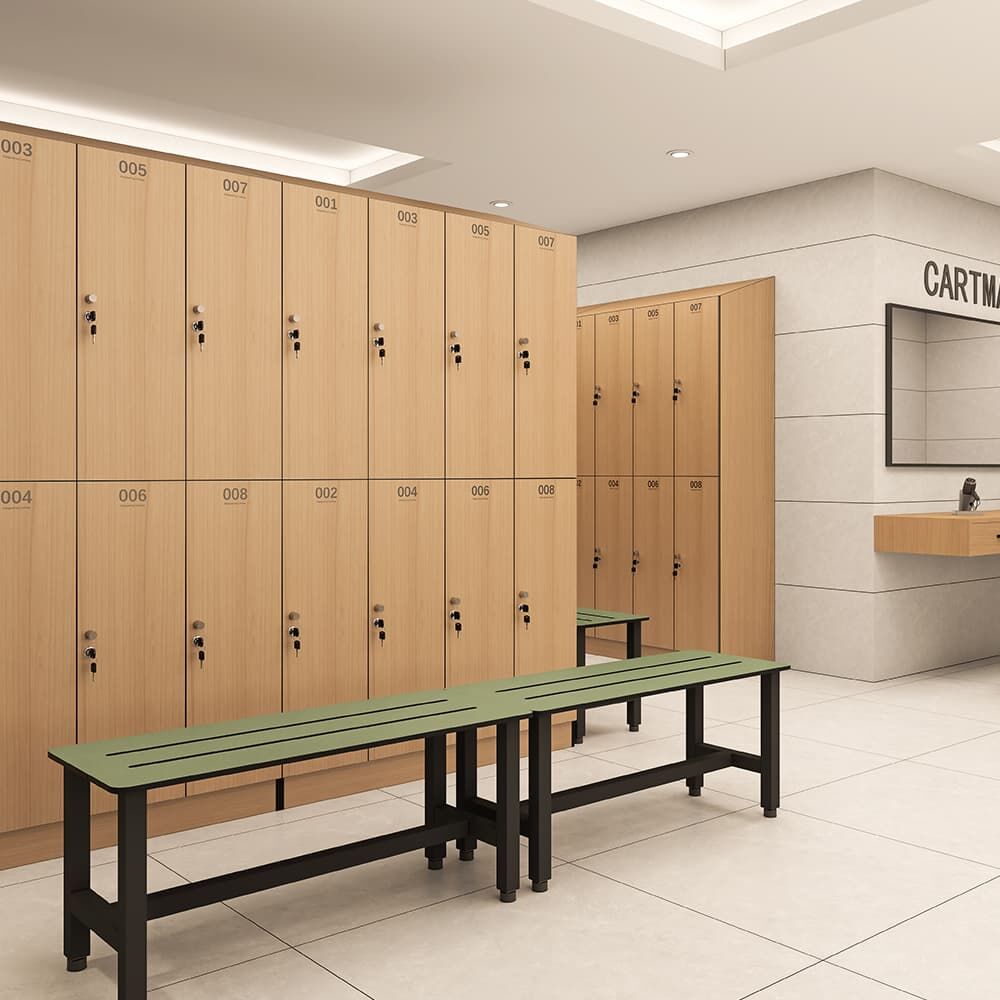
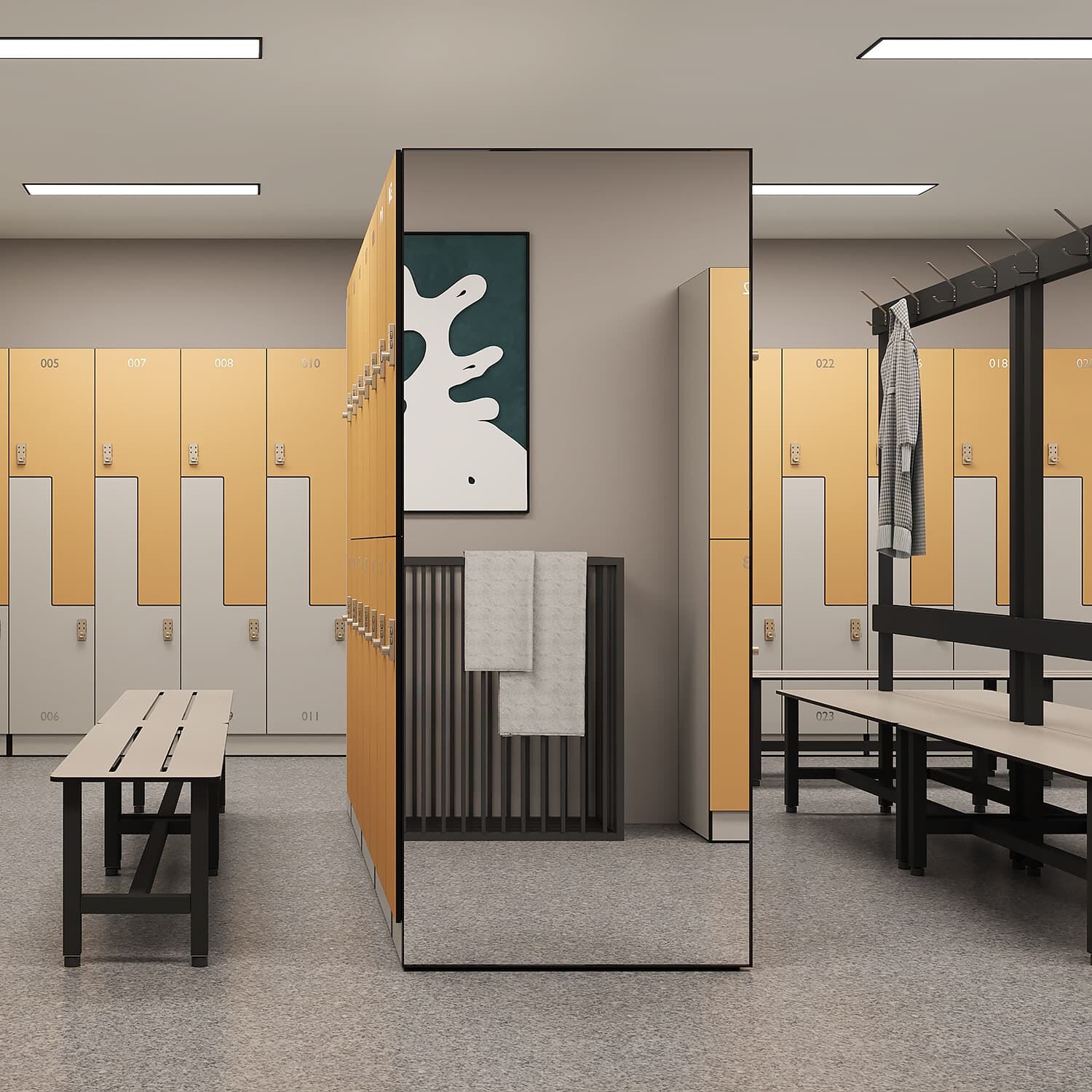
The changing room locker represents a fundamental storage solution designed specifically for environments where individuals need secure, temporary storage for personal belongings while changing clothes or participating in activities. These specialized storage units have evolved significantly from basic metal compartments to sophisticated systems incorporating advanced security features, digital technology, and user-friendly designs. Modern changing room lockers serve multiple environments including fitness centers, swimming pools, sports complexes, schools, workplaces, and recreational facilities. The primary function of a changing room locker centers on providing secure, organized storage space that protects valuable items such as clothing, electronics, wallets, and personal accessories during periods when users cannot maintain direct supervision of their belongings. Contemporary changing room locker designs incorporate various technological features that enhance security and user experience. Electronic locking mechanisms have largely replaced traditional key-based systems, offering keypad entry, RFID card access, and even smartphone connectivity through mobile applications. Some advanced changing room locker models feature biometric scanners that recognize fingerprints or facial patterns, ensuring only authorized users can access their designated compartments. The construction materials typically include powder-coated steel, stainless steel, or high-density polyethylene, chosen for durability, resistance to moisture, and ease of maintenance. Ventilation systems integrated into changing room locker designs prevent odor buildup and moisture accumulation, maintaining hygienic conditions for stored items. Interior configurations vary widely, with some models offering adjustable shelving, hanging hooks, and dedicated compartments for specific items like shoes or wet clothing. Applications for changing room lockers span numerous sectors, from educational institutions requiring student storage solutions to corporate wellness centers supporting employee fitness programs. The versatility of these storage systems makes them essential infrastructure components in any facility where temporary, secure storage becomes necessary for optimal user experience and operational efficiency.

New Product Recommendations

The changing room locker delivers numerous practical benefits that directly impact user satisfaction and facility management efficiency. Security stands as the foremost advantage, with modern changing room locker systems protecting valuable personal items through multiple layers of protection. Electronic locks eliminate the common problem of lost keys, while programmable access codes allow users to create personalized entry methods that remain memorable yet secure. This enhanced security reduces theft incidents and creates peace of mind for users who can focus on their activities without worrying about their belongings. Convenience represents another significant advantage of contemporary changing room locker designs. Users can quickly store and retrieve items without fumbling with traditional locks or carrying physical keys that might be lost or forgotten. Many changing room locker systems allow temporary code creation, enabling users to set their own access numbers for single-use sessions. This flexibility proves particularly valuable in high-turnover environments where different individuals use the same changing room locker throughout the day. Hygiene benefits emerge from the improved materials and design features incorporated into modern changing room locker units. Antimicrobial coatings resist bacteria growth, while ventilation systems prevent moisture buildup that could lead to unpleasant odors or mold development. Easy-to-clean surfaces allow maintenance staff to quickly sanitize changing room locker interiors between uses, supporting overall facility cleanliness standards. Operational efficiency improvements benefit facility managers through reduced maintenance requirements and enhanced user throughput. Electronic changing room locker systems often include management software that tracks usage patterns, identifies maintenance needs, and generates reports for operational optimization. Automated features reduce the need for staff intervention, allowing personnel to focus on other important tasks while the changing room locker system operates independently. Space optimization advantages come from the compact, stackable designs that maximize storage capacity within limited floor areas. Modern changing room locker configurations can accommodate various user needs while maintaining efficient traffic flow patterns. Cost-effectiveness emerges over time through reduced replacement costs, lower maintenance requirements, and decreased security incidents. The durability of quality changing room locker construction ensures long-term value, while advanced features justify initial investments through improved user satisfaction and operational benefits that contribute to facility success and reputation enhancement.

Latest News

Which Factors Affect HPL Locker Performance?

30

Apr

Which Factors Affect HPL Locker Performance?

Understanding the performance factors of HPL lockers is crucial for facility managers and architects seeking durable, reliable storage solutions. High-pressure laminate technology delivers exceptional resistance to moisture, impact, and daily wear, b...
View More
What are changing room lockers and how do they work?

29

May

What are changing room lockers and how do they work?

Changing room lockers are specialized storage units designed to provide secure, hygienic, and organized personal item storage in environments where people need to change clothing or store belongings temporarily. These purpose-built storage solutions ...
View More
What should buyers consider when purchasing staff lockers?

22

May

What should buyers consider when purchasing staff lockers?

Selecting the right staff lockers is a decision that carries more operational weight than many facility managers initially expect. Whether you are outfitting a corporate office, a manufacturing plant, a healthcare facility, a gym, or a school, the qu...
View More
Which wood types work best for durable wooden lockers?

29

May

Which wood types work best for durable wooden lockers?

When selecting wooden lockers for commercial or institutional environments, the choice of wood material plays a decisive role in how long the units will last, how well they resist daily wear, and how they perform under demanding conditions. Whether y...
View More

Get a Free Quote

Our representative will contact you soon.
Email
Name
Message
0/1000

changing room locker

Advanced Electronic Security Systems

Advanced Electronic Security Systems

The electronic security system represents the most significant innovation in changing room locker technology, transforming how users interact with storage facilities and dramatically improving protection for personal belongings. Modern changing room locker units incorporate sophisticated electronic locking mechanisms that eliminate the vulnerabilities associated with traditional key-based systems. These advanced security features include programmable keypads that allow users to create personalized access codes, ensuring that only authorized individuals can open specific compartments. The electronic systems typically feature multiple security layers, including automatic locking mechanisms that engage immediately when doors close, preventing accidental exposure of stored items. Many changing room locker models now integrate RFID technology, enabling users to access their compartments using proximity cards or key fobs that provide convenient, hands-free operation. This technology proves particularly valuable in wet environments like swimming facilities, where traditional keys might be damaged or become difficult to handle. Some premium changing room locker systems incorporate biometric scanners that recognize unique physical characteristics such as fingerprints or palm prints, providing the highest level of security available in personal storage solutions. These biometric systems eliminate the possibility of unauthorized access through stolen codes or cards, as they require the actual presence of the authorized user. The electronic components often include battery backup systems that maintain functionality during power outages, ensuring users can always access their belongings regardless of facility electrical status. Management capabilities built into electronic changing room locker systems provide administrators with valuable oversight tools, including usage tracking, maintenance alerts, and security monitoring. These features enable facility managers to optimize changing room locker allocation, identify high-traffic periods, and schedule maintenance activities proactively. The electronic systems also support temporary access scenarios, allowing users to set time-limited codes that automatically expire after predetermined periods, which proves particularly useful in day-use facilities where extended storage is not desired.
Durability and Weather Resistance

Durability and Weather Resistance

The exceptional durability and weather resistance of modern changing room locker construction ensures long-lasting performance in challenging environments while maintaining aesthetic appeal and functional reliability. Manufacturing processes utilize premium materials specifically selected for their ability to withstand constant use, moisture exposure, and temperature variations commonly encountered in changing facilities. High-grade steel construction forms the backbone of most changing room locker designs, with powder coating applications that provide superior protection against rust, corrosion, and impact damage. This coating process creates a seamless barrier that prevents moisture penetration while offering scratch resistance that maintains appearance standards even under heavy usage conditions. Stainless steel options provide even greater durability for changing room locker applications in particularly harsh environments, such as pool areas where chlorine exposure and constant humidity could compromise lesser materials. The construction techniques employed in quality changing room locker manufacturing include reinforced door hinges, heavy-duty locking mechanisms, and seamless welding that eliminates weak points where failure might occur. Ventilation systems integrated into changing room locker designs prevent moisture accumulation that could lead to odor development or material degradation, extending the operational lifespan significantly. Weather sealing around door edges and access points protects interior spaces from environmental contaminants while maintaining the integrity of stored items. The powder coating process not only provides protection but also enables a wide variety of color options that maintain their vibrancy over time, allowing facility managers to coordinate changing room locker appearance with overall design themes. Impact resistance testing ensures that changing room locker doors and frames can withstand the accidental bumps and collisions that occur in busy changing environments without sustaining permanent damage. Temperature resistance capabilities allow these storage units to function effectively in both heated indoor facilities and unheated spaces where seasonal temperature variations might affect lesser products. The durability investment pays dividends through reduced replacement costs and minimal maintenance requirements that keep operational expenses low while ensuring consistent user satisfaction.
Flexible Configuration and Space Optimization

Flexible Configuration and Space Optimization

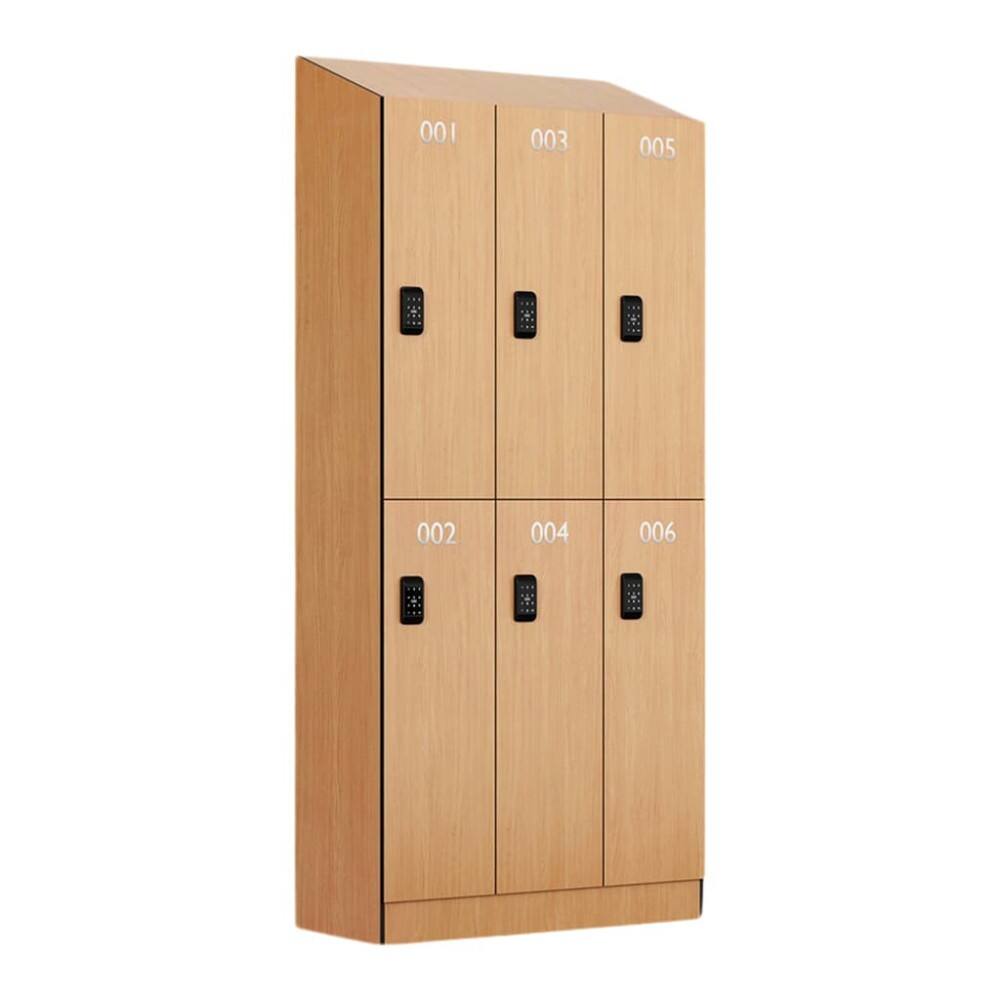
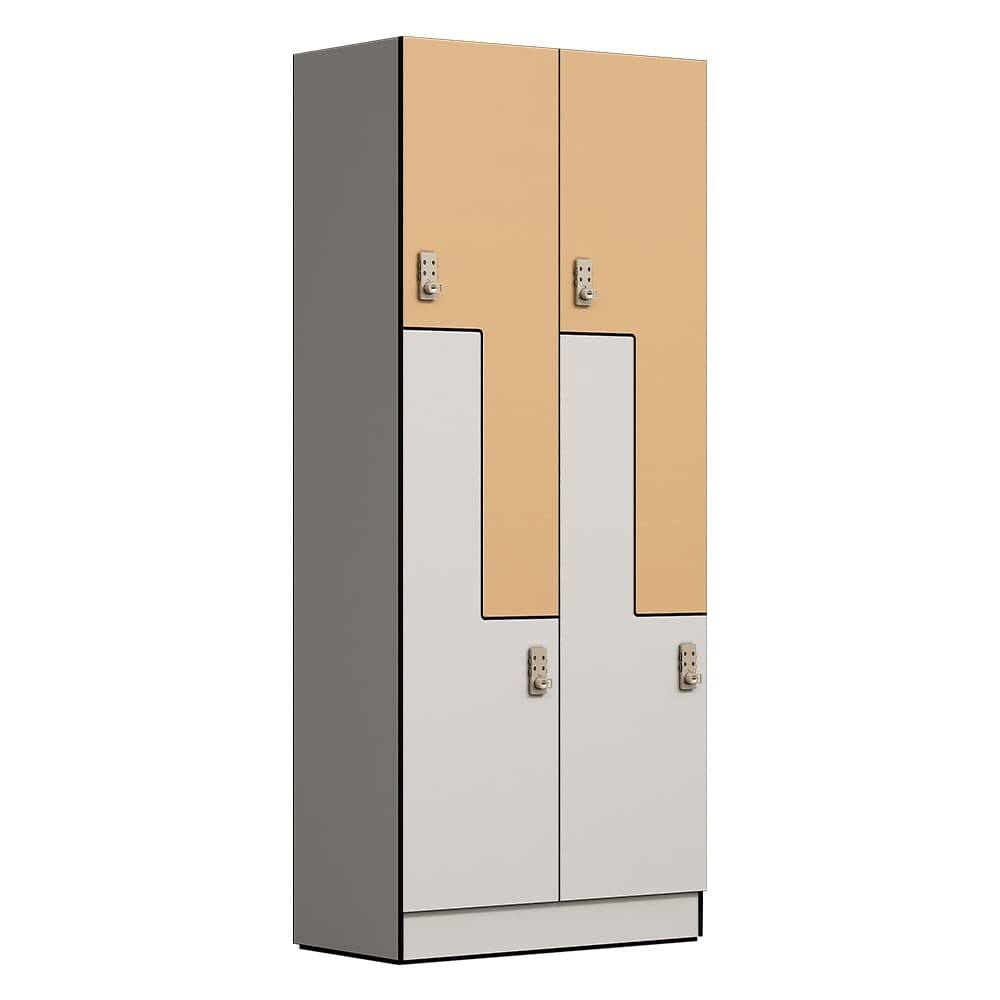
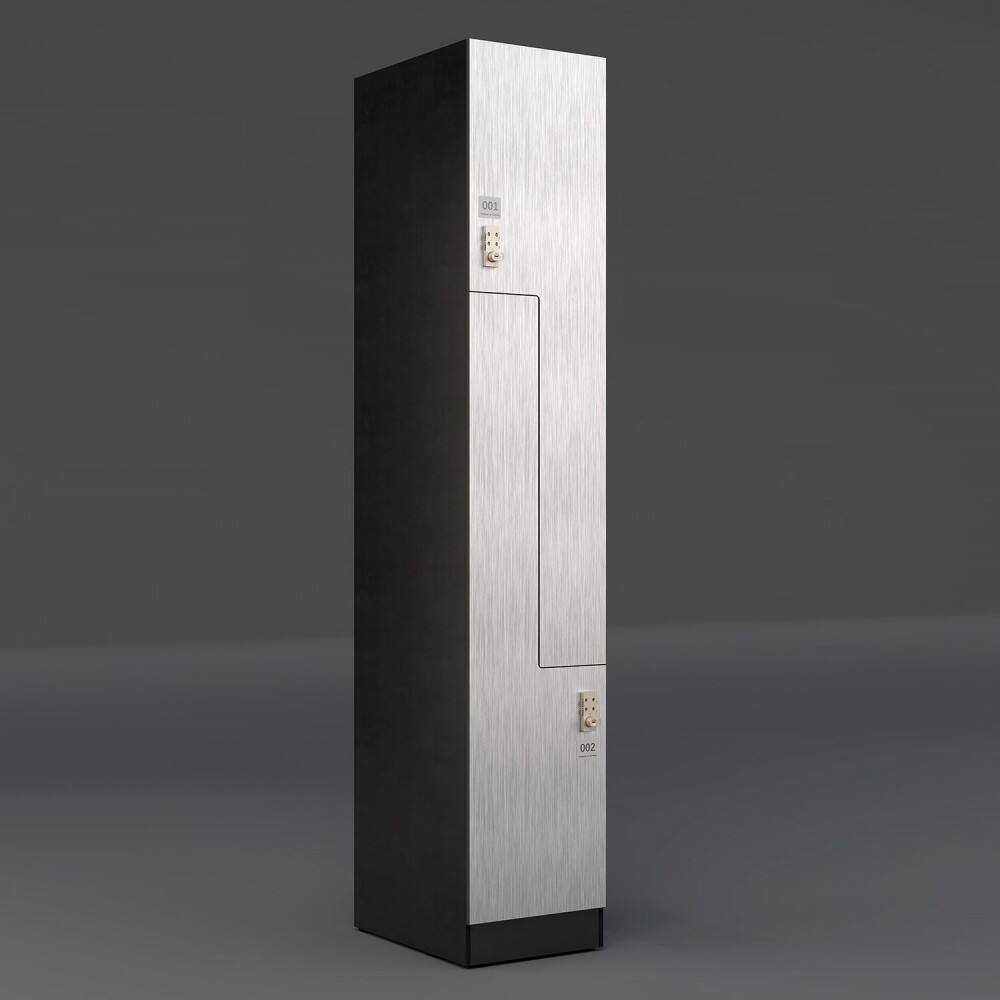
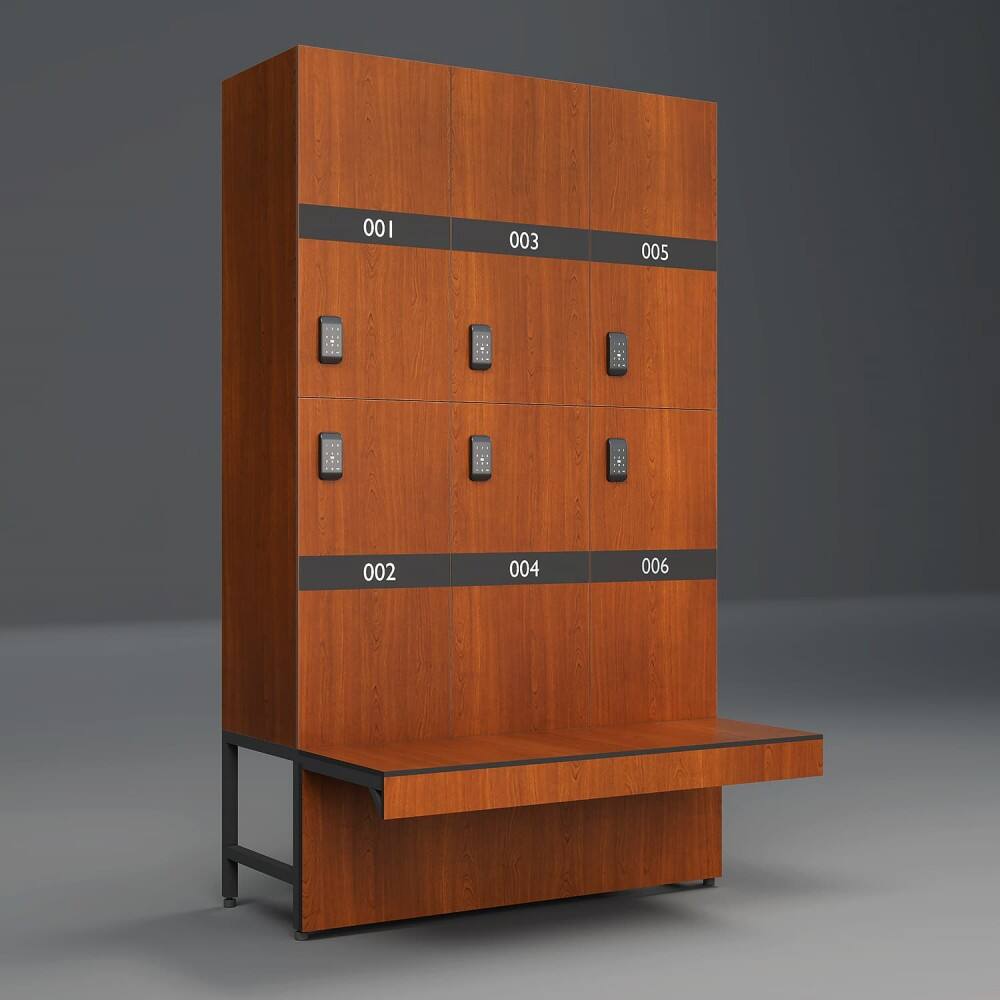
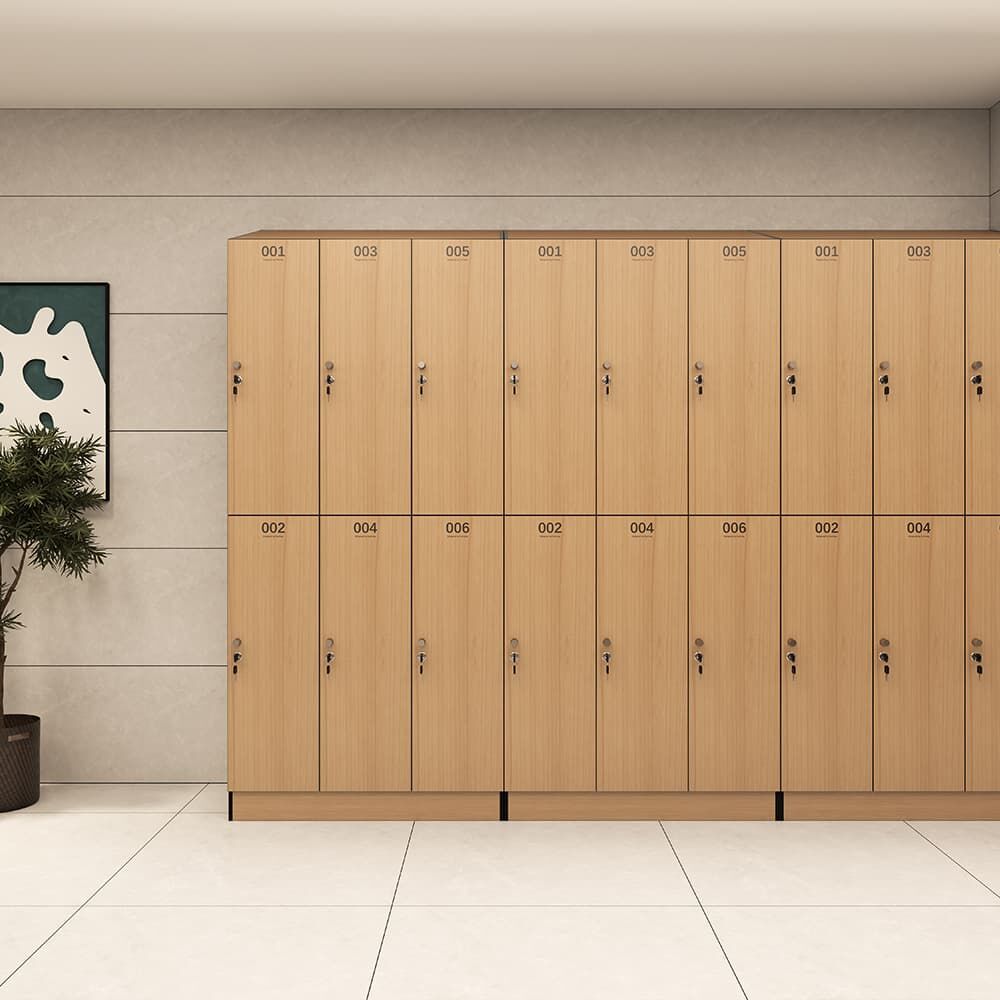
The flexible configuration options and space optimization capabilities of contemporary changing room locker systems enable facility designers to maximize storage capacity while accommodating diverse user needs and spatial constraints. Modular design principles allow changing room locker installations to adapt to virtually any available space, from compact corner installations to extensive wall-to-wall configurations that serve high-capacity facilities. Standard changing room locker units can be combined in various arrangements, including single-tier, double-tier, and triple-tier configurations that multiply storage capacity within limited floor areas. This vertical stacking capability proves particularly valuable in urban facilities where real estate costs make efficient space utilization essential for economic viability. Interior organization features within each changing room locker compartment provide users with dedicated spaces for different types of belongings, including hanging areas for clothing, shelf space for folded items, and specialized compartments for shoes or wet gear. Adjustable components allow users to customize their changing room locker space according to immediate needs, accommodating everything from business attire to bulky sports equipment. Size variations in changing room locker dimensions enable facilities to serve different user demographics effectively, with compact units suitable for children or minimal storage needs, and larger compartments designed for adult users with extensive equipment requirements. The modular approach also supports future expansion or reconfiguration as facility needs evolve, allowing administrators to modify changing room locker layouts without requiring complete replacement of existing systems. Accessibility considerations are incorporated into changing room locker design options, ensuring compliance with disability accommodation requirements through appropriate height positioning and door operation mechanisms. Corner units and end panels provide finishing touches that create professional appearances while maximizing the utilization of available wall space. Installation flexibility accommodates various wall types and mounting conditions, from standard drywall installations to concrete block walls or steel frame construction. The space optimization extends beyond mere storage capacity to include traffic flow considerations, with changing room locker door swing directions and aisle width requirements factored into overall layout planning to ensure smooth user movement throughout the facility.
onlineONLINE