EN
EN



Managing gym lockers has long been a challenge for fitness facility operators. Traditional key-based or combination dial systems create constant friction — lost keys, forgotten combinations, long queues at the front desk, and maintenance headaches that drain staff time and frustrate members. As fitness centers scale and member expectations rise, the need for smarter, more reliable locker management has become impossible to ignore.
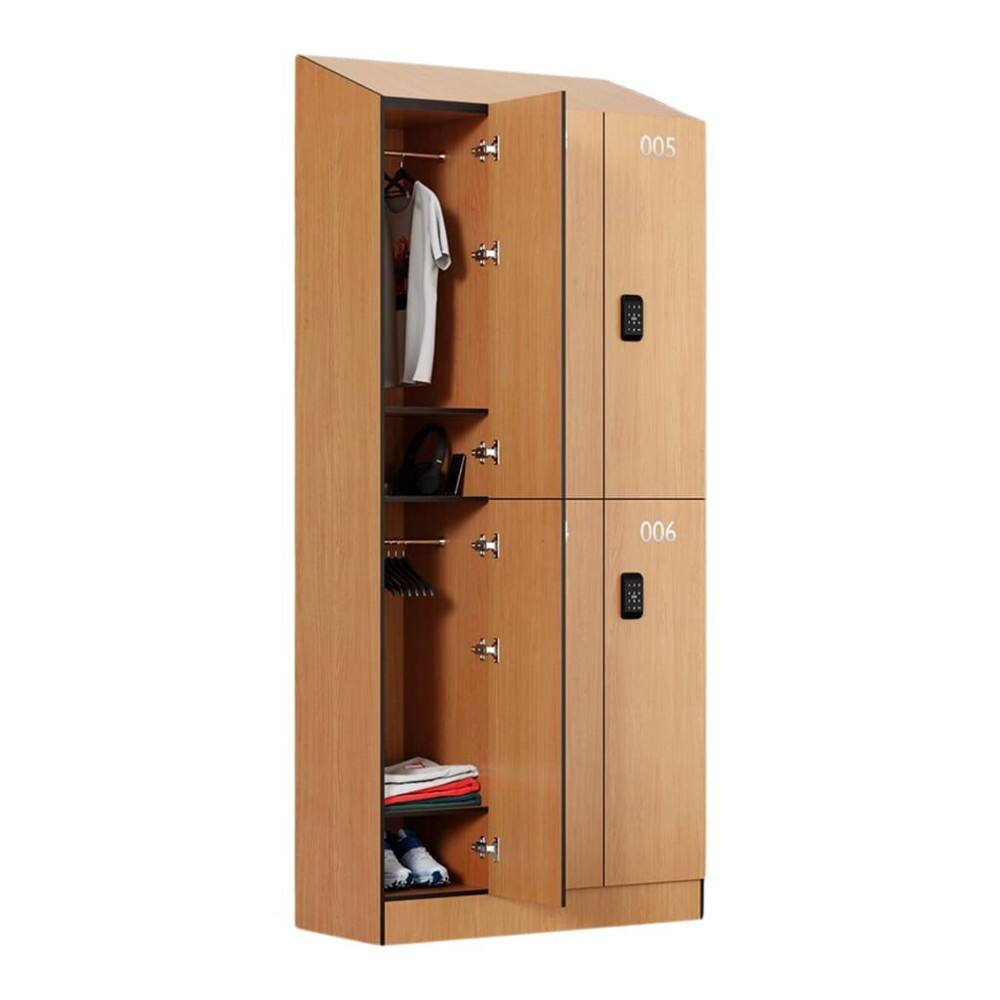
Electronic locks represent a decisive upgrade in how gym lockers are managed, secured, and experienced by users. By replacing mechanical systems with digital access control, fitness facilities gain real operational advantages — from reducing theft incidents to streamlining daily operations. This article explores exactly how electronic lock technology transforms the management of gym lockers, and why forward-thinking gym operators are adopting it with increasing urgency.
The Core Problem with Traditional Gym Locker Systems
Key and Combination Management Failures
In any busy fitness environment, gym lockers equipped with traditional key locks generate a predictable and costly cycle of problems. Keys get lost inside the facility, taken home by members, or simply misplaced in changing rooms. Every lost key triggers a replacement process that requires a locksmith, new hardware, and staff time — costs that accumulate rapidly across a facility with hundreds of gym lockers.
Combination dial locks present a different but equally disruptive issue. Members forget codes, especially casual users who visit only a few times per week. Staff must manually assist, which pulls employees away from service roles. In peak hours, this creates visible operational strain and a frustrating experience for members who simply want to store their belongings and start their workout.
Neither system gives facility managers any oversight or data. There is no way to know how many gym lockers are in active use, which units have been occupied for unusual periods, or whether a particular locker has been tampered with. That lack of visibility creates security blind spots and makes it impossible to optimize locker allocation across the facility.
Security Gaps in Mechanical Lock Designs
Traditional mechanical locks on gym lockers are also inherently vulnerable to physical attack. A determined person can pick a basic padlock, force a dial mechanism, or duplicate a key without triggering any alert. Facilities relying on these systems have limited recourse after a theft event — no access log, no entry timestamp, and no way to identify who used a locker at a specific time.
This security gap directly impacts member trust. When valuables are stolen from gym lockers, members blame the facility regardless of the mechanical lock's limitations. The reputational damage can outweigh the direct cost of the theft itself, making security investment in locker systems a business-critical decision rather than a simple amenity upgrade.
How Electronic Locks Work in Gym Locker Environments
PIN Code and Keypad Access
The most widely deployed electronic lock type for gym lockers uses a PIN code entry system. Members select or receive a unique numeric code that grants access to their assigned locker for the duration of their visit. The simplicity of this approach is its strength — there is nothing physical to carry, lose, or duplicate. Users interact with a clean keypad interface on the locker door itself.
PIN-based gym lockers can be configured for single-session use, where the code resets after the member retrieves their belongings, or for recurring access, where the same member returns with their personal code over multiple visits. This flexibility makes PIN systems suitable for both casual drop-in facilities and membership-based fitness centers with regular attendance patterns.
From a management perspective, PIN code systems allow administrators to issue, reset, and revoke access remotely without physically touching any locker unit. This capability alone eliminates the locksmith dependency that plagues key-based gym lockers and reduces both cost and staff workload significantly.
RFID and Card-Based Electronic Access
RFID technology integrates seamlessly with gym lockers by linking locker access to a membership card, wristband, or mobile device. A member taps their RFID credential against the locker sensor, and the lock releases within milliseconds. The interaction is faster and even more frictionless than PIN entry, which makes RFID particularly well-suited to high-traffic facilities where speed of access matters during peak hours.
The management advantage of RFID-equipped gym lockers is substantial. Every access event is logged automatically, providing administrators with precise data on when each locker was opened, by which credential, and for how long. This audit trail transforms locker management from a reactive process into a data-informed operation where managers can identify patterns, detect anomalies, and resolve disputes with evidence.
RFID credentials can also be suspended instantly if a membership lapses or if a card is reported lost. Gym lockers remain secure without any manual intervention at the unit level, which is a significant operational improvement over mechanical systems that require physical lock replacement to address the same scenario.
Operational Benefits of Electronic Gym Locker Management
Automated Locker Assignment and Self-Service
Electronic lock systems enable fully self-service gym locker workflows that require no staff involvement whatsoever. A member arrives, approaches an available locker, enters a code or taps a credential, secures their belongings, and proceeds with their session. At the end of their visit, the same process in reverse releases the locker back into the available pool. The entire interaction is smooth, fast, and independent.
This self-service capability has a compounding effect on facility operations. Front desk staff are freed from locker-related tasks entirely, allowing them to focus on member engagement, sales, and service quality. For large facilities managing hundreds of gym lockers across multiple changing rooms, this reduction in administrative overhead translates into measurable labor savings.
Self-service electronic gym lockers also perform well during off-hours when staffing is minimal. The system operates independently regardless of whether a receptionist is present, which supports extended operating hours and 24-hour gym models that are growing in popularity among urban fitness operators.
Real-Time Occupancy Monitoring and Reporting
One of the most powerful management advantages electronic locks bring to gym lockers is real-time occupancy visibility. Facility managers can view which units are occupied, which are available, and which have been in use longer than expected — all through a centralized dashboard. This level of visibility was simply impossible with mechanical lock systems.
Occupancy data allows managers to make informed decisions about locker allocation. If one bank of gym lockers consistently reaches full capacity during morning rush hours while another area remains underutilized, management can adjust signage, pricing, or member guidance to distribute usage more evenly. Over time, this optimization improves both the member experience and the facility's return on locker infrastructure investment.
Reporting capabilities also simplify compliance and incident management. If a member reports a theft or an access dispute, the electronic log provides a precise record of every interaction with the relevant gym lockers. This documentation reduces liability exposure and helps management respond to complaints with factual, timestamped evidence rather than speculation.
Security Enhancements That Protect Members and Facilities
Tamper Detection and Alarm Integration
Advanced electronic locks designed for gym lockers include tamper detection sensors that trigger an alert or alarm when unauthorized force is applied to the door. Unlike mechanical locks, which offer no feedback when attacked, electronic systems can notify management in real time through connected monitoring interfaces. This capability acts as both a deterrent and an early warning system.
Tamper alerts can be configured to notify security staff immediately, creating a response window that is simply not available with passive mechanical systems. For facilities that store member valuables including phones, wallets, and high-end fitness equipment, this proactive security layer is a meaningful differentiator that members notice and appreciate.
Some electronic gym lockers also support integration with broader facility security systems, including CCTV networks and access control platforms. When a tamper event is flagged, the system can automatically retrieve nearby camera footage, creating a seamless incident response workflow that strengthens the facility's security posture overall.
Credential Revocation and Access Control Policies
Electronic lock systems give gym locker administrators granular control over who can access which units and under what conditions. Access policies can be set to restrict certain locker banks to specific membership tiers, time windows, or usage scenarios. This level of control is impossible to implement with physical keys or combination locks.
When a member's account is suspended or terminated, their locker credentials are revoked instantly across all connected gym lockers without any physical intervention. This capability eliminates the security risk that exists in key-based systems, where a former member could retain access for weeks or months before the physical lock is changed.
Credential management also extends to temporary access scenarios. Guest day passes, personal trainer access, and corporate wellness members can all be granted time-limited locker access that expires automatically. This policy flexibility makes electronic gym lockers adaptable to the complex membership structures that modern fitness facilities operate.
Member Experience and Facility Value Proposition
Reducing Friction in the Member Journey
The member experience at a fitness facility begins and ends at the changing room. When gym lockers are easy to use, secure, and reliable, members start and finish their sessions with a positive impression. When lockers fail — keys stuck, codes forgotten, doors jammed — that frustration colors the entire visit regardless of the quality of equipment or classes on offer.
Electronic locks eliminate the most common friction points in the locker experience. There is nothing to carry in, nothing to remember from a previous visit unless the member chooses to, and no dependency on staff to resolve access problems. The interaction with gym lockers becomes invisible in the best possible sense — it simply works, every time.
This reliability has a direct effect on member retention. Members who feel their belongings are secure and their time is respected during every visit are more likely to renew memberships and recommend the facility to others. Electronic gym lockers contribute to the overall perception of a well-managed, professional fitness environment.
Supporting Premium Positioning and Facility Differentiation
In competitive fitness markets, the quality of gym lockers and changing room facilities plays a role in how a facility is perceived relative to alternatives. Electronic lock systems signal investment, modernity, and operational sophistication. Prospective members on a facility tour notice the difference between dated padlock systems and sleek, PIN-code or RFID-equipped gym lockers.
Premium gym lockers with electronic access also support upselling opportunities. Reserved or premium locker packages — where members pay for guaranteed access to a specific unit with their personal settings — are only viable with electronic lock infrastructure. This revenue model is not possible with shared mechanical systems and represents a genuine monetization advantage for facilities that invest in digital locker management.
Facilities that position themselves in the boutique, corporate wellness, or high-performance fitness segments benefit particularly from electronic gym lockers, as their clientele expects a frictionless, premium environment where every touchpoint reflects quality. The changing room and locker experience is not peripheral to that promise — it is central to it.
FAQ
Can electronic locks be retrofitted onto existing gym lockers?
In many cases, yes. Electronic lock modules are available in standard formats designed to replace mechanical locks on existing locker bodies without requiring full cabinet replacement. The feasibility depends on the locker door thickness, frame construction, and available power source. Many facilities opt for a phased approach, retrofitting high-traffic locker banks first while evaluating the operational results before committing to a full facility upgrade.
What happens to gym lockers if the electronic lock system loses power?
Quality electronic locks designed for gym lockers include battery backup systems that maintain functionality during power outages. Most units provide a low-battery warning well in advance of failure. Some systems also include a physical emergency override mechanism accessible only to authorized staff, ensuring that member belongings are never inaccessible due to a power event. Facilities should verify backup power specifications when selecting an electronic lock solution.
Are electronic gym lockers more expensive to maintain than traditional locks?
The upfront cost of electronic locks is higher than mechanical alternatives, but the total cost of ownership over a multi-year period is typically lower. The savings come from eliminating locksmith call-outs, reducing key replacement and duplication costs, and reducing staff time spent on locker management tasks. Electronic gym lockers also tend to have fewer mechanical failure modes, particularly when the lock mechanism involves no moving parts beyond the latch itself.
How do electronic locks improve security for high-value items stored in gym lockers?
Electronic locks improve security through multiple mechanisms simultaneously. Access audit trails create accountability, tamper detection enables real-time response, and credential revocation prevents unauthorized reuse of access codes or cards. Together, these features make electronic gym lockers significantly more resistant to both opportunistic and deliberate theft than mechanical alternatives. Members storing smartphones, car keys, wallets, and other valuables benefit from this layered security approach in a meaningful and demonstrable way.