 EN


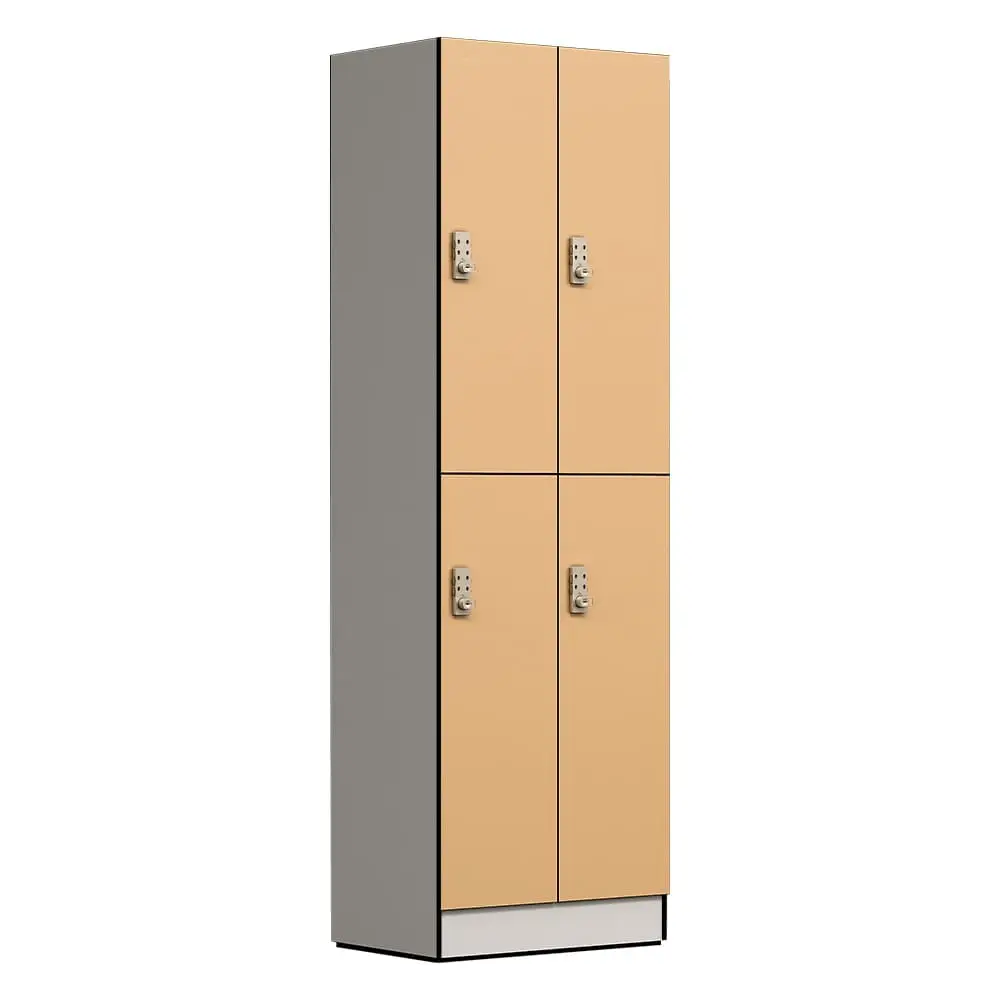
HPL lockers have become a critical asset for businesses seeking secure, durable storage solutions across fitness centers, bowling alleys, corporate offices, and hospitality environments. Understanding the cost structure of HPL lockers is essential for facility managers and procurement professionals making informed purchasing decisions. The price of HPL lockers encompasses far more than the base unit cost; it includes material quality, customization options, manufacturing specifications, installation logistics, and long-term maintenance considerations. This guide breaks down the complete financial picture of HPL lockers so B2B buyers can accurately budget and compare vendor proposals.
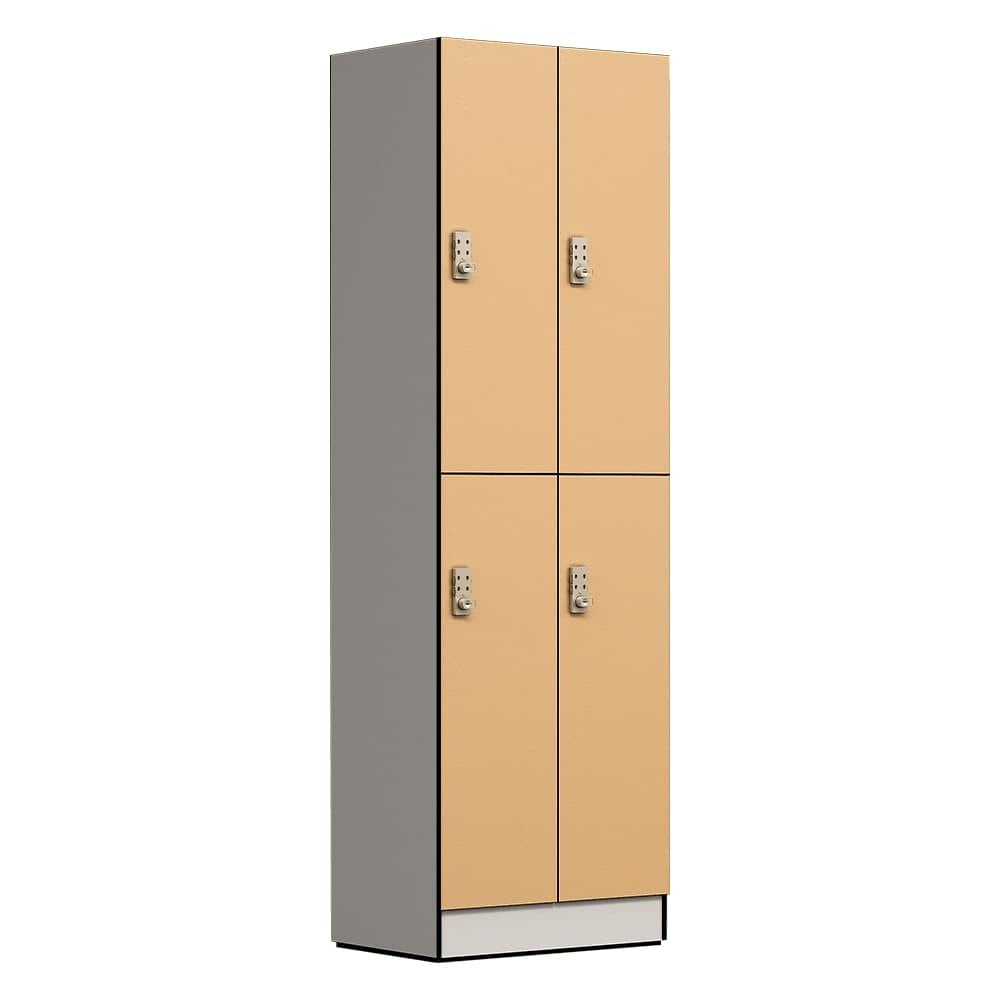
The financial decision around HPL lockers requires transparency from manufacturers. Many B2B buyers encounter vague pricing that doesn't reflect the true scope of what they're purchasing. This article provides the framework to request detailed quotes, understand hidden costs, and evaluate total cost of ownership when selecting HPL lockers from factory suppliers. Whether you're outfitting a new facility or replacing existing storage infrastructure, knowing how HPL lockers are priced will strengthen your negotiation position and prevent budget overruns.
HPL Locker Material and Base Unit Costs
Understanding HPL Material Composition
HPL stands for High-Pressure Laminate, a composite material engineered to withstand moisture, impact, and heavy daily use. The base cost of HPL lockers directly correlates to the thickness and quality grade of the HPL material used. Industrial-grade HPL lockers typically employ 1.2mm to 2.0mm laminate thickness, which affects both durability and unit price. Thicker HPL lockers command higher costs but provide superior resistance to denting, moisture penetration, and UV fading over a 10 to 15-year lifecycle. Budget-conscious facilities sometimes select thinner HPL lockers to reduce upfront expense, but this decision often results in higher replacement frequency and total cost of ownership.
Manufacturing Scale and Volume Pricing
HPL locker factories structure pricing around order volume. A single unit of HPL lockers will cost significantly more per locker than an order of 100 units due to setup costs, tooling amortization, and production efficiency. Most HPL locker manufacturers offer tiered pricing where orders of 50 to 100 lockers receive 10 to 15 percent discounts compared to small orders, and orders exceeding 200 units unlock an additional 15 to 25 percent reduction. For large facilities planning multiple HPL locker installations, consolidating orders into a single purchase often delivers substantial cost savings. The HPL locker factory can optimize production scheduling and reduce per-unit overhead when manufacturing larger batches, savings that pass directly to the buyer.
Customization and Configuration Costs for HPL Lockers
Color, Size, and Door Configuration Options
HPL lockers offer extensive customization that impacts total cost. Standard HPL lockers in neutral colors such as gray or white represent the baseline pricing. Custom color options for HPL lockers—including branded colors, wood finishes, or decorative patterns—typically add 5 to 15 percent to the unit cost. HPL lockers come in various configurations: individual compartments, stacked designs, or tiered arrangements. Larger HPL lockers or those with multiple compartments naturally cost more than compact single-compartment models. Door locking mechanisms for HPL lockers vary significantly in price, from basic mechanical key locks to pin-code electronic locks, RFID systems, or biometric access. Electronic locking HPL lockers cost 30 to 50 percent more than mechanical-lock versions but offer superior access control and usage tracking for facility operators.
Branding and Logo Integration
Many B2B buyers request branded HPL lockers to reinforce corporate identity or facility aesthetics. Adding custom logos, facility names, or decorative elements to HPL lockers involves screen printing, engraving, or UV coating processes. This branding work on HPL lockers typically costs $15 to $50 per locker depending on complexity and number of colors. For a facility ordering 200 HPL lockers with custom branding, this represents $3,000 to $10,000 in additional cost. HPL locker factories manage this customization in-house or contract with specialized service providers, so requesting quotes that explicitly itemize branding costs ensures budget accuracy. Some HPL locker suppliers bundle basic customization into the unit price, while others charge separately for each modification.
Installation, Delivery, and Ancillary Costs
Shipping and Logistics Expenses
Delivery cost for HPL lockers depends on order size, destination, and urgency. Standard ground shipping within a region typically costs $2 to $8 per locker for orders of 50 or more units. For smaller HPL locker orders or remote locations, shipping can escalate to $15 to $25 per unit. Expedited shipping for HPL lockers destined for urgent facility openings may add 30 to 50 percent to standard logistics fees. Some HPL locker manufacturers include shipping in their quoted price, while others present it as a separate line item. Clarifying whether HPL locker pricing includes freight is essential for accurate budgeting. International orders of HPL lockers involve customs, import duties, and specialized container handling, which can multiply shipping costs significantly—sometimes adding 50 to 100 percent to domestic pricing.
Professional Installation and Site Preparation
While many HPL lockers are modular and allow in-house installation, professional installation services are recommended for large deployments. Installation costs for HPL lockers typically range from $25 to $75 per locker depending on complexity, anchoring requirements, and site conditions. If a facility requires wall reinforcement, flooring preparation, or electrical work to support electronic locking systems on HPL lockers, these pre-installation expenses can add thousands to the total project cost. Some HPL locker factories offer installation training at no charge, enabling facility staff to assemble and secure HPL lockers independently. Others provide turnkey installation services through certified partners. When evaluating HPL locker vendor proposals, explicitly request an itemized installation quote to distinguish between product cost, labor, and site preparation expenses.
Long-Term Operating Costs and ROI Analysis
Maintenance and Repair Expenses
HPL lockers require minimal ongoing maintenance compared to traditional steel or wood storage solutions. Annual maintenance costs for HPL lockers typically fall between 1 to 3 percent of the initial purchase price. Routine upkeep includes cleaning, hinge lubrication, lock mechanism inspection, and occasional door adjustment. The exceptional durability of HPL lockers means repair needs are infrequent—perhaps one or two component replacements over a decade. Replacement hinges, locks, or door seals for HPL lockers cost $10 to $30 per part, making spot repairs highly affordable. Some facilities establish a minor maintenance reserve of $500 to $1,000 annually across a large locker deployment, which provides ample budget for unexpected repairs. HPL lockers rarely require full unit replacement due to structural failure, unlike older metal or laminated alternatives that corrode or delaminate under moisture exposure.
Projected Lifespan and Total Cost of Ownership
Industry data shows HPL lockers maintain functionality and appearance for 12 to 20 years with proper care in standard facility environments. This extended lifespan drives compelling total cost of ownership when compared to cheaper alternatives. If HPL lockers cost $400 per unit installed and remain serviceable for 15 years, the annualized cost is approximately $27 per locker per year. Budget alternatives costing $200 per unit but requiring replacement every 6 to 8 years result in an annualized cost of $25 to $33 per locker annually—comparable or higher. The hidden advantage of HPL lockers lies in operational continuity and reduced hassle; a facility avoids disruptive locker replacements and maintains consistent user experience. For B2B buyers making multi-year facility plans, HPL lockers represent a mature investment where the higher upfront cost translates to lower lifetime expense and superior user satisfaction.
FAQ
What factors most significantly influence the cost of HPL lockers?
The primary cost drivers for HPL lockers are material thickness and quality, customization options (colors, branding, electronic locks), order volume, and delivery distance. HPL locker material composition typically represents 40 to 50 percent of the unit cost, while electronic locking systems and custom finishes add 20 to 30 percent. Volume discounts and geographic location can swing total pricing by 15 to 40 percent, making these factors essential to negotiate during vendor selection.
How can B2B facilities reduce HPL locker procurement costs?
HPL locker costs decrease when facilities consolidate orders into larger purchases, standardize configurations to reduce customization overhead, and plan procurement far enough in advance to access standard production timelines rather than expedited fees. Requesting detailed competitive bids from multiple HPL locker factories, bundling installation services, and selecting durable models that minimize future replacement needs all contribute to lower total cost of ownership. Electronic-lock options, while initially more expensive, often reduce operational staffing costs enough to justify the investment.
Are HPL lockers more cost-effective than alternative locker materials?
HPL lockers typically offer superior lifetime value compared to wooden, plastic, or standard metal lockers. While initial unit prices may be higher, HPL lockers' moisture resistance, durability, and minimal maintenance requirements result in lower replacement frequency and operational expense. Facilities using HPL lockers typically report 40 to 60 percent lower total lifecycle costs versus cheaper materials over a 10 to 15-year period, making HPL lockers the economically prudent choice for permanent installations despite higher upfront capital expenditure.


