 EN


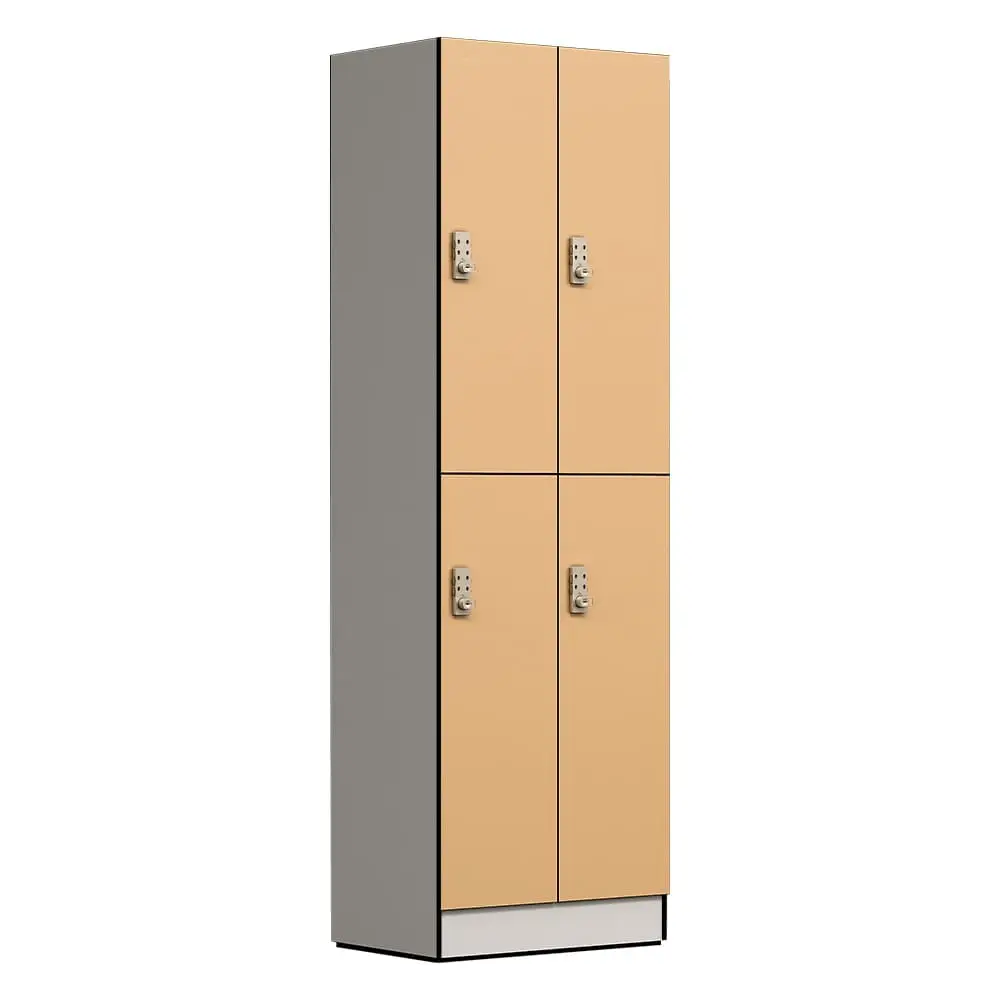
HPL lockers represent a modern solution for secure, durable storage across educational, corporate, and fitness facilities. These innovative storage systems combine high-pressure laminate construction with robust engineering to meet the demanding requirements of contemporary workplaces. Understanding certified HPL lockers and their compliance with European standards is essential for facility managers seeking reliable, long-lasting locker solutions that prioritize both functionality and user satisfaction.
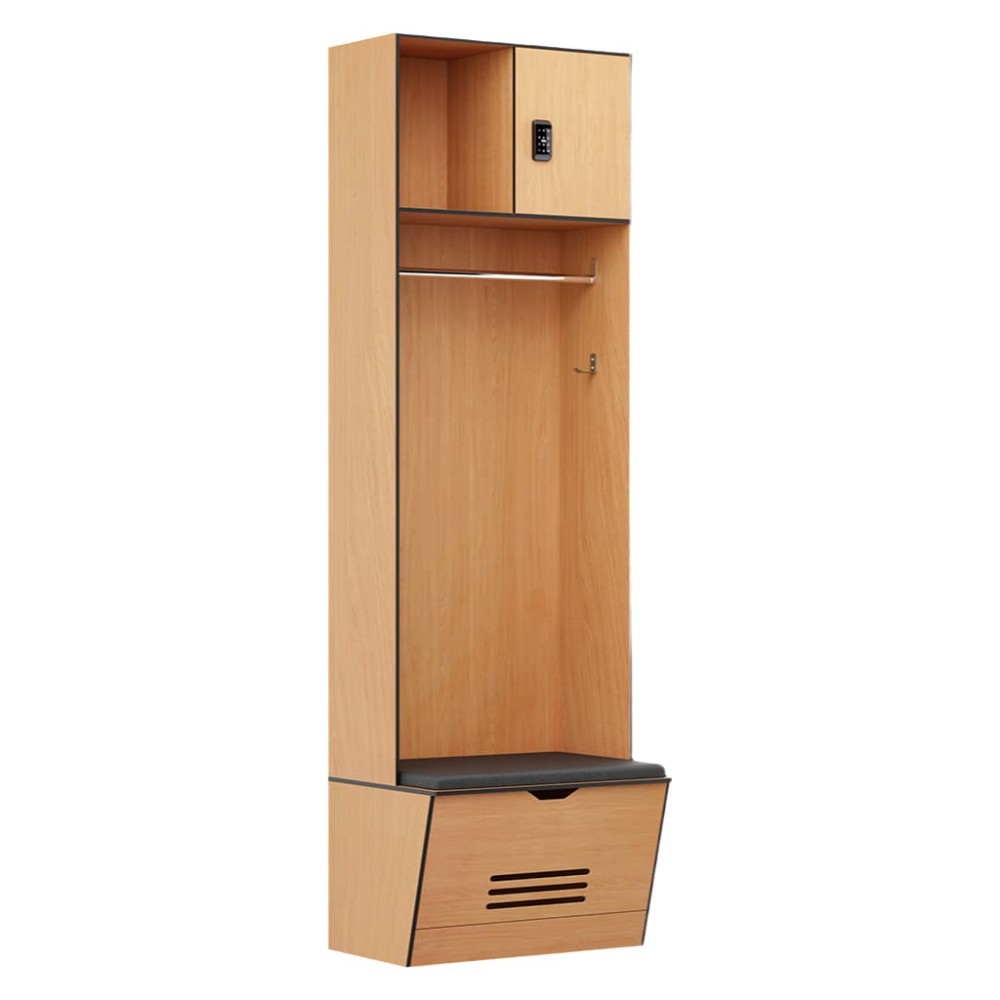
European standards for HPL lockers establish rigorous benchmarks for material quality, structural integrity, safety, and environmental responsibility. Certified HPL lockers undergo comprehensive testing to ensure they withstand years of intensive use while maintaining aesthetic appeal and functionality. Facilities investing in certified HPL lockers gain confidence in their durability, compliance with regional regulations, and compatibility with modern workplace design standards.
What Are Certified HPL Lockers and Their European Standards Compliance
Definition and Core Components of HPL Locker Systems
HPL lockers are storage cabinets manufactured using high-pressure laminate, a composite material consisting of multiple layers of kraft paper bonded with phenolic resin under extreme pressure and heat. This construction method creates surfaces that resist moisture, impact, scratches, and discoloration. Certified HPL lockers meet specific European standards including EN standards for material composition, structural performance, and safety requirements that ensure consistent quality across manufacturers and suppliers.
The appeal of HPL lockers lies in their versatility and durability. Unlike traditional steel lockers prone to rust, or wooden cabinets vulnerable to warping, HPL lockers maintain their integrity in humid environments common in gyms, swimming facilities, and changing rooms. The hpl lockers available through certified manufacturers are engineered to deliver both aesthetic consistency and operational reliability.
European Standards Compliance Framework for HPL Lockers
Certified HPL lockers comply with multiple European standards governing material safety, environmental impact, and functional performance. EN standards specifically address moisture absorption limits, strength retention under thermal stress, and resistance to common workplace contaminants. These regulations ensure that HPL lockers maintain their structural integrity and appearance over extended service periods, reducing maintenance costs and replacement frequency.
European certification for HPL lockers also includes fire safety ratings, typically achieving B-s1, d0 classifications under EN 13823 standards. This compliance demonstrates that HPL lockers will not contribute significantly to fire propagation and produce minimal smoke and toxic fumes in the unlikely event of combustion. Facilities prioritizing occupant safety benefit substantially from choosing certified HPL lockers that meet these stringent fire safety requirements.
Manufacturing Quality Standards and Material Specifications for HPL Lockers
High-Pressure Laminate Material Quality Requirements
Manufacturing certified HPL lockers demands strict adherence to material specifications and production processes. The laminate layers used in quality HPL lockers must meet specific thickness requirements, typically ranging from 0.8 to 1.6 millimeters for the wear layer. European standards mandate precise resin ratios, pressure application protocols, and temperature controls during manufacturing to ensure uniform material properties across all HPL locker panels.
Raw materials entering HPL locker production undergo rigorous testing for contamination, fiber consistency, and resin composition. Certified HPL lockers incorporate materials meeting ISO standards for paper grade and phenolic resin quality, ensuring superior adhesion and resistance to delamination. This meticulous material control prevents defects that compromise the aesthetic and functional performance of HPL lockers over their operational lifespan.
Structural Engineering and Durability Testing for HPL Lockers
Certified HPL lockers undergo extensive durability testing simulating real-world usage conditions. European standard testing protocols include repeated door cycling, impact resistance evaluation, moisture exposure trials, and thermal stress assessment. These tests verify that HPL lockers maintain dimensional stability, door alignment, and surface integrity after thousands of open-close cycles and exposure to temperature and humidity fluctuations.
The structural design of quality HPL lockers incorporates reinforced frame construction, precision-engineered hinges, and secure locking mechanisms that withstand intensive use. Certified HPL lockers feature modular construction enabling efficient assembly, maintenance, and component replacement. This engineering approach ensures that HPL lockers remain functional and visually appealing in demanding environments such as athletic facilities, corporate offices, and educational institutions.
Compliance Benefits and Implementation Considerations for HPL Lockers
Regulatory Compliance and Liability Protection Through Certified HPL Lockers
Facilities implementing certified HPL lockers demonstrate commitment to occupant safety and environmental responsibility. European standards compliance for HPL lockers ensures alignment with workplace safety regulations, hygiene requirements, and building codes mandated across European Union member states. Organizations deploying compliant HPL lockers reduce legal exposure related to storage system failures, material off-gassing, or fire safety deficiencies.
Certified HPL lockers provide documented evidence of standards compliance through testing certificates and manufacturer certifications. These credentials simplify facility audits, insurance requirements, and regulatory inspections. When selecting HPL lockers for new construction or renovation projects, facility managers should request compliance documentation confirming adherence to relevant European standards for their specific application context.
Long-Term Value and Operational Advantages of HPL Lockers
The investment in certified HPL lockers generates substantial long-term value through reduced maintenance requirements and extended service life. Compared to alternative storage systems, quality HPL lockers resist staining, bacterial growth, and environmental degradation common in moisture-prone facilities. This inherent durability translates to lower total cost of ownership, fewer replacement cycles, and sustained aesthetic appeal that enhances facility environments.
HPL lockers offer design flexibility through color customization, surface texture options, and modular configurations adapting to diverse facility layouts and aesthetic preferences. European manufacturers producing certified HPL lockers continuously innovate material formulations and construction techniques improving sustainability, durability, and user experience. Facilities selecting certified HPL lockers benefit from access to cutting-edge storage technology meeting contemporary standards and future-proofing their infrastructure investments.
FAQ
What specific European standards must certified HPL lockers meet?
Certified HPL lockers must comply with EN standards addressing material composition, fire safety, structural performance, and environmental responsibility. Key standards include EN 438 for laminate material properties, EN 13823 for fire classification, and EN 1141 for stability and safety in workplace environments. Manufacturers of quality HPL lockers obtain independent testing and certification confirming compliance with these comprehensive requirements, providing facilities with verified assurance of product quality and regulatory alignment.
How do certified HPL lockers compare to traditional steel or wooden storage systems?
Certified HPL lockers offer superior moisture resistance, durability, and aesthetic flexibility compared to steel or wooden alternatives. Unlike steel lockers susceptible to rust and corrosion in humid environments, HPL lockers maintain structural integrity and appearance indefinitely. Wooden storage systems cannot match the hygiene, durability, or low-maintenance characteristics of quality HPL lockers designed for high-moisture facilities. HPL lockers combine the cleanability and safety of steel systems with the aesthetic sophistication and moisture resistance that wooden cabinets cannot provide.
What maintenance requirements do certified HPL lockers demand?
Certified HPL lockers require minimal maintenance beyond routine cleaning with mild detergent and water solutions. The laminate surface resists bacterial growth and staining, eliminating need for specialized treatments or protective coatings. Periodic inspection of hinges, locks, and door alignment ensures optimal functionality, while occasional touch-ups address minor wear. The robust construction of quality HPL lockers significantly reduces maintenance costs compared to traditional storage systems requiring rust treatment, wood sealing, or structural repairs.


