 EN
EN


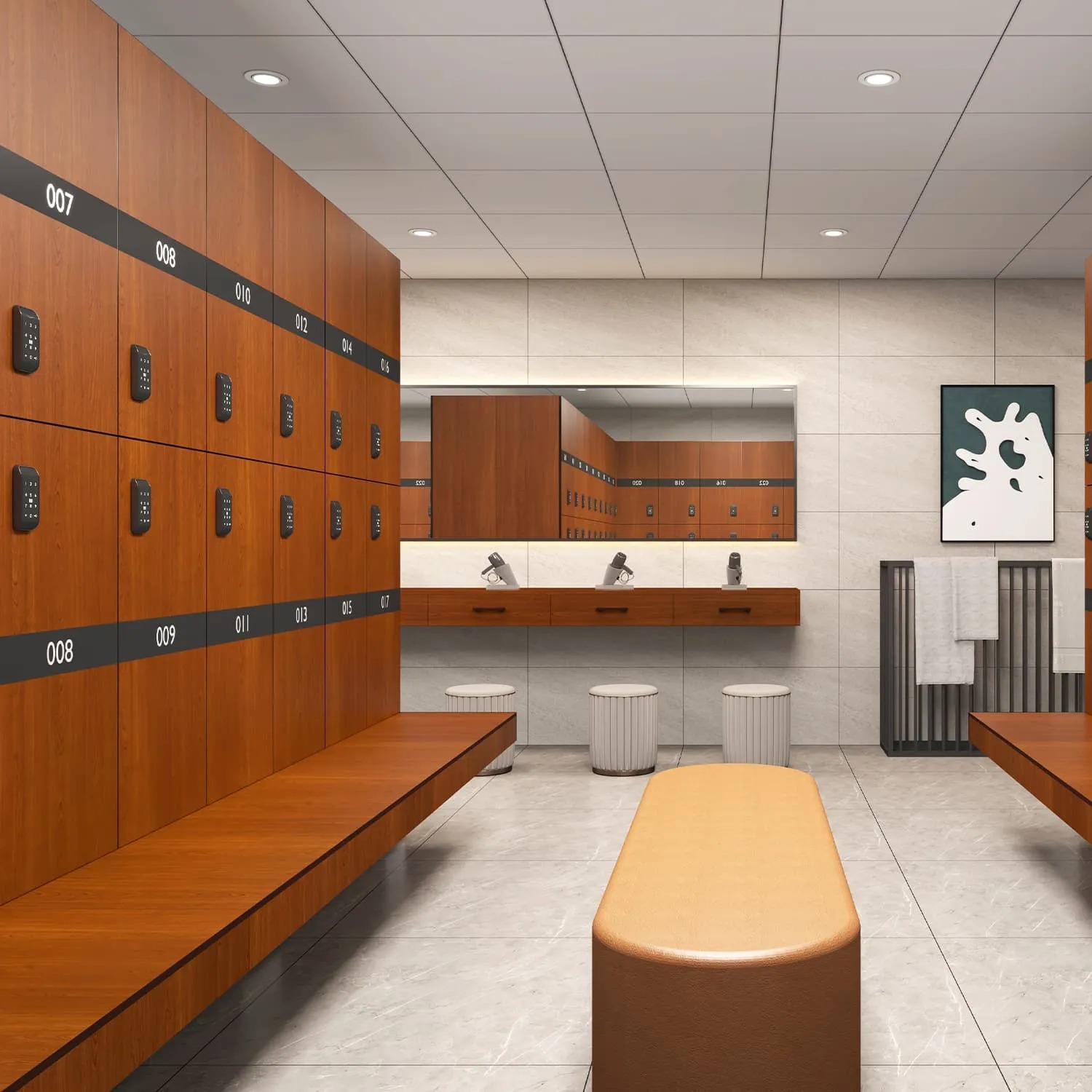
Choosing the right HPL locker factory is one of the most consequential decisions a commercial buyer can make. Whether you are outfitting a gym, school, corporate office, or healthcare facility, the factory behind your order determines product quality, lead time, compliance, and long-term value. A well-qualified HPL locker factory will not only meet your specifications but will also support your procurement process with transparent communication, consistent standards, and scalable capacity. Understanding what separates a reliable HPL locker factory from an unreliable one is the foundation of smart commercial sourcing.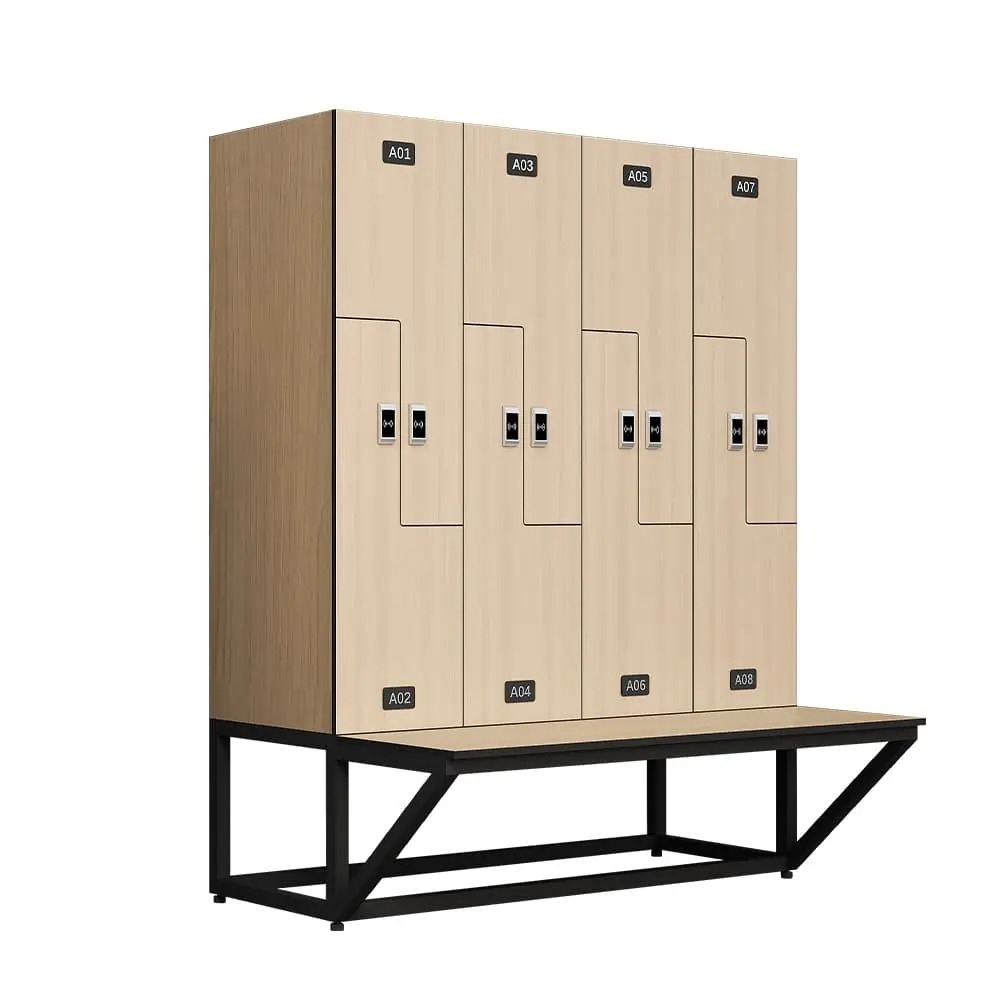
An HPL locker factory specializes in producing lockers made from High Pressure Laminate surface panels bonded to a core substrate — typically particleboard, plywood, or medium-density fiberboard (MDF) — a combination known for its durability, moisture resistance, and design flexibility. These qualities make HPL lockers the preferred choice for high-traffic commercial environments. However, not every HPL locker factory operates at the same level of technical capability or quality control. This article walks through the core criteria for evaluating an HPL locker factory, so commercial buyers can make confident, informed sourcing decisions that deliver lasting results.
What Defines a Qualified HPL Locker Factory
Material Sourcing and Panel Standards
A top-tier HPL locker factory begins with high-grade raw materials. The HPL panels used in production should meet recognized international standards for thickness, surface hardness, impact resistance, and formaldehyde emission limits, and the underlying core substrate — particleboard, plywood, or MDF — should be selected to match the load and moisture demands of the intended environment. When evaluating an HPL locker factory, always ask for material certifications and test reports from accredited laboratories. A credible HPL locker factory will readily provide documentation confirming that their panels meet environmental and safety benchmarks. Factories that source panels from verified suppliers and conduct incoming material inspections demonstrate a commitment to consistent output quality. This directly impacts the longevity and performance of every HPL locker unit delivered to your site.
Manufacturing Process and Technical Capacity
The production capabilities of an HPL locker factory reveal its suitability for commercial-scale orders. A qualified HPL locker factory will use precision cutting equipment, edge-banding machines, and controlled assembly processes to ensure dimensional accuracy and finish quality. The ability to handle custom configurations, including varied compartment sizes, core substrate choices, locking mechanisms, and color options, is a strong indicator of factory maturity. Buyers sourcing in volume should confirm that the HPL locker factory has sufficient production capacity to fulfill their order within the required timeline without compromising quality. Lead time transparency is a hallmark of a trustworthy HPL locker factory partner.
Quality Control and Compliance at an HPL Locker Factory
In-Process Inspection and Finished Goods Testing
Robust quality control distinguishes a professional HPL locker factory from a substandard one. During production, a reputable HPL locker factory will conduct in-process inspections at critical stages, including panel preparation, core assembly, hardware fitting, and surface finishing. These checkpoints reduce defect rates and catch issues before products reach final packaging. After production, finished HPL lockers should undergo functional testing covering door alignment, hinge durability, lock operation, and surface integrity. A reliable HPL locker factory will share inspection reports with buyers and welcome third-party audits. Buyers should treat a factory's openness to external quality verification as a strong trust signal when making sourcing decisions.
Certifications and Export Compliance
A commercially viable HPL locker factory should hold relevant industry certifications that validate its production standards and management systems. ISO 9001 certification indicates that an HPL locker factory operates under a documented quality management system with regular internal and external audits. Certifications covering formaldehyde emission limits for the core substrate (particleboard, plywood, or MDF) are equally important for buyers sourcing into markets with strict environmental standards. For export orders, the HPL locker factory should also be able to assist with compliance documentation, customs requirements, and product labeling standards relevant to the destination market. Buyers sourcing internationally should verify that the HPL locker factory has experience handling export logistics and can provide packing lists, certificates of origin, and test reports in the required formats. A factory experienced in international trade reduces sourcing risk significantly.
Evaluating an HPL Locker Factory for Long-Term Partnership
Customization Capability and Design Support
Commercial projects often require tailored solutions. An HPL locker factory that offers design support, sample production, and prototype review enables buyers to validate specifications before committing to a full order. The ability to accommodate custom dimensions, core substrate selection, surface textures, color matching, and integrated accessories such as ventilation slots or number plates reflects the engineering depth of an HPL locker factory. Buyers should request samples from any HPL locker factory under consideration and assess the fit, finish, and hardware quality firsthand. A factory willing to invest in sampling and design iteration demonstrates a customer-oriented approach that supports successful long-term collaboration.
Communication, Responsiveness, and After-Sales Support
The relationship with an HPL locker factory does not end at shipment. After-sales support, including spare parts availability, warranty handling, and technical guidance for installation, is an important factor in the total cost of ownership. An HPL locker factory that assigns dedicated account managers to commercial buyers and responds promptly to inquiries signals a professional service culture. Consistent communication throughout the order lifecycle, from quotation to delivery, reduces the risk of misunderstandings and delays. When evaluating an HPL locker factory for a long-term sourcing partnership, consider the quality of interaction during the inquiry stage as a reliable preview of how the factory will handle future orders and post-delivery issues.
FAQ
What materials should a credible HPL locker factory use in production?
A credible HPL locker factory should use HPL surface panels that meet international standards for thickness, surface hardness, and low formaldehyde emission, bonded to a core substrate of particleboard, plywood, or medium-density fiberboard (MDF) depending on the application. The factory should source panels from verified suppliers and provide material test reports upon request. Core substrate, edge-banding materials, and hardware components should also meet commercial-grade specifications to ensure durable and safe finished products.
How do I verify the quality standards of an HPL locker factory before placing an order?
You can verify the quality standards of an HPL locker factory by requesting ISO certifications, material test reports, and in-process inspection records. Requesting physical samples before committing to a full order is highly recommended. You may also arrange a factory audit through a third-party inspection agency to review the production environment, equipment capability, and quality control procedures firsthand.
What lead times should I expect from a commercial-scale HPL locker factory?
Lead times at a commercial-scale HPL locker factory typically range from three to eight weeks depending on order volume, customization complexity, and current production scheduling. A transparent HPL locker factory will provide a detailed production timeline at the quotation stage and communicate proactively if any delays arise. Buyers should confirm capacity availability before placing large orders to avoid unexpected delays in project delivery.


