 EN
EN


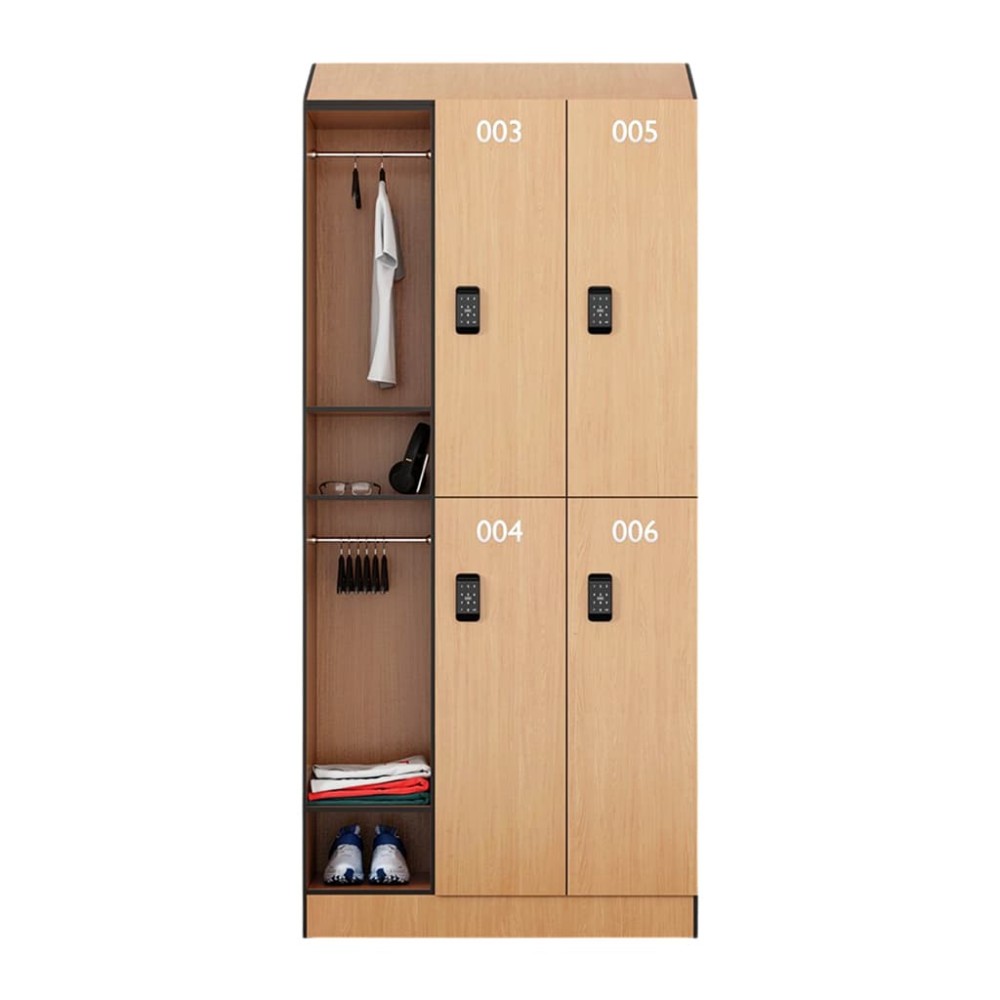
For most school administrators, school lockers are a background fixture — present, functional, and rarely thought about until something goes wrong. Yet the condition and design of school lockers directly affect student safety, daily workflow, and the overall learning environment. Knowing when to upgrade them is not simply a maintenance question; it is a strategic decision that touches on security, hygiene, space efficiency, and institutional image.
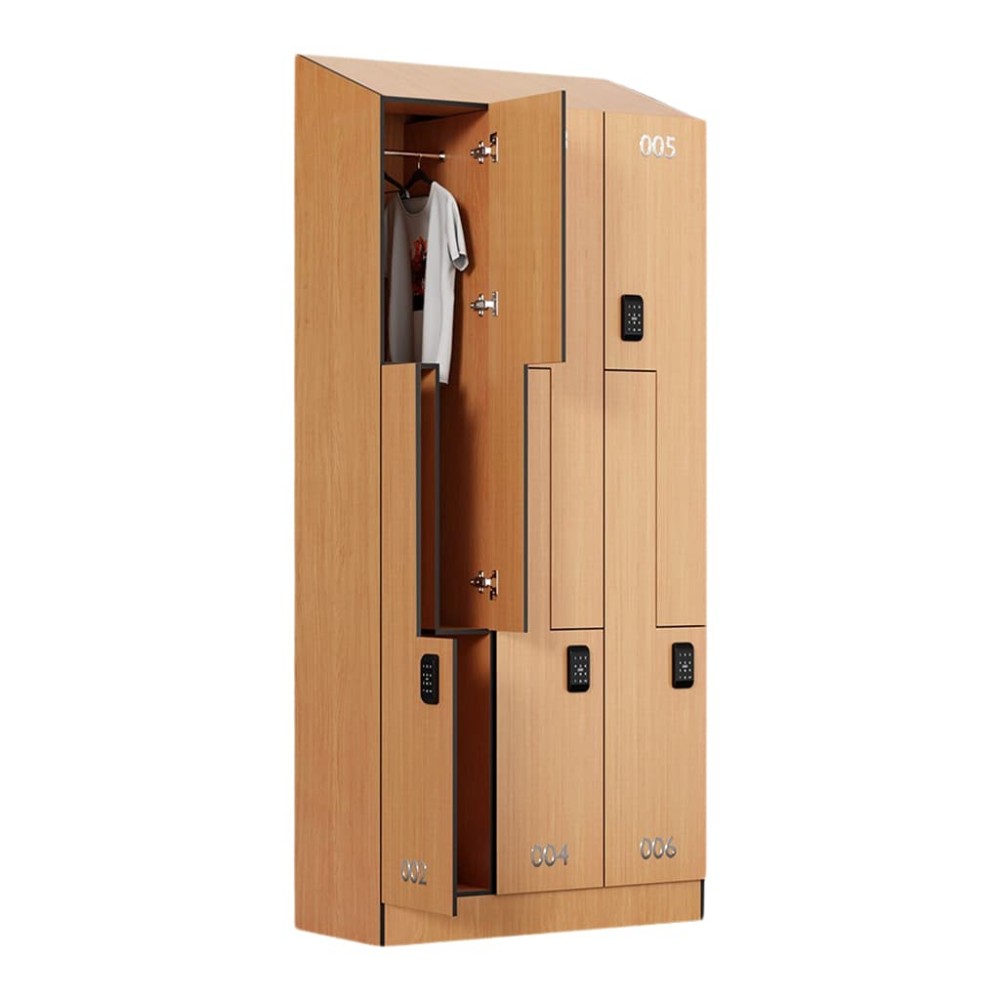
Schools that delay locker upgrades often face compounding problems — from structural failures and hygiene complaints to student dissatisfaction and increased maintenance costs. Understanding the key signals that indicate it is time to replace or upgrade school lockers helps administrators make proactive, budget-conscious decisions rather than reactive ones. This article walks through the most important timing triggers, conditions, and readiness signals that should prompt a serious evaluation of your current locker infrastructure.
Physical Deterioration and Structural Failure
Visible Damage That Compromises Function
One of the clearest signals that school lockers need upgrading is visible physical deterioration. When locker doors no longer close properly, hinges are bent or broken, or locking mechanisms fail repeatedly, the lockers are no longer serving their core purpose. Students cannot securely store their belongings, which creates both a safety concern and a daily frustration that disrupts the school environment.
Over time, heavy impacts can cause material fatigue, leading to warped panel connections. Once structural alignment is lost, no amount of temporary fixing will restore the locker's integrity. At that point, replacement is the only responsible course of action to ensure operational reliability.
Sharp edges caused by cracked or splintered panels pose a direct injury risk to students. Schools have a duty of care, and allowing students to interact daily with damaged school lockers creates unnecessary liability. When physical damage reaches this level, the upgrade decision should be treated as urgent rather than optional.
Aging Infrastructure Beyond Its Service Life
Most commercial-grade school lockers are designed with a service life of 10 to 20 years, depending on material quality, usage intensity, and maintenance practices. Schools that are still operating lockers installed two or three decades ago are likely running infrastructure well past its intended lifespan. Even if the lockers appear functional on the surface, internal mechanisms, panel integrity, and locking systems may be quietly degrading.
Older school lockers were also built to different structural and space standards. Modern locker systems offer vastly improved passive ventilation, easy-to-clean smooth core materials, and more robust locking options — features that older units simply cannot provide. When a school's locker stock is aging, a systematic audit should be conducted to assess how many units are approaching or exceeding their service life, and a phased replacement plan should be developed accordingly.
Hygiene and Health Concerns
Moisture, Mold, and Poor Ventilation
Hygiene is a growing concern in school environments, and school lockers play a larger role in this than many administrators realize. Lockers that lack adequate ventilation trap moisture from wet clothing, sports equipment, and food containers. Over time, this creates conditions that promote mold and bacterial growth — both of which pose genuine health risks to students.
If your school has received complaints about persistent odors emanating from locker areas, or if cleaning staff have reported mold growth inside locker units, these are strong signals that the current school lockers are not fit for purpose. Modern locker designs incorporate structural ventilation slots, non-porous and moisture-resistant surface materials such as high-pressure laminate, and antimicrobial treatments that actively resist the buildup of bacteria and fungi.
Schools located in high-humidity regions, or those with large sports programs that generate significant volumes of wet gear, should prioritize inherently waterproof school lockers as part of any upgrade. The health implications of poor locker hygiene extend beyond discomfort — they can contribute to respiratory issues and skin conditions among students who use affected units regularly.
Post-Pandemic Hygiene Standards
The global health events of recent years have raised baseline expectations for hygiene in shared spaces, including schools. Many institutions have updated their cleaning protocols and surface standards across classrooms and common areas, yet school lockers have sometimes been overlooked in these reviews. Older locker surfaces with textured finishes, deep open seams, or porous structural surfaces are difficult to disinfect effectively and can harbor pathogens even after routine cleaning.
Upgrading to school lockers with smooth, non-porous surfaces makes routine disinfection faster and more effective. This is not merely a cosmetic improvement — it is a meaningful contribution to the school's overall hygiene infrastructure. When a school is conducting a broader health and safety review, the locker inventory should be included in that assessment.
Changing Space Requirements and Student Needs
Enrollment Growth and Insufficient Locker Capacity
Schools that have experienced significant enrollment growth may find that their existing school lockers no longer meet demand. When students are sharing lockers, going without assigned storage, or using makeshift alternatives, the school's storage infrastructure has fallen behind its operational needs. This is a clear timing trigger for an upgrade or expansion.
Beyond raw numbers, the size and configuration of school lockers may no longer match what students actually need to store. Modern students carry larger backpacks, laptops, sports equipment, and personal items that older, narrower locker designs were never intended to accommodate. Upgrading to wider or taller locker configurations — or introducing modular systems that can be reconfigured as needs change — directly improves the daily experience for students and reduces congestion in hallways and changing areas.
Curriculum and Program Changes
When a school introduces new programs — such as expanded physical education, performing arts, vocational training, or STEM labs — the storage requirements of students change significantly. A school that adds a competitive sports program, for example, will suddenly need locker facilities that can handle larger equipment, wet gear, and more frequent access throughout the day.
School lockers that were adequate for a standard academic program may be entirely unsuitable for these expanded use cases. Administrators should evaluate locker infrastructure whenever a major curriculum or program change is planned, rather than waiting for the inadequacy to become a daily operational problem. Proactive planning at this stage allows locker upgrades to be integrated into broader facility improvement budgets.
Security Upgrades and Modern Locking Systems
Outdated Locking Mechanisms
Security is a fundamental expectation for school lockers. Students need to trust that their personal belongings — including electronics, medications, and valuables — are safely stored. Older locker systems that rely on worn combination locks or basic padlock hasps offer limited security and are frequently compromised by mechanical failure or simple manipulation.
Modern school lockers are available with a range of advanced locking options, including heavy-duty key locks, combination locks with anti-pick mechanisms, RFID card access, and digital keypad systems. These options not only improve security but also simplify administration — particularly in schools where lost keys and forgotten combinations create a constant stream of maintenance requests. When a school's current locking systems are generating frequent complaints or security incidents, it is a strong signal that an upgrade is overdue.
Compliance with Safety Regulations
School facilities are subject to evolving safety and building regulations. In some jurisdictions, locker installations must meet specific standards related to fire resistance, heavy structural anchoring, or accessibility for students with disabilities. School lockers that were installed under older regulatory frameworks may no longer comply with current requirements.
When a school undergoes a formal safety audit or prepares for a building inspection, the locker inventory should be reviewed for compliance. Non-compliant school lockers may need to be replaced not because they are physically worn out, but because they no longer meet the legal standards required for a safe school environment. Addressing this proactively avoids the risk of enforcement action and demonstrates a commitment to student welfare.
Renovation, Rebranding, and Facility Upgrades
Aligning Lockers with Broader Facility Improvements
When a school undertakes a significant renovation — whether it involves new classrooms, updated common areas, or a modernized entrance — the existing school lockers can become a visual inconsistency that undermines the overall improvement. Worn, outdated lockers in a freshly renovated corridor send a mixed message about the school's investment in its environment.
Coordinating locker upgrades with broader facility renovations is both cost-effective and visually coherent. Modern school lockers are available in a wide range of colors, finishes, and configurations that can be customized to complement the school's design language and branding. This is an opportunity to create a cohesive, welcoming environment that reflects positively on the institution and contributes to student pride in their school.
Supporting School Rebranding or New Campus Development
Schools that are rebranding — adopting new colors, a new identity, or a new educational philosophy — often invest in visible environmental changes to signal that transformation. School lockers are a high-visibility element of the school environment, present in hallways, changing rooms, and common areas that students pass through multiple times each day.
Upgrading school lockers as part of a rebranding initiative reinforces the message of change and investment. Custom color options, logo integration, and modern finishes allow school lockers to become a deliberate part of the school's visual identity rather than a neutral background element. For new campus developments, specifying high-quality, durable school lockers from the outset avoids the need for early replacement and sets a strong standard for the facility.
FAQ
How often should schools replace their school lockers?
There is no fixed universal schedule, but most commercial-grade school lockers have a service life of 10 to 20 years. Schools should conduct a formal condition audit every five years and replace units that show significant structural damage, persistent hygiene issues, or non-compliance with current safety standards. High-use environments may require earlier replacement cycles.
What materials are best for school lockers in high-humidity environments?
High-pressure laminate, commonly known as HPL, is widely regarded as one of the most suitable materials for school lockers in humid conditions. It is completely moisture-resistant, easy to clean, highly durable, and available in a wide range of colors and finishes. Because it does not delaminate or break down when exposed to water, HPL school lockers are particularly well-suited for changing rooms, sports facilities, and schools in humid climates.
Can school lockers be upgraded without a full replacement?
In some cases, partial upgrades are possible — for example, replacing locking mechanisms, refacing door panels, or adding ventilation inserts to existing locker bodies. However, if the structural integrity of the locker core is compromised, or if the units are significantly outdated in terms of size and configuration, a full replacement is usually more cost-effective in the long run than repeated partial repairs.
What should schools prioritize when selecting new school lockers?
Schools should prioritize durability, hygiene performance, security features, and configurability. The locker material should be appropriate for the specific environment — waterproof, solid-core options for sports and changing areas, and highly impact-resistant options for high-traffic hallways. Locking systems should match the school's security requirements and administrative capacity. Custom sizing and color options allow school lockers to fit both the physical space and the school's visual identity.


