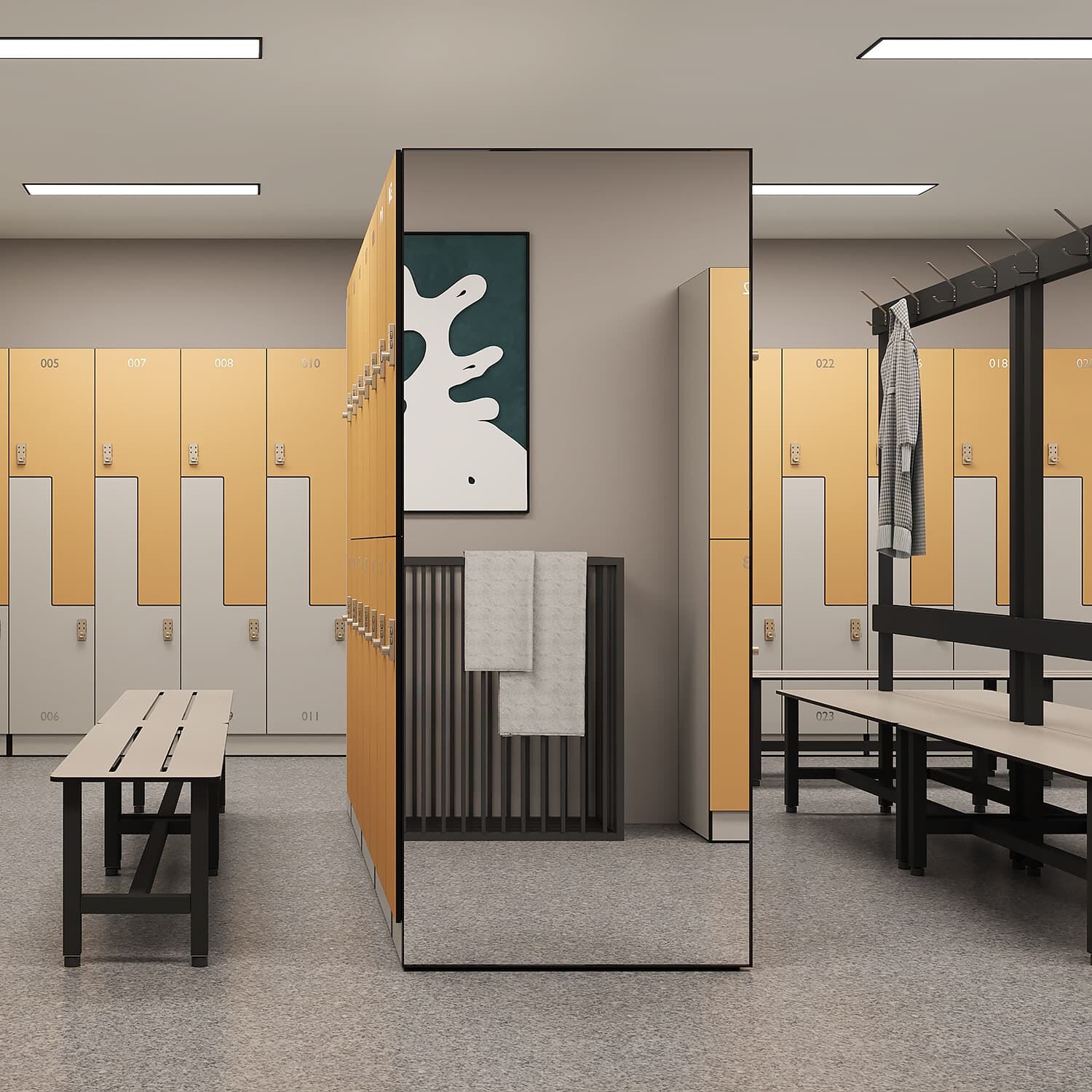
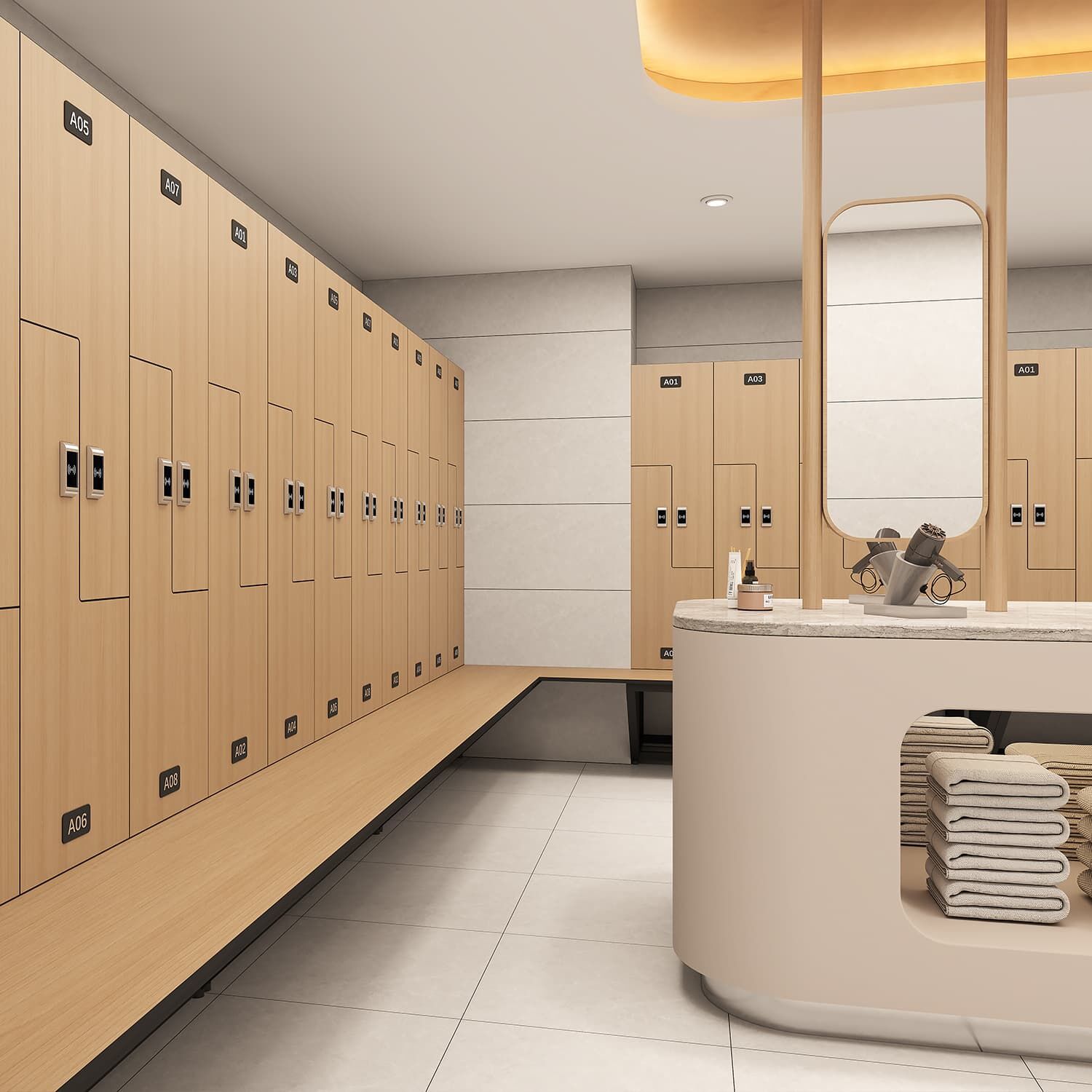
ইলেকট্রনিক স্টোরেজ লকার
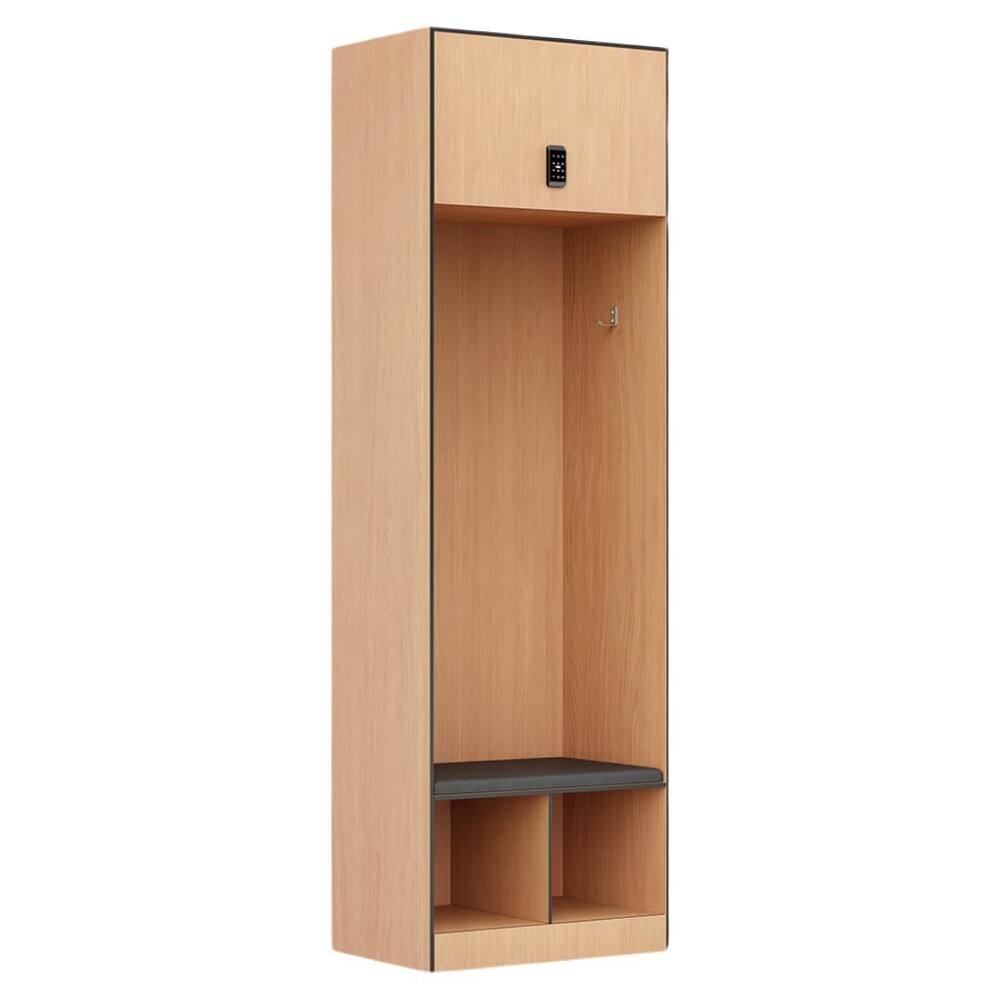
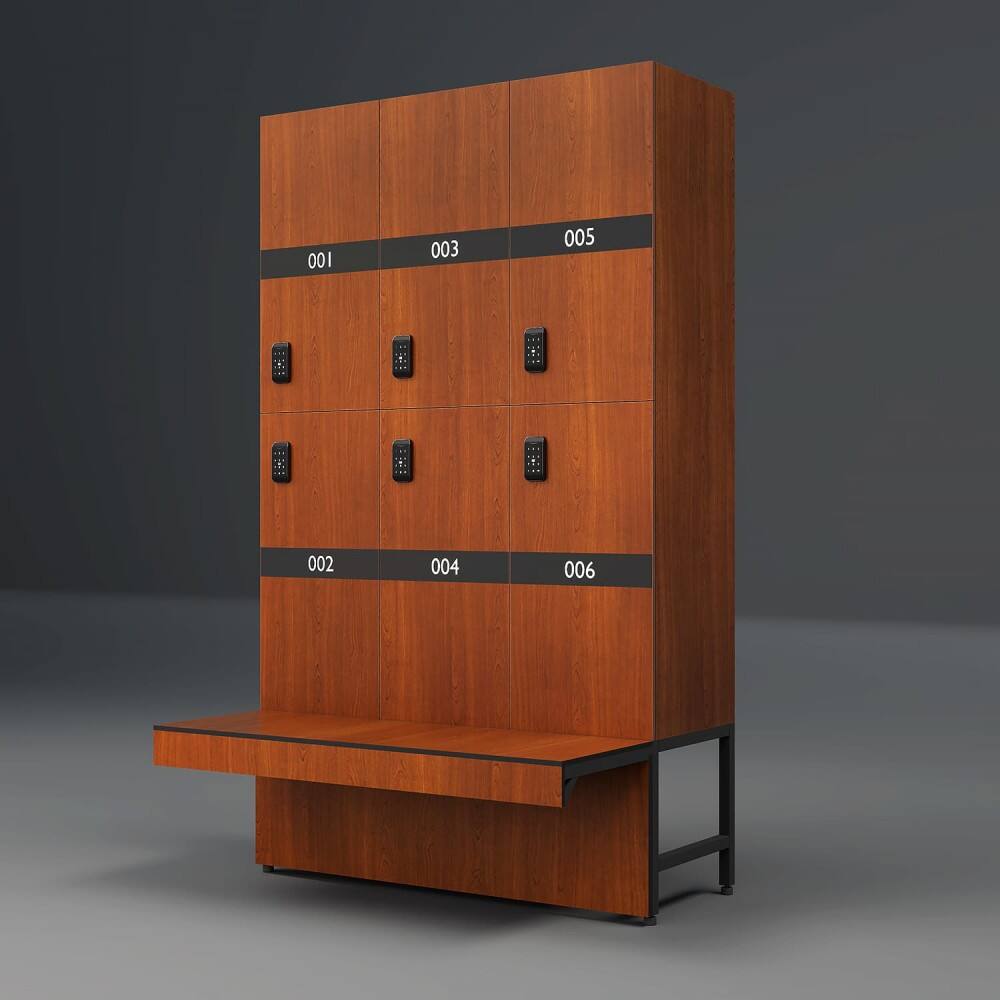
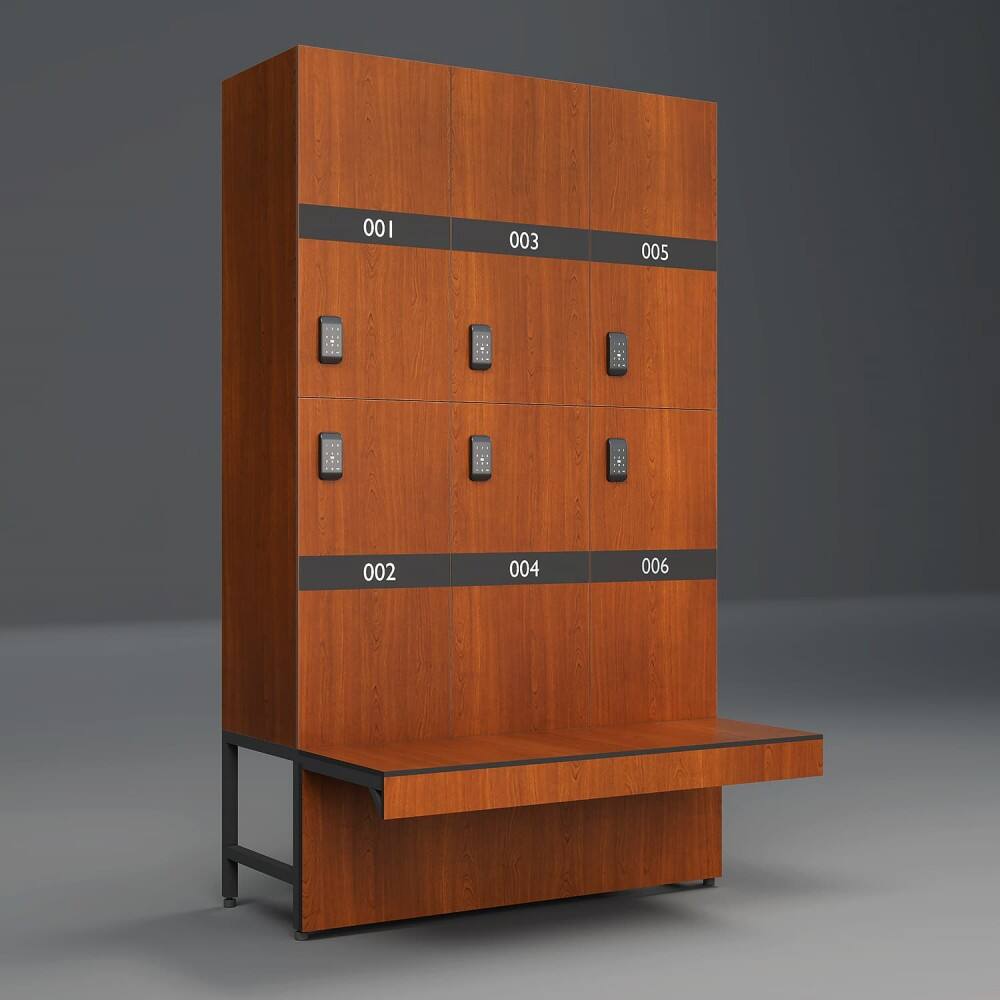
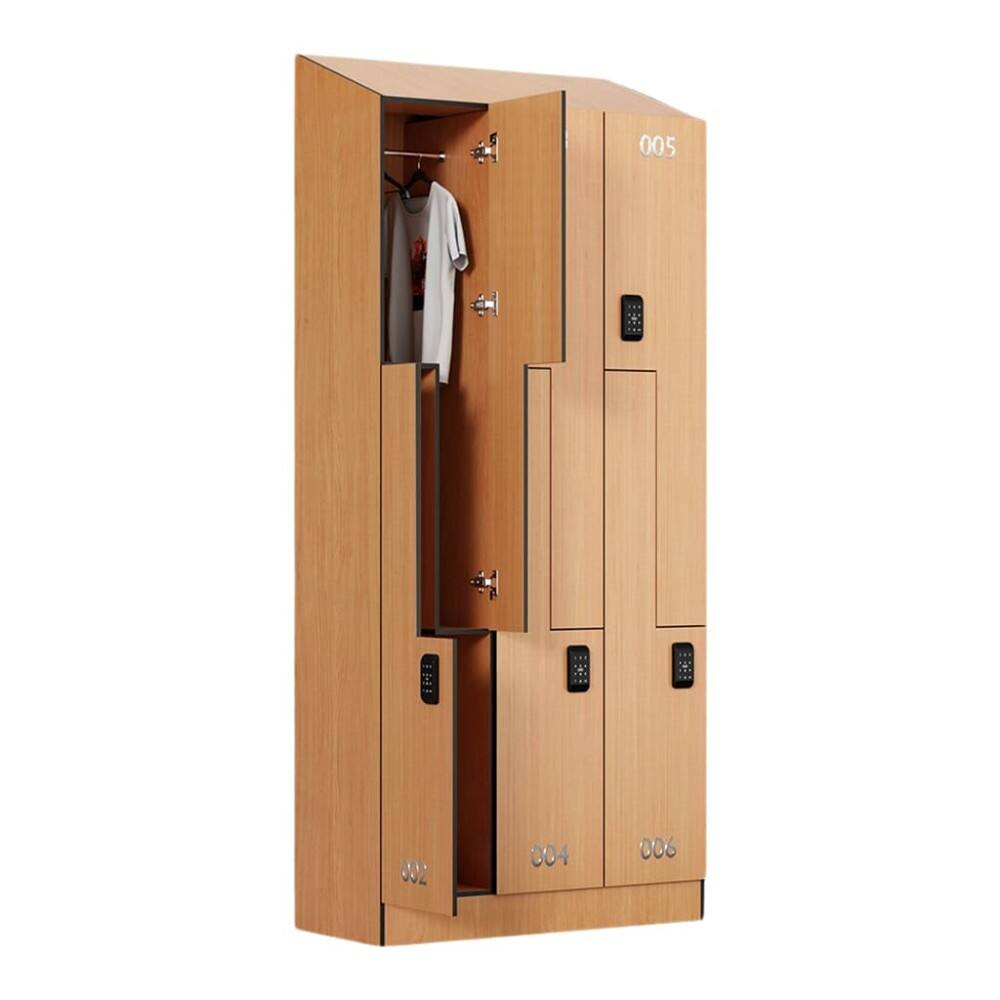
ইলেকট্রনিক স্টোরেজ লকারগুলি নিরাপদ স্টোরেজ সমাধানের ক্ষেত্রে একটি বিপ্লবী অগ্রগতি প্রতিনিধিত্ব করে, যা আধুনিক স্টোরেজ চাহিদা পূরণের জন্য সর্বোচ্চ প্রযুক্তিগত উন্নতি এবং ব্যবহারিক কার্যকারিতার সমন্বয় ঘটায়। এই বুদ্ধিমান স্টোরেজ সিস্টেমগুলি বিভিন্ন প্রমাণীকরণ পদ্ধতি—যেমন পিন কোড, আরএফআইডি কার্ড, জৈবমেট্রিক স্ক্যানার এবং মোবাইল অ্যাপ্লিকেশন—এর মাধ্যমে ব্যক্তিগত কম্পার্টমেন্টগুলিতে স্বয়ংক্রিয়, নিরাপদ ও সুবিধাজনক প্রবেশাধিকার প্রদান করতে উন্নত ইলেকট্রনিক যান্ত্রিক ব্যবস্থা ব্যবহার করে। ইলেকট্রনিক স্টোরেজ লকারগুলির মূল প্রযুক্তির মধ্যে অন্তর্ভুক্ত রয়েছে মাইক্রোপ্রসেসর-নিয়ন্ত্রিত লকিং সিস্টেম, একীভূত সার্কিট বোর্ড এবং উন্নত সফটওয়্যার প্ল্যাটফর্ম, যা ব্যবহারকারীদের প্রবেশাধিকার পরিচালনা করে, ব্যবহারের প্যাটার্ন পর্যবেক্ষণ করে এবং বিস্তারিত অডিট ট্রেল বজায় রাখে। এই সিস্টেমগুলি শক্তিশালী নির্মাণ বৈশিষ্ট্যযুক্ত—যেমন শক্তিশালী ইস্পাত ফ্রেম, ক্ষতিসাধন-প্রতিরোধী ডিজাইন এবং বাইরের ইনস্টলেশনের জন্য আবহাওয়া-প্রতিরোধী ক্ষমতা। ইলেকট্রনিক স্টোরেজ লকারগুলি নিরাপত্তা প্রোটোকলের একাধিক স্তর ব্যবহার করে, যার ফলে ব্যবহারকারীদের প্রমাণীকরণ তথ্যের জন্য ডেটা এনক্রিপশন নিশ্চিত হয় এবং ব্যাকআপ ব্যাটারি সিস্টেমের মাধ্যমে বিদ্যুৎ বিচ্ছিন্নতার সময়েও অননুমোদিত প্রবেশাধিকার রোধ করার জন্য ফেইল-সেফ ব্যবস্থা বাস্তবায়িত হয়। আধুনিক ইলেকট্রনিক স্টোরেজ লকারগুলি বিদ্যমান সুবিধা ব্যবস্থাপনা সিস্টেমের সাথে সহজেই একীভূত হয়, যা বাস্তব সময়ে পর্যবেক্ষণ ক্ষমতা এবং দূর থেকে প্রশাসনিক বৈশিষ্ট্য প্রদান করে। প্রযুক্তিগত অবকাঠামোটি স্কেলযোগ্য কনফিগারেশনকে সমর্থন করে, যার ফলে সংস্থাগুলি তাদের স্টোরেজ ক্ষমতা বাড়াতে পারে বিনা উল্লেখযোগ্য অবকাঠামোগত পরিবর্তনে। এই সিস্টেমগুলি বিভিন্ন আকারের প্রয়োজনীয়তা পূরণ করে—যেমন সংকুচিত ব্যক্তিগত বস্তু সংরক্ষণ থেকে শুরু করে বড় পার্সেল পরিচালনার ক্ষমতা পর্যন্ত। ইলেকট্রনিক স্টোরেজ লকারগুলির প্রয়োগ বহু শিল্প ও পরিবেশে বিস্তৃত, যেমন কর্পোরেট অফিস, শিক্ষাপ্রতিষ্ঠান, স্বাস্থ্যসেবা প্রতিষ্ঠান, বিনোদন কেন্দ্র, পরিবহন হাব, খুচরা বিক্রয় প্রতিষ্ঠান এবং আবাসিক জটিল। কর্মস্থলে ইলেকট্রনিক স্টোরেজ লকারগুলি কর্মচারী, ঠিকাদার এবং পরিদর্শকদের জন্য নিরাপদ ব্যক্তিগত স্টোরেজ সমাধান হিসেবে কাজ করে, যা ঐতিহ্যগত চাবি ব্যবস্থাপনা সিস্টেমের প্রয়োজনীয়তা দূর করে। শিক্ষাপ্রতিষ্ঠানগুলি এই সিস্টেমগুলি শিক্ষার্থীদের ব্যক্তিগত জিনিসপত্র, সরঞ্জাম সংরক্ষণ এবং নিরাপদ দলিল পরিচালনার জন্য ব্যবহার করে। স্বাস্থ্যসেবা প্রতিষ্ঠানগুলি চিকিৎসা সরবরাহ, রোগীদের ব্যক্তিগত জিনিসপত্র এবং কর্মীদের ব্যক্তিগত বস্তু সংরক্ষণের জন্য ইলেকট্রনিক স্টোরেজ লকার বাস্তবায়ন করে, যা কঠোর স্বাস্থ্য ও নিরাপত্তা মানদণ্ড মেনে চলার নিশ্চয়তা প্রদান করে। ইলেকট্রনিক স্টোরেজ লকারগুলির বহুমুখিতা প্যাকেজ ডেলিভারি সেবার ক্ষেত্রেও প্রসারিত হয়েছে, যেখানে এগুলি ই-কমার্স লেনদেনের জন্য স্বয়ংক্রিয় পিক-আপ ও ড্রপ-অফ পয়েন্ট হিসেবে কাজ করে, যার ফলে ডেলিভারি লজিস্টিক্সের জটিলতা কমে এবং গ্রাহকদের সুবিধা বৃদ্ধি পায়।
 EN
EN


 অনলাইন