কিউবিকল ডাব্লুসি
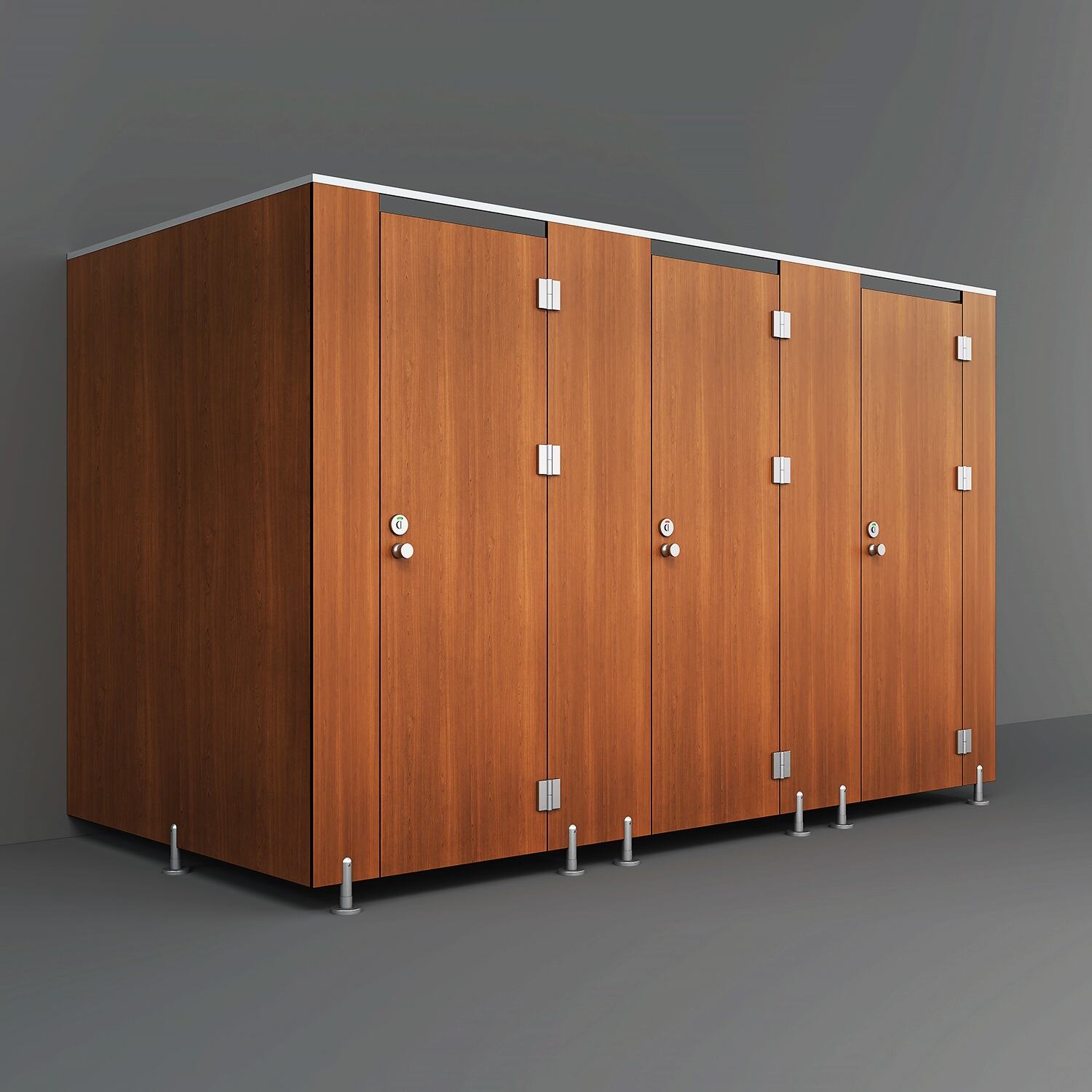
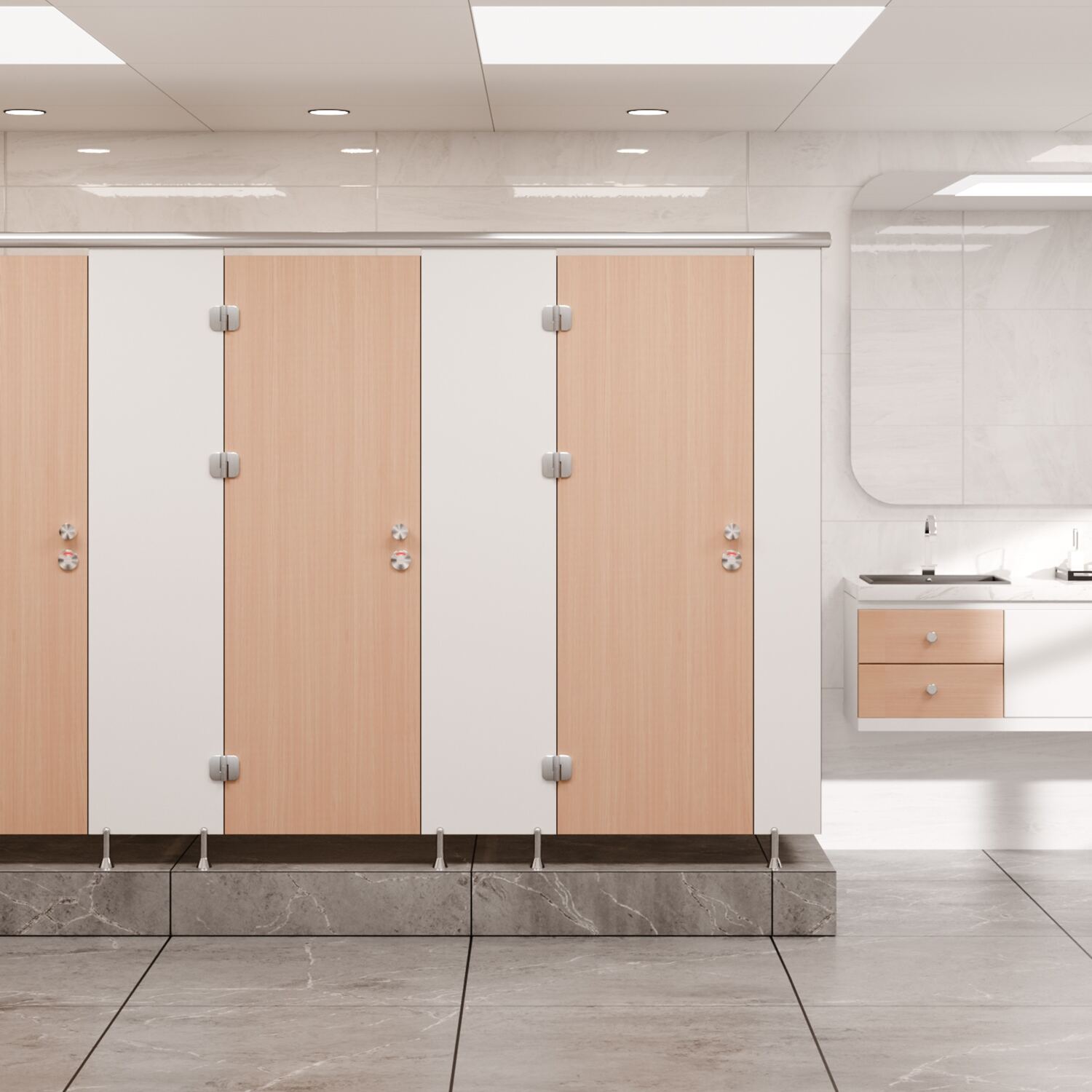
কিউবিকল ডাব্লুসি (wc) আধুনিক স্যানিটেশন অবকাঠামোতে একটি বিপ্লবী অগ্রগতি প্রতিনিধিত্ব করে, যা বিভিন্ন পরিবেশের জন্য দক্ষ ও স্বাস্থ্যসম্মত শৌচাগার সমাধান প্রদানের উদ্দেশ্যে নকশা করা হয়েছে। এই উদ্ভাবনী টয়লেট সিস্টেমটি স্থান-সংরক্ষণকারী ডিজাইন এবং উচ্চমানের কার্যকারিতার সমন্বয় ঘটায়, ফলে এটি বাণিজ্যিক ভবন, অফিস, বিদ্যালয়, হাসপাতাল এবং সরকারি সুবিধা—সব কয়টির জন্যই আদর্শ পছন্দ। কিউবিকল ডাব্লুসি-এর ডিজাইন কম্প্যাক্ট হওয়া সত্ত্বেও ব্যবহারকারীর গোপনীয়তা ও আরামদায়ক অভিজ্ঞতা বজায় রাখতে উপলব্ধ স্থানকে সর্বোচ্চ কার্যকরভাবে ব্যবহার করে। এর মডুলার নির্মাণ পদ্ধতি নতুন নির্মাণ প্রকল্প এবং পুনর্নির্মাণ পরিস্থিতি উভয় ক্ষেত্রেই সহজ ইনস্টলেশনকে সমর্থন করে। এই সিস্টেমে উন্নত ফ্লাশিং ব্যবস্থা অন্তর্ভুক্ত রয়েছে যা অপচয় দূরীকরণের সর্বোত্তম কার্যকারিতা নিশ্চিত করে এবং একসাথে জল সংরক্ষণের ব্যবস্থা করে। আধুনিক কিউবিকল ডাব্লুসি ইউনিটগুলি সাধারণত দেয়াল-মাউন্টেড বা ফ্লোর-স্ট্যান্ডিং কনফিগারেশনে পাওয়া যায়, যা নির্দিষ্ট ইনস্টলেশন প্রয়োজন এবং স্থানের সীমাবদ্ধতার উপর নির্ভর করে। প্রযুক্তিগত একীকরণের মধ্যে টাচলেস সক্রিয়াকরণ সিস্টেম, স্বয়ংক্রিয় ফ্লাশিং ক্ষমতা এবং জল-দক্ষ ব্যবস্থা অন্তর্ভুক্ত রয়েছে, যা ঐতিহ্যগত টয়লেট সিস্টেমের তুলনায় জল ব্যবহার প্রায় চল্লিশ শতাংশ পর্যন্ত কমিয়ে দেয়। কিউবিকল ডাব্লুসি-এর ডিজাইন টিকে থাকার ক্ষমতাকে প্রাধান্য দেয়, যা ভিট্রিয়াস চায়না, স্টেইনলেস স্টিলের উপাদান এবং করোশন-প্রতিরোধী ফিক্সচারের মতো উচ্চমানের উপকরণ ব্যবহার করে যা উচ্চ-ট্রাফিক পরিবেশে ভারী ব্যবহারের মোকাবিলা করতে পারে। ইনস্টলেশনের নমনীয়তা একটি অন্যতম গুরুত্বপূর্ণ বৈশিষ্ট্য, কারণ এই ইউনিটগুলি বিভিন্ন প্লাম্বিং কনফিগারেশন এবং স্থানিক সীমাবদ্ধতা মেনে চলতে পারে। এই সিস্টেমে একীভূত ভেন্টিলেশন বৈশিষ্ট্য রয়েছে যা বায়ু সঞ্চালন বৃদ্ধি করে এবং দুর্গন্ধ কমায়। কিউবিকল ডাব্লুসি-এর ডিজাইনে নিরাপত্তা সর্বোচ্চ অগ্রাধিকার পায়, যার মধ্যে অ্যান্টি-স্লিপ পৃষ্ঠ, মানব-অভিযোজিত বসার ব্যবস্থা এবং সার্বজনীন ডিজাইন মানদণ্ড মেনে চলা অ্যাক্সেসিবিলিটি বৈশিষ্ট্য অন্তর্ভুক্ত রয়েছে। স্ব-পরিষ্কার পৃষ্ঠ, সহজে অ্যাক্সেসযোগ্য উপাদান এবং সম্ভাব্য সমস্যাগুলির প্রতি সুবিধা পরিচালকদের সতর্ক করার জন্য ডায়াগনস্টিক সিস্টেমের মাধ্যমে রক্ষণাবেক্ষণের প্রয়োজনীয়তা উল্লেখযোগ্যভাবে কমিয়ে দেওয়া হয়েছে। কিউবিকল ডাব্লুসি সিস্টেমটি জল সংরক্ষণ, শক্তি-দক্ষ কার্যকারিতা এবং নির্মাণে পুনঃব্যবহারযোগ্য উপকরণ ব্যবহারের মাধ্যমে টেকসই ভবন নির্মাণ অনুশীলনকে সমর্থন করে।
 EN
EN


 অনলাইন