Hindi karaniwang Paglaban sa Kagumon at Kemikal
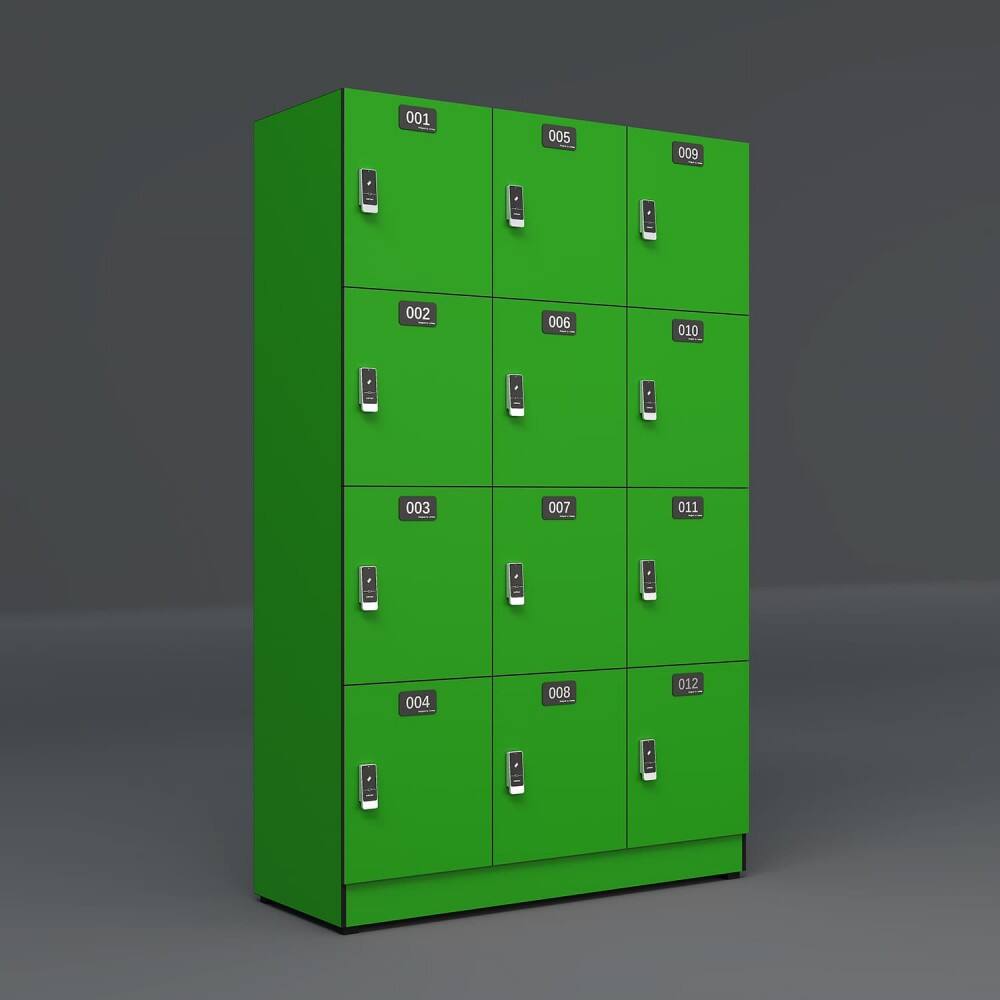
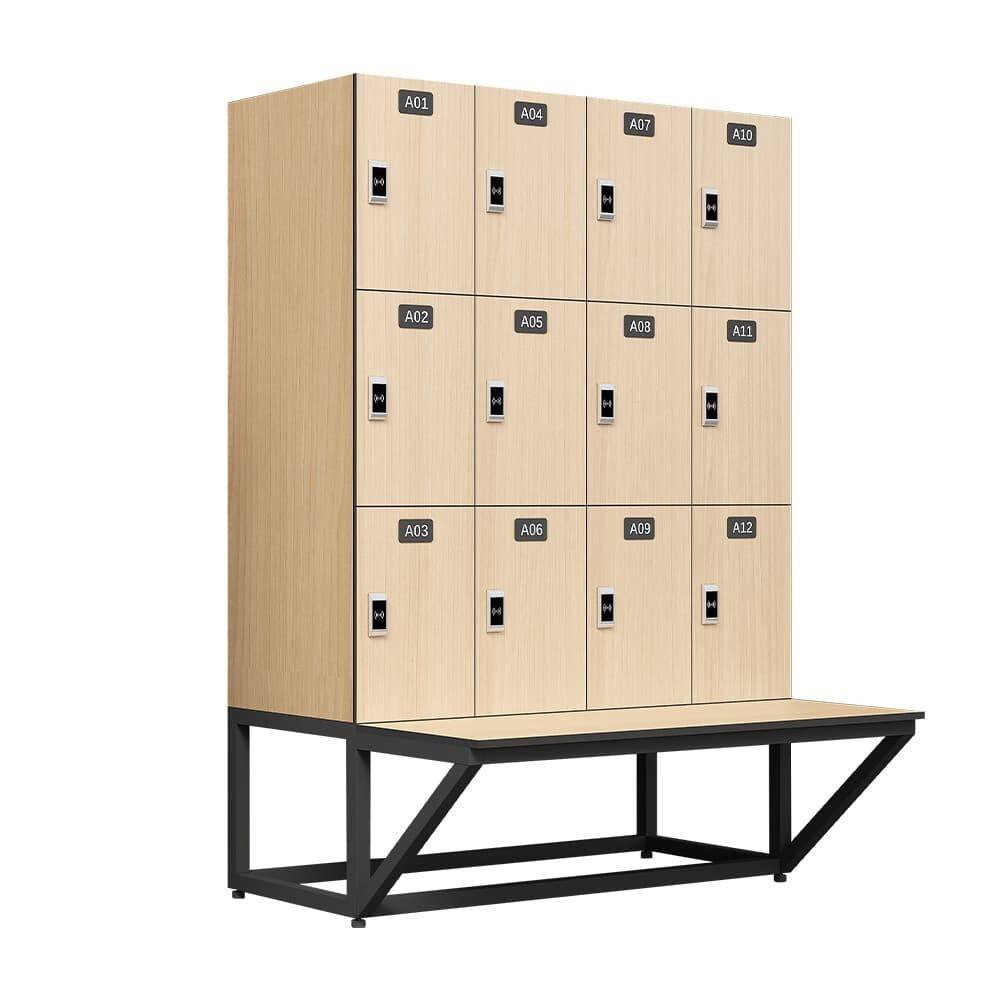
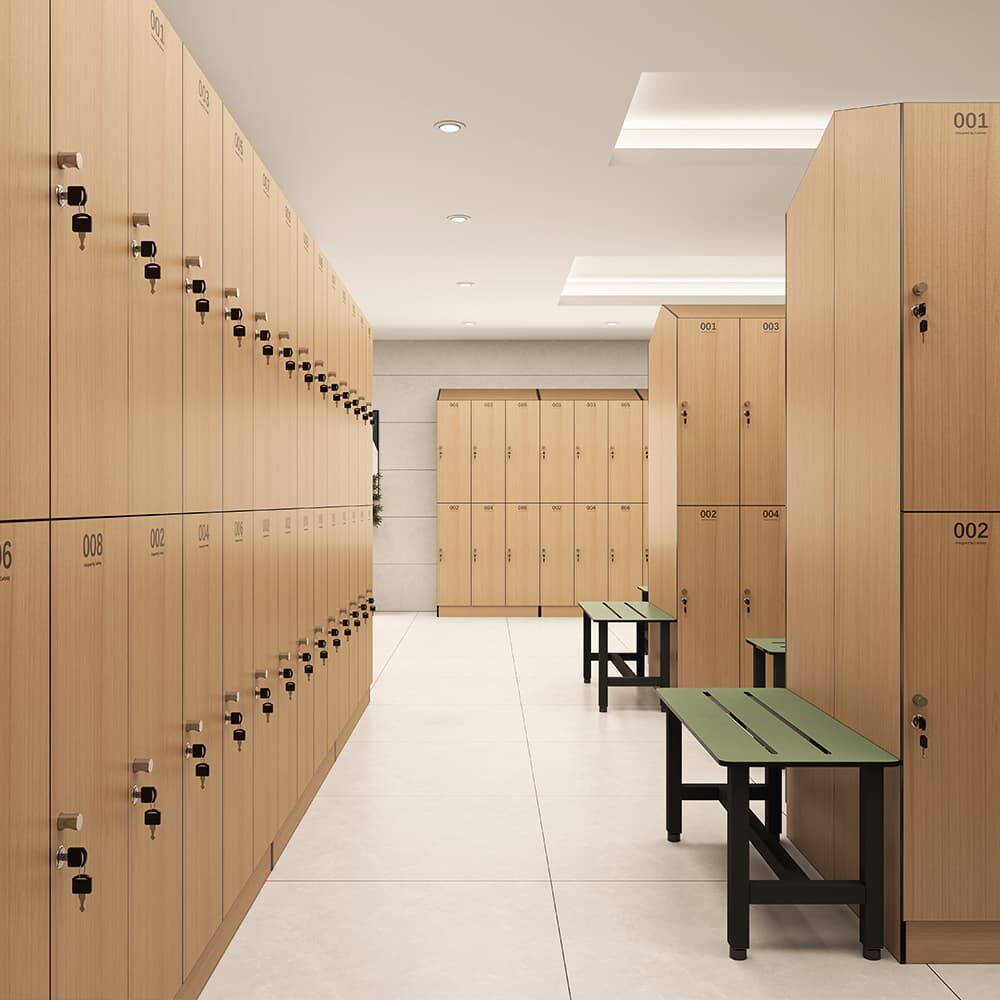
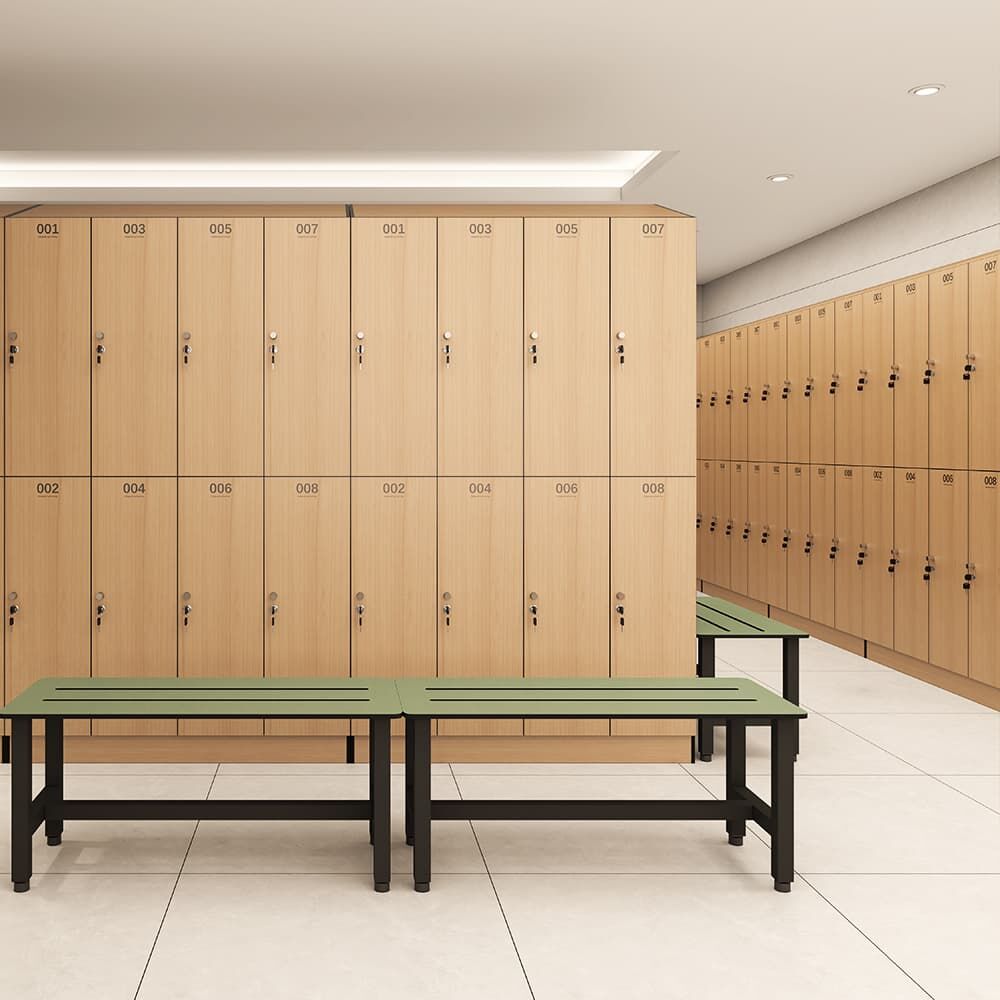
Ang mga katangian ng solidong phenolic lockers na tumutugon sa kahalumigmigan at kemikal ay nagtatag ng kanilang posisyon bilang pangunahing pagpipilian para sa mga hamon na kapaligiran kung saan nabigo ang tradisyonal na mga materyales na magbigay ng sapat na proteksyon at habambuhay. Ang matrix ng phenolic resin ay lumilikha ng isang hadlang na pinipigilan ang pagsusulot ng kahalumigmigan sa lebel ng molekula, na nag-aalis ng pagpapalaki, pagkabend, at pagkasira na karaniwang nararanasan ng mga materyales na gawa sa kahoy, pati na rin ang pagkakaroon ng rust at corrosion na sumisira sa mga alternatibong materyales na gawa sa metal. Ang ganitong resistensya sa kahalumigmigan ay lubhang mahalaga sa mga kapaligirang may mataas na antas ng kahalumigmigan tulad ng mga swimming pool, locker rooms, pasilidad sa baybayin, at tropikal na klima, kung saan mabilis na nawawasak ang mga konbensyonal na locker dahil sa paulit-ulit na eksposur sa kahalumigmigan. Ang resistensya sa kemikal ay umaabot pa sa higit pa sa simpleng kahalumigmigan, kasama na rito ang proteksyon laban sa mga acid, base, solvent, at mga kemikal na ginagamit sa paglilinis na karaniwang nakikita sa mga industriyal, edukasyonal, at pangangalagang pangkalusugan na pasilidad. Ang mga laboratoryo at pasilidad sa pagmamanupaktura ay nakikinabang mula sa mga solusyon sa imbakan na panatilihin ang kanilang integridad kapag inilantad sa mga kemikal na usok o hindi sinasadyang spill na maaaring sirain o wasakin ang mga konbensyonal na materyales. Ang resistensya sa mga kemikal na ginagamit sa paglilinis ay nagbibigay-daan sa mga namamahala ng pasilidad na ipatupad ang mahigpit na mga protokol sa sanitasyon nang walang takot sa degradasyon ng materyales, na nagpapatiyak na ang mga kinakailangan sa kalinisan ay matutugunan nang pare-pareho sa buong buhay ng serbisyo ng mga locker. Ang mga pasilidad sa pool at aquatics ay nakakakuha ng partikular na pakinabang mula sa resistensya sa chlorine na pinipigilan ang pagpaputi, pagkabrittle, at pagkabigo sa istruktura na karaniwan sa iba pang materyales kapag inilantad sa mga kemikal sa pool at mataas na antas ng kahalumigmigan. Ang pagkakapare-pareho ng dimensyon sa mga kapaligirang may mataas na kahalumigmigan ay nagpapatiyak na ang mga pinto ay patuloy na gumagana nang maayos at ang mga lock ay gumagana nang tama kahit sa mga kondisyon na maaaring magdulot ng pagpapalaki, pagkakadikit, o corrosion sa mga bahagi na gawa sa metal. Ang mga instalasyon sa baybayin ay nakikinabang mula sa resistensya sa salt air na pinipigilan ang pabilis na corrosion at degradasyon na apektado ang mga metal na locker sa mga marine environment. Ang resistensya sa kemikal ay umaabot din sa pag-alis ng graffiti, dahil maaari ring gamitin ang mga agresibong solvent sa paglilinis upang tanggalin ang vandalism nang hindi nasisira ang likas na materyales o nawawala ang kanyang mga protektibong katangian. Ang kakayahan na ito ay napakahalaga sa mga pampublikong pasilidad at edukasyonal na setting kung saan ang pag-alis ng graffiti ay isang paulit-ulit na problema sa pagpapanatili. Ang pare-parehong pagganap sa iba’t ibang uri ng eksposur sa kemikal ay nagbibigay tiwala sa mga namamahala ng pasilidad sa pangmatagalang pagganap at inaalis ang pangangailangan ng anumang protektibong coating o treatment na kailangang i-renew nang pana-panahon at nagdaragdag sa operasyonal na gastos.
 EN
EN
 SA-LINYA