 EN
EN


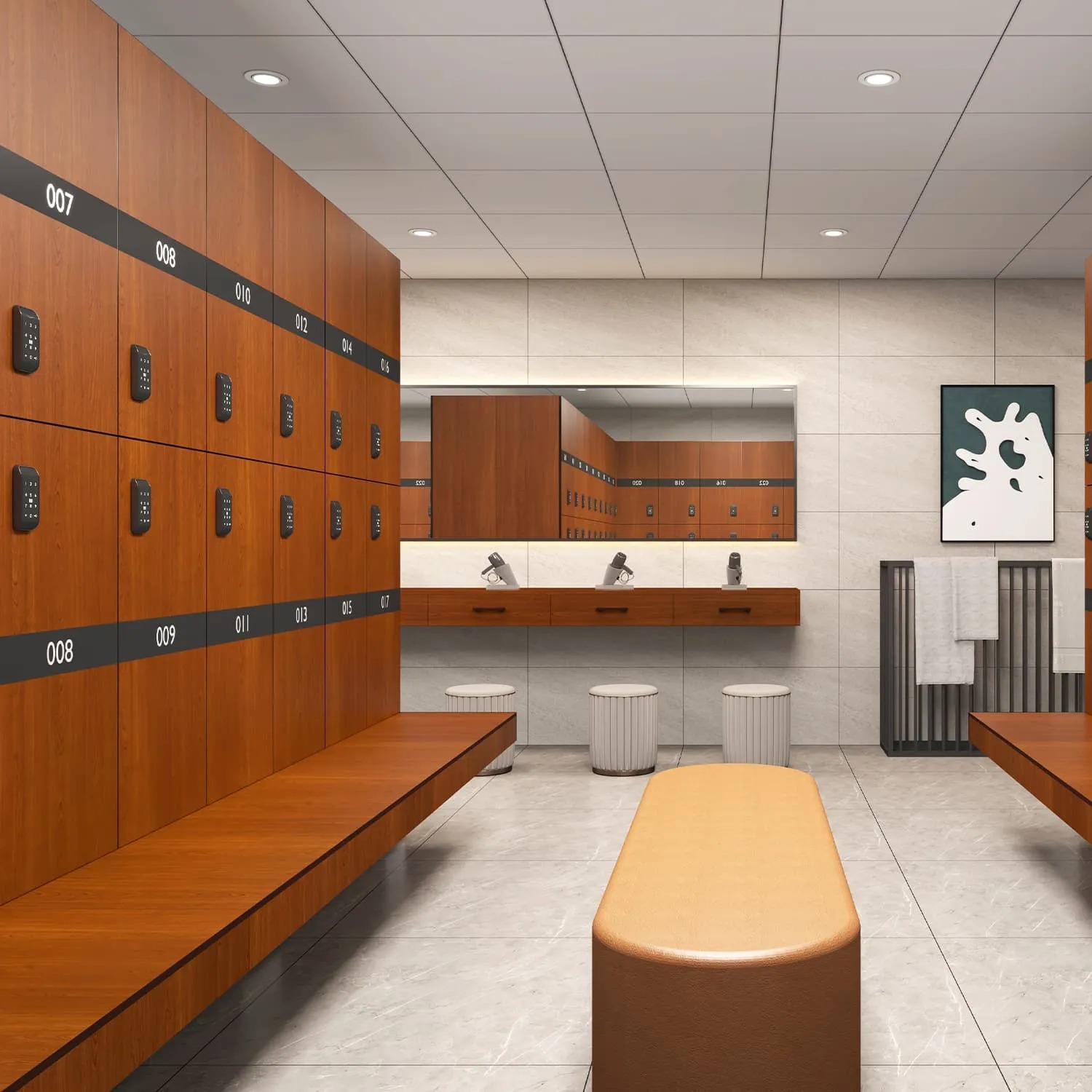
In the world of commercial facility management, storage solutions must perform on multiple levels. They need to withstand constant use, resist moisture and impact, and contribute to a professional, welcoming environment. This is why HPL lockers—particularly those featuring industrial-grade wood grain finishes—have become the go-to choice for gyms, corporate offices, schools, and industrial workplaces.
But what makes these engineered storage systems so effective? The answer lies in the material science behind High-Pressure Laminate (HPL), combined with the structural integrity of substrates like particleboard, plywood, and Medium-Density Fiberboard (MDF). Together, these components deliver a locker solution that outlasts traditional alternatives while elevating the aesthetic standard of any commercial space.
The Engineering Behind High-Performance HPL Lockers
HPL lockers are not simply "coated" surfaces; they are precision-engineered systems. The manufacturing process involves layering kraft paper impregnated with thermosetting resins (phenol or melamine) and subjecting them to extreme heat and pressure. This creates a dense, non-porous surface that is exceptionally resistant to scratches, impacts, stains, and chemical exposure.
When you choose wood grain hpl lockers, you are selecting a decorative surface that replicates the warmth and richness of natural timber—without the vulnerabilities. The wood grain pattern is fused into the laminate itself, meaning it will not peel, fade, or wear away over time. This visual durability is critical in high-traffic commercial settings where first impressions matter.
Material Synergy: HPL, Particleboard, Plywood, and MDF
The performance of a locker depends not only on its surface but also on its core construction. Quality hpl lockers utilize a synergy of engineered wood substrates to ensure dimensional stability and load-bearing capacity.
Particleboard provides a uniform, smooth base that bonds exceptionally well with HPL surfaces, ensuring a flat, ripple-free finish.
Plywood offers superior screw-holding power and resistance to warping, making it ideal for door panels and structural frames.
Medium-Density Fiberboard (MDF) contributes to fine-edge machining, allowing for precise joints and seamless panel alignment.
When combined with a high-pressure laminate skin, these substrates create a locker system that is resistant to humidity fluctuations. Unlike solid wood, which can swell, crack, or split, or other materials that may corrode in damp environments, wood grain HPL lockers maintain their structural integrity even in pool areas, shower rooms, and humid industrial zones.
Durability That Meets Industrial Standards
Commercial environments are unforgiving. Lockers are opened and closed thousands of times, exposed to cleaning chemicals, and subjected to accidental impacts from equipment and foot traffic.
HPL lockers are engineered to meet rigorous international standards, including ISO 4586 specifications for high-pressure decorative laminates. This certification confirms that the surface can withstand:
Scratch and abrasion resistance – maintaining its wood grain finish even after years of daily use.
Impact resistance – absorbing shocks without denting or delaminating.
Chemical resistance – repelling sweat, sunscreen, cosmetics, and industrial cleaners that would permanently stain or degrade lesser materials.
Furthermore, water absorption testing validates that these lockers remain dimensionally stable when exposed to moisture, preventing the swelling or warping that compromises other storage systems. Facility managers who invest in hpl lockers can expect a service life of 10 to 15 years with minimal maintenance—a significant reduction in total cost of ownership.
Aesthetic Advantages: Warmth, Branding, and Design Cohesion
In commercial spaces, storage solutions are highly visible. Institutional-looking lockers can detract from an otherwise premium environment. This is where wood grain HPL lockers truly excel.
Elevating Commercial Interiors
The natural grain patterns available—ranging from light oak and natural walnut to deep cherry and modern white oak—allow designers to create inviting, sophisticated spaces. Whether outfitting a boutique fitness studio, a corporate wellness center, or an executive changing room, hpl lockers provide the visual warmth of fine furniture without sacrificing industrial-grade protection.
Customization for Brand Identity
Beyond standard finishes, manufacturers offer extensive customization options. Facility managers can specify:
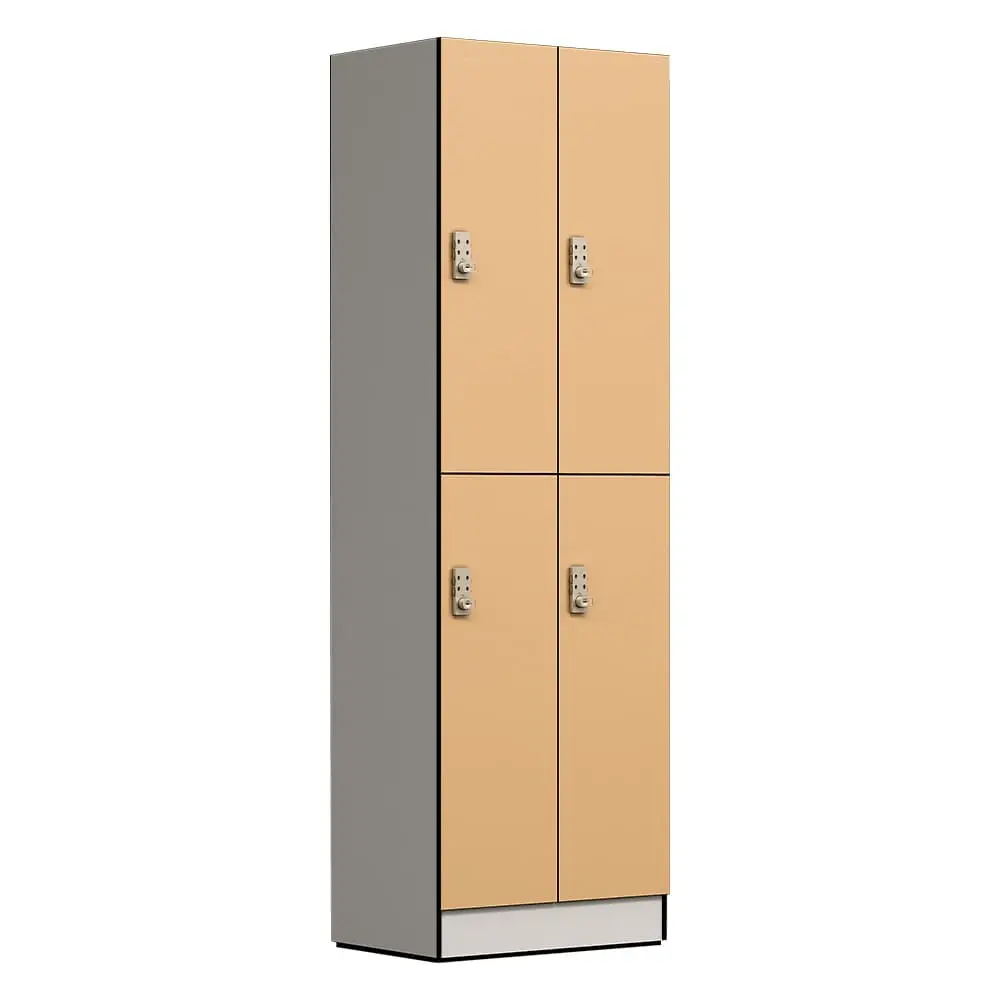
Door configurations: single-door, multi-door, or Z-type designs with integrated seating.
Hardware and locking systems: keyed, combination, electronic, or biometric access.
Ventilation and internal shelving: tailored to specific user needs (e.g., gym gear vs. office attire).
This modular flexibility ensures that wood grain hpl lockers integrate seamlessly with existing interior architecture, reinforcing brand identity and user satisfaction.
Operational Efficiency and Long-Term Cost Savings
Minimal Maintenance Requirements
One of the most compelling advantages of hpl lockers is their low maintenance profile. Routine cleaning requires only mild soap and water—no sanding, refinishing, or sealing required. Unlike substrates that absorb moisture or harbor bacteria, the non-porous HPL surface resists mold, mildew, and bacterial growth, making it ideal for health-conscious facilities.
Reduced Replacement Cycles
Because wood grain hpl lockers resist the wear patterns that compromise aesthetic appeal over time, facilities avoid the disruptive and costly cycle of partial replacements. When all lockers are installed simultaneously with consistent materials, maintenance procedures become standardized, and replacement parts can be inventoried efficiently—further reducing long-term operational burdens.
Health, Hygiene, and Environmental Responsibility
The smooth, seamless finish of hpl lockers facilitates rapid, thorough disinfection—a critical feature in medical facilities, fitness centers, and institutional settings. Additionally, many manufacturers incorporate recycled content into the kraft paper layers and utilize low-formaldehyde resins, supporting sustainability goals without compromising performance.
Real-World Applications Across Commercial Sectors
Fitness Centers and Spas: High humidity, frequent cleaning, and heavy daily use demand lockers that resist moisture and stains. Wood grain HPL lockers provide the luxury aesthetic that attracts members while withstanding the rigors of a wet environment.
Corporate Offices: Executive and employee locker rooms benefit from the professional, warm appearance of wood grain finishes, reinforcing company culture and employee well-being.
Educational Institutions: Schools and universities require durable, secure storage that can endure high traffic. HPL lockers offer the resilience needed for decades of student use.
Industrial Workplaces: Manufacturing and logistics facilities need robust storage for employee personal items. The chemical and impact resistance of hpl lockers makes them ideal for demanding environments.
Maximizing ROI Through Strategic Specification
To capture the full value of industrial wood grain HPL lockers, facility managers should adopt a strategic procurement approach:
Assess current and future capacity needs to avoid under- or over-specification.
Request detailed proposals that itemize substrate materials, laminate thickness, and warranty coverage.
Engage stakeholders (users, maintenance staff, designers) to ensure configurations match actual usage patterns.
By treating the locker investment as a long-term asset rather than a short-term expense, organizations can leverage bulk purchasing, extended warranties, and vendor partnerships to further reduce costs and ensure consistent quality across the entire facility.
FAQ
Q: What makes HPL lockers more durable than traditional wood alternatives?
A: HPL lockers feature a high-pressure laminate surface bonded to engineered wood substrates like particleboard, plywood, or MDF. This combination resists scratching, moisture absorption, and chemical staining—issues that cause solid wood to warp, crack, or require frequent refinishing. The non-porous surface also prevents bacterial growth, ensuring hygiene and longevity in commercial environments.
Q: Can wood grain HPL lockers be customized for specific commercial applications?
A: Absolutely. HPL lockers are available in a wide range of wood grain finishes, door configurations, locking mechanisms, and internal shelving options. Manufacturers can tailor dimensions and modular layouts to match your facility’s floor plan and operational workflow, ensuring a solution that is both functional and visually cohesive.
Q: Are HPL lockers environmentally sustainable?
A: Yes. Many hpl lockers are manufactured using recycled kraft paper content and low-formaldehyde or formaldehyde-free resins. The long service life of these lockers—often exceeding 10–15 years—also reduces material consumption and waste compared to shorter-lived alternatives. Facility operators seeking LEED or green building compliance will find wood grain HPL lockers aligned with their sustainability objectives.


